
Best Shampoo for Hair Growth? Dermatologist Tips for Thicker, Healthier Hair
Hair loss and thinning affect millions of people worldwide, impacting confidence and self-image. While genetics play a significant role, the right hair care routine—starting with choosing the best shampoo and conditioner for hair growth—can make a measurable difference in your hair’s health and thickness. This guide combines dermatological science with practical recommendations to help you select products that actually work.
Just as personal growth requires intentional strategies and consistency, hair growth demands the right approach. Your scalp health, product selection, and daily habits work together to create an environment where hair can thrive. Let’s explore what dermatologists recommend and how to build a hair growth routine that delivers real results.
Understanding Hair Growth Science
Before selecting shampoo and conditioner for hair growth, you need to understand how hair actually grows. Each hair follicle cycles through three phases: anagen (growth), catagen (transition), and telogen (resting). Most hair spends 2-7 years in the anagen phase, which is when growth occurs. The goal of targeted hair care is to extend this growth phase and strengthen hair during this critical window.
Dermatologists emphasize that scalp health is foundational. A healthy scalp has balanced pH, adequate blood flow, and minimal inflammation. When your scalp is inflamed, irritated, or has excessive buildup, hair follicles cannot function optimally. This is why the right shampoo and conditioner for hair growth must address scalp health first and foremost.
Research from the American Academy of Dermatology indicates that proper cleansing removes sebum buildup and dead skin cells without stripping natural oils. This balance is critical—too much washing damages hair, while too little allows buildup that suffocates follicles. The best shampoo for hair growth cleans effectively while maintaining your scalp’s natural protective barrier.
Key Ingredients That Promote Hair Growth
Not all shampoos are created equal. Dermatologists look for specific, scientifically-validated ingredients when recommending products for hair growth. Understanding these components helps you evaluate products critically rather than relying on marketing claims.
- Biotin and B-complex vitamins: These strengthen hair structure and support keratin production. Biotin deficiency directly correlates with hair thinning.
- Niacinamide (Vitamin B3): Improves blood flow to hair follicles and reduces scalp inflammation, creating optimal conditions for growth.
- Caffeine: Multiple studies show caffeine stimulates hair follicles and extends the anagen phase. It penetrates the scalp and energizes dormant follicles.
- Ketoconazole: This antifungal ingredient reduces scalp inflammation and addresses conditions like seborrheic dermatitis that impede hair growth.
- Saw Palmetto: May help block DHT, a hormone linked to male pattern baldness, though results vary by individual.
- Peptides and amino acids: Building blocks for hair protein, these strengthen existing strands and support new growth.
- Panthenol: A humectant that attracts moisture to hair and scalp, improving elasticity and reducing breakage.
When evaluating shampoo and conditioner for hair growth, check ingredient lists for these proven components. However, ingredient concentration matters—some products include minimal amounts of active ingredients, making them ineffective despite marketing claims. Look for ingredients listed in the first five positions on the label.
How to Select the Best Shampoo for Hair Growth
Choosing the best shampoo for hair growth involves matching your specific hair type and scalp condition with appropriate formulations. A product that works wonderfully for one person may underperform for another based on hair texture, scalp sensitivity, and existing conditions.
For oily scalp with thinning hair: Select lightweight, volumizing shampoos with clarifying properties. Ingredients like tea tree oil, zinc pyrithione, or ketoconazole help control sebum while stimulating growth. Avoid heavy conditioners that weigh hair down.
For dry scalp with hair loss: Choose moisturizing formulas with hydrating ingredients like argan oil, coconut oil, or shea butter alongside growth-promoting components. These shampoos cleanse gently while nourishing the scalp environment where hair grows.
For sensitive scalp: Dermatologists recommend sulfate-free, fragrance-free options with minimal irritants. Look for soothing ingredients like aloe vera, chamomile, or oat extract. Inflammation is a major hair growth inhibitor, so protecting scalp sensitivity is crucial.
For color-treated or damaged hair: Use strengthening shampoos with proteins and amino acids that repair cuticles while promoting new growth. These formulas address both existing damage and future growth concerns.
As you work toward better hair health, remember that increasing motivation for consistent routines is equally important. Hair growth requires 2-3 months of dedicated care before visible results appear, so commitment matters.
Why Conditioner Matters as Much as Shampoo
Many people focus exclusively on shampoo when building a hair growth routine, overlooking conditioner’s critical role. A quality conditioner for hair growth serves multiple purposes beyond smoothing hair.
Conditioner protects the hair shaft: When you shampoo, you open the hair cuticle to remove dirt and oils. Conditioner seals this cuticle, preventing protein loss and moisture evaporation. Stronger hair breaks less frequently, allowing length and thickness to accumulate.
Conditioner nourishes the scalp: While shampoo cleanses, conditioner deposits nutrients and moisture back into hair and scalp. For hair growth, this means conditioner delivers growth-promoting ingredients directly to follicles and provides the hydration necessary for healthy new growth.
Conditioner reduces breakage: Thinning hair often results partly from breakage rather than growth cessation. A good conditioner detangles gently, reduces friction, and strengthens hair, so you retain more length and thickness.
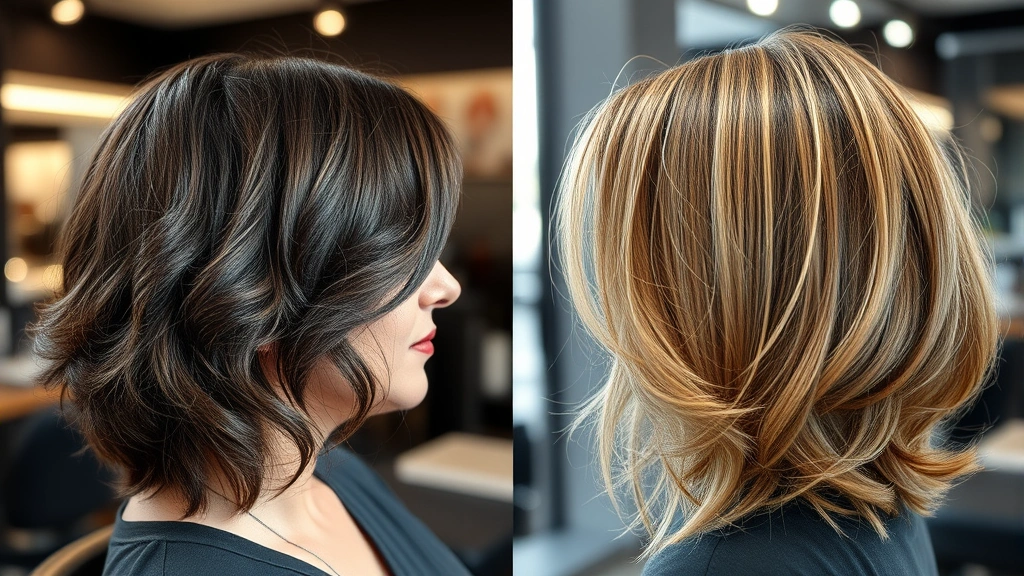
The best shampoo and conditioner for hair growth work synergistically. Your shampoo prepares the scalp and hair for treatment, while conditioner deposits beneficial ingredients and protection. Dermatologists recommend using matching systems from the same brand when possible, as these are formulated to work together.
For those committed to comprehensive self-improvement, hair health reflects broader wellness. Just as setting and achieving goals requires strategic planning, hair growth demands a thoughtful, multi-faceted approach combining topical care with lifestyle factors.
Dermatologist-Approved Products and Brands
While this guide avoids endorsing specific brands (since effectiveness varies individually), dermatologists consistently recommend products containing these characteristics:
- Clinical backing: Look for brands that fund dermatological studies proving their claims. Products with published research showing efficacy are more reliable than those relying on testimonials alone.
- Professional recommendation: Ask your dermatologist about options they prescribe or recommend. They understand your specific condition and can suggest targeted solutions.
- Transparency: Reputable brands clearly list all ingredients with concentrations. Avoid products with vague ingredient lists or proprietary blends that hide component amounts.
- Safety profiles: Established brands conduct stability testing and safety assessments. They provide clear usage instructions and contraindication information.
- Price-to-value alignment: The most expensive shampoo isn’t automatically best. Effective hair growth products range across price points. Focus on ingredient quality and clinical evidence rather than brand prestige.
Dermatologists often recommend starting with prescription-strength options if over-the-counter products don’t deliver results after 3-4 months. Minoxidil (Rogaine) and finasteride (Propecia) have decades of clinical evidence supporting their effectiveness, though they require ongoing use.
Building Your Hair Growth Routine
Selecting the best shampoo and conditioner for hair growth is just the beginning. Dermatologists emphasize that how you use these products matters enormously.
Washing frequency: Most dermatologists recommend shampooing 2-3 times weekly for those focused on hair growth. Frequent washing strips natural oils; infrequent washing allows harmful buildup. This balanced approach maintains scalp health while supporting growth.
Water temperature: Use lukewarm, never hot, water. Hot water opens the cuticle excessively and strips oils. Lukewarm water cleanses effectively while maintaining your scalp’s natural protective layer.
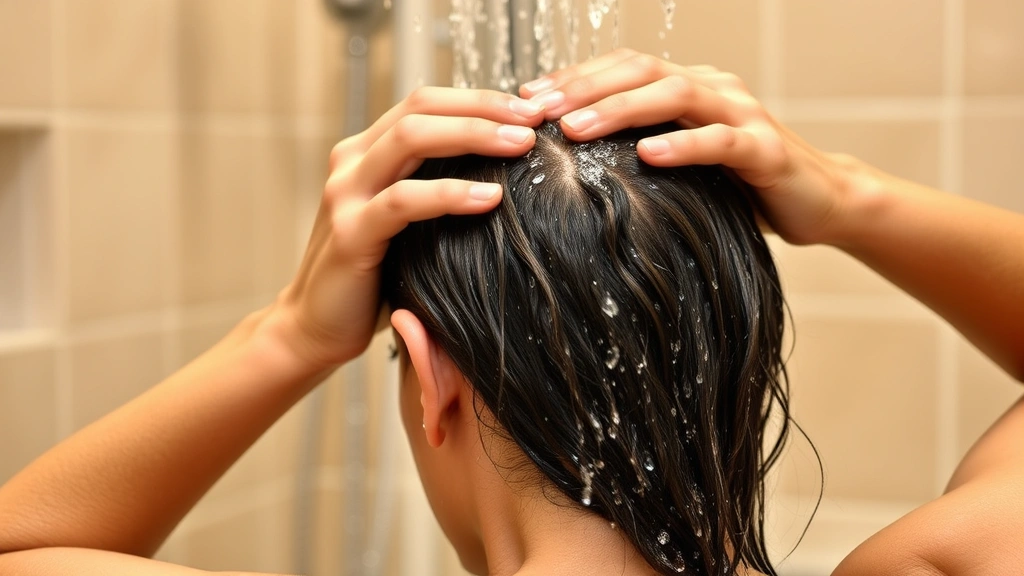
Application technique: Focus shampoo on the scalp, not hair ends. Massage gently with fingertips for 60-90 seconds to stimulate blood flow and ensure thorough cleansing. Rinse completely—residue inhibits growth.
Conditioner placement: Apply conditioner primarily to mid-lengths and ends, avoiding the scalp for those with oily scalps. Leave it on for 1-2 minutes (or longer if you have very dry hair) before rinsing thoroughly.
Post-wash care: Pat hair dry gently rather than rubbing vigorously. Use a microfiber towel or t-shirt to minimize breakage. Apply leave-in conditioner or hair growth serums while hair is still slightly damp to lock in moisture.
Building this routine requires the same intentionality you’d apply to other personal development areas. Like exploring growth mindset principles, consistent hair care habits compound over time, delivering increasingly visible results as weeks progress into months.
Common Mistakes That Sabotage Hair Growth
Even with excellent shampoo and conditioner for hair growth, certain habits undermine results. Dermatologists identify these common mistakes repeatedly in their practices:
- Switching products too frequently: Hair growth requires 8-12 weeks to show results. Changing products every few weeks prevents you from seeing effectiveness. Commit to a routine for at least 3 months before evaluating.
- Using water that’s too hot: High temperatures damage hair and irritate scalp, counteracting growth benefits from your products.
- Over-styling and heat damage: Blow dryers, flat irons, and tight hairstyles cause breakage that negates growth progress. Minimize heat styling and use protective products when necessary.
- Ignoring overall health: Hair growth depends on adequate protein, iron, zinc, and biotin intake. Poor nutrition undermines even excellent topical products. Address dietary deficiencies with your doctor.
- Neglecting stress management: Chronic stress triggers telogen effluvium (excessive shedding). Hair growth requires managing stress through exercise, sleep, and relaxation—areas where personal growth strategies prove invaluable.
- Skipping scalp massage: Regular scalp massage increases blood flow to follicles, enhancing nutrient delivery. Spend 5 minutes daily massaging your scalp with fingertips.
- Using products with harsh sulfates: Sulfates strip natural oils, creating an inhospitable environment for growth. Always choose sulfate-free shampoo and conditioner for hair growth.
Avoiding these mistakes accelerates results from your hair growth routine. Think of it as removing obstacles to progress—just as removing friction improves productivity, eliminating growth-inhibiting habits amplifies your shampoo and conditioner’s effectiveness.
Frequently Asked Questions
How long does it take to see results from hair growth shampoo and conditioner?
Dermatologists consistently state that visible hair growth results require 8-12 weeks of consistent use. Your hair growth cycle means new hairs entering the anagen phase need time to grow long enough to be noticeable. Patience is essential—most people see subtle improvements around week 8 and more significant changes by week 16.
Can shampoo and conditioner alone regrow lost hair?
Topical products work best for maintaining existing hair and preventing further loss. For significant regrowth, especially with male or female pattern baldness, dermatologists typically recommend combining shampoo and conditioner with oral medications (finasteride) or topical treatments (minoxidil). Consult a dermatologist for your specific situation.
Is expensive shampoo better for hair growth than affordable options?
Price doesn’t guarantee effectiveness. Some affordable brands contain excellent growth-promoting ingredients, while expensive products may rely on marketing. Focus on ingredient quality, clinical backing, and customer results rather than price point. Many dermatologist-recommended options are reasonably priced.
Should I use the same conditioner as my shampoo?
Matching systems from the same brand are ideal since they’re formulated to work together. However, if you find a shampoo you love, you can pair it with a different conditioner if necessary. Ensure both address your specific scalp and hair needs.
Can men and women use the same hair growth shampoo and conditioner?
Yes, hair growth products work similarly regardless of gender. However, women experiencing hair loss may need different approaches than men. Female pattern baldness sometimes responds better to different treatments. Consult a dermatologist about gender-specific considerations for your situation.
What if I have a sensitive scalp? Can I still use growth-promoting products?
Absolutely. Choose fragrance-free, sulfate-free formulas with soothing ingredients like aloe vera or oat extract. Introduce new products gradually, starting with once-weekly use, to allow your scalp to adjust. Many growth-promoting ingredients are gentle enough for sensitive scalps.
Do I need to use hair growth shampoo and conditioner indefinitely?
Hair growth products maintain results only with continued use. Once you stop using them, your hair returns to its baseline condition. However, after achieving your goals, you might reduce frequency or switch to maintenance products. Discuss long-term strategies with your dermatologist.


