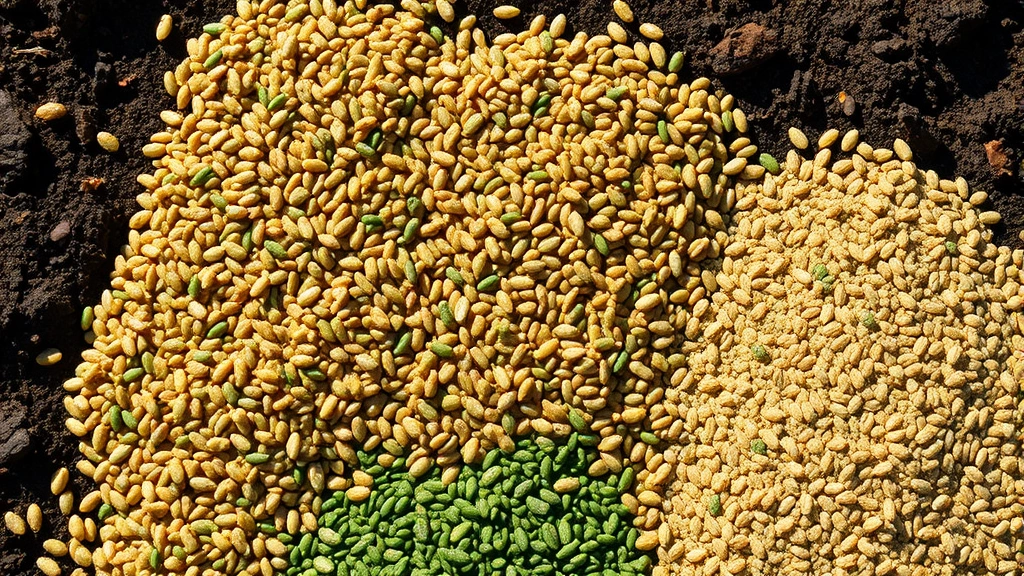
Fast Lawn Success: Expert Tips for Quick Growth Grass Seed
A lush, vibrant lawn transforms your outdoor space into a personal sanctuary. Yet achieving rapid grass growth requires more than simply scattering seeds and hoping for the best. Like personal development, lawn cultivation demands strategic planning, consistent effort, and evidence-based techniques that compound over time. Whether you’re establishing a new yard or revitalizing bare patches, understanding the science behind quick growth grass seed strategies will accelerate your results dramatically.
The frustration of waiting months for grass to establish is real. Most homeowners underestimate how much their approach influences growth speed. By implementing expert-approved methods—from soil preparation to seed selection—you can achieve a thriving lawn in weeks rather than seasons. This comprehensive guide reveals the proven tactics that separate successful growers from those perpetually battling thin, weak turf.
Understanding Grass Seed Fundamentals
Before diving into acceleration tactics, you must grasp how grass seeds actually germinate and establish. Seeds contain everything needed for initial growth—an embryo, stored nutrients, and a protective coating. However, these dormant powerhouses require specific environmental conditions to activate their potential. This mirrors the growth mindset philosophy where proper conditions unlock hidden capabilities.
Grass seeds germinate through a process called imbibition, where water penetrates the seed coat, rehydrating dormant tissues. Once moisture reaches critical levels (typically 50-60% of the seed’s weight), enzymes activate and root development begins. The radicle—the first root—emerges within 3-10 days for fast-growing species like perennial ryegrass, while slower varieties may take 14-21 days. Temperature, oxygen, and light exposure all influence this timeline significantly.
Different grass species exhibit vastly different growth rates. Cool-season grasses like Kentucky bluegrass, tall fescue, and perennial ryegrass germinate faster in spring and fall. Warm-season varieties like Bermuda grass and zoysia grass require soil temperatures above 65°F and establish more quickly during summer months. Understanding your climate zone and selecting appropriately is fundamental to achieving quick growth results.
The germination rate—the percentage of seeds that successfully sprout—directly impacts your lawn’s density and appearance timeline. Premium seed varieties typically offer 85-95% germination rates, while lower-quality options may only achieve 60-70%. This seemingly small difference compounds dramatically across thousands of seeds, determining whether you achieve a thick lawn in 6-8 weeks or struggle with thin coverage for months.
Soil Preparation: The Foundation for Success
Exceptional lawn growth begins below the surface. Soil preparation is arguably the most critical factor determining how quickly your grass establishes, yet it’s frequently rushed or neglected. Think of soil as the foundation for a building—no matter how premium your materials, poor preparation guarantees failure.
Start by testing your soil’s pH, nutrient levels, and organic matter content. Most grass species thrive in slightly acidic soil with a pH between 6.0 and 7.0. A professional soil test (available through your local extension office for $10-30) provides precise recommendations for amendments. This data-driven approach prevents guesswork and ensures your investments target actual deficiencies rather than assumed problems.
Organic matter is transformative. Incorporating 1-2 inches of quality compost into the top 4-6 inches of existing soil dramatically improves water retention, nutrient availability, and microbial activity. This creates an ideal environment for rapid root development. Soil with 3-5% organic matter supports faster grass growth than depleted, compacted earth. If your lawn has heavy clay or sand, amending with compost becomes non-negotiable for success.
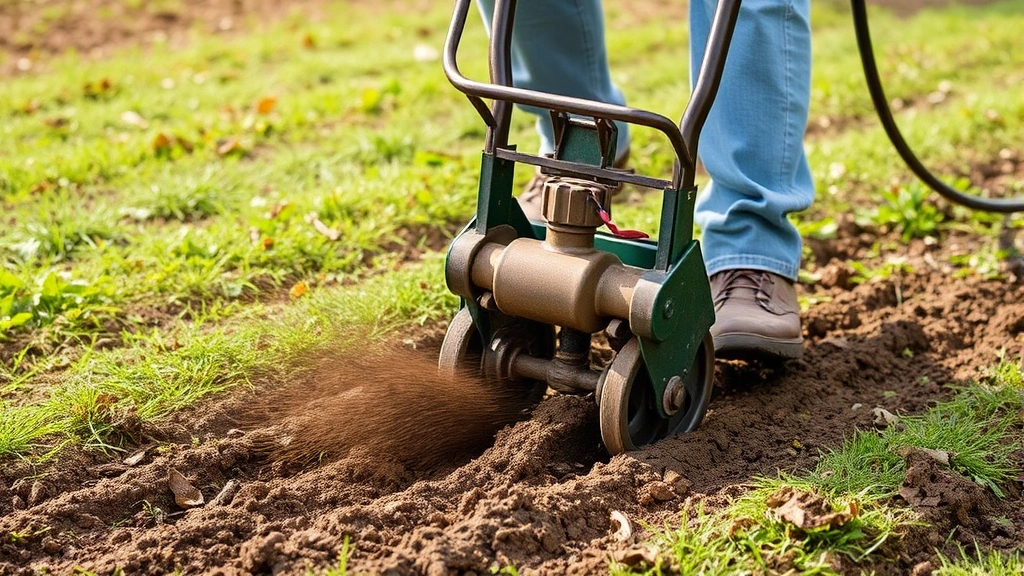
Compacted soil stranles growth potential. Use mechanical aeration or manual techniques to break up compacted layers, improving oxygen penetration and root expansion. Aeration creates channels that allow water and nutrients to reach deeper soil layers where roots establish. Many professionals recommend aerating before seeding, though it’s equally valuable for existing lawns struggling with poor drainage or thin coverage.
Leveling your lawn surface prevents puddles and ensures consistent moisture for seed germination. Even minor depressions become problem areas where water pools, potentially causing fungal issues. Grade your lawn gently, removing rocks and debris that impede seed-soil contact—a critical factor in germination success.
Like pursuing personal growth initiatives, investing time in foundational preparation yields exponential returns. Rushing this phase guarantees slower overall progress.
Selecting the Right Quick Growth Grass Seed
Seed selection profoundly influences establishment speed. Not all grass seeds are created equal, and choosing high-performance varieties specifically bred for rapid growth accelerates your timeline significantly.
Perennial Ryegrass is the gold standard for quick growth. It germinates in 5-10 days and establishes visible growth within 2-3 weeks. Its aggressive growth habit and fine texture make it popular for overseeding and new lawns. Premium cultivars like ‘Colosseum’ and ‘Midnight’ offer enhanced disease resistance alongside rapid establishment.
Tall Fescue blends durability with decent growth speed. While slightly slower than ryegrass, tall fescue offers superior drought tolerance and wear resistance. Newer varieties exhibit improved fine texture, making them increasingly popular for quality lawns.
Kentucky Bluegrass germinates slower (10-21 days) but excels at self-repair through rhizome growth. Including it in seed blends provides long-term density benefits despite initial slower establishment.
For warm-season regions, Bermuda grass and zoysia grass deliver rapid growth during their active season. Bermuda grass is particularly aggressive, establishing a playable lawn within 4-6 weeks under optimal conditions.
Purchase seed from reputable suppliers offering high-quality mixes formulated for your specific climate and use case. The seed label provides crucial information: germination percentage, purity percentage, and variety names. Higher-quality seed costs more initially but delivers superior results, faster establishment, and fewer weed problems—ultimately saving money and frustration.
Seed blends combining multiple species provide resilience. A quality blend might include 40% perennial ryegrass, 40% tall fescue, and 20% Kentucky bluegrass, offering quick establishment from ryegrass while gaining durability from fescue and long-term density from bluegrass.
Optimal Seeding Techniques
Even premium seed fails without proper application. Seeding technique directly determines germination success and establishment speed.
Timing matters significantly. For cool-season grasses, fall (late August through September) provides ideal conditions: warm soil temperatures, natural rainfall, and cool air temperatures that reduce stress. Spring seeding works but faces competition from emerging weeds and summer heat stress. For warm-season grasses, late spring through early summer (May-June) offers optimal conditions.
Achieve proper seed-to-soil contact—perhaps the single most critical success factor. Seeds need direct contact with moist soil to germinate. Bare soil is ideal; if seeding into existing turf, rough up the area with a dethatcher or power rake, removing dead grass and creating a seedbed. Spread seed using a broadcast spreader for even distribution, then lightly rake to incorporate seeds into the top 1/8 inch of soil.
Application rate depends on your specific seed and conditions. Most quality seed mixes recommend 4-6 pounds per 1,000 square feet for new lawns, or 2-3 pounds for overseeding. Follow package recommendations precisely—excessive seed creates competition and disease issues, while insufficient seed results in thin coverage. Precision here directly impacts your timeline to a fully established lawn.
Consider hydraulic seeding for large areas. This professional technique combines seed, mulch, tackifier, and nutrients into a slurry sprayed across prepared soil. The mulch retains moisture, protecting seeds and accelerating germination. While costlier than DIY approaches, results often justify the investment through faster, more uniform establishment.
Rolling after seeding improves seed-soil contact without creating compaction. A light roller ensures seeds nestle into soil crevices where moisture and temperature remain stable—ideal for germination. This simple step significantly improves germination percentages and establishment speed.
Watering Strategies for Rapid Establishment
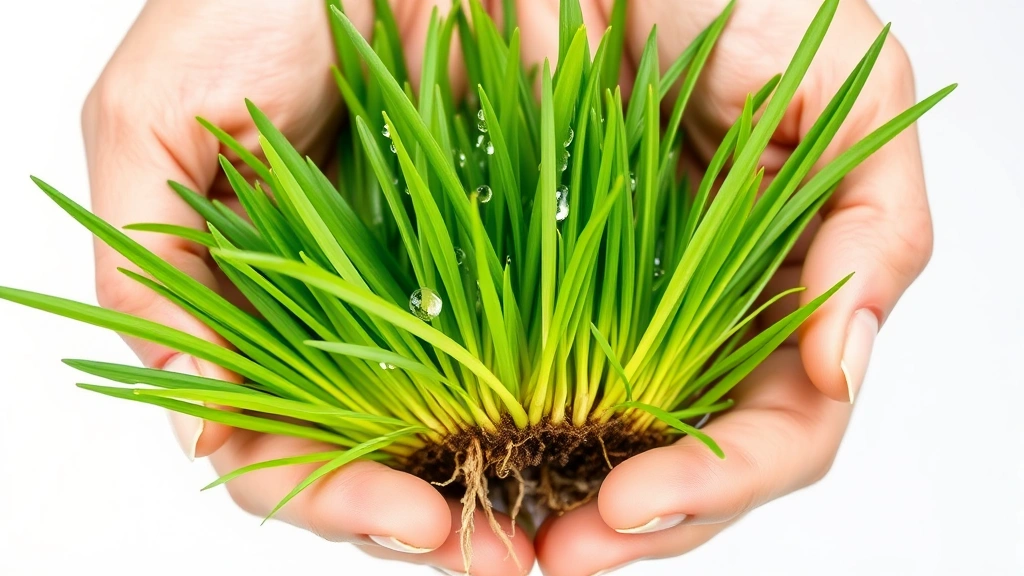
Water is the catalyst that transforms dormant seeds into thriving grass. Improper watering is the primary reason for failed or slow-growing lawns. The goal during establishment is maintaining consistent moisture without waterlogging soil.
Immediately after seeding, water gently to moisten the top 1-2 inches of soil. This initial watering activates germination. For the next 2-3 weeks—the critical establishment phase—maintain constant light moisture. Water lightly 2-3 times daily if necessary, keeping soil moist but not soggy. Soggy soil invites fungal disease and can cause seed rot.
As seedlings emerge and develop true leaves, gradually transition to deeper, less frequent watering. By week 3-4, water deeply 2-3 times weekly, encouraging deeper root development. This strengthens seedlings and improves drought tolerance faster than frequent shallow watering.
Soil type influences watering frequency. Sandy soil drains quickly and requires more frequent watering; clay soil retains moisture longer and needs less frequent application. The key is observing your specific soil’s behavior and adjusting accordingly.
Irrigation timing matters. Water early morning (5-8 AM) before heat and wind increase evaporation. Evening watering risks fungal disease by leaving foliage wet overnight. Avoid midday watering when heat and sun reduce effectiveness and increase evaporation waste.
Monitor soil moisture by feeling it 2-3 inches deep. Soil should feel like a wrung-out sponge—moist but not waterlogged. Underwatering stresses seedlings, slowing growth; overwatering invites disease and root problems. This balance, once mastered, becomes intuitive.
Nutrient Management and Fertilization
Grass requires specific nutrients for rapid growth: nitrogen for blade development, phosphorus for root strength, and potassium for overall vigor. Strategic fertilization accelerates establishment dramatically.
Apply a starter fertilizer high in phosphorus immediately after seeding. Products labeled 10-26-26 or similar ratios emphasize phosphorus, promoting root development crucial for rapid establishment. This single application often provides sufficient nutrients for 4-6 weeks of growth.
After 4-6 weeks, when grass reaches 2-3 inches height, apply a balanced fertilizer like 15-15-15 to support continued growth. Repeat applications every 4-6 weeks during the growing season maintain momentum. Avoid excessive nitrogen, which promotes soft, disease-prone growth; instead, use moderate amounts spaced appropriately.
Organic amendments like compost and aged manure provide slow-release nutrients supporting sustained growth. A 1-inch compost layer worked into soil before seeding provides nutrients throughout establishment, reducing fertilizer dependency while improving soil structure.
Micronutrients like iron, manganese, and zinc, while needed in small quantities, significantly impact growth rate and color. Iron deficiency causes yellowing despite adequate nitrogen. A complete fertilizer or targeted micronutrient application corrects these issues, accelerating visible improvement.
Soil pH influences nutrient availability. Even abundant nutrients remain unavailable if pH is incorrect. This emphasizes the importance of pre-seeding soil testing and amendment. Optimal pH ensures maximum nutrient uptake and fastest possible growth.
Like effective goal setting, strategic nutrient management requires understanding your current state (soil test), establishing targets (optimal levels), and implementing a plan (fertilization schedule).
Common Mistakes That Slow Growth
Understanding what to avoid is equally valuable as knowing what to do. These common errors significantly delay lawn establishment:
Inadequate soil preparation: Skipping soil testing and amendment creates a suboptimal growing environment. Seeds germinate but struggle in poor soil, extending establishment to months rather than weeks.
Poor timing: Seeding during heat waves, dormant seasons, or high-weed-pressure periods fights against natural conditions. Strategic timing aligns your effort with favorable conditions, dramatically improving results.
Excessive seeding rates: More seed doesn’t mean faster growth; it creates competition, disease, and thin, weak grass. Precise application per package recommendations optimizes results.
Inconsistent watering: Allowing soil to dry during germination kills emerging seedlings. Conversely, perpetual waterlogging causes fungal disease. The consistency required for success applies equally to lawn care.
Walking on new seeding: Foot traffic disrupts seed-soil contact and compacts soil. Restrict access for 3-4 weeks while establishment occurs. This patience compounds into significantly better results.
Mowing too early: Cutting grass before it reaches 3-4 inches height stresses seedlings. Wait until grass is established and robust before first mowing. The temptation to mow earlier often backfires, requiring additional recovery time.
Inadequate fertilization: Assuming soil contains sufficient nutrients often results in slow, pale growth. Strategic starter and follow-up fertilization accelerates establishment dramatically.
Neglecting weed control: Weeds compete fiercely with young grass for nutrients, water, and light. Addressing weeds early—through proper seeding technique, herbicides, or manual removal—prevents months of setback.
Research from Journal of Environmental Management demonstrates that integrated lawn management approaches—combining soil preparation, proper seeding, optimal watering, and strategic fertilization—reduce establishment time by 30-40% compared to basic approaches.
FAQ
How quickly can grass seed grow?
Premium quick growth grass seed varieties like perennial ryegrass germinate in 5-10 days and establish visible growth within 2-3 weeks. A fully playable lawn typically requires 6-8 weeks under optimal conditions. Growth speed depends on seed quality, soil preparation, watering consistency, temperature, and nutrient availability.
What’s the best time to seed for fastest growth?
Fall (late August-September) for cool-season grasses and late spring (May-June) for warm-season varieties offer ideal conditions. These periods provide favorable soil temperatures, natural rainfall, and reduced stress factors that accelerate establishment.
Can I speed up grass seed germination?
Yes. Optimal soil temperature (60-70°F for cool-season, 70-85°F for warm-season), consistent moisture, quality seed, and excellent seed-soil contact all accelerate germination. Starter fertilizer and organic amendments further enhance speed. However, you cannot force germination faster than biological limits; you can only optimize conditions to achieve maximum speed.
How often should I water new grass seed?
During the first 2-3 weeks, maintain constant light moisture through 2-3 daily waterings. As seedlings establish (weeks 3-4), transition to deeper, less frequent watering 2-3 times weekly. Adjust based on soil type and weather conditions, always maintaining moist (not waterlogged) soil.
What fertilizer promotes fastest grass growth?
Starter fertilizers high in phosphorus (10-26-26) promote root development crucial for rapid establishment. Follow with balanced fertilizers (15-15-15) every 4-6 weeks. Avoid excessive nitrogen, which promotes soft growth and disease. Micronutrient deficiencies also limit growth speed; a complete fertilizer addresses these limitations.
Does grass seed type significantly affect growth speed?
Absolutely. Perennial ryegrass establishes fastest (5-10 day germination), while Kentucky bluegrass germinates slower (10-21 days). Selecting appropriate varieties for your climate and combining them strategically in seed blends balances quick establishment with long-term durability and resilience.
Why is my grass seed growing slowly?
Common causes include poor soil preparation, incorrect watering (too much or too little), inadequate fertilization, wrong seed variety for your climate, poor seed quality, suboptimal temperature, or weed competition. Diagnose issues systematically: test soil, verify watering practices, confirm seed quality and variety appropriateness, and address identified problems specifically.
The journey from bare soil to lush lawn mirrors personal development. Like growth mindset development, success requires understanding fundamentals, preparing foundations thoroughly, implementing proven strategies consistently, and adjusting based on feedback. By applying these expert-approved techniques for quick growth grass seed success, you’ll transform your outdoor space while developing valuable patience and attention to detail that extends far beyond landscaping.
Visit the Growth Life Hub Blog for additional insights on developing the discipline and strategic thinking that drives success in all areas of life. Your thriving lawn becomes a visible testament to the power of proper preparation, consistent effort, and evidence-based action.


