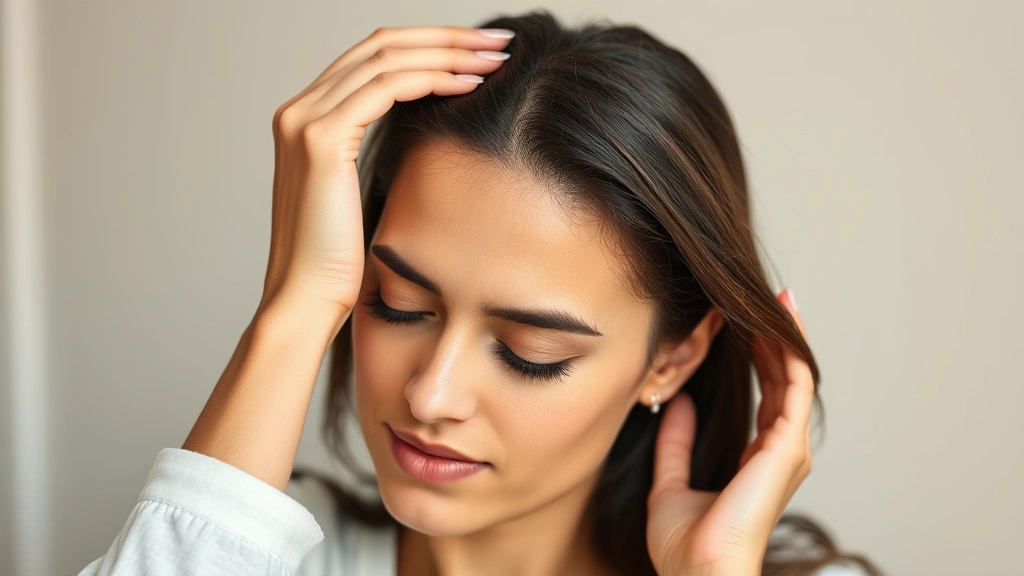
Post-Chemo Hair Growth: Dermatologist Tips for Recovery
Recovering from chemotherapy is a profound journey that extends far beyond the treatment itself. One of the most visible and emotionally significant aspects of this recovery is post-chemo hair growth. While chemotherapy saves lives, it often causes alopecia—complete or partial hair loss—leaving survivors eager to restore what was lost. The good news is that hair typically regrows after treatment ends, though the timeline and approach matter significantly.
Understanding how to support your hair’s natural regrowth process can accelerate recovery and help you feel more like yourself again. This guide combines dermatological expertise with practical strategies to optimize post-chemo hair regrowth, addressing everything from scalp care to nutritional support and emotional resilience during this transformative period.

Understanding Hair Loss from Chemotherapy
Chemotherapy works by targeting rapidly dividing cells—a characteristic of cancer cells, but also of healthy hair follicles in their growth phase. This is why chemotherapy-induced alopecia is such a common side effect. The degree of hair loss depends on several factors: the specific chemotherapy drugs used, dosage, duration of treatment, and individual sensitivity.
Most chemotherapy drugs cause anagen effluvium, meaning hair loss occurs while follicles are in their active growth phase. This differs from telogen effluvium, where hair sheds after growth has stopped. Understanding this distinction matters because anagen effluvium typically results in more dramatic, visible hair loss, but the prognosis for regrowth is generally favorable.
The hair follicle structure itself—consisting of the bulb, root, and shaft—becomes temporarily damaged during chemotherapy. However, the hair follicle stem cells at the base often survive, making regrowth possible once treatment concludes. This biological reality offers hope: your body has the capacity to regenerate what was lost, though patience and proper support accelerate the process.

Timeline for Hair Regrowth After Chemo
Knowing what to expect helps manage expectations and maintain motivation. Post-chemo hair growth typically follows a predictable timeline, though individual variation exists.
Weeks 1-4 After Treatment: Most survivors notice minimal visible growth during this initial phase. However, hair follicles are beginning to reactivate internally. Your scalp may feel tender or sensitive as dormant follicles wake up. This is a normal, positive sign of recovery.
Weeks 4-12: Visible hair growth becomes apparent, typically at a rate of approximately one-half inch per month. Many people describe fine, soft hair initially—sometimes different in texture or color from pre-chemo hair. This temporary difference usually normalizes within months.
Months 3-6: Hair becomes noticeably thicker and longer. Most survivors achieve a full head of recognizable hair by six months post-treatment, though density may not fully return for 12-18 months.
Months 6-12+: Progressive thickening and texture normalization continue. Full hair restoration—matching pre-treatment thickness and characteristics—typically occurs within 12-24 months, depending on individual factors.
This timeline isn’t absolute. Some survivors experience faster regrowth; others proceed more slowly. Factors like age, overall health, nutritional status, stress levels, and genetic predisposition all influence the pace of hair recovery after chemotherapy.
Dermatologist-Recommended Scalp Care Practices
Your scalp requires specialized attention during post-chemo hair regrowth. Dermatologists emphasize that gentle, consistent care creates an optimal environment for follicle recovery.
Gentle Cleansing Protocol: Use lukewarm water and sulfate-free shampoos specifically formulated for sensitive scalps. Harsh detergents strip natural oils that protect recovering follicles. Wash hair no more than 2-3 times weekly initially, gradually increasing frequency as hair strengthens. When shampooing, use your fingertips—never nails—to gently massage the scalp in circular motions.
Scalp Massage Benefits: Regular scalp massage increases blood flow to hair follicles, delivering oxygen and nutrients essential for growth. Spend 5-10 minutes daily using gentle circular motions with your fingertips. This practice also provides psychological benefit, reconnecting you with your body during recovery. Personal growth during recovery includes honoring your body’s healing capacity.
Moisturizing and Protection: Apply nourishing scalp treatments 2-3 times weekly. Look for products containing ingredients like aloe vera, coconut oil, or ceramides. These hydrate the scalp and protect delicate new growth. Avoid hot water, which can irritate sensitive scalps and damage emerging hair.
Sun Protection: Your newly exposed scalp is vulnerable to UV damage. Wear hats or use SPF 30+ sunscreen on your scalp when outdoors. This prevents additional damage to recovering follicles and protects thin new hair.
Avoid Chemical Treatments: Dermatologists unanimously recommend avoiding coloring, perming, relaxing, or other chemical treatments for at least 6-12 months post-chemo. Your hair is fragile and recovering; chemical exposure stresses follicles and can impede regrowth. Be patient with your natural hair as it recovers.
Nutritional Support for Hair Recovery
Hair is composed primarily of protein, with important micronutrient dependencies. Optimal nutrition directly supports post-chemo hair growth by providing building blocks for new hair structure and energy for follicle function.
Protein Intake: Hair is made of keratin, a protein. Ensure adequate protein consumption—approximately 0.8-1.0 grams per pound of body weight daily. Include diverse sources: lean meats, fish, eggs, legumes, nuts, and seeds. Protein provides amino acids like methionine and cysteine, which are critical for hair structure.
Iron and Zinc: These minerals are essential for hair growth. Iron deficiency can trigger telogen effluvium (shedding), while zinc supports keratin production and follicle health. Include iron-rich foods (red meat, spinach, lentils) and zinc sources (oysters, beef, pumpkin seeds, chickpeas). Consider testing for deficiencies; supplementation may be warranted.
B Vitamins: The B-complex supports energy production and protein metabolism. Biotin (B7) specifically supports keratin synthesis. Include whole grains, leafy greens, eggs, and legumes. Many survivors benefit from B-complex supplementation during recovery, though consult your oncologist before starting supplements.
Vitamin C and Antioxidants: These support collagen synthesis and protect follicles from oxidative stress. Include citrus fruits, berries, bell peppers, and leafy greens. Antioxidants from colorful vegetables support overall cellular recovery.
Omega-3 Fatty Acids: These reduce scalp inflammation and support follicle health. Include fatty fish (salmon, sardines), flaxseeds, chia seeds, and walnuts. Omega-3s also support emotional resilience during recovery—another crucial aspect of increasing motivation during challenging periods.
Hydration: Often overlooked, adequate water intake supports all bodily functions, including hair growth. Aim for 8-10 glasses daily, adjusted for activity level and climate.
Medications and Treatments That Accelerate Growth
While hair regrows naturally in most cases, certain medical interventions can accelerate the process. Discuss these options with your oncologist and dermatologist to determine what’s appropriate for your situation.
Minoxidil (Rogaine): This topical treatment stimulates hair follicles and increases blood flow to the scalp. Some dermatologists recommend applying minoxidil 2-3 months post-chemo to accelerate regrowth, particularly if growth seems slower than expected. Consistency is crucial; results typically appear after 4-6 months of regular use.
Low-Level Laser Therapy (LLLT): Also called red-light therapy, LLLT uses specific wavelengths to stimulate follicle activity. Research in dermatology journals shows promising results for hair regrowth stimulation. Sessions are painless and can be done at home with appropriate devices.
Platelet-Rich Plasma (PRP): This treatment uses your own blood platelets to stimulate follicle regeneration. While research is ongoing, some dermatologists offer PRP for post-chemo hair recovery. Discuss potential benefits and limitations with your dermatologist.
Hair Growth Supplements: Products containing biotin, saw palmetto, and other ingredients may support regrowth. However, quality and efficacy vary significantly. Choose supplements from reputable manufacturers and consult your healthcare provider, especially if you’re taking other medications.
Scalp Micropigmentation: For survivors experiencing slower regrowth or permanent changes, this cosmetic procedure creates the appearance of fuller hair by tattooing tiny dots on the scalp. It’s not a growth treatment but rather a confidence-boosting option while awaiting natural regrowth.
Emotional Resilience During Hair Regrowth
The psychological impact of hair loss and regrowth deserves equal attention to physical recovery. Hair is deeply connected to identity and self-image. Post-chemo hair recovery is as much an emotional journey as a physical one.
Many survivors experience complex emotions: grief over hair loss, anxiety about whether it will return, frustration with slow regrowth, and joy as it returns. These feelings are valid and normal. Growth mindset perspectives help reframe this experience as a powerful metaphor for resilience and renewal.
Consider these psychological strategies:
- Practice self-compassion: Your body survived cancer treatment. Hair regrowth is a sign of recovery, not failure if it’s slower than desired.
- Connect with community: Support groups for cancer survivors provide perspective and encouragement. Hearing others’ experiences normalizes your journey.
- Set realistic goals: Rather than fixating on timeline, celebrate milestones—first visible growth, reaching shoulder length, full density return. Effective goal setting during recovery focuses on progress, not perfection.
- Explore styling options: Experiment with new hairstyles, colors, or lengths as hair regrows. This transforms regrowth from passive waiting into active self-expression.
- Seek professional support: Cancer-related trauma and anxiety are real. Therapists specializing in cancer survivorship can provide valuable tools for emotional processing.
Common Mistakes to Avoid
Understanding what hinders hair regrowth helps you optimize your recovery strategy.
Rushing Chemical Treatments: The most common mistake is returning to coloring, perming, or relaxing too soon. Wait at least 6-12 months, until hair is substantially stronger. Even then, use gentler formulations and space treatments further apart than pre-chemo.
Excessive Heat Styling: Blow dryers, flat irons, and curling tools damage fragile new growth. Air-dry when possible, and if using heat, apply protective products and use low settings. This patience pays dividends in stronger, healthier hair.
Tight Hairstyles: Ponytails, braids, and extensions create tension that stresses recovering follicles. Wear loose styles that don’t pull on the scalp. This is temporary—your future hair will tolerate styling you love again.
Neglecting Scalp Health: Some survivors ignore their scalp during regrowth, assuming it doesn’t need attention. The opposite is true: consistent, gentle scalp care during this period establishes healthy patterns that benefit your hair long-term.
Unrealistic Timeline Expectations: Comparing your regrowth to others’ can fuel frustration. Individual variation is significant. Focus on your own progress, not external benchmarks. Overcoming the tendency to compare applies to hair recovery as much as other life areas.
Ignoring Nutritional Needs: Hair regrowth is nutritionally demanding. Survivors who don’t prioritize nutrition often experience slower growth. Treat nutritional support as seriously as medical appointments.
Skipping Follow-up Care: Regular dermatology check-ins ensure your regrowth is on track and any concerns are addressed promptly. Don’t assume everything is fine without professional assessment.
FAQ
How long does hair typically take to grow back after chemotherapy?
Most survivors see visible growth within 4-6 weeks, with substantial regrowth by 3-6 months. Full restoration of pre-chemo hair characteristics typically takes 12-24 months. Individual timelines vary based on age, health, nutrition, genetics, and specific chemotherapy drugs used.
Will my hair grow back the same as before chemo?
In most cases, yes. However, temporary differences in texture, color, or curl pattern are common initially. Hair that regrows may feel softer or have different pigmentation for several months before normalizing. These changes are temporary in the vast majority of cases.
Can I use hair products during regrowth?
Yes, but choose carefully. Use sulfate-free, gentle formulas designed for sensitive scalps. Avoid products with harsh chemicals, heavy silicones, or alcohol. Natural ingredients like aloe vera, coconut oil, and jojoba oil are excellent choices. Always patch-test new products.
Is minoxidil safe to use after chemo?
Minoxidil is generally safe post-chemo and can accelerate regrowth. However, consult your oncologist and dermatologist before starting, as it may interact with certain medications or affect ongoing monitoring. They’ll recommend appropriate timing and application protocols.
Should I take supplements for hair growth?
Certain supplements like biotin, iron, zinc, and B-vitamins support hair growth. However, check with your oncologist before starting any supplements, as some may interact with cancer medications or monitoring. Food sources are often preferred during recovery.
Why is my regrowing hair different from before?
Chemotherapy can temporarily alter hair characteristics due to follicle stress and recovery processes. Different texture, color, or curl patterns usually normalize within months as follicles fully recover. If changes persist beyond 18-24 months, discuss with your dermatologist.
Is it normal for regrowing hair to feel itchy or painful?
Yes. As follicles reactivate, many survivors experience scalp tenderness, itching, or sensitivity. This typically subsides within weeks. Gentle scalp massage, cool compresses, and soothing products can ease discomfort. If pain is severe or persistent, consult your dermatologist.
Can I wear wigs or extensions while my hair regrows?
Wigs are fine and can boost confidence during early regrowth. However, ensure they’re not too tight, as tension stresses recovering follicles. Extensions should be avoided for at least 6-12 months post-chemo, as they create excessive tension on fragile new growth.


