Ponytail Palms: Unbelievable Growth and Propagation Secrets
The ponytail palm, scientifically known as Beaucarnea recurvata, stands as one of the most fascinating houseplants available to both novice and experienced gardeners. Despite its misleading common name, this plant isn’t actually a true palm but rather a succulent native to Mexico’s arid regions. What makes ponytail palms truly remarkable is their ability to thrive in conditions where many other plants would wither, combined with their striking architectural form that adds instant character to any interior space. Their distinctive swollen trunk, which serves as a water storage reservoir, and their cascading ribbon-like leaves create a natural conversation piece that captivates plant enthusiasts worldwide.
If you’re seeking to unlock the secrets behind accelerated growth and successful propagation of these extraordinary specimens, you’ve come to the right place. This comprehensive guide draws from horticultural science, expert cultivation techniques, and proven methodologies that will transform your ponytail palm experience. Whether you’re attempting to expand your collection through propagation or simply want your existing plant to flourish beyond expectations, understanding the fundamental principles of ponytail palm care combined with strategic growth optimization techniques will set you on the path to success.
Understanding Ponytail Palms: Biology and Characteristics
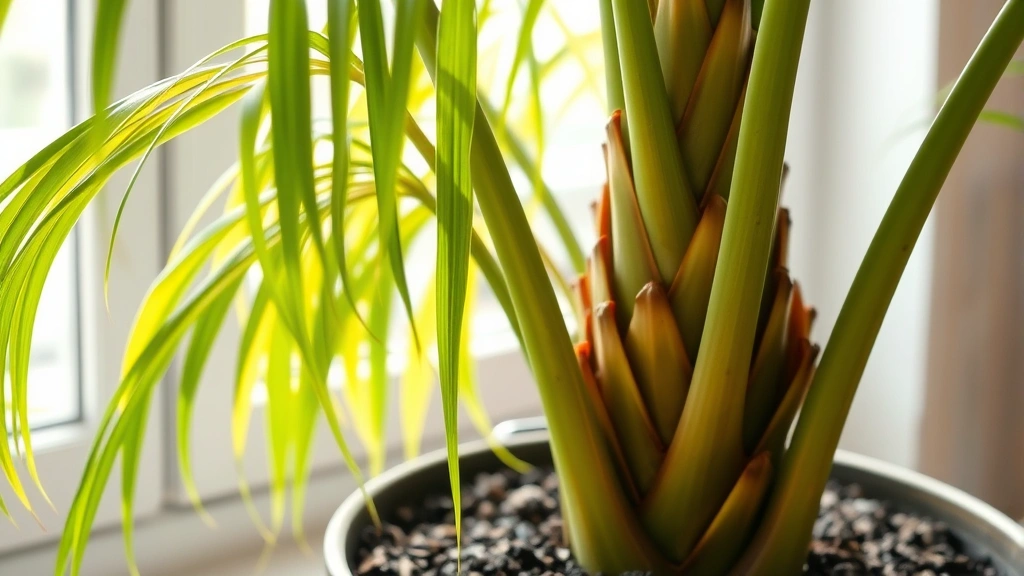
Before implementing growth strategies, understanding your plant’s fundamental nature is essential. Ponytail palms are xerophytes—plants specifically adapted to survive in drought conditions. This adaptation fundamentally shapes how they should be cultivated indoors. Their thick, bulbous trunk (called a caudex) serves as a water storage organ, allowing them to endure extended periods without irrigation. The leaves emerge from the crown in a distinctive cascade, creating their signature fountain-like appearance. This biological design means that overwatering represents the primary threat to ponytail palm health, contrary to the instincts of many plant parents accustomed to tropical species.
The plant’s growth pattern is relatively slow compared to conventional houseplants, which is actually beneficial for indoor cultivation. A healthy ponytail palm typically grows between 6 to 12 inches annually under ideal conditions. However, implementing the strategies outlined in this guide can accelerate this growth rate significantly. Understanding that ponytail palms enter a dormant period during winter months—when growth naturally slows—helps you set realistic expectations and adjust your care regimen seasonally. This dormancy isn’t a sign of poor health; rather, it’s a survival mechanism honed over millennia of evolution in Mexico’s seasonal climate.
The root system of ponytail palms is relatively shallow and fibrous, spreading horizontally rather than deeply into soil. This characteristic influences pot selection, drainage requirements, and watering frequency. Additionally, ponytail palms are remarkably long-lived plants, with specimens in cultivation often reaching 50+ years of age. This longevity means that the care you implement today establishes the foundation for decades of beauty and growth potential.
Creating Optimal Growing Conditions
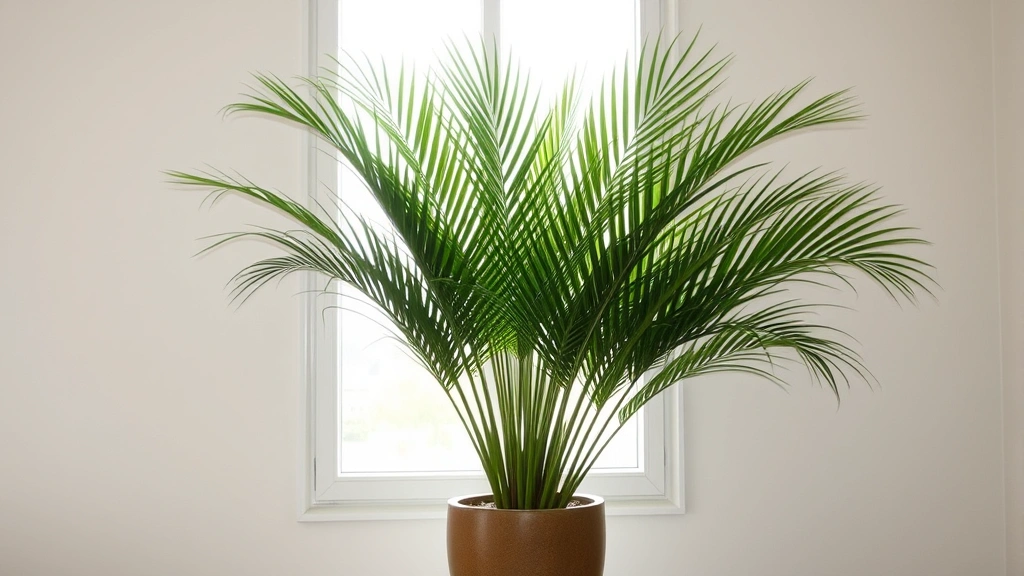
Light Requirements: Ponytail palms are heliotropic plants that thrive in bright, indirect light. Position your plant within 3 to 6 feet of a south or west-facing window for optimal photosynthesis and growth acceleration. While ponytail palms tolerate lower light conditions, they won’t achieve their growth potential in dim environments. The plant will gradually lean toward available light sources—a natural phenomenon called phototropism. Rotating your plant 90 degrees every two weeks ensures symmetrical growth and prevents one-sided development. If natural light is limited, supplementing with growth-optimizing tools like full-spectrum LED grow lights positioned 12-18 inches above the foliage can dramatically enhance performance.
Temperature and Humidity: Ponytail palms prefer temperatures between 65-75°F (18-24°C) during growing season, with cooler winter temperatures of 50-60°F (10-15°C) promoting dormancy and subsequent spring vigor. Avoid exposing plants to temperatures below 50°F, as this triggers stress responses that inhibit growth. Interestingly, moderate temperature fluctuations actually benefit ponytail palms by mimicking their natural habitat’s seasonal variations. Humidity levels should remain moderate (40-50%), as excessive humidity can promote fungal issues. Unlike tropical plants, ponytail palms don’t require misting; in fact, wet foliage increases disease susceptibility. Instead, ensure adequate air circulation through gentle fans or natural ventilation.
Soil Composition and Drainage: This factor cannot be overstated—improper soil represents the primary cause of ponytail palm failure. Standard potting soil retains too much moisture for this succulent species. Instead, create a specialized mix combining equal parts high-quality cactus/succulent soil, perlite, and coarse sand. This combination ensures rapid drainage while maintaining minimal nutrient retention. The ideal soil pH ranges from 6.0 to 7.0, slightly acidic to neutral. Amending your mix with horticultural charcoal (10% by volume) further enhances drainage and prevents anaerobic conditions that lead to root rot. Research from the Journal of Plant Nutrition confirms that drainage-optimized substrates significantly improve succulent survival rates and growth metrics.
Watering Strategy: The most critical element in ponytail palm cultivation is establishing proper watering discipline. Water thoroughly only when soil is completely dry—typically every 2-3 weeks during growing season, extending to 4-6 weeks during winter dormancy. The “soak and dry” method works best: water until it drains from pot bottom, then allow soil to dry completely before watering again. Insert your finger 2 inches into soil; if moisture is present, wait another week. This approach prevents the moisture accumulation that triggers root rot. Many experienced cultivators prefer using distilled or rainwater, as tap water minerals can accumulate in soil over time. Consider that container size influences watering frequency; smaller pots dry faster than larger ones.
Propagation Methods and Techniques
Propagating ponytail palms opens exciting possibilities for expanding your collection or sharing specimens with fellow enthusiasts. Three primary propagation methods exist, each with distinct advantages and success rates.
Seed Propagation: This method offers the most rewarding experience, though it requires patience and precision. Ponytail palm seeds remain viable for approximately 6 months when stored in cool, dry conditions. Begin by soaking seeds in room-temperature water for 24 hours to enhance germination rates. Prepare a seed-starting mix combining equal parts peat moss and perlite, maintaining consistent moisture (not waterlogged). Plant seeds ½ inch deep, cover with plastic wrap to maintain humidity, and maintain temperatures around 70°F. Germination typically occurs within 3-4 weeks, though some seeds may take 2-3 months. Once seedlings develop their first true leaf, gradually increase light exposure and reduce humidity. Seed-propagated plants develop stronger, more robust root systems than those propagated through other methods, establishing superior long-term growth potential.
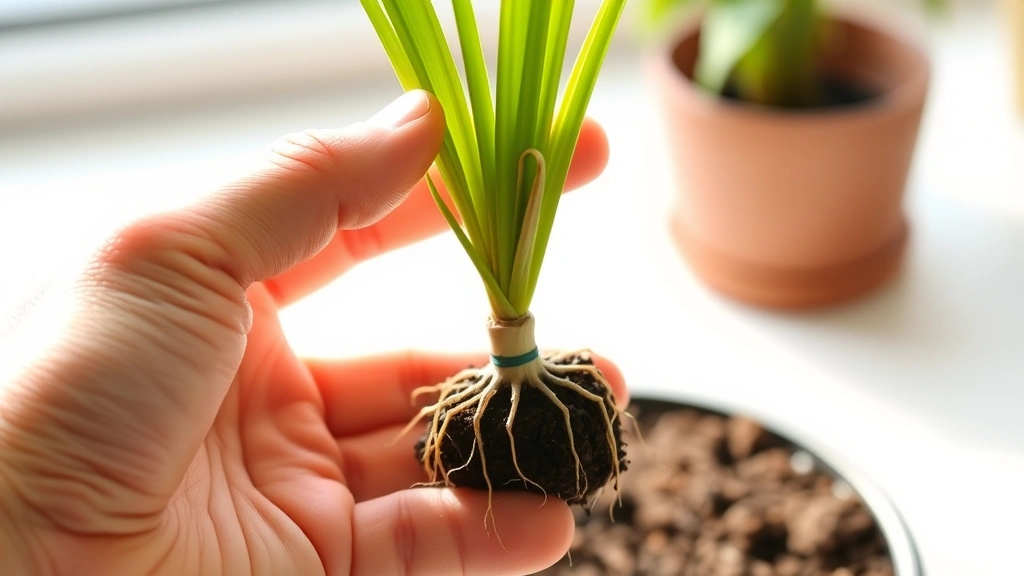
Offshoots and Pups: Mature ponytail palms occasionally produce small offset plants (pups) at the base of the main trunk. This natural propagation method is significantly faster than seed germination. Allow pups to reach 3-4 inches tall while still attached to the mother plant, ensuring they develop adequate root systems. Using a sterile, sharp knife, carefully sever the pup from the parent plant. Allow the cut surface to air-dry for 3-5 days, forming a protective callus. Plant in well-draining succulent soil, water lightly, and place in bright indirect light. Resist the urge to overwater; maintain the same drought-tolerant approach as mature plants. Rooting typically occurs within 4-6 weeks, after which growth accelerates noticeably.
Trunk Cuttings: This advanced propagation method involves removing sections of the main trunk and encouraging them to develop roots and new growth. This technique is particularly useful when rejuvenating overgrown specimens or creating multiple plants from a single specimen. Using a sterile saw, cut 2-3 inch sections of trunk, ensuring each piece contains healthy tissue. Allow cut surfaces to cure for 5-7 days in a dry location. Plant sections horizontally in succulent soil mixture, keeping them barely moist. New roots and shoots emerge from dormant buds along the cutting over 6-12 weeks. This method requires significant patience but can produce multiple plants from a single mature specimen.
Growth Acceleration Secrets
Beyond basic care, specific strategies can significantly accelerate ponytail palm growth, pushing development beyond typical rates. Understanding these techniques represents the difference between adequate and exceptional results.
Nutrient Optimization: While ponytail palms aren’t heavy feeders, strategic fertilization enhances growth substantially. During growing season (spring and summer), apply a balanced, diluted succulent fertilizer (such as 2-7-4 NPK) monthly. The lower nitrogen content prevents excessive soft growth that weakens structure. Alternatively, a slow-release fertilizer applied at the beginning of growing season provides consistent nutrition over months. Research from Scientia Horticulturae indicates that micronutrient supplementation—particularly magnesium, iron, and manganese—significantly improves growth metrics in succulent plants. Foliar feeding (light spray application to leaves) during early morning hours provides rapid nutrient absorption, though this should supplement rather than replace soil fertilization.
Seasonal Photoperiod Manipulation: Ponytail palms respond positively to extended photoperiods during growing season. If natural light is limited, extending light exposure to 14-16 hours daily using full-spectrum grow lights stimulates accelerated growth. Conversely, deliberately shortening photoperiods to 10-12 hours during winter prepares plants for dormancy, which paradoxically promotes vigorous spring growth. This technique, known as photoperiodism, triggers physiological responses that enhance subsequent growth phases.
Root Space Optimization: Contrary to common practice, slightly larger containers can accelerate growth by providing expanded root development space. However, container size should remain proportional to plant size; excessive soil volume leads to moisture retention problems. Repot in spring using a container only 1-2 inches larger in diameter than the previous pot. This balanced approach provides growth space while maintaining proper drainage dynamics. Ensure containers feature drainage holes; without them, root rot becomes inevitable regardless of other care factors.
CO₂ Enrichment: While primarily used in commercial cultivation, modest CO₂ enrichment through natural methods can enhance photosynthetic efficiency. Simply placing your plant in a location with good air circulation and occasional opening of windows provides natural CO₂ variation that supports growth. Some cultivators report success placing plants near aquariums or fermentation vessels, which naturally produce CO₂ as byproducts.
Implementing consistent motivation and goal-setting strategies in your plant care routine ensures you maintain these optimization practices over time. Developing a plant care calendar that tracks watering, fertilization, and seasonal adjustments helps maintain consistency that drives remarkable results.
Common Problems and Solutions
Root Rot: The most common ponytail palm affliction results from excessive moisture. Symptoms include softening trunk tissue, yellowing leaves, and musty odors. Address by immediately ceasing watering and improving drainage. If rot is advanced, remove the plant from soil, prune affected roots with sterile tools, and repot in fresh, dry succulent soil. Allow the plant to remain dry for 2-3 weeks before resuming careful watering.
Spider Mites and Mealybugs: These pests occasionally infest ponytail palms, particularly in dry indoor environments. Spray affected foliage with insecticidal soap or neem oil solution every 7-10 days for three applications. Isolate affected plants to prevent pest spread to other specimens. Increasing humidity slightly and improving air circulation naturally suppresses pest populations.
Leaf Yellowing: While some lower leaf yellowing is natural senescence, widespread yellowing indicates problems. Overwatering is the primary cause; adjust watering frequency and ensure soil dries completely between waterings. Nutrient deficiency, particularly nitrogen or iron, can also cause yellowing; address through balanced fertilization. Low light conditions sometimes trigger yellowing; increase light exposure gradually over several days to prevent shock.
Slow Growth: If your ponytail palm grows slower than expected, evaluate all environmental factors systematically. Insufficient light is the most common culprit; ensure placement within 3-6 feet of bright windows or supplement with grow lights. Check soil composition—if original potting soil wasn’t amended for drainage, repot immediately. Verify that winter dormancy isn’t being mistaken for stagnation; growth naturally slows during cooler months. Finally, confirm that you’re not inadvertently overwatering, which stresses roots and inhibits growth.
Setting clear goals for your plant’s development helps you identify problems early and maintain accountability for consistent care practices.
FAQ
How often should I water my ponytail palm?
Water thoroughly only when soil is completely dry, typically every 2-3 weeks during growing season and 4-6 weeks during winter. The “soak and dry” method prevents root rot while meeting hydration needs. Always check soil moisture before watering by inserting your finger 2 inches deep into the soil.
Can ponytail palms tolerate low light conditions?
While ponytail palms tolerate lower light better than many houseplants, they won’t achieve optimal growth without bright, indirect light. Position plants within 3-6 feet of south or west-facing windows, or supplement with full-spectrum LED grow lights positioned 12-18 inches above foliage for accelerated growth.
What soil mixture is best for ponytail palms?
Create a specialized mix combining equal parts high-quality cactus/succulent soil, perlite, and coarse sand. Add 10% horticultural charcoal for enhanced drainage. This composition ensures rapid water drainage while preventing the moisture accumulation that causes root rot.
How long does ponytail palm seed germination take?
Germination typically occurs within 3-4 weeks under optimal conditions (70°F temperature, consistent moisture), though some seeds may require 2-3 months. Soak seeds for 24 hours before planting to enhance germination rates and maintain humidity using plastic wrap over the seed-starting container.
Can I propagate ponytail palms from leaf cuttings?
Unlike some succulents, ponytail palm leaf cuttings rarely develop into viable plants. Focus on seed propagation, base pup removal, or trunk cuttings for reliable results. Offshoots developing at the plant’s base offer the fastest propagation method with highest success rates.
What temperature range do ponytail palms prefer?
Ponytail palms thrive in 65-75°F (18-24°C) during growing season, with cooler winter temperatures of 50-60°F (10-15°C) promoting dormancy and subsequent vigor. Avoid temperatures below 50°F, which trigger stress responses inhibiting growth.
How can I encourage my ponytail palm to produce pups?
Pup production naturally occurs in mature, healthy specimens, particularly when provided with optimal growing conditions. Ensure bright light, proper watering discipline, seasonal temperature variation, and balanced fertilization. Mature plants (3+ years old) in excellent health are most likely to produce offshoots spontaneously.
Is misting beneficial for ponytail palms?
No, misting is not recommended for ponytail palms. These drought-adapted plants prefer lower humidity (40-50%), and wet foliage increases fungal disease susceptibility. Instead, ensure adequate air circulation through gentle fans or natural ventilation to create an environment that mimics their native habitat.
Exploring the principles of personal growth and applying them to plant cultivation creates a holistic approach to improvement. Just as humans require proper conditions, consistent effort, and strategic planning to thrive, ponytail palms flourish when all elements of their care align perfectly. By implementing the propagation techniques, growth acceleration strategies, and troubleshooting solutions outlined in this comprehensive guide, you’ll unlock the extraordinary potential of these remarkable plants.
The journey toward mastering ponytail palm cultivation mirrors broader self-improvement endeavors—it requires patience, systematic approach, willingness to learn from mistakes, and consistent application of proven principles. Whether you’re propagating your first pup or optimizing growth conditions for a mature specimen, remember that every successful outcome builds expertise for future endeavors. The American Horticultural Society provides excellent additional resources for advanced cultivation techniques. Visit the Growth LifeHub Blog for additional insights on achieving excellence in all areas of life, and explore our collection of growth mindset quotes to maintain motivation throughout your cultivation journey.


