Boost Facial Hair Growth: Dermatologist Tips for a Fuller Beard
Growing a thick, healthy beard is more than just letting your razor collect dust. It’s a commitment to understanding the science behind facial hair growth and implementing evidence-based strategies that actually work. Whether you’re aiming for a distinguished full beard or simply want denser stubble, the path to success involves nutrition, skincare, lifestyle habits, and sometimes professional guidance.
Your facial hair growth journey is fundamentally connected to your overall health and personal development. Just as you’d work toward setting and achieving meaningful goals, promoting facial hair growth requires patience, consistency, and the right knowledge. This comprehensive guide reveals dermatologist-backed strategies that transform your beard from sparse to spectacular.
Understanding Facial Hair Growth Biology
Before diving into promotional strategies, you need to understand how facial hair actually grows. Your beard’s development is controlled by androgenetic sensitivity—how responsive your hair follicles are to androgens, primarily testosterone and DHT (dihydrotestosterone). This sensitivity is largely determined by genetics, which explains why some men grow thick beards while others struggle.
The hair growth cycle consists of three phases: anagen (active growth, lasting 2-6 years), catagen (transition, lasting 2-3 weeks), and telogen (resting, lasting 2-4 months). During the anagen phase, your follicles actively produce hair. The longer this phase lasts, the longer your beard can grow. Dermatologists emphasize that maximizing anagen phase duration is key to achieving your beard goals.
Hair follicles on your face contain more androgen receptors than scalp hair, making them particularly responsive to hormonal optimization. Understanding this biological foundation helps explain why certain interventions work better than others for facial hair specifically.
Optimize Your Nutrition for Beard Growth
Your beard is made of protein, so nutritional deficiencies directly impact growth quality and density. Research from the Journal of Dermatology shows that protein, iron, zinc, and B vitamins are essential for healthy hair production.
Protein intake should be prioritized—aim for 1.6-2.2 grams per kilogram of body weight daily. Protein provides amino acids your body uses to construct keratin, the structural protein in beard hair. Quality sources include lean meats, fish, eggs, legumes, and dairy products.
Zinc deficiency is particularly problematic for beard growth. This mineral regulates sebaceous gland function and supports the protein synthesis necessary for hair formation. Oysters, beef, pumpkin seeds, and chickpeas are excellent sources. Studies indicate that even mild zinc deficiency can impair hair growth cycles.
Iron and B vitamins support oxygen transport and energy production in hair follicles. B7 (biotin) specifically strengthens hair structure and increases diameter. While biotin supplements are popular, research shows food sources like eggs, almonds, and sweet potatoes are equally effective when you maintain consistent personal growth in dietary habits.
Vitamin D regulates hair follicle cycling. Low vitamin D levels correlate with poor beard growth and hair loss. Aim for 1000-2000 IU daily through sunlight exposure, fatty fish, or supplementation. Research published in Nutrients journal demonstrates vitamin D’s crucial role in maintaining active hair growth phases.
Healthy fats support hormone production and sebum generation, which protects beard hair. Include omega-3 rich foods like salmon, walnuts, and flaxseeds. These fats also reduce inflammation that can impair follicle function.
Skincare Essentials for Healthy Facial Hair
Your skin is the foundation for beard growth. Poor skin health creates an inhospitable environment for follicles. Dermatologists recommend a dedicated facial hair skincare routine distinct from general facial care.
Cleanse properly with a gentle, sulfate-free cleanser twice daily. Harsh soaps strip natural oils your beard needs. Warm water opens pores, helping cleansers penetrate effectively without stripping sebum that protects growing hair.
Exfoliate strategically 2-3 times weekly using a gentle exfoliating scrub or chemical exfoliant. This removes dead skin cells that clog follicles and impede hair emergence. Many men with patchy beards have this issue—dead skin is blocking new hair growth, not actual follicle deficiency.
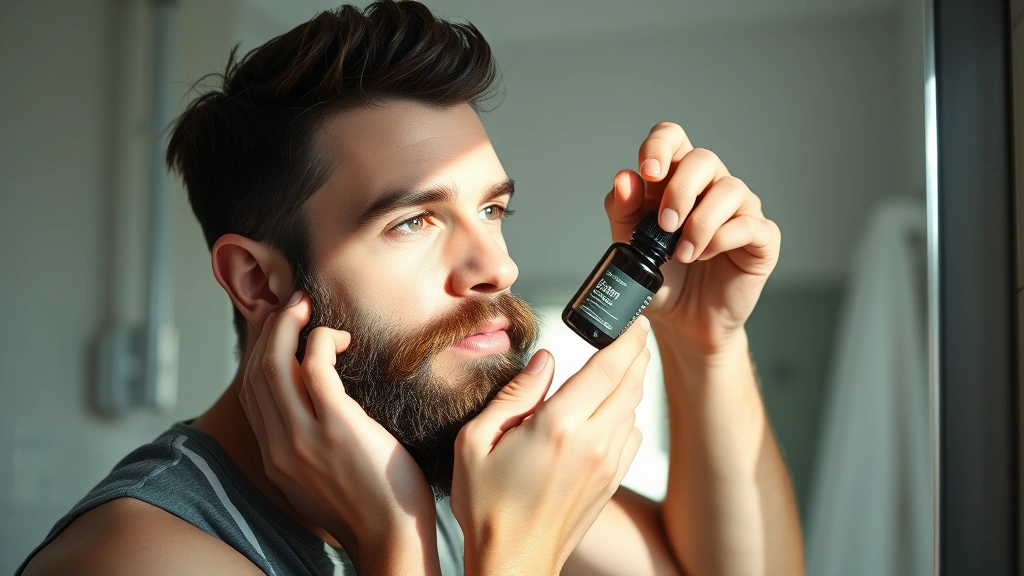
Moisturize daily with a non-comedogenic beard oil or moisturizer. Hydrated skin supports active follicles better than dry skin. Look for products containing jojoba oil, argan oil, or coconut oil. These mimic natural sebum and penetrate to the follicle level.
Use beard-specific products once hair emerges. Beard balms and oils serve dual purposes: they condition existing hair while creating an optimal environment for new growth. Products containing biotin, caffeine, or niacinamide provide additional growth support.
Avoid touching your beard excessively or applying harsh products. Your growing beard is delicate. This patience mirrors the mindset needed for other personal development pursuits—consistency beats intensity.
Lifestyle Factors That Enhance Growth
Facial hair growth doesn’t exist in isolation from your overall health. Several lifestyle factors significantly impact beard development.
Sleep quality directly affects hormone production. During deep sleep, testosterone levels rise and growth hormone peaks. Poor sleep suppresses these hormones and increases cortisol, which can trigger hair loss. Aim for 7-9 hours nightly. Sleep research shows that consistent sleep schedules optimize hormonal profiles better than sporadic long sleeps.
Stress management is crucial. Chronic stress elevates cortisol, which can push hair follicles into the telogen (resting) phase prematurely. This explains why many men notice increased facial hair shedding during stressful periods. Meditation, exercise, and motivation-building practices reduce stress and support growth.
Regular exercise boosts testosterone naturally while improving blood circulation. Better circulation delivers more nutrients and oxygen to facial hair follicles. Resistance training is particularly effective—compound movements like squats and deadlifts elevate testosterone more than cardio alone.
Limit alcohol and avoid smoking. Alcohol dehydrates skin and interferes with nutrient absorption. Smoking constricts blood vessels, reducing follicle blood supply. Both habits impair beard growth significantly.
Maintain consistent hydration. Your body prioritizes critical functions before hair growth. Dehydration means fewer resources available for follicle activity. Drink at least 2-3 liters of water daily, more if you exercise.
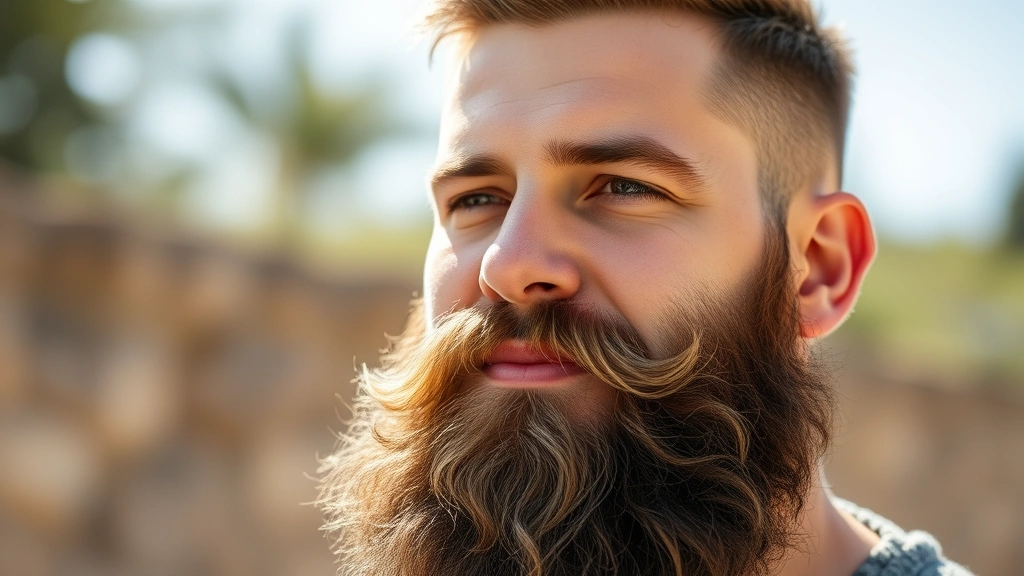
” alt=”Man with healthy full beard, natural lighting, outdoor setting, showing confidence and grooming care”/>
Proven Topical Solutions and Treatments
Minoxidil (Rogaine) is the most evidence-backed topical solution for beard growth. Originally developed for scalp hair loss, dermatologists discovered it effectively promotes facial hair growth. Minoxidil works by extending the anagen phase and increasing blood flow to follicles. Apply 1mL twice daily to clean, dry facial skin. Results typically appear after 3-4 months of consistent use. Clinical studies in the American Journal of Clinical Dermatology confirm minoxidil’s efficacy for beard growth in men with androgenetic alopecia.
Derma rolling involves using a device with fine needles (0.5-1.5mm) to create micro-injuries. This stimulates collagen production and increases growth factor expression in skin. When combined with topical solutions, derma rolling enhances absorption and effectiveness. Use 1-2 times weekly, not daily, to avoid over-irritation.
Beard growth serums containing peptides, caffeine, and botanical extracts show promise. Caffeine stimulates hair follicles directly, extending the anagen phase. Peptides signal follicles to remain active. While less proven than minoxidil, these products support overall beard health when used consistently.
Vitamin supplementation addresses nutritional gaps. Biotin supplements (2.5mg daily) strengthen hair structure. Saw palmetto may support testosterone function, though evidence is mixed. Consult dermatologists before starting supplements, especially if you take other medications.
Prescription options exist for severe cases. Finasteride (Propecia) blocks DHT conversion, though it’s primarily for scalp hair. Some dermatologists prescribe it off-label for beard growth, but side effects warrant careful consideration. Always work with medical professionals for prescription treatments.
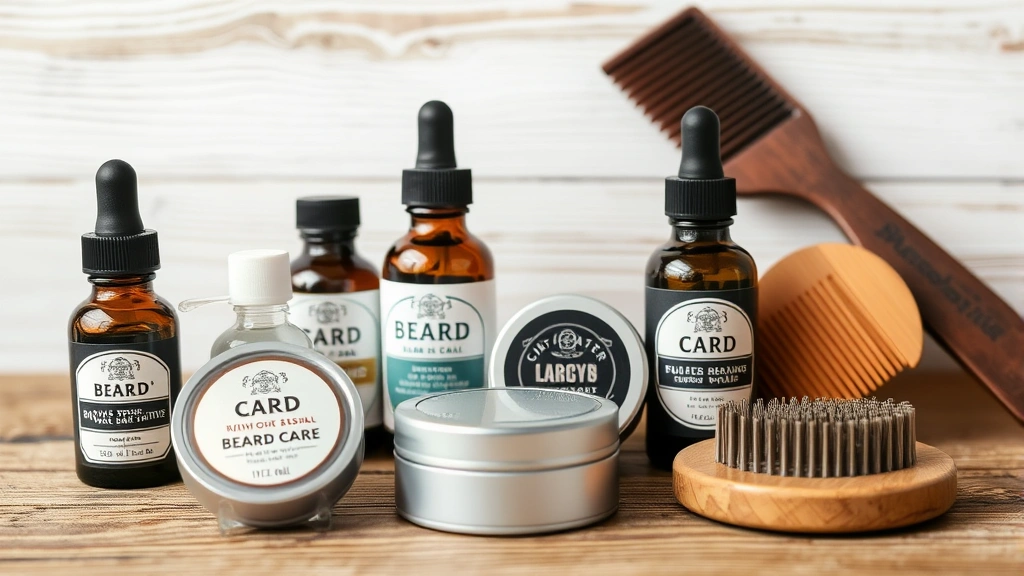
” alt=”Close-up of beard grooming products and tools arranged neatly, natural materials visible, professional presentation”/>
Common Mistakes to Avoid
Giving up too early is the primary reason men fail to grow impressive beards. Hair growth takes time. The anagen phase lasts 2-6 years, and you won’t see significant results for 3-6 months minimum. Patience is essential—treat this like developing a growth mindset that embraces long-term progress.
Ignoring genetics is another mistake. If your father struggled with beard growth, you likely will too. However, genetics determine potential, not destiny. Optimizing nutrition and lifestyle can push you toward your genetic ceiling, even if you won’t grow a lumberjack beard.
Over-trimming slows apparent growth. Many men trim too frequently, cutting off growth before it becomes visible. Trim every 6-8 weeks minimally, and only shape rather than reduce length significantly during growth phases.
Using harsh products damages developing beard hair. Avoid products with sulfates, alcohols, or heavy silicones. These dry out hair and irritate skin, creating an hostile environment for growth.
Neglecting underlying health undermines all external efforts. You can’t out-product your way to great beard growth if you sleep poorly, eat inadequately, or experience chronic stress. Address foundational health first.
Inconsistent routines prevent results. Beard growth requires consistent skincare, nutrition, and lifestyle habits. Sporadic efforts yield sporadic results. Develop sustainable routines you’ll maintain for months.
Frequently Asked Questions
How long does it take to grow a full beard?
Most men can grow a visibly fuller beard in 3-4 months with proper care. A truly impressive full beard typically requires 6-12 months of growth. The timeline depends on your genetics, current health status, and how well you implement growth strategies. Patience combined with consistent effort yields the best results.
Can I grow a beard if I’m genetically predisposed to patchy facial hair?
Yes, often. Many men with naturally patchy beards have dormant follicles that can be activated through proper nutrition, skincare, and topical treatments like minoxidil. Dermatologists report that 60-70% of men with patchy beards see significant improvement through comprehensive approaches. Genetics set limits but rarely eliminate all options.
Does shaving make beards grow thicker?
No. This is a persistent myth. Shaving cuts hair at the blunt edge, making it appear thicker temporarily, but doesn’t affect growth rate or thickness at the follicle level. Avoid frequent shaving during growth phases—let hair grow uninterrupted for at least 4-6 weeks before initial shaping.
Are beard growth supplements worth taking?
Targeted supplements addressing specific deficiencies help significantly. Biotin, zinc, and vitamin D supplementation show evidence of supporting growth when deficiencies exist. However, supplements aren’t magic—they support a foundation of good nutrition and lifestyle habits. Get bloodwork done to identify actual deficiencies before supplementing.
How often should I wash my beard?
2-3 times weekly with dedicated beard cleanser, plus daily rinses with water. Over-washing strips natural oils your beard needs. Under-washing allows buildup that impedes new hair emergence. Find your personal balance—factors like climate, activity level, and skin type influence optimal frequency.
What’s the connection between beard growth and overall personal development?
Growing a beard teaches valuable lessons applicable to broader personal growth journeys. It requires patience, consistency, attention to foundational health, resistance to quick fixes, and long-term thinking. These same principles apply to career development, fitness improvements, and skill acquisition. Many men find that the discipline required for beard growth strengthens their approach to other life areas.
Can women use these strategies to promote facial hair growth?
Most strategies are applicable, but hormonal factors differ significantly for women. Nutrition, skincare, and lifestyle optimization benefit everyone. However, topical minoxidil and hormonal treatments carry different considerations for women. Women interested in facial hair growth should consult dermatologists about safe, appropriate options specific to female physiology.
Growing a fuller, healthier beard is achievable through evidence-based strategies combining genetics, nutrition, skincare, and lifestyle optimization. While results require patience and consistency, the transformation possible through dermatologist-recommended approaches is remarkable. Start today with improved nutrition and skincare—you’ll notice improvements within weeks and significant results within months. Your beard journey is worth the investment.


