Hair Growth Phases: Dermatologist Explains the Science Behind Your Hair Cycle
Your hair is constantly growing, shedding, and regenerating in a carefully orchestrated biological process that most people never think about until they notice thinning or excessive hair loss. Understanding the hair growth phases is essential for anyone looking to maintain healthy hair, prevent premature hair loss, or simply appreciate the remarkable science happening on your scalp. This comprehensive guide breaks down the complete hair cycle, explaining what dermatologists know about how your body grows and manages hair throughout your lifetime.
The journey of a single hair strand involves distinct phases, each with its own biological purpose and timeline. From the moment a hair begins growing beneath your skin to the day it falls out, your body follows a precise schedule that affects not only your appearance but also your overall health. By understanding these phases, you gain insight into why certain treatments work, when to expect hair loss, and how to optimize conditions for healthier hair growth. Let’s explore what dermatologists reveal about this fascinating biological process.
The Anagen Phase: Active Hair Growth
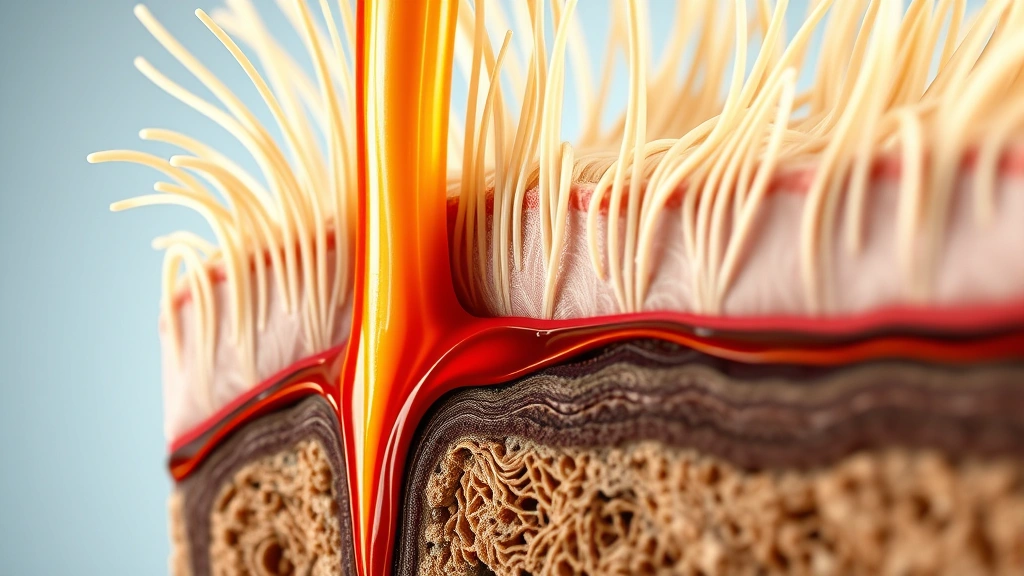
The anagen phase is when your hair is actively growing, and it’s the longest stage of the hair cycle, lasting anywhere from two to seven years for scalp hair. During this phase, cells in the hair follicle’s root (called the hair bulb) divide rapidly, pushing the hair shaft upward through the skin. This is the most productive stage, where your hair gains length and strength. Dermatologists note that approximately 85-90% of the hair on your head is in the anagen phase at any given time, which explains why most people maintain a full head of hair despite constant shedding.
The duration of your anagen phase is largely determined by genetics, which is why some people can grow hair to their waist while others struggle to grow it past their shoulders. During this phase, the hair follicle is firmly anchored, and the hair receives continuous nourishment from blood vessels surrounding the follicle. The papilla, a small structure at the base of the follicle, supplies nutrients and oxygen necessary for sustained growth. This is also the phase where your personal growth journey in hair care truly begins—establishing healthy habits now pays dividends for months to come.
Interestingly, the length of your anagen phase affects your maximum hair length potential. If your anagen phase lasts only three years, your hair can only grow about 18 inches before transitioning to the next phase. This explains why maintaining hair health during this critical phase through proper nutrition, stress management, and scalp care is crucial for achieving your hair growth goals.
The Catagen Phase: Transition Period
Once your hair completes its growth phase, it enters the catagen phase, a brief transitional period lasting approximately two to three weeks. During this phase, hair growth stops, and the follicle begins to shrink. The hair bulb separates from the papilla, cutting off the blood supply that was nourishing the growing hair. This is a critical turning point in the hair cycle where your body essentially signals that this particular hair strand has completed its growth cycle.
During catagen, the follicle shrinks to about one-sixth of its original size, and the hair is pushed upward in the follicle. Dermatologists describe this as a “club hair” stage because the base of the hair becomes club-shaped as it hardens and loses its connection to living tissue. While only about 1-3% of scalp hair is in this phase at any time, understanding this transition helps explain why hair doesn’t simply grow indefinitely.
This phase is often overlooked but represents an important biological checkpoint. Your body is essentially preparing for the next stage of the cycle, similar to how you might prepare for new goal setting and achievement by reflecting on completed projects. The catagen phase demonstrates your body’s wisdom in managing resources efficiently.

The Telogen Phase: Resting Period
The telogen phase is the resting stage of the hair cycle, lasting approximately three to four months. During this phase, the hair is no longer growing, and the follicle remains dormant. The hair, now fully formed and no longer connected to the living tissue, simply sits in the follicle waiting to be shed. About 10-15% of your scalp hair is in the telogen phase at any given time, which means you typically have several hundred telogen hairs on your head at once.
One of the most important things dermatologists want people to understand is that telogen hair shedding is completely normal and necessary. The telogen phase isn’t a sign of problems; it’s a sign of a healthy, cycling system. However, certain stressors can push excessive amounts of hair into the telogen phase prematurely, a condition called telogen effluvium. This can occur after physical trauma, emotional stress, nutritional deficiencies, or hormonal changes.
The telogen phase represents a natural pause in the growth cycle. Much like how building a growth mindset requires periods of reflection and consolidation, your hair cycle requires this resting phase to maintain long-term health. During telogen, your follicle is preparing for the next anagen phase, storing resources and preparing to generate new hair.
The Exogen Phase: Hair Shedding
The exogen phase, sometimes considered part of telogen, is when your hair actually falls out. This phase typically lasts a few weeks to a few months and represents the natural conclusion of the hair cycle. During exogen, the hair shaft is completely separated from the follicle, and any physical disturbance—brushing, washing, or simply touching your hair—can cause it to shed. This is why you notice more hair in your brush or shower drain during certain times of year.
Dermatologists emphasize that shedding 50-100 hairs per day is completely normal for most people. Since you have approximately 100,000 hair follicles on your scalp, and each hair spends about 85% of its time in the anagen phase, this amount of daily shedding is expected. However, shedding more than 100-150 hairs daily for an extended period may warrant consultation with a dermatologist, as it could indicate a problem with the hair growth cycle itself.
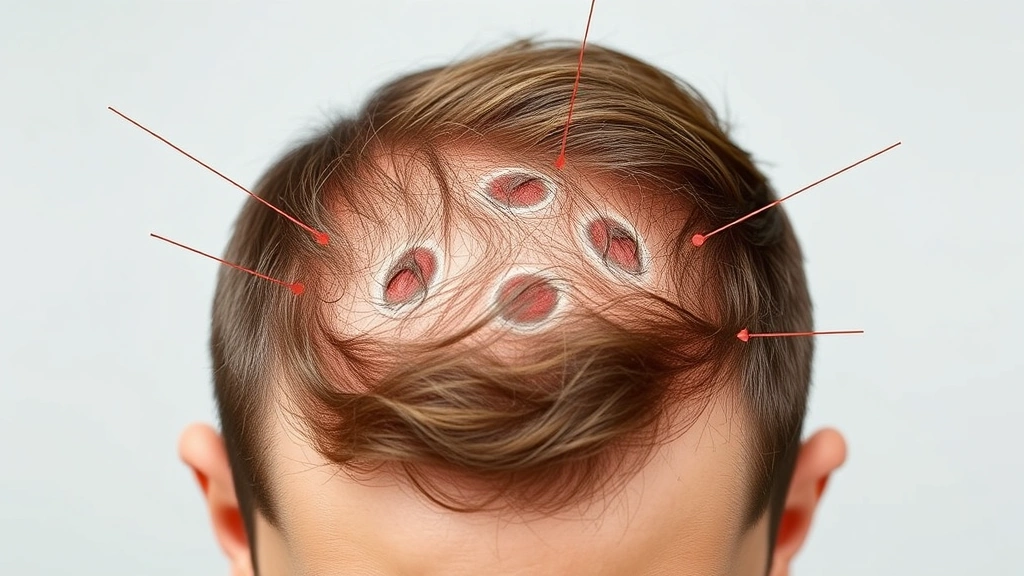
The exogen phase is also when new hair begins growing from the same follicle. As the old hair sheds, a new hair in early anagen is already developing in the follicle below. This overlapping system ensures continuous hair coverage and explains why you don’t go bald simply because hair is constantly cycling through these phases. This continuous renewal process mirrors the importance of increasing motivation for personal projects—you must consistently restart growth cycles to maintain momentum.
Factors Affecting Hair Growth Cycles
Multiple factors influence how your hair progresses through these growth phases, and understanding them is crucial for optimizing hair health. Genetics is the primary determinant of your hair growth cycle length, hair thickness, and overall hair characteristics. If your parents had thick, fast-growing hair, you likely inherited genes that support longer anagen phases and thicker hair shafts. Conversely, if your family has a history of early hair loss, your genetic predisposition may include shorter anagen phases.
Age significantly impacts hair growth cycles. As you age, your anagen phase tends to shorten, and more hair enters the telogen phase. This is why hair naturally becomes thinner and grows more slowly with age. Additionally, the percentage of gray hair increases because melanin production in hair follicles decreases over time. Dermatologists note that this is a natural process, though various treatments can help manage age-related hair changes.
Hormones play a critical role in regulating hair growth cycles. Androgens, particularly DHT (dihydrotestosterone), can shorten the anagen phase in genetically predisposed individuals, leading to male or female pattern baldness. Thyroid hormones, estrogen, and insulin also influence hair cycling. This is why hormonal changes during puberty, pregnancy, menopause, and thyroid disorders can dramatically affect hair growth patterns.
Nutrition is essential for healthy hair growth. Hair follicles require protein, iron, zinc, biotin, vitamin D, and other nutrients to function optimally. Deficiencies in any of these nutrients can shorten the anagen phase or push hair prematurely into telogen. This is why maintaining proper nutrition is as important as navigating your growth through proper self-care strategies.
Stress can disrupt normal hair cycling, potentially causing telogen effluvium where excessive amounts of hair enter the telogen phase simultaneously. Both physical stress (illness, surgery, extreme weight loss) and psychological stress (anxiety, depression, major life events) can trigger this response. Dermatologists recommend stress management techniques as part of comprehensive hair health strategies.
Scalp health directly impacts hair growth cycles. Conditions like seborrheic dermatitis, psoriasis, or fungal infections can disrupt follicle function and shorten the anagen phase. Maintaining a clean, healthy scalp through appropriate cleansing and treatment of any conditions supports optimal hair cycling.
Optimizing Your Hair Growth
Understanding hair growth phases empowers you to make informed decisions about hair care. First, recognize that you cannot extend your anagen phase through topical treatments alone—this is determined primarily by genetics. However, you can optimize conditions to allow your hair to reach its genetic potential.
Nutritional optimization is foundational. Ensure adequate protein intake, as hair is primarily composed of keratin, a protein. Include iron-rich foods (red meat, spinach, legumes), zinc sources (oysters, beef, pumpkin seeds), and biotin-containing foods (eggs, almonds, salmon). Consider supplementation only if blood work indicates deficiency, and consult healthcare providers before starting supplements.
Stress management supports healthy hair cycling by preventing excessive telogen effluvium. Practices like meditation, exercise, adequate sleep, and therapy can help manage both acute and chronic stress. Remember that building sustainable growth habits requires attention to mental and emotional health, not just physical practices.
Scalp care maintains follicle health. Use appropriate shampoos for your scalp type, avoid excessive heat styling, and minimize chemical treatments that can damage hair. Gentle handling during the telogen phase—when hair is more fragile—prevents unnecessary breakage.
Medical interventions can help in specific cases. Minoxidil (Rogaine) can lengthen the anagen phase and is effective for some types of hair loss. Finasteride (Propecia) reduces DHT sensitivity in genetically predisposed individuals. Platelet-rich plasma (PRP) therapy shows promise in some studies. Consult dermatologists about which interventions suit your specific situation.
Realistic expectations are crucial. If your anagen phase is three years long, you cannot grow hair longer than about 18 inches regardless of treatments. Understanding your genetic potential allows you to set achievable goals, much like how effective goal setting requires understanding your actual capabilities and constraints.
FAQ
How many hair growth phases are there?
There are typically four recognized phases: anagen (growth), catagen (transition), telogen (resting), and exogen (shedding). Some dermatologists combine catagen and telogen or exogen and telogen, but the four-phase model is most comprehensive.
How long does the complete hair cycle take?
The complete cycle typically takes two to seven years, with the anagen phase accounting for most of this time. The catagen phase lasts 2-3 weeks, telogen lasts 3-4 months, and exogen lasts a few weeks to months. Individual variation is significant.
Can you speed up hair growth?
You cannot fundamentally speed up the growth rate of individual hairs, as this is genetically determined. However, you can optimize conditions so hair grows at its maximum genetic rate by ensuring proper nutrition, managing stress, and maintaining scalp health.
Is hair loss during telogen normal?
Yes, absolutely. Shedding 50-100 hairs daily is normal and expected during the telogen and exogen phases. This is not hair loss in the pathological sense; it’s normal hair cycling. Persistent shedding above 100-150 hairs daily warrants dermatological evaluation.
What causes premature entry into telogen?
Telogen effluvium—premature entry into the resting phase—can be caused by severe stress (physical or emotional), nutritional deficiencies, hormonal changes, certain medications, or systemic illness. Most cases resolve within 3-6 months once the triggering factor is addressed.
Does age affect hair growth phases?
Yes, significantly. As you age, the anagen phase shortens, meaning hair grows for less time before shedding. Additionally, more follicles remain in the telogen phase, resulting in thinner hair overall. This is a normal part of aging but can be managed through proper hair care and, when appropriate, medical interventions.
Can diet really affect hair growth?
Yes. Hair follicles require specific nutrients to function optimally. Deficiencies in protein, iron, zinc, biotin, vitamin D, and other nutrients can shorten the anagen phase or trigger telogen effluvium. Maintaining balanced nutrition directly supports healthy hair cycling.
How does stress affect hair cycles?
Severe stress can trigger telogen effluvium, pushing excessive amounts of hair into the resting phase prematurely. This typically occurs 2-3 months after the stressful event and usually resolves within several months. Chronic stress may also shorten the anagen phase over time.


