DIY Hair Growth Oil: Proven Recipe & Tips for Stronger, Healthier Hair
Taking control of your hair health doesn’t require expensive salon treatments or chemical-laden products. Creating your own DIY hair growth oil is a transformative act of self-care that empowers you to understand exactly what you’re applying to your scalp and strands. Just as building a personal growth journey requires intentionality and the right tools, nurturing your hair demands consistency, knowledge, and dedication to proven methods.
Hair loss and thinning affect millions worldwide, yet many don’t realize that nature provides powerful botanical solutions. This comprehensive guide walks you through creating an effective hair growth oil using scientifically-backed ingredients, application techniques that maximize results, and lifestyle factors that support follicle health from within.
Why DIY Hair Growth Oil Works Better Than Store-Bought
Commercial hair growth products often contain preservatives, silicones, and synthetic fragrances that can actually impede follicle function. When you create your own DIY hair growth oil, you eliminate unnecessary additives and control ingredient potency. Fresh, high-quality oils retain their bioactive compounds—phytosterols, antioxidants, and fatty acids—that stimulate scalp circulation and nourish hair roots.
The empowerment factor matters too. Similar to how setting meaningful goals effectively requires personal investment, taking charge of your hair care routine builds accountability and consistency. You’re not passively consuming a product; you’re actively participating in your transformation.
Additionally, homemade formulations cost significantly less than professional treatments while delivering comparable or superior results. A single batch of quality DIY hair growth oil costs $15-25 and lasts 2-3 months, whereas salon treatments easily exceed $100 per session.

The Science Behind Hair Growth
Understanding how hair grows helps you appreciate why specific ingredients matter. Hair growth occurs in three phases: anagen (active growth lasting 2-7 years), catagen (transition phase), and telogen (resting phase before shedding). Premature entry into telogen phase causes hair loss, often triggered by inflammation, poor circulation, nutritional deficiencies, or oxidative stress.
Research from the American Academy of Dermatology confirms that certain plant-based oils improve scalp microenvironment by reducing inflammation and enhancing blood flow to follicles. This increased circulation delivers oxygen and nutrients directly to hair roots, extending the anagen phase and promoting thicker growth.
Sebum production also plays a crucial role. Your scalp naturally produces sebum to protect and moisturize hair, but excess buildup blocks follicles while deficiency leaves hair brittle. Balanced oil application restores this equilibrium without disrupting natural sebum production.
Proven Recipe for DIY Hair Growth Oil
Base Oils (Choose 2-3, total 3 cups):
- Coconut oil (1 cup) – antimicrobial, penetrates hair shaft
- Castor oil (1 cup) – ricinoleic acid stimulates blood flow
- Jojoba oil (1 cup) – mimics scalp sebum, absorbs easily
Essential Oils (15-20 drops total, diluted):
- Rosemary essential oil (8 drops) – proven to stimulate growth
- Peppermint essential oil (5 drops) – increases circulation
- Lavender essential oil (4 drops) – reduces stress-related hair loss
Botanical Additions (Optional but Recommended):
- Dried hibiscus flowers (2 tablespoons) – rich in amino acids
- Fenugreek seeds (1 tablespoon) – promotes thickness
- Curry leaves (1 tablespoon) – strengthens hair roots
Preparation Instructions:
- Combine base oils in a glass jar with dried botanicals
- Place jar in warm water bath (not boiling) for 30 minutes
- Remove from heat and let cool to room temperature
- Add essential oils drop by drop, stirring well
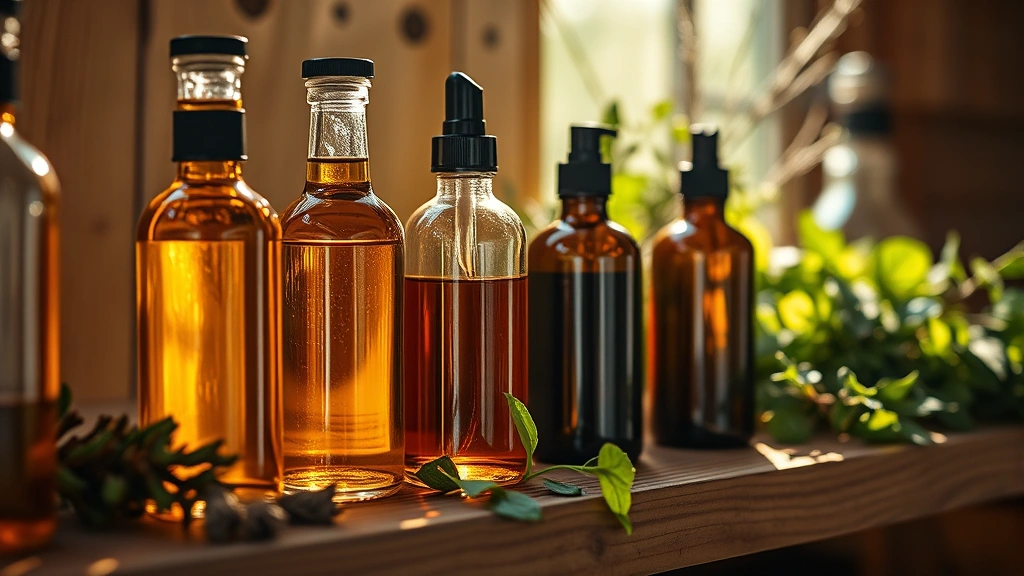
- Strain through cheesecloth into dark glass bottles
- Store in cool, dark place for up to 6 months
Key Ingredients Explained
Castor Oil: The star ingredient in any hair growth formula. A PubMed study demonstrated that ricinoleic acid in castor oil increases prostaglandin E2 production, directly stimulating hair follicle growth. Users typically see results within 8-12 weeks of consistent application.
Rosemary Essential Oil: Comparable to minoxidil in effectiveness for certain hair loss types, according to clinical research. It works by improving cellular metabolism in hair follicles and enhancing scalp circulation without side effects.
Peppermint Oil: Increases blood flow to the scalp by up to 40% when applied topically. This improved circulation means hair follicles receive more oxygen and nutrients, extending growth phases and reducing premature shedding.
Jojoba Oil: Structurally similar to scalp sebum, making it ideal for all hair types. It doesn’t clog pores, penetrates deeply, and provides vitamin E and B-complex vitamins that strengthen hair from root to tip.
Coconut Oil: Contains lauric acid with antimicrobial properties, preventing scalp infections that interrupt growth cycles. It also reduces protein loss from hair shafts, maintaining structural integrity.
Step-by-Step Application Guide
Frequency: Apply DIY hair growth oil 2-3 times weekly for optimal results. Consistency matters more than intensity—regular application builds momentum and visible improvements.
Preparation:
- Warm oil to body temperature (not hot) using water bath
- Section hair into 4-6 parts using clips
- Apply oil directly to scalp, not just hair ends
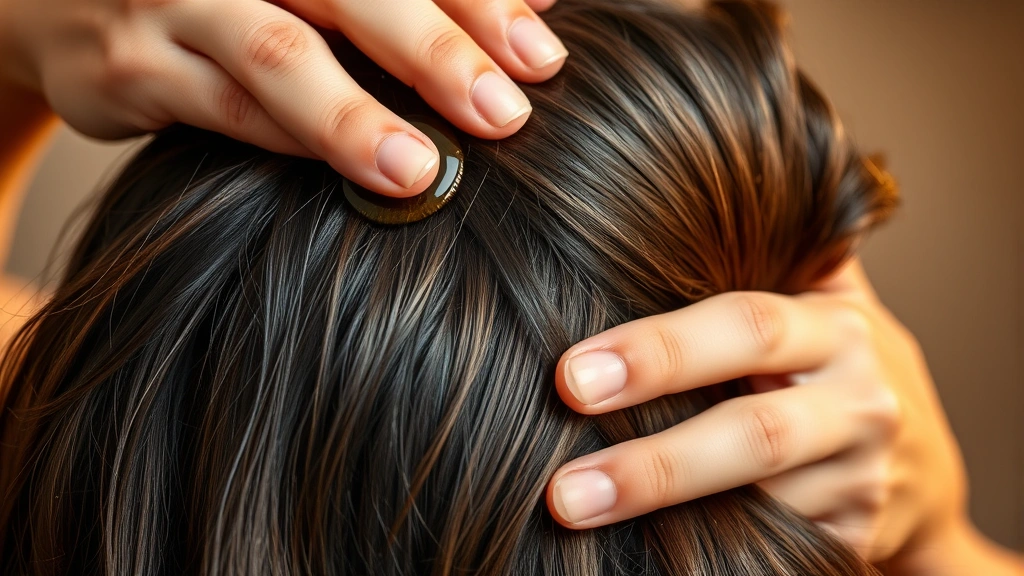
- Use fingertips to massage oil into scalp with circular motions for 5 minutes
- Work oil through lengths and ends gently
Optimal Timing: Evening applications work best, allowing oils to penetrate overnight. If applying before bed, wear a shower cap to protect pillows and enhance absorption through increased heat.
Duration: Leave oil on scalp minimum 4 hours, ideally overnight. Longer contact time increases bioactive compound absorption and follicle stimulation. Morning shampooing removes excess oil without stripping natural sebum completely.
Shampooing: Use sulfate-free shampoo, massaging scalp gently for 2-3 minutes. Sulfates strip protective oils, counteracting your growth oil benefits. Consider co-washing (conditioning only) on non-oil application days.
Expected Results and Timeline
Hair growth is a marathon, not a sprint. Adopting the growth mindset means understanding that visible changes require patience and persistence. Here’s what to expect:
Weeks 1-4: Your scalp begins rebalancing. You may notice reduced itching, less flaking, and improved texture. Hair may feel slightly greasier initially as natural sebum production stabilizes—this is healthy.
Weeks 5-8: Existing hair strengthens noticeably. Breakage decreases, and hair appears shinier. New growth isn’t visible yet, but follicles are actively regenerating.
Weeks 9-16: New hair growth becomes apparent, typically 0.5 inches visible. Hair feels thicker overall, and shedding during washing decreases significantly.
Months 4-6: Substantial improvements emerge. Hair appears visibly fuller, with 1-2 inches of new growth. Texture improves, and natural shine increases dramatically.
These timelines vary based on age, genetics, overall health, and application consistency. Younger individuals typically see faster results, while those over 50 may require 5-6 months for noticeable changes.
Complementary Habits for Hair Health
While DIY hair growth oil provides external nourishment, internal factors determine ultimate success. Much like increasing motivation requires holistic lifestyle changes, hair growth demands comprehensive attention to nutrition, stress, and sleep.
Nutritional Foundation: Hair is made of protein, so ensure adequate intake (1.6-2.2 grams per kilogram body weight daily). Include biotin-rich foods: eggs, almonds, sweet potatoes, and spinach. Iron deficiency directly causes hair loss; red meat, legumes, and fortified cereals support iron levels. Zinc, selenium, and vitamins A, C, D, and E all support follicle function.
Hydration: Dehydration impairs nutrient transport to follicles. Aim for half your body weight in ounces of water daily. Proper hydration improves scalp moisture and hair elasticity.
Stress Management: Cortisol elevation triggers telogen effluvium (stress-related shedding). Meditation, yoga, exercise, and adequate sleep all reduce stress hormones. Even 10 minutes daily of deep breathing significantly impacts hair health.
Sleep Quality: Hair growth accelerates during sleep when growth hormone peaks. Aim for 7-9 hours nightly, maintaining consistent sleep schedules. Poor sleep disrupts hormone balance and impairs nutrient absorption.
Exercise: Regular physical activity increases blood flow throughout your body, including scalp circulation. 30 minutes moderate exercise 5 days weekly optimizes hair growth conditions.
Scalp Massage: Beyond oil application, dedicated scalp massage increases blood flow. Spend 5 minutes daily massaging your scalp with fingertips using firm circular motions. This costs nothing yet delivers measurable benefits.
Explore the Growth Lift Hub Blog for additional resources on holistic wellness that supports hair health and overall vitality. Personal growth extends beyond mindset to encompassing physical wellness and self-care practices.
Reading best books for self growth often includes sections on health optimization and body care that complement hair growth efforts. Understanding the mind-body connection enhances commitment to consistent practices.
FAQ
How long does DIY hair growth oil last?
Properly stored in dark glass bottles in a cool location, your DIY hair growth oil remains potent for 5-6 months. Essential oils degrade with light and heat exposure, so storage matters significantly. Discard if you notice rancid smell or separation.
Can I use this oil if I have oily scalp?
Yes, but adjust frequency to once weekly and use lighter oils like jojoba and argan oil as base, reducing castor oil percentage. Apply primarily to scalp rather than hair lengths. The oil rebalances sebum production over time.
Will this oil stain my pillowcase?
Potentially, yes. Wear a shower cap overnight or use an old pillowcase you don’t mind staining. Alternatively, apply oil in evening, leave 2-3 hours, then shampoo before bed.
Is this safe for color-treated hair?
Absolutely. This oil actually protects color-treated hair by maintaining moisture and reducing breakage. Apply carefully to avoid contact with newly colored roots for 48 hours post-coloring.
Can men use this hair growth oil?
Yes, it works equally well for male pattern baldness and general hair thinning. Men may prefer less frequent application (once weekly) to manage appearance if they have shorter hair.
What if I’m allergic to coconut oil?
Substitute with avocado oil or argan oil. Both provide similar benefits and work well in this formula. Test on small scalp area first to ensure no adverse reactions.
Do I need all the essential oils listed?
No, but rosemary and peppermint are most important for growth stimulation. Lavender adds stress-reduction benefits. Start with these two, then experiment with others based on preference and results.
Can I take this internally?
No, essential oils should never be ingested without professional guidance. This formula is exclusively for topical scalp application. Ingesting essential oils can cause serious health complications.


