Boost Beard Growth: Dermaroller Expert Tips for Optimal Results
Growing a thick, healthy beard requires more than just patience—it demands a strategic approach combining science-backed techniques with consistent care. A dermaroller for beard growth has emerged as one of the most effective tools in the modern grooming arsenal, offering results that rival expensive treatments at a fraction of the cost. Whether you’re struggling with patchy facial hair or simply want to accelerate your beard’s natural growth cycle, understanding how to properly use a dermaroller can transform your results dramatically.
The science behind dermarolling for beard growth lies in stimulating your skin’s natural healing response. When you roll micro-needles across your facial skin, you create controlled micro-injuries that trigger increased blood flow, collagen production, and cellular regeneration. This process, known as microneedling, has been extensively studied in dermatological research and proven to enhance hair follicle health and growth rates. Combined with proper nutrition, skincare, and patience, a dermaroller becomes an indispensable tool in your beard-growing journey.
Understanding Dermaroller Technology
A dermaroller is a handheld device featuring hundreds of tiny medical-grade stainless steel needles arranged in a rotating cylinder. When rolled across your skin, these needles penetrate the epidermis at precise depths, creating micro-channels that stimulate your body’s wound-healing cascade. This isn’t damage in the harmful sense—it’s controlled, therapeutic stimulation that activates your skin’s regenerative powers.
The technology works by triggering several physiological responses simultaneously. First, microneedling increases blood flow to the treatment area, delivering more oxygen and nutrients to dormant hair follicles. Second, it stimulates fibroblasts—the cells responsible for collagen and elastin production—which strengthen the hair follicle structure. Third, it enhances the skin’s ability to absorb topical treatments, making serums and oils significantly more effective. This is why combining a dermaroller with quality hair growth products produces superior results compared to either method alone.
Research published in the Journal of Cutaneous and Aesthetic Surgery demonstrates that microneedling increases growth factor production by up to 400%, directly supporting hair follicle activation and proliferation. This scientific foundation explains why dermatologists increasingly recommend dermarolling as a legitimate therapeutic approach for hair growth concerns.
Choosing the Right Needle Size
One of the most critical decisions in your dermaroller journey is selecting the appropriate needle length. Needle sizes are measured in millimeters, and different lengths serve different purposes. Understanding these distinctions prevents ineffective treatment and unnecessary irritation.
- 0.25mm needles: Ideal for beginners and sensitive skin. These create shallow micro-channels that enhance product absorption without causing visible irritation. Use these 2-3 times weekly.
- 0.5mm needles: The sweet spot for most beard growers. They penetrate deeply enough to stimulate significant collagen production while remaining safe for regular home use. Recommended 1-2 times weekly.
- 0.75mm needles: Advanced users only. These create deeper channels suitable for established beard growth protocols but require longer recovery periods between sessions.
- 1.0mm+ needles: Professional-grade equipment requiring clinical settings. Not recommended for home beard growth maintenance.
For most people beginning a personal growth journey with dermarolling, a 0.5mm dermaroller represents the optimal balance between efficacy and safety. This size delivers impressive results without the extended downtime or irritation associated with larger needles.
Preparation and Safety Protocol
Proper preparation dramatically improves results while minimizing adverse reactions. Begin by thoroughly cleansing your face with a gentle, non-irritating cleanser. Remove all dirt, oil, and product residue. Pat your skin completely dry—rolling over wet skin increases bacterial transfer and reduces needle effectiveness.
Before your first dermaroller session, perform a patch test on a small, inconspicuous area of your beard region. Apply the dermaroller for just 30 seconds and monitor for excessive redness or irritation over the next 24 hours. This simple step prevents unexpected reactions to the treatment.
Sterilization is non-negotiable. Soak your dermaroller in 70% isopropyl alcohol for 15-20 minutes before each use. Store it in a clean, dry container. Never share your dermaroller with others, and replace it every 3-6 months as needles gradually dull with repeated use. A dull dermaroller is ineffective and can cause uncomfortable tugging rather than clean penetration.
Consider your skin type when planning your schedule. Sensitive skin may require starting with 0.25mm needles and using them only once weekly. Normal skin tolerates 0.5mm needles 1-2 times weekly. Resilient skin may handle 0.5mm needles twice weekly. Never exceed twice-weekly sessions, as this prevents adequate skin recovery and increases irritation risk.
Step-by-Step Application Guide
Executing the dermaroll technique correctly is essential for maximizing beard growth results. Follow this systematic approach:
- Start with clean, dry skin: Cleanse your face thoroughly and wait 10-15 minutes for complete dryness. Moisture interferes with needle penetration consistency.
- Apply gentle pressure: Hold the dermaroller at a 90-degree angle to your skin. Unlike facial dermarolling where you move in multiple directions, beard area rolling should follow the direction of hair growth. Use light to medium pressure—you should feel mild resistance, not pain.
- Roll in vertical motions: Make 8-10 passes vertically along your cheek area, following beard growth direction. Avoid rolling horizontally or diagonally, as this can damage hair follicles.
- Cover the chin: Roll 6-8 passes vertically across your chin area. This region often has the most robust follicles but responds well to consistent treatment.
- Address the neck line: Don’t neglect the neck and jaw line where beard density often needs improvement. Use 5-6 passes in these areas.
- Complete one session in 5-10 minutes: Your entire beard growth dermaroll session should take approximately 10 minutes maximum. Longer sessions don’t improve results and increase irritation risk.
- Never roll over active acne or open wounds: These areas require healing before dermarolling. Treat them separately or skip them during sessions.
The key to success is consistency and gentleness. Many beginners make the mistake of applying excessive pressure, believing harder rolling produces better results. In reality, controlled, consistent light pressure outperforms aggressive treatment every single time.

Post-Treatment Care Essentials
What you do immediately after dermarolling significantly impacts your results. The micro-channels created during treatment remain open for several hours, making this period critical for supporting your skin’s healing response.
Immediately after treatment: Apply a soothing serum or moisturizer specifically formulated for post-microneedling care. Hyaluronic acid serums work exceptionally well, hydrating the skin and supporting collagen synthesis. Avoid any products containing alcohol, retinoids, or vitamin C for at least 12 hours post-treatment.
For the next 24 hours: Skip your regular grooming routine. Don’t shave, apply aftershave, or use harsh beard oils. Your skin is in a heightened state of sensitivity and needs gentle treatment. Instead, use fragrance-free, hypoallergenic moisturizers.
Sun protection is mandatory: Dermarolled skin is more vulnerable to UV damage. Apply broad-spectrum SPF 30+ sunscreen daily for at least one week after treatment. UV exposure can trigger hyperpigmentation in treated areas, particularly for darker skin tones.
Hydration from within: Increase water intake for 48 hours post-treatment. Proper hydration supports your body’s natural healing processes and collagen production. Aim for at least 3 liters of water daily during your dermarolling protocol.
Sleep optimization: Get 7-9 hours of quality sleep the night after treatment. During sleep, your body increases growth hormone production and accelerates cellular repair—both essential for beard growth stimulation.
Combining with Growth Serums
While dermarolling alone produces results, combining it with targeted growth serums exponentially amplifies your beard growth potential. The micro-channels created by dermarolling increase product penetration by up to 1500%, making this the ideal time to apply active growth ingredients.
Minoxidil (Rogaine): This FDA-approved topical treatment extends the growth phase of hair follicles. Apply it 12-24 hours after dermarolling for optimal absorption. Studies show dermarolling plus minoxidil produces 35% better results than minoxidil alone.
Peptide serums: These stimulate growth factor production and strengthen hair follicles. Apply 24 hours post-dermaroll when your skin has begun initial recovery. Research from Growth LifHub Blog highlights peptide efficacy in supporting hair growth protocols.
Caffeine serums: Caffeine increases blood flow and energizes dormant follicles. It’s gentle enough to apply 24 hours post-treatment and works synergistically with dermarolling’s blood flow enhancement.
Niacinamide serums: This vitamin B3 derivative reduces irritation, strengthens skin barrier function, and supports collagen production. It’s an excellent post-dermaroll choice for sensitive skin types.
Natural beard growth oils: After 48 hours post-treatment, apply high-quality beard oils containing argan, jojoba, and rosehip oils. These nourish your skin and support the optimal environment for beard growth. Combine this practice with reading about growth mindset principles to maintain motivation during your beard journey.
The optimal protocol: Dermaroll on Monday evening, apply hydrating serum immediately and that night. Tuesday through Thursday, apply your chosen growth serum. Friday onward, use your regular beard care routine. Repeat this cycle weekly for maximum results.
Timeline and Expected Results
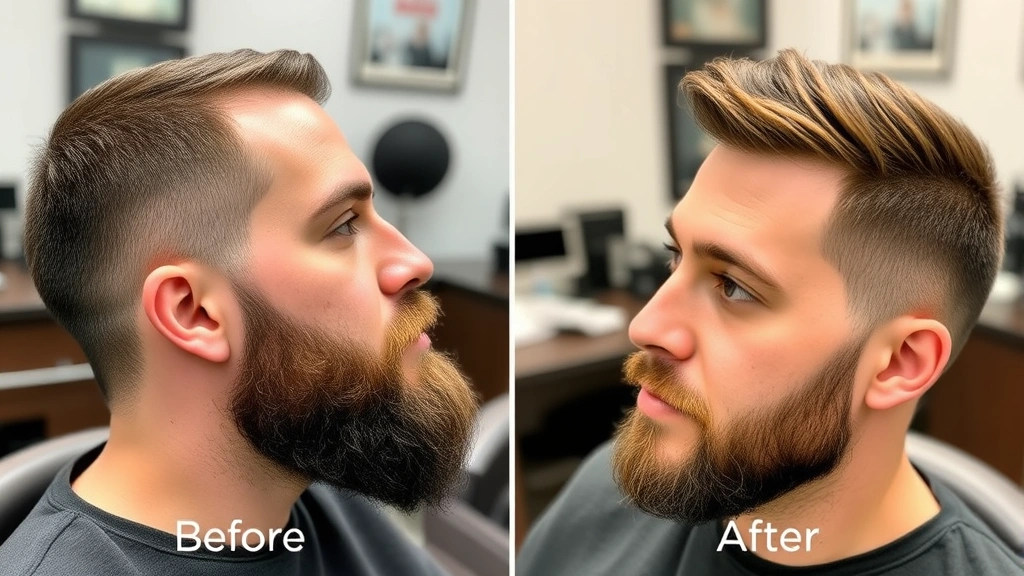
Understanding realistic timelines prevents disappointment and maintains motivation throughout your beard growth journey. Dermarolling results follow a predictable progression:
- Weeks 1-2: You’ll notice improved skin texture and slight redness post-treatment (normal and temporary). Existing beard hairs may appear slightly thicker due to improved skin health.
- Weeks 3-4: New hair growth becomes visible in previously sparse areas. Follicles that were dormant begin activating. Your beard feels noticeably healthier and fuller.
- Weeks 5-8: Significant improvements in beard density and coverage. Patchy areas fill in gradually. The improvement is consistent and measurable.
- Weeks 9-12: Dramatic transformation becomes apparent. New beard hairs achieve substantial length. Overall facial hair density increases 20-30% compared to baseline.
- Months 4-6: Continued improvement with diminishing returns. Your beard reaches its maximum potential under your dermarolling protocol. Results plateau but remain superior to pre-treatment baseline.
These timelines assume consistent weekly dermarolling, proper post-treatment care, and complementary beard care practices. Individual results vary based on genetics, age, overall health, and consistency. Younger men typically see faster results, while older men may require 12-16 weeks for dramatic improvements.
Research published in the Dermatologic Surgery Journal confirms that microneedling shows cumulative benefits over 12-16 weeks, with optimal results appearing around the 4-month mark. This scientific evidence supports the importance of patience and consistency in your dermarolling protocol.
Common Mistakes to Avoid
Learning from others’ mistakes accelerates your success. Here are the most common dermarolling errors that sabotage beard growth results:
Mistake 1: Rolling too aggressively – Excessive pressure causes unnecessary irritation without improving results. Light, consistent pressure outperforms aggressive rolling every time. Your goal is stimulation, not injury.
Mistake 2: Using the same dermaroller too long – Dull needles lose effectiveness and cause uncomfortable tugging. Replace your dermaroller every 3-6 months. A fresh device with sharp needles produces superior results.
Mistake 3: Dermarolling on wet skin – Moisture reduces needle effectiveness and increases bacterial transfer. Always use completely dry skin. Wait 15 minutes after cleansing before dermarolling.
Mistake 4: Rolling too frequently – More isn’t better. Rolling daily or multiple times weekly prevents adequate skin recovery and increases irritation risk. Stick to once or twice weekly maximum.
Mistake 5: Neglecting post-treatment care – The hours following dermarolling are critical for results. Skipping soothing serums and sun protection undermines your efforts. Treat post-care as seriously as the dermarolling itself.
Mistake 6: Ignoring nutrition and sleep – Beard growth is a systemic process requiring proper nutrition and recovery. Without adequate protein, zinc, iron, and sleep, dermarolling produces mediocre results. Address these fundamentals alongside your dermarolling protocol.
Mistake 7: Starting with large needles – Beginning with 1.0mm needles causes excessive irritation and often discourages continuation. Start with 0.25-0.5mm needles, building tolerance gradually. This approach ensures long-term success.
Mistake 8: Skipping consistency – Missing dermaroll sessions disrupts the cumulative benefits. Consistency matters more than individual session intensity. Weekly dermarolling for 12 weeks outperforms sporadic aggressive sessions.
Avoiding these mistakes accelerates your progress toward a thicker, healthier beard. The most successful beard growers view dermarolling as a non-negotiable weekly commitment, similar to how they approach understanding growth principles in other life areas.
FAQ
How often should I use a dermaroller for beard growth?
Use a 0.5mm dermaroller 1-2 times weekly. Never exceed twice-weekly sessions, as your skin requires adequate recovery time between treatments. Beginners should start with once weekly, gradually increasing frequency as their skin adapts.
Can I use dermaroller if I have sensitive skin?
Yes, absolutely. Start with a 0.25mm dermaroller and use it once weekly. Apply soothing serums immediately after treatment. Gradually progress to 0.5mm needles over 4-6 weeks as your skin builds tolerance. Sensitive skin often shows exceptional results once adapted.
Should I dermaroll before or after applying beard oil?
Always dermaroll on clean, dry skin before applying any products. Apply soothing serums immediately after treatment, but wait 24-48 hours before applying regular beard oils. This timing allows your skin to recover while benefiting from post-treatment serums.
How long until I see beard growth results?
Initial improvements in skin health appear within 2-3 weeks. Visible new beard growth typically emerges around week 4-6. Dramatic density improvements require 12-16 weeks of consistent dermarolling. Results vary based on individual factors including age, genetics, and overall health.
Can I combine dermarolling with minoxidil?
Yes, this combination is highly effective. Apply minoxidil 12-24 hours after dermarolling, allowing your skin initial recovery time. The enhanced absorption from dermarolling amplifies minoxidil’s effectiveness, producing superior results compared to either method alone.
What needle size is best for beard growth?
A 0.5mm dermaroller is optimal for most beard growers. It penetrates deeply enough to stimulate significant collagen production and blood flow while remaining safe for regular home use. Beginners may start with 0.25mm needles, progressing to 0.5mm after 2-3 weeks of adaptation.
Is dermarolling painful?
Dermarolling causes mild discomfort similar to light scratching, not pain. If you experience sharp pain, you’re applying excessive pressure. Reduce pressure and use gentle, controlled motions. Slight redness afterward is normal; significant irritation indicates you’ve gone too aggressively.
Can I dermaroll if I have acne?
Avoid dermarolling over active acne lesions or open wounds. These areas require healing first. You can dermaroll around acne-prone areas, or wait until acne clears before treating the entire beard region. Always prioritize skin health and infection prevention.
External Resources:
- Microneedling: Advances and widening applications in dermatology – National Center for Biotechnology Information
- Journal of Dermatologic Surgery – American Society for Dermatologic Surgery
- American Academy of Dermatology – Professional guidelines on microneedling safety
- Journal of Cutaneous and Aesthetic Surgery – Peer-reviewed research on hair growth interventions
- Efficacy of topical minoxidil in androgenetic alopecia – Evidence-based treatment protocols


