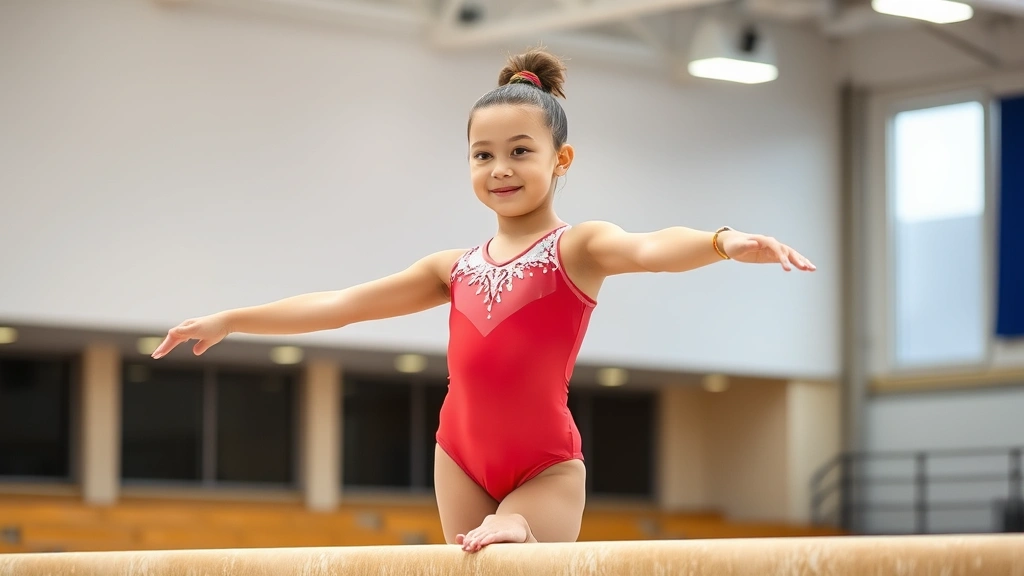
Gymnastics and Growth: Expert Insights on Physical Development
The question “do gymnastics stunt your growth” has circulated among parents and young athletes for decades, often creating unnecessary anxiety about one of the most beneficial physical activities available. This concern, while understandable, stems largely from misconceptions about how intensive training affects adolescent development. The reality is far more nuanced and, for most practitioners, remarkably positive.
Gymnastics represents an exceptional opportunity for comprehensive physical and mental development. Young gymnasts don’t just build strength, flexibility, and coordination—they cultivate discipline, resilience, and confidence that extends far beyond the gym. Understanding the actual science behind gymnastics and growth requires separating myth from evidence-based reality, examining what research truly reveals about training intensity, nutrition, and developmental timing.
The Growth Myth: Origins and Misconceptions
The persistent belief that gymnastics stunts growth likely originates from observing elite female gymnasts, who tend to be shorter on average than the general population. However, this observation confuses correlation with causation. The truth is more straightforward: shorter individuals often excel in gymnastics because the sport rewards favorable strength-to-weight ratios, lower centers of gravity, and reduced joint stress during complex movements. Taller athletes face biomechanical disadvantages in gymnastics, making them less likely to reach elite levels—not because gymnastics made them shorter, but because shorter people are naturally better suited to the sport.
Another contributing factor to this myth involves training intensity during puberty. Some coaches historically pushed young athletes through grueling regimens during critical growth years, occasionally resulting in delayed puberty or growth plate stress. However, this represents poor coaching practices rather than an inherent flaw in gymnastics itself. Modern sports science has revolutionized our understanding of personal growth and physical development, emphasizing periodization, adequate recovery, and age-appropriate training loads.
Research from the American Academy of Pediatrics and various sports medicine organizations consistently demonstrates that properly structured gymnastics training does not inhibit linear growth. In fact, weight-bearing exercise stimulates bone development and strengthens the skeletal system during the critical years when bone mineral density increases most rapidly.
What Science Actually Shows About Gymnastics
Multiple longitudinal studies examining young gymnasts have found no evidence that the sport stunts growth when training is age-appropriate and properly supervised. A study published in the Journal of Sports Sciences tracked young female gymnasts over several years, finding their growth patterns aligned with population norms, with final heights consistent with genetic predictions based on parental height.
The key factor determining healthy development isn’t gymnastics participation itself, but rather the quality of coaching, training load management, and nutritional support. Young athletes require:
- Adequate caloric intake to support both training demands and growth
- Sufficient protein for muscle development and recovery
- Proper hydration before, during, and after training
- Micronutrients including calcium, vitamin D, and iron
- Appropriate rest days and sleep duration (8-10 hours nightly)
Elite gymnasts who experience growth delays typically share common characteristics: insufficient caloric intake relative to training volume, pressure to maintain low body weight for aesthetic or competitive reasons, and inadequate recovery protocols. These are coaching and program issues, not inherent properties of gymnastics training.
Research from the American College of Sports Medicine emphasizes that young athletes engaged in weight-bearing activities like gymnastics actually develop stronger bones with greater mineral density compared to sedentary peers. This advantage persists into adulthood, reducing osteoporosis risk and supporting long-term skeletal health.
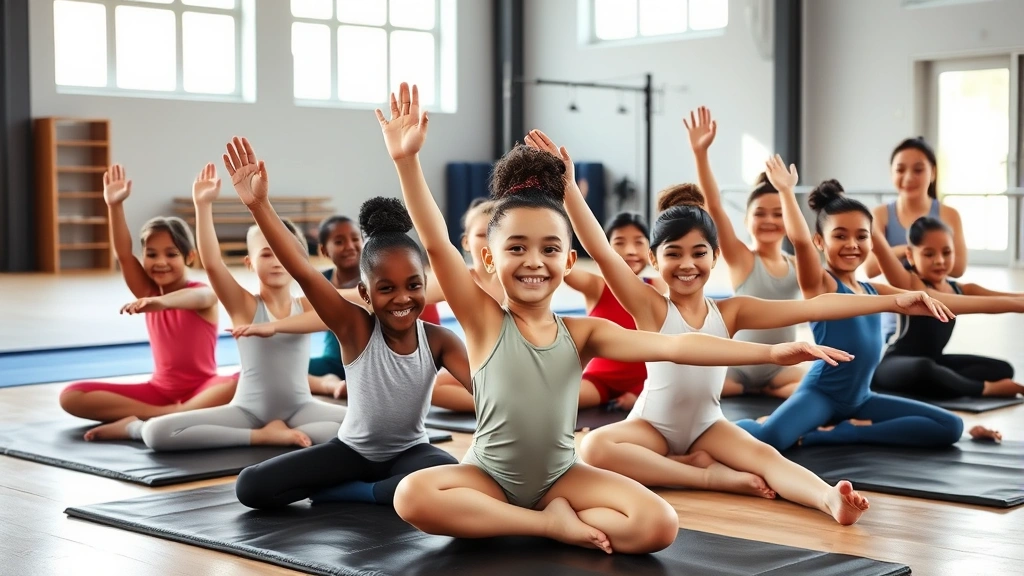
Nutrition and Recovery for Young Gymnasts
Proper nutrition serves as the foundation for healthy development in young gymnasts. The body cannot simultaneously support intense training, manage growth hormones, and maintain hormonal balance without adequate fueling. Unfortunately, some gymnastics environments have historically emphasized leanness, inadvertently creating pressure for restrictive eating patterns.
Modern best practices recognize that young female gymnasts require 2,000-3,500 calories daily depending on training intensity, body size, and growth stage. Young male gymnasts often need even more. This isn’t excessive—it represents the genuine energy cost of training combined with normal adolescent growth requirements.
Working with a sports dietitian helps young athletes understand that eating adequately is part of training, not separate from it. Proper nutrition directly impacts:
- Recovery speed between training sessions
- Injury prevention through stronger connective tissues
- Cognitive function and learning capacity
- Hormonal balance and normal puberty progression
- Bone development and mineralization
Young gymnasts should consume carbohydrates for energy, protein for muscle repair, and healthy fats for hormone production. Timing matters too—eating within 30-60 minutes post-training enhances recovery, while proper pre-training meals prevent fatigue and injury risk.
Sleep represents an often-overlooked component of recovery and growth. Growth hormone peaks during deep sleep, particularly in the first few hours. Young gymnasts need 8-10 hours nightly. Training schedules should accommodate this requirement rather than competing with it, as insufficient sleep impairs both physical development and mental performance.
Building Mental Resilience Through Training
Beyond physical development, gymnastics cultivates psychological qualities that fuel long-term success across all life domains. The sport teaches growth mindset principles through constant skill progression and failure management.
Young gymnasts regularly confront challenges that seem impossible, then systematically break them into manageable progressions. This builds genuine confidence—not the fragile kind based on easy wins, but resilience forged through persistent effort and eventual mastery. This psychological foundation supports achievement in academics, careers, and personal relationships.
The sport also teaches body awareness and proprioception at sophisticated levels. Gymnasts develop intimate knowledge of their physical capabilities, limitations, and potential—awareness that translates into better injury prevention and healthier relationship with their bodies across the lifespan.
Research from sports psychology demonstrates that athletes who experience appropriate challenge levels, receive constructive coaching feedback, and maintain intrinsic motivation develop superior psychological resilience compared to non-athletes. Gymnastics, when taught properly, optimizes all these factors.
Long-Term Benefits Beyond Physical Height
The real question shouldn’t be “does gymnastics stunt growth” but rather “what does gymnastics develop?” The comprehensive benefits extend far beyond childhood and adolescence:
Skeletal Health: Young gymnasts develop superior bone mineral density that persists into adulthood. This provides lifelong protection against osteoporosis and fractures, particularly important for female athletes who face higher osteoporosis risk.
Movement Competency: Gymnastics develops fundamental movement patterns with exceptional quality. Young athletes master coordination, balance, spatial awareness, and body control that reduce injury risk across all physical activities.
Cardiovascular Fitness: Gymnastics training improves aerobic and anaerobic capacity, supporting lifelong cardiovascular health and reducing chronic disease risk.
Mental Health: Regular physical activity, particularly in supportive group environments, reduces anxiety and depression while improving self-esteem. Young gymnasts develop coping strategies for managing stress and adversity.
Life Skills: The discipline, goal-setting, and perseverance developed through gymnastics transfer directly to academic and professional success. Studies show young athletes often demonstrate superior academic performance compared to non-athletes.
For young athletes considering gymnastics, or parents wondering about their child’s participation, the evidence overwhelmingly supports the sport as beneficial for growth and development when practiced in supportive environments with proper coaching. The concerns about stunted growth should be reframed as concerns about setting and achieving realistic goals for training loads, recovery, and nutritional support.
Research from the American Academy of Pediatrics reinforces that gymnastics provides excellent developmental benefits for young people, with growth concerns arising only when training loads exceed age-appropriate recommendations or when nutritional support proves inadequate.
FAQ
At what age can children safely start gymnastics?
Children as young as 18 months can begin basic movement classes. Formal gymnastics training typically starts around age 3-5 with fundamental skills like rolling, balancing, and simple tumbling. Specialized training with apparatus typically begins around age 6-8, with intensity gradually increasing as coordination and strength develop.
How much training is appropriate for young gymnasts?
Age-appropriate guidelines suggest recreational gymnasts train 3-6 hours weekly. Competitive gymnasts typically train 8-12 hours weekly by age 10-12, potentially increasing to 15-20+ hours for elite competitors in adolescence. The key is gradual progression, adequate recovery, and proper coaching supervision.
What signs indicate a young gymnast needs more nutritional support?
Warning signs include fatigue during training, slow recovery between sessions, frequent minor injuries, loss of menstrual period (in females), difficulty concentrating, or plateauing skill progression. Any of these should prompt consultation with a sports medicine physician and sports dietitian.
Can gymnastics cause long-term joint problems?
Properly trained gymnasts develop strong, stable joints with excellent proprioceptive control. However, excessive training loads, inadequate recovery, or poor technique can increase injury risk. Injury prevention requires appropriate progression, strength training, flexibility work, and rest days.
How does gymnastics training affect academic performance?
Research consistently shows young athletes often maintain higher academic achievement than non-athletes, provided training schedules don’t create excessive time pressure. The discipline and time management skills developed through gymnastics often enhance academic focus and performance.
What role do coaches play in preventing growth-related issues?
Coaches are absolutely critical. Proper coaches understand age-appropriate training progressions, recognize signs of overtraining, emphasize technique over intensity for young athletes, and promote healthy attitudes about body image and nutrition. Working with certified coaches through established gymnastics organizations ensures adherence to safety standards and best practices.


