Does Waxing Stop Hair Growth? Dermatologists Weigh In
One of the most persistent myths in personal care is that waxing will eventually stop hair growth altogether. Millions of people spend time and money on regular waxing appointments, hoping that one day they’ll achieve permanent hair-free skin. But does this actually work? The short answer is no—waxing will not prevent or stop hair growth permanently. However, understanding why this myth persists and what waxing actually does to your hair can help you make informed decisions about your grooming routine and self-care practices.
Just like pursuing personal growth and self-improvement, achieving your ideal appearance requires realistic expectations and evidence-based approaches. When you’re working on personal growth, you need to understand the actual mechanisms behind change. The same principle applies to hair removal. In this comprehensive guide, dermatologists explain the science behind waxing, what happens to your hair follicles, and why you’ll need to keep waxing if you want smooth skin.

How Hair Growth Actually Works
To understand whether waxing can stop hair growth, you first need to understand how hair grows. Hair follicles are complex structures embedded in your skin that operate on a biological cycle. Each hair follicle contains a root, or bulb, which is where new hair cells are generated. This bulb sits deep in the dermis layer of your skin, well below the surface where waxing can reach.
Hair growth happens in three distinct phases: the anagen phase (active growth), the catagen phase (transition), and the telogen phase (resting). During the anagen phase, which lasts anywhere from 2 to 7 years depending on the body part, cells in the hair bulb divide rapidly, pushing the hair shaft upward through the skin. Not all of your hairs are in the same phase at the same time—this is why you don’t shed all your hair at once.
The hair bulb is remarkably resilient and regenerative. It’s designed by your body to produce new hair continuously throughout your life, assuming your hormones and genetics support it. This is an important biological fact: your body wants to grow hair. It’s a natural, healthy function. Understanding this biological reality is crucial for setting realistic expectations about any hair removal method.
What Waxing Does to Hair Follicles
Waxing works by applying warm or hot wax to the skin, allowing it to cool and harden around the hair shaft, then quickly pulling it away. When done correctly, waxing removes the entire hair from the follicle, including the root. This is different from shaving, which only cuts the hair at the skin’s surface.
Because waxing removes hair from the root, many people assume this must damage the follicle and eventually stop hair growth. However, dermatologists confirm that this simply doesn’t happen. The hair bulb—the actual generator of new hair—remains intact and undamaged beneath the skin. Waxing removes the hair, but it doesn’t affect the follicle’s ability to produce new hair.
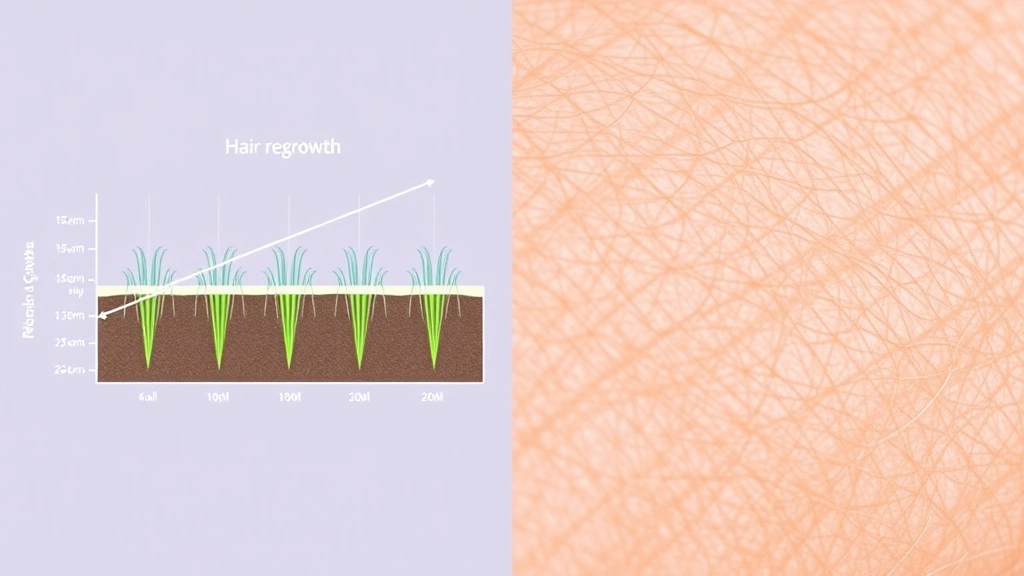
What waxing does do is create a temporary disruption in the hair growth cycle. After waxing, it takes time for the hair to grow back because the follicle needs to enter the anagen phase again and push a new hair up through the skin. This regrowth period typically lasts 3 to 6 weeks, depending on individual hair growth rates and the body area being treated.
Some people notice that their hair seems finer or lighter after repeated waxing. This isn’t because the follicle has been damaged or stopped producing hair—it’s because waxing can occasionally damage very fine hairs, preventing them from regrowing in their original form. However, this effect is temporary and not permanent hair reduction.
The Myth vs. The Reality
The myth that waxing stops hair growth is widespread, but it’s not supported by dermatological science. The American Academy of Dermatology is clear: temporary hair removal methods like waxing do not prevent future hair growth.
The reality is straightforward: waxing is a temporary hair removal method. It removes existing hair and delays regrowth for several weeks, but it does not permanently reduce hair growth or damage hair follicles. If you stop waxing, your hair will continue to grow normally. This is actually good news if you change your mind about the maintenance required.
The only methods that can permanently reduce hair growth are those that actually damage or destroy the hair follicle itself. These include laser hair removal and electrolysis, which work by targeting the melanin in the hair shaft and the follicle structure itself. Even these methods don’t guarantee permanent results for everyone, though they can significantly reduce hair growth over time.
Understanding the difference between temporary and permanent hair removal is essential for making informed decisions about your grooming routine. Just as setting and achieving your goals effectively requires clarity about what’s realistic, choosing a hair removal method requires honest expectations about what it can and cannot do.
Why Some People Think Waxing Stops Hair Growth
Despite the scientific evidence, many people report that they believe waxing has reduced their hair growth over time. Several factors contribute to this widespread perception:
- Confirmation bias: People notice when hair grows back and may attribute slower regrowth to waxing’s effects, rather than recognizing natural variations in hair growth cycles.
- Comparison to shaving: Hair regrows noticeably faster after shaving (within 1-3 days) compared to waxing (3-6 weeks), making waxing feel like it’s doing more than it actually is.
- Marketing claims: Some waxing salons and product manufacturers make exaggerated claims about hair reduction to attract customers and justify the cost of regular treatments.
- Hormonal changes: As people age, hormonal shifts naturally affect hair growth patterns. Someone might attribute this natural change to their waxing routine.
- Reduced visibility: Hair that’s been repeatedly waxed may grow back slightly finer or lighter, making it appear as though there’s less hair overall.
- Psychological expectation: When you’re paying for a service and dedicating time to it, you’re motivated to believe it’s working as promised.
These factors combine to create a compelling narrative that waxing reduces hair growth, even though the biological mechanism for this doesn’t exist.
Long-Term Effects of Regular Waxing
What actually happens when you wax regularly over months or years? According to dermatological research, the primary long-term effects are related to the skin, not the hair follicles themselves.
Regular waxing can lead to several skin-related effects. Some people experience improved skin texture in waxed areas because the process also removes dead skin cells. Others develop sensitivity, irritation, or inflammation, particularly if they have sensitive skin or if the waxing is done incorrectly. Ingrown hairs are a common side effect of regular waxing, occurring when hair regrows but becomes trapped beneath the skin surface.
Over very long periods, some research suggests that regular waxing might cause very minor changes to hair growth patterns, but these are not permanent hair reduction. PubMed Central contains numerous studies confirming that the hair follicle itself remains capable of producing new hair indefinitely.
The hair follicle’s resilience is actually remarkable. It can continue producing hair for decades, even with repeated trauma from waxing, plucking, or other temporary removal methods. This is why people can wax the same areas for years or decades without achieving permanent hair reduction.
Alternative Hair Removal Methods
If you’re looking for hair removal options beyond waxing, understanding the pros and cons of each method can help you choose what’s best for your needs and goals. Like increasing motivation, choosing the right hair removal method requires understanding your options and what each one offers.
Laser Hair Removal: This method uses concentrated light energy to target the melanin in hair follicles, damaging them and reducing future hair growth. Results are more permanent than waxing, though most people need multiple sessions. It works best on people with darker hair and lighter skin.
Electrolysis: This is the only FDA-approved method for permanent hair removal. It uses electrical current to destroy individual hair follicles. It’s time-intensive and can be expensive, but it works on all skin and hair types.
Depilatory Creams: These chemical products dissolve hair at the skin’s surface. They’re painless but can cause irritation and work similarly to shaving in terms of regrowth timeline.
Shaving: The most accessible and affordable option, though hair regrows quickly (within 1-3 days). It doesn’t cause permanent changes to hair growth.
Plucking: Similar to waxing in that it removes hair from the root, but it’s impractical for large areas. It doesn’t permanently stop hair growth either.
Threading: An ancient hair removal technique that removes fine hairs by twisting thread. Results last 3-6 weeks, similar to waxing, without permanent effects.
Expert Dermatologist Recommendations
Dermatologists generally agree on several key points regarding waxing and hair growth. The American Academy of Dermatology emphasizes that patients should have realistic expectations about temporary hair removal methods.
Dr. Shilpi Khetarpal, a dermatologist at Cleveland Clinic, explains that waxing is safe for most people when done properly, but it won’t stop hair growth. The key is to understand what you’re getting: a convenient temporary hair removal method that lasts longer than shaving, not a solution that will reduce hair growth over time.
Dermatologists recommend that if you choose to wax, you should:
- Go to a professional, licensed esthetician or dermatologist to minimize skin damage and irritation
- Exfoliate gently before waxing to reduce ingrown hairs
- Moisturize regularly to keep skin healthy
- Avoid sun exposure immediately after waxing
- Be honest with yourself about the maintenance commitment required
- Consider laser hair removal if you want more permanent results and meet the criteria for treatment
The broader lesson here aligns with personal development principles: success comes from understanding reality clearly and making decisions based on evidence, not hope. When you approach your appearance with the same growth mindset you apply to other areas of life, you make better choices about what methods will actually serve your goals.
If permanent hair reduction is your goal, laser hair removal or electrolysis are more effective options than waxing, though they require investment and multiple sessions. If you’re comfortable with regular maintenance and enjoy the smoothness that waxing provides, it’s a perfectly valid choice—just go in with accurate expectations.
FAQ
Will waxing eventually stop my hair from growing back?
No. Waxing is a temporary hair removal method that removes hair from the root but doesn’t damage the hair follicle. Your hair will continue to grow back indefinitely, typically within 3-6 weeks after waxing. The follicle remains intact and capable of producing new hair throughout your life.
Can waxing reduce hair growth over time?
Waxing does not reduce hair growth over time in any permanent way. While some people report that their hair seems finer or lighter after repeated waxing, this is not due to actual reduction in hair production. The hair follicle continues to function normally and produce hair at the same rate as before.
How is waxing different from laser hair removal?
Waxing removes hair from the root but doesn’t damage the follicle, so hair regrows in 3-6 weeks. Laser hair removal uses light energy to damage the follicle itself, which can lead to permanent or semi-permanent hair reduction. Laser treatment requires multiple sessions and works best on certain skin and hair types.
Is there any hair removal method that permanently stops hair growth?
Electrolysis is the only FDA-approved method for permanent hair removal. It uses electrical current to destroy individual hair follicles permanently. Laser hair removal can provide semi-permanent results, significantly reducing hair growth for extended periods, though some regrowth may occur over time.
Why does my hair seem to grow back slower after waxing?
Hair grows back slower after waxing compared to shaving because waxing removes the entire hair from the follicle, while shaving only cuts it at the skin’s surface. However, the regrowth rate is still determined by your natural hair growth cycle, not by any permanent changes caused by waxing.
Can waxing damage my hair follicles?
When done properly by a professional, waxing should not damage hair follicles. The follicle is located deep beneath the skin surface, below where the wax can reach. However, improper waxing technique, excessive heat, or waxing on sensitive or damaged skin can cause irritation, ingrown hairs, or temporary inflammation.
Is it safe to wax the same area repeatedly?
Yes, it’s generally safe to wax the same area repeatedly if done properly. However, you should space out waxing appointments appropriately (typically 3-6 weeks apart) to allow your skin to recover between sessions. If you experience persistent irritation or ingrown hairs, consult a dermatologist.
What’s the best way to prevent ingrown hairs from waxing?
To prevent ingrown hairs, exfoliate gently 2-3 days before waxing, moisturize regularly after waxing, avoid tight clothing over waxed areas, and consider using products containing salicylic acid or glycolic acid to keep pores clear. If ingrown hairs persist, consult a dermatologist.


