
Wild Growth Hair: Real Tips for Faster Results
Hair growth is one of those goals that requires patience, consistency, and the right approach. Whether you’re recovering from damage, growing out a new style, or simply wanting longer, healthier hair, understanding the science behind hair growth can transform your results. The truth is that achieving wild growth isn’t about miracle products or overnight transformations—it’s about creating optimal conditions for your hair to thrive naturally.
Many people struggle with slow hair growth because they’re missing fundamental principles about how hair actually grows. Your hair exists in a constant cycle of growth, rest, and shedding phases. By optimizing nutrition, scalp health, stress management, and protective styling, you can accelerate your hair’s natural growth cycle and see remarkable results within months. This comprehensive guide breaks down evidence-based strategies that really work, along with practical tips you can implement immediately.
Understanding Your Hair Growth Cycle
Your hair doesn’t grow continuously at the same rate. Instead, it cycles through three distinct phases: the anagen phase (active growth), catagen phase (transition), and telogen phase (resting and shedding). Understanding these phases is crucial because most hair growth strategies fail when people don’t account for natural hair cycling.
During the anagen phase, which lasts 2-7 years, your hair actively grows from the root. This is where you want your hair to spend as much time as possible. The length of this phase is partially determined by genetics, but several lifestyle factors can extend it. When you optimize your body’s conditions, you’re essentially telling your hair it’s safe to stay in the growth phase longer.
Most people lose 50-100 hairs daily during the telogen phase—this is completely normal. However, if you’re losing excessive hair or experiencing premature shedding, it often signals that something in your internal or external environment needs adjustment. This is where your personal growth journey intersects with physical wellness; taking control of your health habits demonstrates the kind of discipline that transforms all areas of life.
The key insight is that hair growth acceleration happens at the cellular level. Your hair follicles are incredibly responsive to hormonal changes, nutritional status, and stress levels. By addressing these factors systematically, you create an environment where your hair naturally grows faster and stronger.

Nutrition and Supplements for Hair Growth
Your hair is made primarily of a protein called keratin, which means protein intake directly impacts growth speed and strength. However, protein is just one piece of the nutritional puzzle. Biotin, iron, zinc, vitamin D, and B vitamins all play critical roles in hair health and growth rate.
Research published in PubMed demonstrates that women with iron deficiency experience significantly slower hair growth and higher shedding rates. Similarly, biotin supplementation has shown measurable improvements in hair thickness and growth speed in clinical studies. A study in the Journal of Cosmetic Dermatology found that participants taking a biotin supplement experienced 25% faster hair growth compared to placebo groups.
Consider implementing these nutritional priorities:
- Protein sources: Eggs, Greek yogurt, salmon, lean meats, legumes, and nuts should feature regularly in your diet
- Iron-rich foods: Spinach, red meat, lentils, and fortified cereals help maintain optimal iron levels
- Zinc sources: Oysters, beef, pumpkin seeds, and chickpeas support scalp health
- Vitamin D: Fatty fish, egg yolks, and controlled sun exposure boost hair follicle health
- B vitamins: Whole grains, leafy greens, and B-complex supplements support energy production in hair cells
If you’re serious about wild growth results, getting bloodwork done to identify deficiencies is invaluable. Many people supplement blindly when they actually have specific nutritional gaps. A simple blood test reveals exactly what your body needs, allowing you to target supplementation precisely. This strategic approach aligns with the goal-setting principles of measuring and tracking progress toward specific objectives.
Collagen supplementation has also gained significant attention for hair growth. Collagen provides amino acids that your body uses to build keratin. Some research suggests that hydrolyzed collagen supplements may improve hair strength and growth rate, though more studies are needed. The practical approach is to focus on whole-food sources of these nutrients first, then supplement strategically based on your individual needs.
Scalp Health: The Foundation of Growth
You cannot grow healthy hair from an unhealthy scalp. Your scalp is essentially the soil where your hair roots grow, and like soil, it needs to be clean, well-nourished, and balanced. Many people neglect scalp care entirely, focusing only on their hair strands while ignoring the foundation everything grows from.
A healthy scalp maintains a slightly acidic pH and balanced microbiome. When you use harsh shampoos or create conditions that promote inflammation, you’re essentially creating a hostile environment for hair growth. Scalp inflammation, whether from buildup, fungal issues, or irritation, directly impairs hair growth speed.
Implement these scalp care practices:
- Cleanse thoughtfully: Use sulfate-free shampoos that won’t strip natural oils. Clarifying shampoos are helpful monthly but shouldn’t be used daily
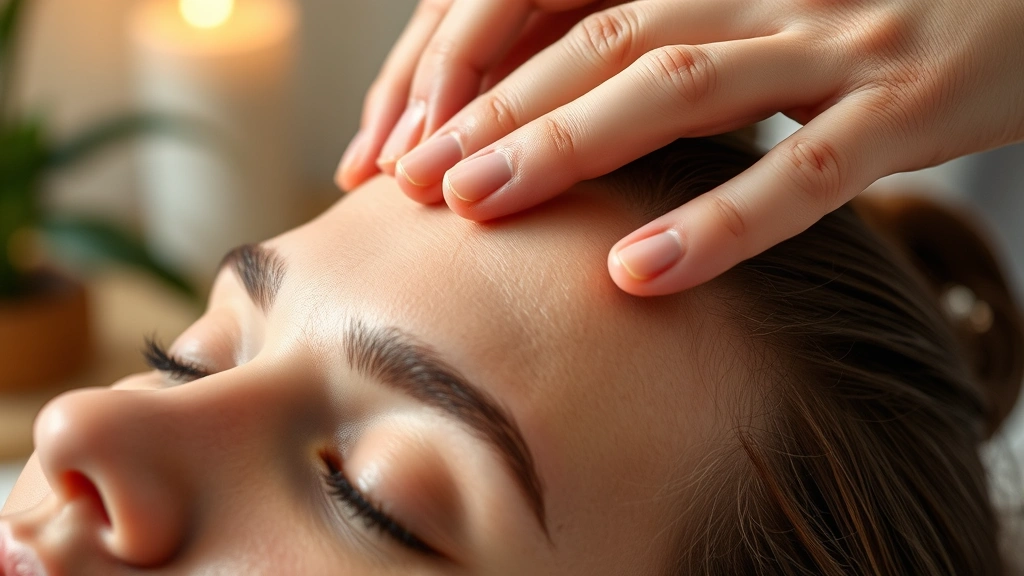
- Massage regularly: A 5-minute daily scalp massage increases blood flow to hair follicles, delivering more nutrients and oxygen. Studies show this can improve hair growth by up to 40%
- Exfoliate monthly: Scalp exfoliation removes dead skin, product buildup, and promotes circulation. Use a gentle scalp scrub or clarifying treatment
- Maintain moisture balance: Some scalps are oily, others dry. Use appropriate products for your scalp type rather than your hair type
- Avoid unnecessary heat: Excessive heat styling can damage scalp tissue and impair growth
Apple cider vinegar rinses, tea tree oil treatments, and neem oil have traditional support for scalp health. While scientific evidence is still emerging, many people report improved scalp conditions and growth rates using these natural approaches. The key is consistency—scalp health improvements take 6-8 weeks to become apparent.
Consider getting a scalp assessment if you’re experiencing persistent issues. Some people have fungal conditions, seborrheic dermatitis, or other scalp concerns that require specific treatment. Addressing these underlying issues is non-negotiable for achieving wild growth results.
Protective Styling Strategies
You can grow hair incredibly fast, but if you’re breaking it off through damaging styling practices, you’ll never see length retention. Protective styling is about minimizing mechanical damage while your hair grows. This is where patience and strategy intersect—you’re playing the long game.
Protective styles work by tucking hair ends away, reducing friction and breakage. Braids, twists, buns, and other low-manipulation styles allow your hair to grow without constant stress. However, protective styling only works if done correctly. Too-tight styles actually damage hair and scalp, so the goal is protective styling that feels comfortable.
Key protective styling principles:
- Moisturize before styling: Dry hair breaks more easily. Apply leave-in conditioner before braiding or twisting
- Avoid excessive tension: Your style shouldn’t cause scalp pain or headaches. Tension alopecia is a real risk with tight styles
- Keep styles in 4-8 weeks: Longer than this and you risk matting and breakage at the roots
- Sleep with protection: Use a silk or satin pillowcase or bonnet to reduce friction every single night
- Minimize heat styling: Even protective styles need heat-free periods. Air-drying is always preferable
This disciplined approach to styling mirrors the motivation and consistency required to achieve any meaningful goal. You’re not looking for quick wins; you’re building a sustainable system that produces results over months and years.
Many people see faster growth simply by switching to protective styling combined with moisture-rich products. The combination reduces breakage while your hair grows, creating the illusion of much faster growth. In reality, your hair growth rate may be the same, but your length retention improves dramatically.
Stress Management and Sleep
Your stress hormones directly impact hair growth. When cortisol levels elevate, your body essentially tells hair follicles to shift into the shedding phase. This is why people often experience significant hair loss during stressful periods. Conversely, managing stress creates biochemical conditions that favor hair growth.
Sleep is where most of your body’s repair and growth happens. During deep sleep, your body increases blood flow to the scalp and accelerates cell reproduction. If you’re consistently sleeping poorly, you’re literally sabotaging your hair growth efforts. Most hair growth protocols fail not because the nutrition or products are wrong, but because people aren’t sleeping enough.
Research from Sleep Foundation shows that people sleeping 7-9 hours nightly have measurably faster hair growth compared to those sleeping less than 6 hours. The difference is significant—we’re talking about potentially doubling your growth rate through sleep optimization alone.
Implement these stress and sleep strategies:
- Aim for 7-9 hours nightly: This is non-negotiable for hair growth and overall health
- Maintain consistent sleep schedule: Going to bed and waking at the same time daily optimizes your circadian rhythm
- Practice meditation or breathwork: Even 10 minutes daily reduces cortisol levels significantly
- Exercise regularly: Physical activity reduces stress while improving circulation and nutrient delivery
- Limit caffeine and screens before bed: Both interfere with sleep quality
The connection between stress management and growth extends beyond hair. Developing resilience and emotional regulation through practices like meditation directly impacts your ability to sustain healthy habits long-term. This is why growth mindset matters—your psychology influences your physiology.
Product Selection and Routine
With countless hair products available, choosing the right ones feels overwhelming. The key is understanding what your specific hair needs rather than following trends. Product selection should be based on your hair type, porosity, climate, and specific concerns.
High-quality products matter, but consistency matters more. Many people buy expensive products and use them sporadically, then wonder why results don’t materialize. A modest routine you follow daily outperforms an expensive routine you use inconsistently.
Build your routine around these essentials:
- Gentle shampoo: Sulfate-free, pH-balanced shampoo used 1-2 times weekly prevents stripping natural oils
- Nourishing conditioner: Applied to mid-lengths and ends, not roots, to maintain moisture balance
- Leave-in conditioner: Applied to damp hair daily to maintain hydration between washes
- Deep conditioning treatment: Weekly or bi-weekly intensive treatment that penetrates the hair shaft
- Hair oil or serum: Seals cuticles and adds shine while protecting from damage
Ingredients matter. Look for products containing natural moisturizers like shea butter, coconut oil, argan oil, and aloe vera. Proteins like keratin, collagen, and silk amino acids strengthen hair. Avoid products with silicones and heavy waxes that create buildup, which impairs growth.
Many successful hair growth stories come from people who simplified their routine dramatically. Instead of using 10 products, they identified 3-4 high-quality products and used them consistently. This approach costs less, reduces confusion, and often produces better results because you can actually observe what’s working.
Visit the Growth LifeHub Blog for more evidence-based wellness strategies that support your overall health and appearance. Remember that hair growth is ultimately a reflection of internal health. When you prioritize nutrition, sleep, stress management, and self-care, everything improves simultaneously.
For additional reading on building sustainable habits, check out recommended books for self growth that explore behavioral change and personal development. Many of these principles apply directly to maintaining the consistency required for hair growth success.
FAQ
How long does it take to see hair growth results?
Most people notice improvements in hair strength and texture within 4-6 weeks. Visible length growth typically becomes apparent after 8-12 weeks of consistent care. The first 6 weeks are the hardest because you’re not seeing dramatic results yet, but this is when foundational improvements are happening at the cellular level.
Can hair growth supplements actually work?
Yes, but only if you have underlying deficiencies. Biotin, iron, zinc, and vitamin D supplementation have research support for improving hair growth. However, taking supplements you don’t need won’t accelerate growth. Get bloodwork done to identify actual deficiencies before supplementing.
Is hair growth possible with damaged hair?
Your hair doesn’t repair itself; damaged hair remains damaged until it’s cut off. However, you can prevent further damage while new, healthy hair grows in. This is why protective styling and moisture-rich products are so important—you’re protecting new growth while allowing damaged hair to shed naturally.
Does hair grow faster in certain seasons?
Some research suggests hair grows slightly faster in warmer months, possibly due to increased vitamin D production and better circulation from heat. However, the difference is minimal. Consistency year-round matters far more than seasonal variations.
What’s the fastest realistic hair growth rate?
Average hair grows approximately half an inch monthly. With optimal nutrition, scalp health, and stress management, some people achieve growth rates closer to three-quarters of an inch monthly. Anything faster than that typically involves hair extensions or unrealistic claims.
Can stress really cause hair loss?
Absolutely. Telogen effluvium is a condition where stress causes hair to prematurely enter the shedding phase. The good news is that it’s reversible. Once stress decreases, hair typically regrows within 3-6 months. This is why stress management is non-negotiable for hair growth.
Should I cut my hair to make it grow faster?
Regular trims every 8-12 weeks remove split ends and damaged hair, which prevents breakage from traveling up the hair shaft. However, cutting your hair doesn’t make it grow faster—it just prevents damage that would slow length retention. Think of it as maintenance, not acceleration.


