
Unlock Wild Hair Growth: Dermatologist Tips for Transformative Results
Hair growth isn’t just a biological process—it’s a reflection of your overall health, dedication, and commitment to self-improvement. Just as personal growth requires consistent effort and the right strategies, achieving wild hair growth demands a comprehensive approach rooted in dermatological science. Whether you’re recovering from hair loss, pursuing thicker locks, or simply optimizing your hair health, this guide reveals evidence-based techniques that dermatologists recommend to unlock your hair’s full potential.
Your hair tells a story about your lifestyle, nutrition, stress levels, and self-care habits. When you invest in hair growth, you’re investing in yourself—demonstrating the same commitment to excellence that fuels all meaningful personal development. This article synthesizes professional dermatological expertise with practical, actionable strategies that transform hair from ordinary to extraordinary.
Understanding Hair Growth Biology
Before implementing any hair growth strategy, you must understand the biological mechanics of how hair actually grows. Your hair exists in three distinct phases: the anagen (growth) phase, catagen (transition) phase, and telogen (resting) phase. Most of your hair—approximately 85-90%—remains in the anagen phase at any given time, actively growing. This is where wild growth becomes possible.
Hair follicles are living structures nourished by blood vessels at the dermal papilla, the deepest part of your hair root. This connection means that systemic health directly impacts hair growth. When you optimize your body’s internal environment through proper nutrition, stress management, and sleep, you’re essentially fertilizing your hair follicles from within. Dermatologists emphasize that hair growth is a 3-6 month process—the time it takes for visible improvements to emerge—requiring patience and consistency aligned with long-term goal setting strategies.
Understanding this timeline prevents discouragement. Many people abandon hair growth regimens after 4-6 weeks, precisely when cellular changes are occurring beneath the surface. This mirrors personal development, where breakthrough results require sustained effort beyond initial enthusiasm.

Dermatologist-Approved Nutrition Strategies
Dermatologists universally agree that wild hair growth begins in your kitchen. Your hair is composed primarily of a protein called keratin, alongside minerals and micronutrients that fuel growth cycles. Nutritional deficiencies directly correlate with hair loss, thinning, and stunted growth rates.
Essential Nutrients for Hair Growth:
- Biotin (Vitamin B7): This water-soluble vitamin strengthens hair structure and accelerates growth. Research published in Dermatology Practical & Conceptual demonstrates that biotin supplementation increases hair thickness and reduces shedding. Aim for 2.5mg daily through supplements or foods like eggs, almonds, and sweet potatoes.
- Iron: Iron deficiency anemia is a leading cause of hair loss. Iron transports oxygen to follicles, fueling the anagen phase. Women require 18mg daily; men need 8mg. Red meat, spinach, and legumes are excellent sources.
- Zinc: This mineral regulates hair growth cycles and prevents premature telogen phase entry. Dermatologists recommend 11mg for men and 8mg for women daily. Oysters, beef, and pumpkin seeds are zinc-rich options.
- Vitamin D: Emerging research from the National Institutes of Health links vitamin D deficiency to alopecia and hair thinning. Aim for 1000-2000 IU daily through sunlight exposure, fatty fish, or supplements.
- Amino Acids: Lysine and methionine are amino acids essential for keratin synthesis. Consume adequate complete proteins—chicken, fish, eggs, dairy—containing all nine essential amino acids.
- Collagen Peptides: Collagen provides amino acids and minerals that support hair structure. Studies show collagen supplementation improves hair elasticity and growth rates within 12 weeks.
Rather than scattered supplementation, dermatologists recommend a comprehensive nutritional approach. Work with your physician to identify deficiencies through blood work, then address them systematically. This strategic, data-driven approach mirrors the methodology used in structured personal development.
Topical Treatments That Deliver Results
While nutrition builds the foundation, topical treatments accelerate visible hair growth. Dermatologists distinguish between scientifically-proven treatments and unsubstantiated claims.
Minoxidil (Rogaine): This is the gold standard topical treatment approved by the FDA for hair regrowth. Minoxidil works by extending the anagen phase and increasing blood flow to follicles. Clinical studies show that 5% minoxidil produces visible results within 4-6 months. Apply twice daily to the scalp for optimal results. Consistency is crucial—missing applications undermines effectiveness.
Finasteride (Propecia): While technically oral rather than topical, finasteride deserves mention as dermatologists’ most-recommended pharmaceutical intervention. It inhibits DHT (dihydrotestosterone), the hormone responsible for androgenetic alopecia. Results emerge within 3-6 months with continued use.
Hair Growth Serums: High-quality serums containing peptides, niacinamide, and botanical extracts stimulate growth factors in follicles. Look for serums with clinical backing. Apply directly to the scalp, massaging gently to enhance absorption and circulation.
Natural Topical Options: Research from PubMed validates several natural ingredients: rosemary oil increases hair thickness comparable to minoxidil; caffeine stimulates growth factors; and peppermint oil enhances scalp circulation. These work best as complementary treatments alongside proven interventions.
Scalp Health: The Foundation
Your scalp is the soil from which hair grows. Neglecting scalp health undermines every other hair growth effort. Dermatologists emphasize that optimal scalp conditions are non-negotiable for wild growth.
Scalp Cleansing: Use a gentle, sulfate-free shampoo formulated for your hair type. Harsh sulfates strip natural oils, irritating the scalp and disrupting hair cycles. Dermatologists recommend shampooing 2-3 times weekly for most people, adjusting based on oil production and activity level.
Exfoliation: Dead skin cells accumulate on the scalp, creating an inflammatory environment hostile to growth. Weekly scalp exfoliation using a soft brush or gentle scrub removes buildup and increases circulation. This seemingly small habit dramatically accelerates results.
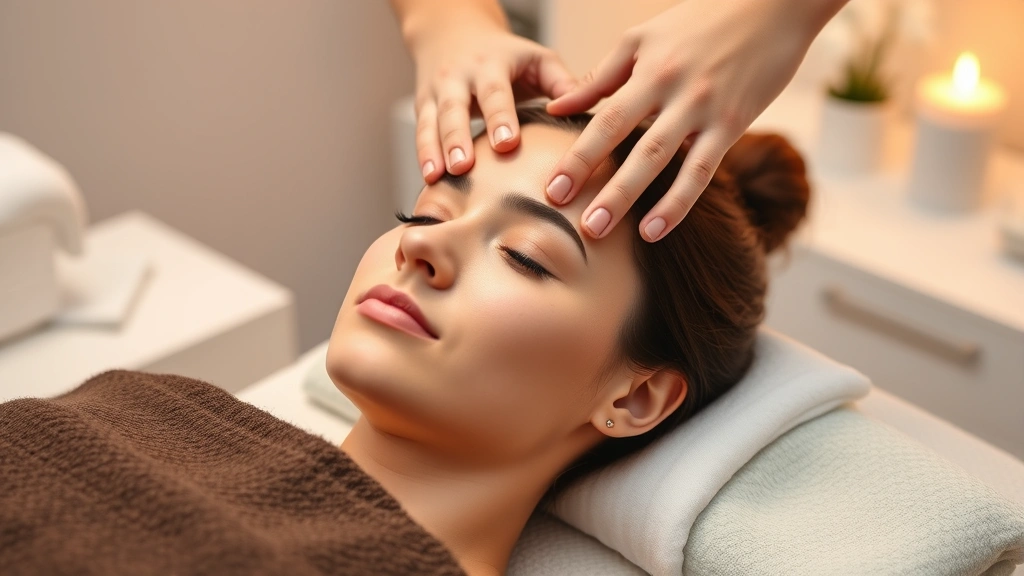
Scalp Massage: Five minutes of daily scalp massage increases blood flow to follicles by up to 40%, according to research published in JAMA Dermatology. Use your fingertips in circular motions, applying moderate pressure. This meditative practice also reduces stress, creating a dual benefit aligned with motivation and mental health.
Scalp Treatment Masks: Weekly deep-conditioning masks containing hydrating and nourishing ingredients restore scalp health. Ingredients like hyaluronic acid, amino acids, and antioxidants create optimal conditions for growth.
Lifestyle Factors for Maximum Growth
Hair growth doesn’t occur in isolation—it’s influenced by your entire lifestyle ecosystem. Dermatologists consistently identify lifestyle factors as foundational to achieving wild growth results.
Sleep Quality: During sleep, your body increases blood flow to the scalp and produces growth hormones essential for hair development. Poor sleep disrupts this process and elevates cortisol, which suppresses growth. Aim for 7-9 hours nightly, maintaining consistent sleep schedules even on weekends.
Stress Management: Chronic stress triggers telogen effluvium, a condition where excessive hair enters the resting phase prematurely. Elevated cortisol constricts blood vessels, reducing nutrient delivery to follicles. Implement stress-reduction practices: meditation, exercise, journaling, or time in nature. This connects directly to the mindset shifts essential for all personal achievement.
Exercise: Regular cardiovascular exercise increases heart rate, pumping nutrient-rich blood to your scalp. Exercise also reduces stress hormones and improves sleep quality—a triple benefit for hair growth. Aim for 150 minutes of moderate exercise weekly.
Hydration: Hair is 13% water. Adequate hydration ensures hair strands maintain elasticity and strength while supporting nutrient transport. Drink 8-10 glasses of water daily, adjusting for climate and activity level.
Alcohol and Smoking: Both dehydrate the body, impair nutrient absorption, and increase inflammation. Dermatologists note that smokers experience 2-3x higher hair loss rates. Reducing or eliminating these substances accelerates growth dramatically.
Advanced Professional Treatments
When lifestyle optimization and topical treatments plateau, dermatologists offer advanced interventions for accelerated results.
Platelet-Rich Plasma (PRP) Therapy: PRP involves extracting growth factors from your blood and injecting them directly into the scalp. These growth factors stimulate dormant follicles and extend the anagen phase. Studies show visible improvement within 3-4 months. Multiple sessions (typically 3-4) spaced monthly produce optimal results.
Low-Level Laser Therapy (LLLT): Red and near-infrared wavelengths stimulate mitochondrial activity in follicles, energizing growth. Clinical evidence supports LLLT effectiveness for androgenetic alopecia. Sessions typically last 20-30 minutes, 2-3 times weekly.
Hair Transplantation: For severe hair loss, follicular unit extraction (FUE) or follicular unit transplantation (FUT) provide permanent solutions. Modern techniques produce natural-looking results while minimizing scarring.
Microneedling with Serums: Microneedling creates controlled micro-injuries, triggering collagen production and enhancing serum absorption. Combined with growth serums, this treatment accelerates results. Dermatologists recommend monthly sessions for optimal outcomes.
Common Mistakes to Avoid
Understanding what derails hair growth is as important as knowing what accelerates it. Avoid these common pitfalls:
- Inconsistency: Hair growth requires sustained effort. Skipping treatments, irregular supplementation, or inconsistent routines undermine results. Treat hair growth like any important commitment in your life.
- Unrealistic Timelines: Expecting results in 2-3 weeks guarantees disappointment. Hair growth is a 3-6 month process. Set realistic expectations aligned with biological reality.
- Over-Styling: Excessive heat, tight pulling, or chemical treatments damage hair and slow growth. Limit heat styling, use heat protectants, and avoid tight hairstyles that create traction alopecia.
- Ignoring Scalp Issues: Dandruff, seborrheic dermatitis, or psoriasis create inflammatory environments hostile to growth. Address scalp conditions directly through dermatological treatment.
- Neglecting Overall Health: Hair growth reflects systemic health. Ignoring nutrition, sleep, stress, or exercise while pursuing topical treatments is like building on sand. Holistic health creates lasting results.
- Comparing Timelines: Everyone’s hair growth rate varies based on genetics, age, hormones, and baseline health. Your timeline is yours alone. Focus on your progress, not others’ results.
FAQ
How long does it actually take to see visible hair growth results?
Dermatologists consistently report that visible results emerge within 4-6 months with consistent treatment. Some people notice subtle improvements within 8-12 weeks, but dramatic transformation typically requires 6-12 months. This timeline reflects the hair growth cycle—new hairs must grow through the entire anagen phase before visible changes appear. Patience and consistency are essential.
Can I achieve wild hair growth without supplements?
Yes, though supplements accelerate results. A nutrient-dense diet providing biotin, iron, zinc, vitamin D, and complete proteins supports significant growth. However, most people benefit from targeted supplementation to achieve optimal levels quickly. Consult a healthcare provider to determine your specific needs based on blood work.
Is minoxidil safe for long-term use?
Yes. Minoxidil has been safely used for over 30 years. The FDA approves it for long-term application. Most side effects are mild and temporary (scalp irritation, initial shedding). Continue use indefinitely to maintain results—stopping causes regressed growth.
Does stress really cause hair loss?
Absolutely. Chronic stress elevates cortisol, which triggers telogen effluvium and constricts blood vessels supplying follicles. Stress management is non-negotiable for optimal growth. Even small daily stress-reduction practices produce measurable improvements in hair health.
What’s the best time to start hair growth treatments?
Now. Whether you’re experiencing early hair loss or pursuing optimal thickness, starting immediately maximizes results. Hair loss progresses over time, making early intervention more effective. The best time to plant a tree was 20 years ago; the second-best time is today.
Can diet alone grow thicker hair?
Diet provides essential building blocks, but rarely produces dramatic transformation alone. Combining optimal nutrition with topical treatments, scalp care, and lifestyle optimization creates synergistic results exceeding any single approach. Think of nutrition as the foundation—essential but requiring additional strategies for wild growth.
Are natural remedies effective for hair growth?
Some natural remedies have scientific backing. Rosemary oil, peppermint oil, and caffeine show efficacy in research. However, they typically work best as complementary treatments alongside proven interventions like minoxidil. Natural doesn’t automatically mean ineffective, but it also doesn’t replace evidence-based dermatological approaches.


