
Population Growth Challenges: Economist Insights on Global Development
Population growth presents one of the most complex challenges facing modern economies and societies. While human population expansion has historically driven innovation and economic development, contemporary demographic trends reveal critical pressures that economists, policymakers, and development experts must address strategically. Understanding these multifaceted challenges requires examining how rapid population increases intersect with resource scarcity, infrastructure limitations, and environmental sustainability.
The global population exceeded 8 billion in 2022 and continues climbing, particularly in developing nations where birth rates remain elevated. This expansion creates unprecedented demand for housing, education, healthcare, employment, and natural resources. Economists increasingly recognize that population growth challenges extend beyond simple numerical increases—they represent systemic pressures requiring comprehensive policy responses and innovative thinking about sustainable development.
Resource Scarcity and Environmental Pressure
Population growth directly intensifies competition for finite natural resources, creating economic bottlenecks that constrain development. Water availability represents a critical concern, with economists estimating that 2 billion people currently face high water stress. As populations expand, agricultural demands increase exponentially, yet freshwater supplies remain relatively fixed. This creates what economists call the “resource paradox”—more people require more food, which demands more water, yet water scarcity limits agricultural productivity.
Arable land presents another fundamental constraint. The world contains approximately 1.4 billion hectares of suitable agricultural land, yet population growth necessitates feeding nearly 10 billion people by 2050. Economists from the United Nations Department of Economic and Social Affairs highlight that agricultural intensification—while necessary—often depletes soil quality and reduces long-term productivity. This creates a vicious cycle where population pressure forces unsustainable farming practices that ultimately reduce food security.
Mineral and energy resources face similar pressures. Rapid population growth in emerging economies drives unprecedented demand for fossil fuels, metals, and rare earth elements. Economists note that resource extraction becomes increasingly expensive as easily accessible deposits deplete, raising production costs and potentially triggering inflation. Research on population dynamics and resource depletion demonstrates that sustainable resource management becomes exponentially more difficult as population density increases.
Infrastructure and Urban Development Strain
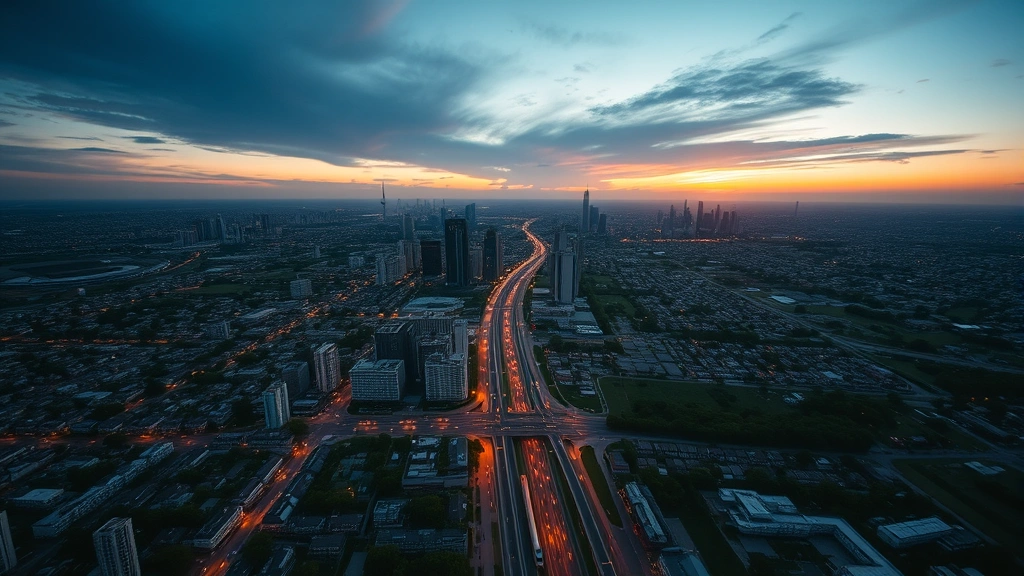
Rapid population growth concentrates in urban areas, with the UN projecting that 68% of humanity will live in cities by 2050. This urbanization creates extraordinary infrastructure challenges that strain government budgets and overwhelm planning capacity. Cities require massive investments in transportation networks, water treatment facilities, sanitation systems, electricity grids, and housing—yet population growth often outpaces infrastructure development.
Economists identify the “infrastructure deficit” as a critical barrier to sustainable development. Developing nations struggle to finance necessary infrastructure while simultaneously serving rapidly growing populations. A family pursuing way to growth in emerging economies often finds inadequate housing, unreliable electricity, and congested transportation systems. These deficiencies reduce quality of life and constrain economic productivity.
Urban sprawl creates additional economic inefficiencies. Unplanned expansion increases per-capita infrastructure costs, reduces agricultural land availability, and generates environmental degradation. Slum formation—where over 1 billion people currently live—represents both a symptom and consequence of insufficient infrastructure investment relative to population growth. Economists emphasize that addressing urban infrastructure gaps requires not merely spending more money, but fundamentally rethinking urban planning and development strategies.
The financial burden becomes apparent when examining costs. Providing adequate infrastructure for an additional 2 billion people requires estimated investments exceeding $40 trillion globally. Developing nations, which experience the highest population growth rates, possess the lowest fiscal capacity to fund these investments, creating a fundamental economic inequity.
Employment and Economic Opportunity Gaps
Population growth generates unprecedented labor force expansion, particularly in regions with limited job creation capacity. The International Labour Organization reports that global unemployment and underemployment affect over 400 million people, with youth unemployment particularly severe. Population growth exacerbates this challenge by continuously expanding the pool of job seekers faster than economies can create meaningful employment.
Economists emphasize that job quality matters as much as quantity. Population pressure often forces workers into informal sectors with minimal protections, unstable income, and limited advancement opportunities. This creates what development economists call the “employment quality trap”—rapid population growth prevents wage growth and occupational mobility because labor supply vastly exceeds demand.
Skill mismatches compound employment challenges. Population growth often occurs in regions with limited educational infrastructure, creating workforces unprepared for modern economy demands. Simultaneously, developed nations experience aging populations with labor shortages in specific sectors. This geographic mismatch of labor supply and demand reflects broader population growth asymmetries—rapid growth in low-income nations coincides with stagnation in high-income countries.
Youth represent a particularly vulnerable demographic. Over 1.2 billion young people globally struggle to transition from education to stable employment. Population growth in developing regions means this youth bulge continues expanding, intensifying competition for limited opportunities. Economists warn that persistent youth unemployment generates social instability and reduces long-term economic productivity, as entire generations face diminished personal growth prospects.
Healthcare and Education System Overload
Population growth strains healthcare systems beyond capacity in many regions. Over 400 million people lack access to essential health services, and population expansion worsens this crisis. More people require more hospitals, doctors, medications, and preventive care, yet many developing nations struggle to provide basic health infrastructure.
Maternal and infant mortality rates reveal healthcare system inadequacies. In sub-Saharan Africa, where population growth rates remain highest, maternal mortality reaches 542 deaths per 100,000 live births—vastly exceeding developed nation rates. Population growth concentrates pressure on already-inadequate healthcare systems, preventing quality improvements.
Education systems face similar challenges. Global population growth demands 258 million additional teachers by 2030 to achieve universal primary education. Developing nations, where population growth accelerates most rapidly, possess the fewest resources for educational investment. This creates a self-perpetuating cycle: inadequate education limits human capital development, reducing economic productivity and perpetuating poverty.
Economists recognize that education quality deteriorates as student-teacher ratios increase. Overcrowded classrooms reduce learning outcomes, disadvantaging entire generations. This educational deficit constrains economic growth, since human capital development drives productivity improvements. Population growth that exceeds educational capacity thus undermines the very conditions necessary for sustainable economic development.
Healthcare and education represent critical investments in human development, yet population growth often forces governments to prioritize immediate service provision over quality improvement. This trade-off between access and quality represents a fundamental challenge that economists struggle to resolve within constrained budgets.
Climate Change and Sustainability Concerns
Population growth amplifies climate change impacts through increased resource consumption and greenhouse gas emissions. The relationship between population size and environmental degradation appears straightforward—more people consume more resources and generate more waste. However, economists emphasize that consumption patterns matter significantly. Per-capita emissions in developed nations far exceed those in developing countries, meaning population growth in high-consumption societies creates disproportionate environmental pressure.
Agricultural expansion to feed growing populations drives deforestation, habitat destruction, and biodiversity loss. The Amazon rainforest, often called Earth’s lungs, faces accelerating deforestation partly driven by agricultural expansion for growing populations. This destruction releases stored carbon and reduces the planet’s capacity to absorb atmospheric CO2.
Water pollution intensifies with population growth, as industrial activity, agricultural runoff, and human waste contaminate freshwater supplies. Over 2 billion people currently lack access to clean drinking water, with population growth expanding this crisis. Environmental research on population and sustainability demonstrates that current consumption patterns cannot sustain 10 billion people without fundamental shifts toward renewable resources and circular economies.
Climate-driven migration represents an emerging challenge. Population growth in environmentally vulnerable regions—low-lying island nations, drought-prone areas, flood-risk zones—creates climate refugees. Economists project that climate change could displace over 1 billion people by 2050, generating humanitarian crises and destabilizing international relations.
Economic Inequality and Regional Disparities
Population growth concentrates most rapidly in low-income nations while developed countries experience stagnation or decline. This demographic divergence amplifies global inequality, as populations in poorest regions expand fastest. Economists observe that population growth in developing nations often exceeds economic growth, reducing per-capita income and perpetuating poverty.
The Gini coefficient—measuring income inequality—worsens as population growth concentrates in lower-income populations. Regional disparities intensify, with sub-Saharan Africa’s population projected to double by 2050 while remaining economically disadvantaged. This creates what development economists call the “demographic trap”—rapid population growth in regions with limited capacity to provide adequate services, education, and employment.
Internal migration within countries reflects these disparities. Rural populations migrate to cities seeking opportunities, yet insufficient urban job creation leaves migrants in poverty. This internal migration represents adaptation to population-resource mismatches, yet creates new social challenges including urban congestion, slum expansion, and social tension.
International migration results from similar pressures. Population growth in low-income nations drives emigration as people seek better opportunities, creating immigration pressures in developed countries. Economists emphasize that addressing population growth challenges requires improving economic opportunities and service provision in high-growth regions, not merely managing migration flows.
Developing effective strategies for sustainable goal setting at the policy level requires understanding these economic disparities. Nations must balance population concerns with economic development, requiring coordinated international approaches.
World Bank analyses of demographic transitions highlight that economic development typically reduces population growth rates as countries achieve higher income levels. This suggests that addressing population growth requires simultaneously advancing economic development—a complex challenge requiring integrated policy approaches.
FAQ
What causes rapid population growth in developing nations?
Multiple factors drive rapid population growth in developing countries: high fertility rates (women bearing more children), improving healthcare reducing infant mortality, limited access to family planning, cultural preferences for larger families, and lower education levels—particularly among women. As development advances and education increases, fertility rates typically decline.
How does population growth affect economic development?
Population growth creates both challenges and opportunities. While expanding populations can increase labor supply and consumer markets, rapid growth often outpaces infrastructure, education, and employment capacity. In developing nations, population growth frequently exceeds economic growth, reducing per-capita income. Sustainable development requires balancing population growth with adequate resource investment and economic opportunity creation.
Can Earth sustain 10 billion people?
Current resource consumption patterns cannot sustainably support 10 billion people, particularly if developing nations adopt high-consumption lifestyles matching developed countries. However, economists note that technological innovation, renewable energy adoption, agricultural improvements, and circular economy transitions could enable sustainability. The challenge requires fundamental shifts in production and consumption patterns globally.
What policies effectively address population growth challenges?
Evidence-based approaches include: expanding education access (particularly for women), improving healthcare and family planning availability, creating economic opportunities reducing poverty, investing in infrastructure proactively, promoting renewable energy and sustainable agriculture, and supporting women’s empowerment. Successful nations combine these approaches within comprehensive development strategies rather than implementing isolated interventions.
How does population growth relate to climate change?
More people typically consume more resources and generate more emissions, intensifying climate change. However, consumption patterns matter significantly—per-capita emissions in developed nations far exceed those in developing countries. Addressing climate change requires both stabilizing population growth and reducing per-capita consumption in wealthy nations, requiring coordinated global action on both fronts.
What role does education play in addressing population growth?
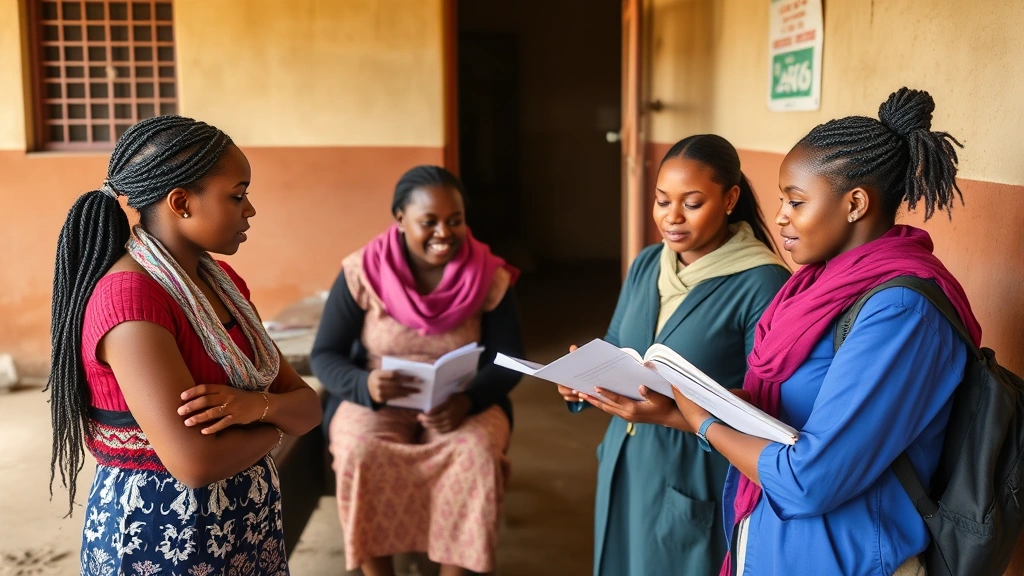
Education, particularly for women and girls, represents one of the most effective interventions for reducing fertility rates. Educated women typically have fewer children, space pregnancies better, and earn higher incomes. Education also improves economic productivity, enhancing societies’ capacity to support growing populations. Investing in growth mindset development through quality education creates positive feedback loops supporting sustainable development.
How does population growth affect water security?
Population growth intensifies water demand for agriculture, industry, and household consumption, while freshwater supplies remain relatively fixed. Over 2 billion people currently face high water stress, with population growth expanding this crisis. Climate change compounds challenges by altering precipitation patterns. Sustainable water management requires investing in infrastructure, improving agricultural efficiency, and potentially implementing water recycling and desalination technologies.


