Sunflower Growth Stages: Expert Insights on Nature’s Most Inspiring Plant
Sunflowers stand as nature’s most magnificent metaphor for personal transformation and resilience. These golden giants, scientifically known as Helianthus annuus, journey through distinct growth stages that mirror the human experience of development and achievement. From a tiny seed to a towering bloom reaching heights of twelve feet or more, sunflowers demonstrate the power of consistent growth, environmental adaptation, and unwavering focus toward a goal—much like the principles outlined in our personal growth framework.
Understanding sunflower plant growth stages offers more than botanical knowledge; it provides profound lessons applicable to your own development journey. Each phase presents unique challenges, requirements, and opportunities for success. Whether you’re cultivating an actual garden or nurturing your potential, the sunflower’s systematic progression teaches us that transformation doesn’t happen overnight—it unfolds through purposeful stages, each building upon the last.
This comprehensive guide explores every critical stage of sunflower development, offering expert insights into what makes these plants thrive and how their growth principles can inspire your personal evolution. We’ll examine the biological mechanisms driving each phase, the environmental factors that influence success, and the actionable lessons you can apply to your own growth journey.
Germination Stage: The Foundation of Growth
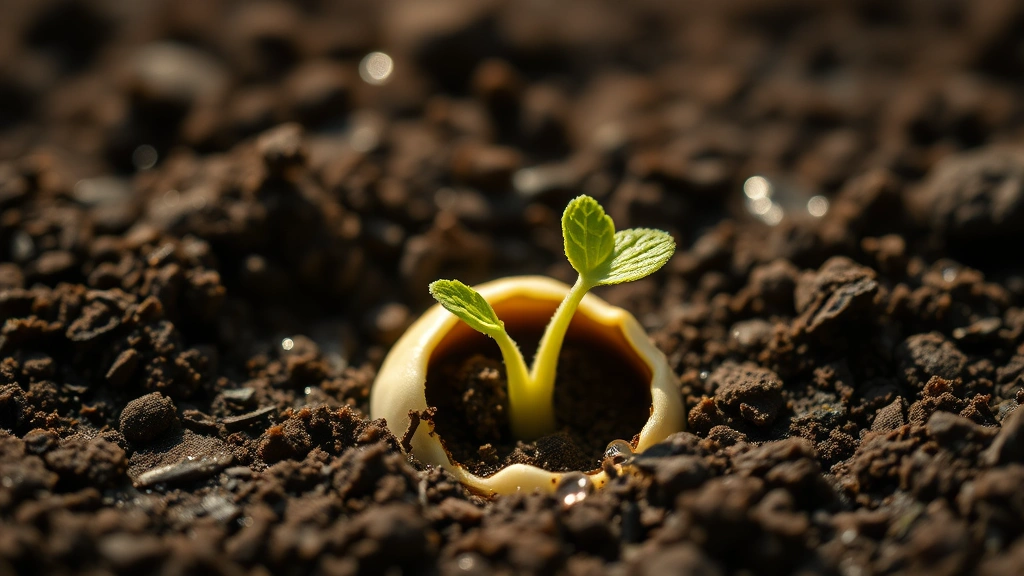
The germination stage represents the most critical beginning of any sunflower’s journey, typically lasting seven to ten days under optimal conditions. During this phase, the seed absorbs water through its protective coating, activating dormant enzymes and initiating cellular division. The primary root, called the radicle, emerges first, pushing downward into soil to establish the foundation for nutrient and water absorption. This initial phase demonstrates a fundamental principle: every significant achievement begins with proper preparation and foundational work.
Seeds require specific conditions to germinate successfully: soil temperatures between 50-85°F, consistent moisture without waterlogging, and adequate oxygen availability. The germination process is remarkably efficient—the seed contains stored energy reserves that fuel initial growth before the plant develops leaves for photosynthesis. This teaches us about the importance of preparation and resource management, similar to how you must prepare mentally and emotionally before pursuing ambitious goals, as explored in our comprehensive guide on goal setting.
Research from the Journal of Plant Physiology reveals that seed vigor—determined by proper storage, age, and pre-treatment—significantly impacts germination success rates. Quality matters from the beginning. Just as sunflowers benefit from high-quality seeds, your personal development depends on selecting quality information, mentors, and environmental influences.
Seedling Development: Building Resilience
Once germination completes, seedlings enter a vulnerable yet critical phase lasting approximately two to three weeks. During this stage, the plant develops its first true leaves—distinct from the initial seed leaves called cotyledons. The seedling must establish enough leaf surface area to conduct photosynthesis while simultaneously strengthening its root system and stem structure. This phase demands careful attention to watering, light exposure, and protection from environmental stressors.
Seedlings face numerous challenges: damping-off disease caused by fungal pathogens, insufficient light leading to etiolation (excessive stretching), pest damage, and temperature fluctuations. Plants that survive this stage develop stronger cell structures and more robust root systems. This mirrors the human experience of building resilience through manageable challenges—a concept central to developing a growth mindset.
The seedling stage teaches us about the importance of environmental design. Providing seedlings with bright light, proper air circulation, and consistent care dramatically improves survival rates. Similarly, your personal development thrives when you design your environment strategically—surrounding yourself with supportive people, minimizing distractions, and creating conditions conducive to growth.
Behavioral psychology research from the American Psychological Association demonstrates that early successes in challenging situations build self-efficacy and confidence. Seedlings that survive their vulnerable stage develop stronger genetic expression patterns that enhance future resilience. Your early wins, no matter how small, create neurological pathways supporting future achievement.
Vegetative Growth: Establishing Strength
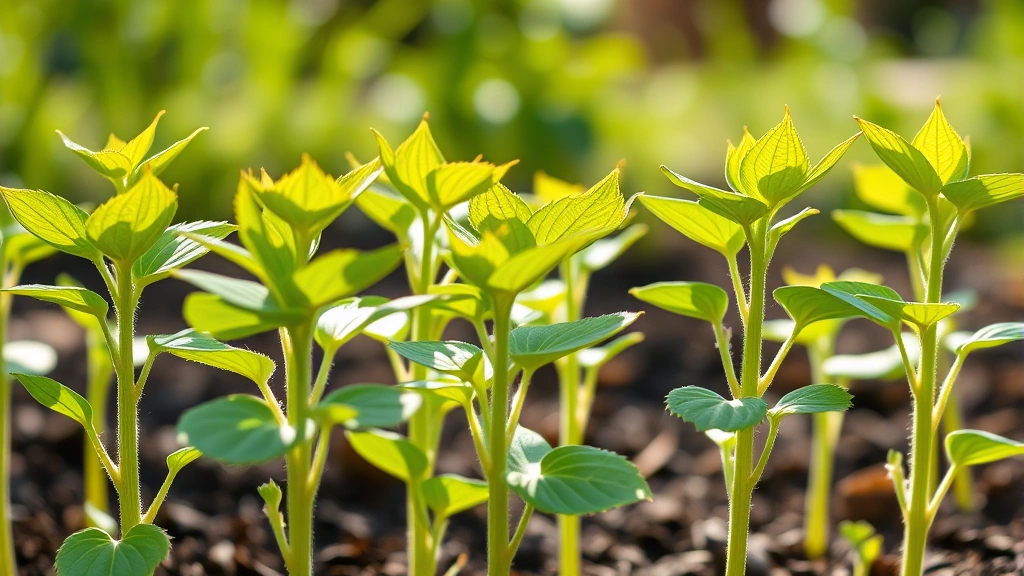
The vegetative growth stage, spanning four to eight weeks depending on variety and conditions, represents the plant’s primary focus on biomass accumulation. During this phase, sunflowers develop extensive leaf coverage, strengthen their stems, and expand their root systems significantly. The plant allocates maximum energy toward building the physical infrastructure necessary to support eventual flowering and seed production. Leaves photosynthesize continuously, converting sunlight into chemical energy that fuels growth.
Sunflowers demonstrate remarkable adaptability during vegetative growth. The classic heliotropic behavior—where young sunflower buds track the sun’s movement across the sky—occurs during this stage. This daily movement optimizes light exposure and even appears to enhance growth rates. The plant exhibits purposeful movement toward its ultimate goal, a powerful metaphor for maintaining focus on your objectives while remaining flexible in your approach.
During this phase, proper nutrition becomes increasingly important. Sunflowers are heavy feeders, requiring nitrogen for leaf development, phosphorus for root strength, and potassium for overall plant vigor. Environmental stressors like drought, excessive heat, or poor soil conditions can permanently limit a plant’s growth potential. This parallels human development: the resources and support you invest during your foundational growth stages determine your ultimate potential.
The vegetative stage teaches patience and consistent effort. There’s no shortcut to building genuine strength and capability. Just as overcoming procrastination requires consistent daily action, building personal capacity demands sustained effort over weeks and months.
Budding and Flowering: The Transformation Phase
The budding and flowering stage represents the dramatic transformation where months of preparation culminate in visible results. This phase typically begins eight to twelve weeks after planting and represents a fundamental shift in the plant’s physiology. The sunflower transitions from vegetative growth to reproductive focus, redirecting energy toward flower development rather than additional leaf production. The massive flower head—technically a composite flower containing hundreds to thousands of individual florets—begins forming.
The budding phase is visually subtle yet physiologically complex. Inside the developing bud, meristematic tissues organize into intricate patterns. The sunflower head displays remarkable mathematical precision, with florets arranged in logarithmic spirals following Fibonacci sequences. This organization isn’t random—it’s optimized for efficient pollen distribution and seed development. Nature demonstrates that true excellence emerges from precise organization and mathematical harmony.
During this stage, environmental conditions become more critical than ever. Insufficient water or nutrients during budding can result in incomplete flower development. Excessive heat or wind stress can damage the delicate developing florets. Yet paradoxically, some stress—not excessive, but moderate—can enhance color intensity and flower quality. This reflects the psychological concept of optimal challenge, where appropriate difficulty promotes excellence.
The flowering stage lasts approximately twenty days, during which the sunflower displays its full golden magnificence. This is when the plant becomes most visible and celebrated, yet this spectacular display represents merely the culmination of months of unglamorous, foundational work. Success in any field follows this pattern: extensive preparation enables brief periods of visible achievement and recognition.
Maturation and Seed Development: Reaching Peak Performance
After flowering concludes, the sunflower enters its maturation phase, lasting approximately twenty to thirty days. During this critical period, the plant focuses entirely on seed development and maturation. The flower head becomes progressively heavier as seeds develop and fill with nutritious oils. The plant’s leaves may begin yellowing and senescence, as the plant redirects remaining resources toward seed completion rather than maintaining vegetative tissue.
Seed development involves complex biochemical processes. Seeds accumulate oils—primarily linoleic and oleic acids—that serve as concentrated energy reserves for future germination and early growth. A single sunflower head can produce 1,000 to 2,000 seeds, each capable of becoming a complete new plant. The efficiency of this reproductive investment is extraordinary: the plant converts months of growth into thousands of potential futures.
This stage teaches a crucial lesson about priorities and resource allocation. The mature sunflower plant doesn’t maintain perfect foliage or continue vegetative expansion—it focuses ruthlessly on what matters most: producing viable seeds. Similarly, maintaining motivation requires focusing energy on high-impact activities rather than spreading yourself across numerous secondary concerns.
Research in Field Crops Research demonstrates that seed quality depends heavily on consistent water and nutrient availability during this maturation period. Stress during seed development reduces germination rates and vigor in subsequent generations. This illustrates how our actions during peak performance periods create lasting impacts extending beyond immediate results.

Harvesting: Completing the Cycle
The harvesting stage begins when seeds reach full maturity and the seed head begins drying. The back of the flower head transitions from green to brown or gray, and the seeds develop their characteristic striped patterns and hardened seed coats. At this point, the plant has completed its biological mission: creating viable seeds capable of perpetuating the species. Harvesting typically occurs 30-45 days after flowering concludes.
Determining optimal harvest timing requires observation and judgment. Seeds are ready when they separate easily from the seed head, and the seed coat achieves appropriate hardness. Harvesting too early results in immature seeds with poor germination. Waiting too long risks seed loss to birds and weather. This decision-making parallels real-world timing: knowing when to launch projects, when to pivot strategies, and when to complete cycles requires experience and careful observation.
Proper post-harvest handling preserves seed quality. Seeds must dry to appropriate moisture levels and be stored in cool, dry conditions. This investment in preservation ensures seeds remain viable for future planting. Similarly, the achievements and lessons you gain from completed projects must be preserved through documentation, reflection, and intentional knowledge transfer to future endeavors.
Environmental Factors Critical to Success
Throughout all growth stages, environmental conditions profoundly influence outcomes. Sunflowers require full sun—ideally six to eight hours of direct sunlight daily—to develop optimally. They tolerate diverse soil types but prefer well-draining soil with pH between 6.0 and 7.5. Water requirements vary by stage: seedlings need consistent moisture, vegetative plants require moderate, regular watering, and mature plants develop deeper roots enabling access to subsurface moisture.
Temperature affects growth rates and developmental timing. Warmer temperatures accelerate growth but may reduce flowering time, while cooler temperatures slow development. Wind, while providing some benefits through enhanced stem strength, can damage delicate flowers and increase water stress. Pests and diseases—including beetles, moths, and fungal pathogens—require monitoring and management throughout the season.
These environmental variables teach us that success requires understanding and optimizing our personal environments. Just as sunflower growers must provide proper sun, water, nutrients, and protection, you must design your life environment to support growth. This includes physical space, social relationships, information sources, and daily routines that collectively enable you to thrive.
FAQ
How long does the complete sunflower growth cycle take?
The entire sunflower growth cycle, from seed to mature plant with developed seeds, typically requires 70 to 100 days, depending on variety, climate conditions, and growing practices. Early maturing varieties may complete the cycle in 60-70 days, while some varieties require 120+ days.
What’s the difference between determinate and indeterminate sunflower varieties?
Most sunflowers are determinate, producing a single main flower head and completing their growth cycle predictably. Some varieties produce multiple flower heads sequentially, extending the productive period. Understanding your specific variety helps set appropriate expectations.
Can sunflowers regrow after the main flower is harvested?
Some varieties produce lateral branches with smaller secondary flowers after the main head is removed. However, most sunflowers focus their energy on a single main head. Removing the main flower redirects resources to seed development in that head rather than promoting new growth.
What causes sunflower seeds to fail during development?
Seed development failures typically result from insufficient water during maturation, nutrient deficiencies (particularly potassium and magnesium), excessive heat stress, poor pollination, or disease pressure. Consistent care during the maturation phase is essential for maximizing viable seed production.
How do sunflowers demonstrate heliotropism?
Young sunflower buds track the sun’s movement from east to west during the day, then reorient northward at night, ready to face the rising sun. This heliotropic behavior optimizes light exposure and may enhance growth rates. As plants mature and flower buds develop, this movement typically ceases.
What environmental conditions optimize sunflower growth?
Sunflowers thrive with full sun (6-8+ hours daily), well-draining soil, moderate and consistent water availability, temperatures between 70-78°F, and protection from excessive wind. These conditions enable each growth stage to progress optimally, from germination through seed maturation.


