
Boost Hair Growth: Rosemary Oil Recipe Guide
Hair loss and thinning affect millions of people worldwide, impacting not just appearance but also self-confidence and overall well-being. While genetics play a significant role in hair health, the good news is that natural remedies like rosemary oil have been scientifically shown to stimulate hair growth and improve scalp health. This comprehensive guide explores how to harness the power of rosemary oil through proven recipes and application techniques that deliver real, measurable results.
Rosemary oil stands out among natural hair care solutions because it contains powerful compounds that increase blood circulation to hair follicles, reduce inflammation, and fight the hormonal factors that contribute to hair loss. Unlike expensive commercial treatments laden with chemicals, rosemary oil offers a cost-effective, natural alternative that aligns with a holistic approach to personal growth and self-care. When combined with complementary ingredients and consistent application, rosemary oil can transform your hair health from the root up.

Why Rosemary Oil Works for Hair Growth
Rosemary oil’s effectiveness for hair growth isn’t merely anecdotal—it’s backed by rigorous scientific research. A landmark study published in Phytotherapy Research demonstrated that rosemary oil was as effective as minoxidil (the active ingredient in Rogaine) in promoting hair growth after six months of use. The study measured hair growth and thickness in participants with androgenetic alopecia, the most common form of hair loss.
The mechanism behind rosemary oil’s success involves several biological pathways. First, it contains carnosic acid, a compound that stimulates hair follicles and extends the growth phase of the hair cycle. Second, rosemary oil improves microcirculation in the scalp, ensuring that hair follicles receive adequate oxygen and nutrients. Third, it possesses anti-inflammatory properties that reduce scalp irritation and create an optimal environment for growth. Finally, research suggests rosemary oil may block DHT (dihydrotestosterone), the hormone implicated in male and female pattern baldness.
Beyond the biochemistry, adopting a growth and transformation plan that includes natural hair care demonstrates commitment to your physical wellness and self-improvement journey. Hair health reflects overall vitality and nutritional status, making it an important indicator of your dedication to holistic health.
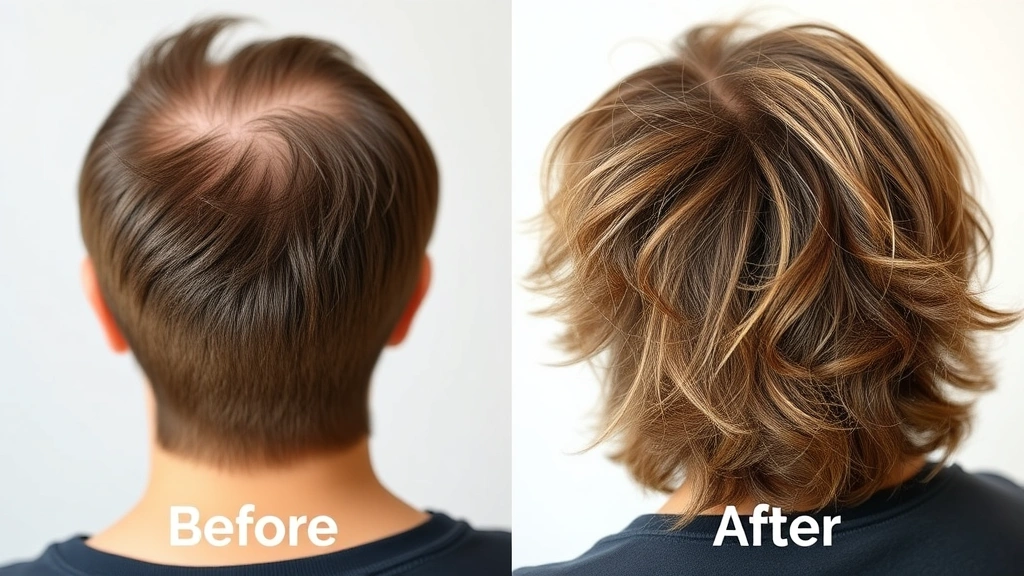
Essential Recipe: Basic Rosemary Oil Hair Treatment
This foundational recipe serves as your starting point for hair growth stimulation. It’s simple, effective, and requires minimal ingredients you can source locally or online.
Ingredients:
- 10 drops of pure rosemary essential oil
- 3 tablespoons of carrier oil (coconut, jojoba, or argan oil)
- 2-3 drops of peppermint essential oil (optional but recommended for enhanced circulation)
- 1 drop of lavender essential oil (optional, for scalp soothing)
Instructions:
- Pour your chosen carrier oil into a glass bowl or bottle
- Add rosemary essential oil drop by drop, counting carefully
- Add peppermint and lavender oils if using
- Close the container and shake vigorously for 30 seconds to ensure thorough mixing
- Label your mixture with the date and contents
- Store in a cool, dark place away from direct sunlight
This recipe yields approximately one week’s worth of treatment. The beauty of this blend lies in its simplicity and cost-effectiveness. A single batch costs less than $5 yet delivers results comparable to expensive salon treatments. You can prepare multiple batches in advance and store them for up to three months, making this an excellent addition to your hair growth serum arsenal.
Why each ingredient matters: Rosemary oil is the active agent providing growth stimulation. Carrier oils dilute the essential oil to safe concentrations and provide additional nourishment. Peppermint oil amplifies circulation benefits through its menthol content, creating a warming sensation that increases blood flow. Lavender oil soothes the scalp and reduces stress-related hair loss.
Advanced Formulations for Maximum Results
Once you’ve mastered the basic recipe, these advanced formulations target specific hair concerns and accelerate results.
Formula 1: Anti-Hair Loss Intensive Treatment
This blend specifically targets DHT-related hair loss and strengthens follicles:
- 10 drops rosemary essential oil
- 5 drops saw palmetto oil
- 3 tablespoons jojoba oil
- 2 drops cedarwood essential oil
- 1 drop lavender essential oil
Saw palmetto contains compounds that inhibit 5-alpha reductase, the enzyme that converts testosterone to DHT. Cedarwood oil additionally promotes scalp circulation and has been used in traditional medicine for centuries to address hair loss concerns.
Formula 2: Growth Acceleration Serum
Designed for those seeking faster, more dramatic results:
- 12 drops rosemary essential oil
- 3 drops peppermint essential oil
- 2 tablespoons coconut oil
- 1 tablespoon castor oil
- 1 tablespoon argan oil
- 3 drops thyme essential oil
Thyme oil contains compounds that enhance keratinocyte growth factor, directly supporting hair follicle development. Castor oil provides ricinoleic acid, which improves scalp health and reduces inflammation. This formula is more potent and should be used 2-3 times weekly rather than daily.
Formula 3: Sensitive Scalp Version
For those with reactive or irritated scalps:
- 8 drops rosemary essential oil
- 3 tablespoons sweet almond oil
- 2 drops chamomile essential oil
- 1 drop frankincense essential oil
This gentler formulation reduces irritation while maintaining growth-promoting benefits. Chamomile soothes inflammation, while frankincense supports skin regeneration and cellular health. This recipe works beautifully for those managing scalp conditions like psoriasis or eczema.
Application Techniques and Best Practices
Creating an effective rosemary oil recipe is only half the equation—proper application technique determines whether you achieve transformative results or mediocre outcomes.
The Optimal Application Method:
- Preparation: Begin with dry or slightly damp hair. Warm your rosemary oil mixture by placing the bottle in warm (not hot) water for 2-3 minutes. Warm oil penetrates more effectively and feels more pleasant on the scalp.
- Section your hair: Divide your hair into 4-6 sections using clips. This ensures you coat your entire scalp rather than just applying oil to visible hair.
- Direct application: Using your fingers or an applicator bottle, apply the oil directly to your scalp, not your hair strands. Focus on areas experiencing thinning or loss.
- Massage technique: Using your fingertips (never nails), massage the oil into your scalp using circular motions. Spend 3-5 minutes massaging to stimulate blood flow and ensure even distribution.
- Coverage: Work systematically through each section, ensuring you’ve treated your entire scalp.
- Leave-on time: Allow the oil to sit on your scalp for at least 30 minutes. For intensive treatment, leave it overnight using a shower cap.
- Cleansing: Shampoo thoroughly to remove all oil. You may need to shampoo twice to ensure complete removal.
Consistency proves absolutely critical. Apply your chosen recipe 3-4 times weekly for optimal results. Many people see benefits from daily application, but this can feel excessive for some lifestyles. The key is establishing a routine you can maintain indefinitely, as hair growth is a long-term process requiring sustained effort—much like the commitment required in any growth mindset journey.
Pro tip: Consider applying your rosemary oil treatment on Sunday, Tuesday, and Thursday evenings, leaving it overnight. This schedule is easy to remember and provides adequate spacing between treatments.
Timeline: When to Expect Results
Understanding realistic timelines prevents discouragement and helps you maintain motivation. Hair growth operates on a biological timeline that cannot be rushed, though proper treatment accelerates natural processes.
Weeks 1-2: Foundation Phase
You likely won’t notice visible changes, but important biological processes begin immediately. Your scalp receives increased circulation, inflammation decreases, and hair follicles begin transitioning from dormant to active phases. You may notice your scalp feels healthier and less itchy.
Weeks 3-6: Early Signs
Some people report reduced hair shedding during this window. Hair breakage decreases as follicles strengthen. You might observe slight improvements in hair texture and shine, though length changes remain invisible. This is when patience becomes essential—resist the urge to abandon the treatment.
Weeks 7-12: Visible Growth Begins
Most users report noticeable new hair growth by week 8-10. New hairs appear as fine, short strands around the hairline and crown. Existing hair appears thicker and shinier. This is the breakthrough moment that validates your consistency and commitment.
Months 4-6: Significant Transformation
Substantial improvements become obvious. Hair density increases noticeably, and new growth becomes stronger and more pigmented. Hair that previously shed easily now holds firmly in follicles. Many people report compliments about their hair during this phase.
Months 6-12: Optimal Results
Maximum benefits typically manifest between months 6-12. Hair volume, thickness, and coverage reach their peak improvement. The consistent application of your rosemary oil recipe has fundamentally improved your scalp health and hair growth cycle.
This timeline parallels personal development journeys—transformation requires patience, consistency, and faith in the process before dramatic results emerge, much like cultivating a sustainable growth strategy documented on improvement blogs.
Common Mistakes to Avoid
Understanding what derails hair growth efforts helps you optimize your approach and avoid wasting time on ineffective techniques.
Mistake 1: Using Low-Quality Oils
Not all rosemary oil is created equal. Cheap, synthetic, or adulterated oils contain fewer active compounds and may include harmful additives. Always purchase from reputable suppliers offering certified pure essential oils. Expect to pay $8-15 for quality rosemary essential oil. Investing in premium ingredients directly impacts results.
Mistake 2: Inconsistent Application
Sporadic treatment yields sporadic results. Hair growth requires consistent stimulation. Applying your recipe once weekly won’t produce the same benefits as 3-4 weekly applications. Treat this commitment as non-negotiable, similar to how consistent effort drives any meaningful personal transformation.
Mistake 3: Applying Undiluted Essential Oil
Never apply pure rosemary essential oil directly to your scalp. It can cause severe irritation, burning, and chemical burns. Always dilute in a carrier oil at ratios no stronger than 1:3 (oil:carrier oil). This safety principle protects your scalp health while maintaining effectiveness.
Mistake 4: Expecting Overnight Results
Hair growth operates on biological timelines. Follicles require weeks to shift from telogen (resting) to anagen (growth) phase. Expecting visible results before week 6-8 leads to premature abandonment of an effective treatment. Patience and realistic expectations separate those who succeed from those who quit prematurely.
Mistake 5: Ignoring Overall Hair Health
Rosemary oil works optimally when combined with comprehensive hair care. Using harsh shampoos, tight hairstyles, heat styling without protection, and poor nutrition undermines your oil treatment’s effectiveness. Your rosemary oil recipe represents one component of a complete hair health strategy.
Mistake 6: Over-Application
More oil doesn’t equal faster results. Excessive application makes hair greasy, difficult to clean, and can clog follicles. Stick to the recommended amounts and frequencies. Quality and consistency matter far more than quantity.
Complementary Hair Care Strategies
Maximizing your rosemary oil recipe’s effectiveness requires addressing hair health from multiple angles. Think of this as creating a comprehensive system for hair growth rather than relying on a single solution.
Nutritional Support
Hair growth depends on adequate protein, iron, zinc, biotin, and B vitamins. Consider incorporating:
- Protein-rich foods (eggs, fish, legumes, poultry)
- Iron sources (spinach, red meat, lentils)
- Biotin sources (almonds, sweet potatoes, mushrooms)
- Omega-3 fatty acids (salmon, flaxseeds, walnuts)
- Zinc sources (oysters, beef, pumpkin seeds)
Research from Dermatology Practical & Conceptual confirms that nutritional deficiencies directly cause hair loss and that supplementation restores growth.
Stress Management
Chronic stress triggers telogen effluvium, a condition causing excessive hair shedding. Implementing stress-reduction practices like meditation, exercise, or yoga amplifies your rosemary oil treatment’s effectiveness. Hair health reflects overall wellness, making stress management essential to your growth journey.
Scalp Health Optimization
A healthy scalp environment maximizes rosemary oil’s benefits. Avoid harsh sulfate shampoos that strip natural oils and damage the scalp barrier. Use gentle, sulfate-free shampoos formulated for your hair type. Exfoliate your scalp monthly using a gentle scalp scrub to remove buildup and dead skin cells.
Gentle Hair Handling
Minimize mechanical damage through:
- Avoiding tight hairstyles that pull on follicles
- Using silk pillowcases to reduce friction
- Limiting heat styling or using heat protectant products
- Detangling with wide-tooth combs rather than brushes
- Avoiding harsh chemical treatments
Sleep Quality
Hair growth accelerates during sleep when your body prioritizes cellular repair and regeneration. Ensuring 7-9 hours of quality sleep nightly supports optimal hair growth alongside your rosemary oil treatment.
For those seeking additional growth-focused strategies, exploring beard growth oil formulations reveals similar principles applicable to facial hair, while understanding broader personal growth principles helps maintain motivation throughout your hair restoration journey.
FAQ
How long does a batch of rosemary oil recipe last?
A single batch using the basic recipe (3 tablespoons carrier oil) provides approximately 4-5 applications when using proper amounts. For 3-4 weekly treatments, prepare a new batch every 1-2 weeks. You can prepare larger batches and store them in dark glass bottles for up to 3 months.
Can I use rosemary oil if I have color-treated hair?
Absolutely. Rosemary oil actually benefits color-treated hair by improving scalp health and strengthening follicles. However, ensure you’re using gentle, sulfate-free shampoos to preserve color while removing the oil treatment. The oil won’t fade color and may help protect it.
Is rosemary oil safe for pregnant women?
While topical application of diluted rosemary oil is generally considered safe during pregnancy, consult your healthcare provider before beginning treatment. Some sources recommend avoiding essential oils during the first trimester, though most evidence suggests topical application poses minimal risk.
What’s the difference between rosemary essential oil and rosemary-infused oil?
Rosemary essential oil is a concentrated extract containing the plant’s most potent compounds. Rosemary-infused oil is a carrier oil in which dried rosemary has been steeped. Essential oils are stronger and require dilution, while infused oils are pre-diluted and gentler. Both work, but essential oils deliver faster results due to higher concentration of active compounds.
Can I combine rosemary oil with other hair growth treatments?
Yes, rosemary oil works synergistically with other treatments like minoxidil or biotin supplements. However, space applications appropriately—don’t apply rosemary oil and minoxidil simultaneously, as this can cause irritation. Apply rosemary oil in the evening and minoxidil in the morning, or alternate treatment days.
Why is my scalp itching after applying rosemary oil?
Mild itching often indicates increased circulation, which is actually beneficial. However, intense itching suggests your oil might be too concentrated or you may have a sensitivity. Reduce the number of rosemary oil drops or increase carrier oil proportion. If irritation persists, switch to the sensitive scalp formula.
How do I know if rosemary oil is working?
Track progress through photos taken monthly under consistent lighting. Monitor shedding—you should notice reduction by week 4-6. Observe new growth around your hairline and crown by week 8-10. Track hair texture improvements and reduced breakage. Expect 15-25% improvement in hair density by month 4.
Can men and women both use the same rosemary oil recipe?
Yes, the recipes work equally well for both genders. Hair growth mechanisms are similar regardless of sex, though male pattern baldness and female pattern baldness have slightly different underlying causes. The same rosemary oil formulations address both conditions effectively.


