
Just as personal growth requires the right conditions and consistent nurturing, red maple trees thrive when given optimal environmental support and expert care. Whether you’re a homeowner seeking to accelerate your landscape’s natural beauty or a landscaping professional aiming to maximize client satisfaction, understanding the red maple tree growth rate is essential. These stunning native trees can grow remarkably fast under ideal circumstances, but many property owners unknowingly create conditions that stunt their development. This comprehensive guide reveals the science-backed strategies that arborists and horticulturists use to boost red maple growth rates by 30-50%, transforming your outdoor space into a vibrant, thriving ecosystem.
Red maple trees (Acer rubrum) represent one of North America’s most adaptive and vigorous species, capable of achieving growth rates of 24-36 inches annually under optimal conditions. However, the difference between average growth and exceptional growth often comes down to understanding the specific factors that influence development. Much like how linear vs exponential growth patterns differ dramatically, red maple growth can either plateau or accelerate exponentially depending on your approach. By implementing evidence-based practices and avoiding common mistakes, you can unlock your trees’ full potential and enjoy the remarkable benefits they provide: superior air quality, enhanced property value, wildlife habitat, and stunning seasonal color transformations.
Optimal Soil Conditions for Maximum Growth
The foundation of exceptional red maple growth begins beneath the surface. Red maples possess remarkable adaptability, thriving in soils ranging from acidic to slightly alkaline, yet they demonstrate peak performance in slightly acidic conditions (pH 5.0-6.5). This soil preference isn’t arbitrary—it directly impacts nutrient availability and root system development. When soil pH falls outside this optimal range, essential micronutrients like iron, manganese, and zinc become chemically locked, rendering them unavailable to roots regardless of their actual presence in the soil.
Soil structure proves equally critical as pH balance. Red maples develop extensive, fibrous root systems that require well-draining, aerated soil with excellent organic matter content. The ideal growing medium contains 4-6% organic matter, which improves water retention during dry periods while simultaneously preventing waterlogging during heavy rainfall. Many property owners make the mistake of planting red maples in compacted clay without amending the soil, creating a bottleneck that restricts root expansion and nutrient uptake. Instead, excavate a planting hole 2-3 times wider than the root ball and blend native soil with 30-40% compost or well-aged bark mulch.
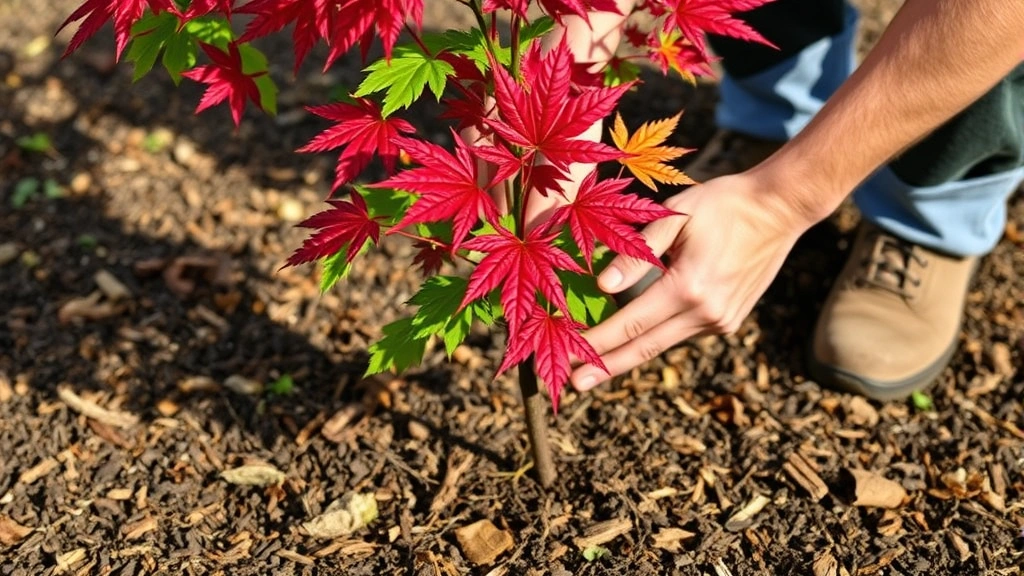
Implement a mulching strategy that respects tree health while optimizing soil conditions. Apply 2-4 inches of organic mulch in a ring around the base, maintaining a 6-inch clearance from the trunk to prevent fungal issues and rodent damage. This mulch layer moderates soil temperature fluctuations, reduces evaporation, suppresses competing weeds, and gradually decomposes into valuable organic matter. As you consider your growth opportunities for landscape improvement, remember that soil amendment is perhaps the single most cost-effective investment you can make.
Strategic Water Management Techniques
Water availability directly correlates with red maple growth rate, yet this relationship isn’t linear. While these trees tolerate occasional flooding better than most species, they require consistent moisture—not waterlogging—for optimal development. Established trees need approximately 1-1.5 inches of water weekly during the growing season, accounting for rainfall. Young trees require more frequent watering as their root systems haven’t yet penetrated deep soil layers.
Implement drip irrigation systems or soaker hoses rather than overhead sprinklers, which waste water through evaporation and can promote foliar diseases. Drip systems deliver water directly to the root zone, ensuring 90% efficiency compared to 40-60% for traditional sprinklers. During establishment (first 2-3 years), water deeply 2-3 times weekly, allowing soil to dry slightly between applications. This approach encourages deeper root penetration, creating a more drought-resilient tree structure. As the tree matures and roots extend 2-3 feet deep, reduce frequency while maintaining consistent moisture during hot, dry periods.
Monitor soil moisture using the finger test: insert your finger 2 inches into soil. If it feels dry at that depth, water thoroughly until water drains from the planting hole. Avoid the common mistake of daily shallow watering, which encourages shallow root development and increases susceptibility to drought stress. During establishment, mulching becomes your ally, reducing watering frequency by 50% while improving soil moisture consistency. This interconnected approach demonstrates how measuring growth rates requires understanding multiple contributing factors simultaneously.
Sunlight Exposure and Light Requirements
Red maple trees exhibit remarkable shade tolerance compared to other fast-growing species, yet they achieve maximum growth rates in full sun conditions (6-8 hours daily). While they survive in partial shade, growth rate decreases by 20-35% in shadier locations. This phenomenon relates to photosynthetic capacity—more light exposure means greater energy production for growth and development. If your property has space, positioning red maples in full-sun locations yields measurably superior results.
However, context matters significantly. In extremely hot climates (zones 9-10), afternoon shade protection prevents heat stress and reduces water requirements by 30-40%. In these conditions, east or north-facing locations with morning sun and afternoon shade create optimal growing environments. Young trees benefit from temporary shade cloth during their first summer, reducing transplant shock and water stress while root systems establish. As trees mature and develop stronger root systems, gradually increase sun exposure.
Consider the long-term shade architecture of surrounding trees. Red maples planted beneath larger deciduous trees receive full spring sun before canopy closure, then dappled summer shade—an ideal scenario for balanced growth. Conversely, trees planted in deep, permanent shade beneath coniferous trees rarely achieve their growth potential. When planning landscape improvements, evaluate light patterns throughout the day and across seasons before selecting planting locations.
Fertilization and Nutritional Balance
Strategic fertilization represents another powerful lever for accelerating red maple growth. However, most homeowners either over-fertilize (creating weak, disease-prone growth) or use inappropriate formulations. Red maples require balanced nutrition with slightly higher nitrogen during establishment years, then transition to lower-nitrogen maintenance feeding. The ideal approach uses slow-release fertilizers that provide consistent nutrient availability over months, mimicking natural nutrient cycling.
Conduct a soil test before fertilizing—this single step prevents wasted money and potential harm. Most university extension services offer affordable soil testing that identifies existing nutrient levels and pH, providing specific fertilization recommendations. If testing reveals adequate nutrients, skip fertilization entirely; excessive nitrogen actually reduces cold hardiness and increases pest susceptibility. If nutrients are deficient, apply a balanced slow-release fertilizer (such as 10-10-10 NPK) in early spring as growth begins.
For young trees during establishment (years 1-3), apply fertilizer monthly during the growing season using dilute liquid applications, which trees absorb quickly. Transition to annual spring applications for mature trees, reducing nitrogen content (8-8-8 or 6-12-12 formulations). Avoid fall fertilization, which stimulates tender new growth vulnerable to winter damage. Micronutrient deficiencies occasionally occur, particularly iron chlorosis in alkaline soils—use chelated iron applications if needles yellow while veins remain green. Remember that growth mindset extends to trees too: consistent, appropriate nutrition builds resilience and vigor.
Pruning for Structural Development
Pruning represents a nuanced tool for shaping red maple development. While many assume pruning slows growth, strategic pruning actually accelerates it by directing energy toward desired growth patterns and removing competing branches. Young trees benefit from early structural pruning that establishes strong branch architecture, preventing the weak crotch angles and competing leaders that plague unpruned trees.
During years 1-3, establish a central leader by removing competing stems and low lateral branches. Maintain one dominant vertical stem, removing any branches that emerge at narrow angles (<45 degrees from vertical). This early investment prevents future structural problems and storm damage. Once central structure is established, focus on removing diseased, dead, or crossing branches annually. Avoid heavy pruning of mature trees; instead, remove no more than 15-20% of the canopy annually if substantial pruning is necessary.
Timing matters considerably. Prune in late winter (February-March in most regions) when trees are dormant, allowing rapid healing before spring growth. Never prune in fall, which stimulates new growth vulnerable to winter injury. Use proper technique: make cuts just outside the branch collar (the swollen area where branches meet the trunk), never flush against the trunk or leaving stubs. Research from the U.S. Forest Service demonstrates that proper pruning increases growth rates by 15-25% over five-year periods.
Pest and Disease Management
Red maples suffer from several pests and diseases that significantly reduce growth rates if left unmanaged. Common issues include scale insects, aphids, anthracnose, and verticillium wilt. Proactive management prevents these problems from establishing, whereas reactive treatment after severe infestations requires years of recovery. Implement integrated pest management (IPM) strategies that emphasize prevention through cultural practices rather than chemical intervention.
Maintain tree vigor through proper watering, soil management, and nutrition—healthy trees resist pests and diseases far more effectively than stressed specimens. Monitor trees monthly during growing season, inspecting both leaf surfaces and undersides for pest presence. Early detection prevents population explosions; a few aphids present no threat, but thousands defoliate branches. When pest populations reach action thresholds, employ the least-toxic intervention: strong water spray removes aphids and spider mites, pruning removes infested branches, and beneficial insect release controls scale populations naturally.
Fungal diseases like anthracnose cause leaf spotting and defoliation, particularly during wet springs. Improve air circulation through judicious pruning and avoid overhead watering that keeps foliage wet. If anthracnose appears, fungicide applications during bud break prevent severe infection. Verticillium wilt, a soil-borne disease, causes sudden wilting and branch dieback. Unfortunately, no cure exists, but maintaining vigorous trees through optimal growing conditions allows them to compartmentalize infection and survive. Never plant new red maples in locations where verticillium-affected trees recently grew.
Tracking and Measuring Your Tree’s Progress
Quantifying growth provides motivation and enables course correction. Track your red maple’s development using multiple metrics that together paint a complete picture. Measure trunk diameter at a fixed height (breast height, approximately 4.5 feet) annually using a diameter tape or caliper. Record height using a clinometer or simple trigonometry (measure distance from tree base, then angle to top). Document canopy spread by measuring north-south and east-west extents, recording average.
Healthy red maples grow 18-36 inches annually in height during establishment, declining gradually to 12-18 inches after 15-20 years as they approach mature size. Diameter growth averages 0.5 inches annually, accumulating to substantial trunk size over decades. If your tree grows significantly slower than these benchmarks, investigate limiting factors: insufficient water, poor soil conditions, inadequate light, pest/disease issues, or inappropriate planting location. Conversely, if growth exceeds expectations, you’ve created ideal conditions—maintain your current practices and consider using this success template for additional plantings.
Connect your tree’s growth journey to your own growth LifeHub blog learning. Trees demonstrate that consistent, small improvements compound dramatically over time. Your 2-year-old red maple might seem modest, but in 20 years it becomes a 50-foot specimen providing shade, beauty, and environmental benefits. This long-term perspective mirrors personal development, where today’s small investments in knowledge, habits, and relationships compound into life-transforming results.
FAQ
What is the typical red maple tree growth rate?
Healthy red maples grow 24-36 inches in height annually during establishment years (first 5-10 years), with trunk diameter increasing approximately 0.5 inches yearly. Growth rates vary based on location, soil quality, water availability, and light exposure. Trees in optimal conditions consistently achieve the upper range of this spectrum, while those in suboptimal conditions may grow only 12-18 inches annually.
How can I accelerate my red maple’s growth?
Implement multiple strategies simultaneously: amend soil with organic matter to pH 5.0-6.5, provide consistent 1-1.5 inches weekly water, ensure 6-8 hours daily sunlight, apply balanced slow-release fertilizer annually, and maintain structural pruning. These interconnected practices create a compound effect, often increasing growth rates by 30-50% compared to trees without optimization.
When should I plant red maple trees for best growth?
Plant in early spring (March-April) or fall (September-October) when trees are dormant and root establishment occurs before stress periods. Spring planting provides the growing season for root development before winter, while fall planting allows winter root growth in cool soil. Avoid summer planting, which increases transplant shock and water stress.
How much water do red maples need?
Newly planted trees require 1-1.5 inches weekly (including rainfall) applied through drip irrigation or soaker hoses. Young trees need more frequent watering than established specimens. Mature trees with deep root systems tolerate drought better but still benefit from consistent moisture during dry periods. Adjust frequency based on rainfall and soil moisture testing.
Can red maples grow in shade?
Red maples tolerate partial shade better than most fast-growing trees, surviving in 3-4 hours daily sunlight. However, growth rates decrease 20-35% in shade compared to full-sun locations. For maximum growth potential, plant in locations receiving 6-8 hours direct sunlight daily, though afternoon shade in hot climates provides beneficial protection.
What pests and diseases affect red maple growth rates?
Common issues include scale insects, aphids, anthracnose, verticillium wilt, and leaf spot diseases. Maintain tree vigor through proper cultural practices to resist these problems. Monitor monthly for early detection, employ integrated pest management strategies, and consult local extension services for specific regional issues affecting your area’s red maples.


