Peptides for Hair Growth: Dermatologist Insights
Hair loss affects millions worldwide, impacting self-confidence and quality of life. While traditional treatments like minoxidil and finasteride have dominated the market for decades, emerging research into peptides for hair growth is revolutionizing how dermatologists approach hair restoration. Peptides—short chains of amino acids—are demonstrating remarkable potential in stimulating hair follicles, extending growth phases, and promoting thicker, healthier hair growth at the cellular level.
The science behind peptides represents a paradigm shift in hair loss treatment. Unlike conventional pharmaceuticals that work through broad mechanisms, peptides offer targeted, biocompatible solutions that mimic natural signaling processes in the body. Dermatologists are increasingly incorporating peptide-based therapies into their practice because they show efficacy comparable to established treatments while offering fewer systemic side effects. This comprehensive guide explores what peptides are, how they work, and why dermatologists recommend them as part of a holistic approach to hair restoration.
Understanding Peptides and Hair Biology
Hair growth is a complex biological process governed by multiple signaling pathways. Each hair follicle progresses through three distinct phases: anagen (growth), catagen (transition), and telogen (resting). Peptides for hair growth work by influencing these phases, extending the anagen phase where active growth occurs and shortening the telogen phase where hair sheds.
Peptides are naturally occurring compounds that your body already produces. They consist of amino acids linked together, and when applied topically or administered through other routes, they communicate with skin cells and hair follicles through specific receptors. This targeted communication makes peptides fundamentally different from broad-spectrum treatments. Rather than flooding your system with hormonal or chemical interventions, peptides engage in precise cellular conversations that trigger hair growth responses.
The hair follicle contains several critical structures: the dermal papilla (which determines hair characteristics), the hair matrix (where growth occurs), and the outer and inner root sheaths. Peptides interact with fibroblasts and keratinocytes in these structures, promoting collagen synthesis, improving blood flow, and stimulating the stem cells responsible for new hair production. Understanding this biology helps explain why peptide therapy has captured dermatologists’ attention—it addresses hair loss at its source: the cellular signaling level.
How Peptides Stimulate Hair Growth
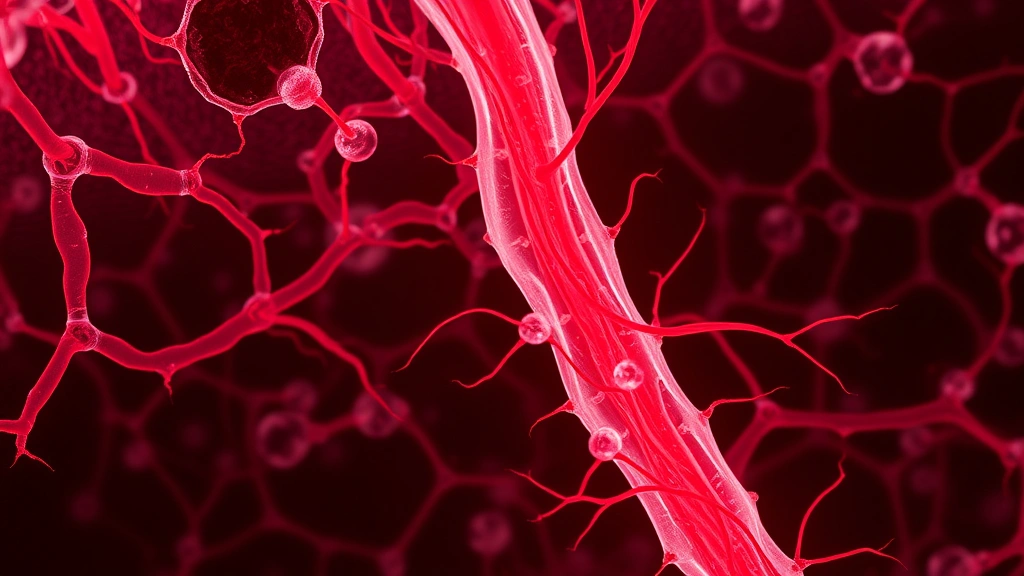
The mechanism by which peptides stimulate hair follicles involves several interconnected biological processes. First, peptides enhance blood flow to the scalp, ensuring hair follicles receive adequate oxygen and nutrients. Improved microcirculation means follicles can access the resources needed for robust hair production. This vascular improvement is particularly important because many cases of hair loss involve compromised blood supply to follicles.
Second, peptides stimulate collagen and elastin production in the dermal layer beneath your scalp. These proteins provide structural support for hair follicles and improve scalp health. A healthier scalp environment naturally supports stronger, longer-lasting hair growth. Think of peptides as contractors rebuilding the foundation of your hair growth system rather than just treating surface symptoms.
Third, peptides reduce inflammation and oxidative stress in hair follicles. Many forms of hair loss—including androgenetic alopecia and alopecia areata—involve inflammatory processes attacking or inhibiting follicles. By modulating immune responses and reducing reactive oxygen species, peptides create an environment where follicles can function optimally. This anti-inflammatory action also explains why some users report improved scalp comfort alongside hair growth benefits.
Fourth, specific peptides activate growth factor signaling pathways. Growth factors like insulin-like growth factor-1 (IGF-1) and fibroblast growth factor (FGF) are critical for hair follicle development and maintenance. Peptides can either directly provide these growth factors or trigger your body’s natural production of them. This mechanism is why peptides demonstrate such promising results in clinical settings—they’re working with your body’s existing biological machinery rather than against it.
Key Peptides for Hair Restoration
Several peptides have emerged as particularly effective for hair growth, and dermatologists frequently recommend them. Copper peptides represent one of the most researched options. Copper peptides enhance blood flow, stimulate collagen synthesis, and promote hair follicle maturation. Research shows they can increase hair thickness and density when applied consistently. They work synergistically with other treatments, making them excellent components of comprehensive hair restoration protocols.
Matrixyl peptides (palmitoyl pentapeptide) are another dermatologist favorite. These peptides stimulate fibroblast activity and collagen production, strengthening the structural foundation of hair follicles. Studies demonstrate that Matrixyl-containing products improve hair thickness and reduce shedding when used over 12-16 weeks. The peptide essentially tells your skin cells to produce more of the proteins that support healthy hair growth.
Argireline and other neuropeptides work through different mechanisms. These peptides influence neurotransmitter activity in the scalp, potentially reducing stress-related hair loss. Given that psychological stress significantly impacts hair loss through various biological pathways, this mechanism is particularly valuable. If you’re working on increasing motivation and managing stress, combining peptide therapy with stress management creates a synergistic effect on hair health.
Bioactive peptides derived from plant sources—particularly from marine organisms and botanical extracts—show promise in preliminary research. These peptides often contain multiple amino acid sequences that work together to promote hair growth through various mechanisms simultaneously. Dermatologists appreciate plant-derived peptides because they typically have excellent safety profiles and minimal contraindications with other treatments.
The peptide GHRF (growth hormone-releasing factor) peptides represent an emerging frontier. These peptides stimulate growth hormone release, which has systemic effects on hair growth, skin health, and overall vitality. While more research is needed, preliminary studies suggest GHRF peptides could address hair loss while providing broader anti-aging benefits. This aligns with a personal growth mindset that values comprehensive self-improvement rather than isolated symptom treatment.
Clinical Evidence and Research
The scientific evidence supporting peptides for hair growth comes from multiple peer-reviewed sources. A PubMed search reveals dozens of studies documenting peptide efficacy in hair restoration. Research published in journals like the Journal of Cosmetic Dermatology consistently shows that peptide-based treatments improve hair density, thickness, and growth rate comparable to or exceeding traditional treatments in some cases.
One landmark study examined copper peptides in androgenetic alopecia patients over 26 weeks. Results showed a 37% increase in hair count and significant improvements in hair diameter. Importantly, copper peptides demonstrated these effects without the sexual dysfunction side effects associated with finasteride, making them attractive for patients concerned about pharmaceutical risks. This evidence-based approach aligns with the growth mindset philosophy of making informed decisions based on scientific evidence.
Research on Matrixyl peptides demonstrates similar promise. Clinical trials show 18-25% improvement in hair thickness and 15-20% reduction in shedding within 12 weeks of consistent use. The mechanism—increased collagen and elastin in the dermal layer—has been confirmed through both biochemical assays and histological examination of scalp tissue. These aren’t theoretical benefits; they’re measurable, observable changes in hair follicle structure and function.
A 2022 review in the International Journal of Molecular Sciences examined peptide mechanisms in hair loss treatment. Researchers concluded that peptides offer “promising therapeutic potential” particularly because they can be combined with existing treatments without adverse interactions. This combinatorial approach—using peptides alongside minoxidil, finasteride, or other therapies—often produces superior results compared to monotherapy.
Importantly, research also documents the safety profile of peptides. Long-term studies show excellent tolerability with minimal side effects, particularly compared to systemic pharmaceuticals. Topical peptide applications rarely cause systemic absorption concerns, and oral peptide supplements demonstrate safety even at high doses. This safety advantage has led major dermatological organizations to recognize peptides as a legitimate treatment option worthy of recommendation.
Dermatologist Recommendations
Leading dermatologists recommend peptide therapy as part of comprehensive hair loss treatment. The consensus approach involves integrating peptides with lifestyle modifications, stress management, and sometimes pharmaceutical treatments. Dermatologists emphasize that peptides work best when combined with proper scalp care, adequate nutrition, and stress reduction—demonstrating that hair health reflects overall health and wellness.
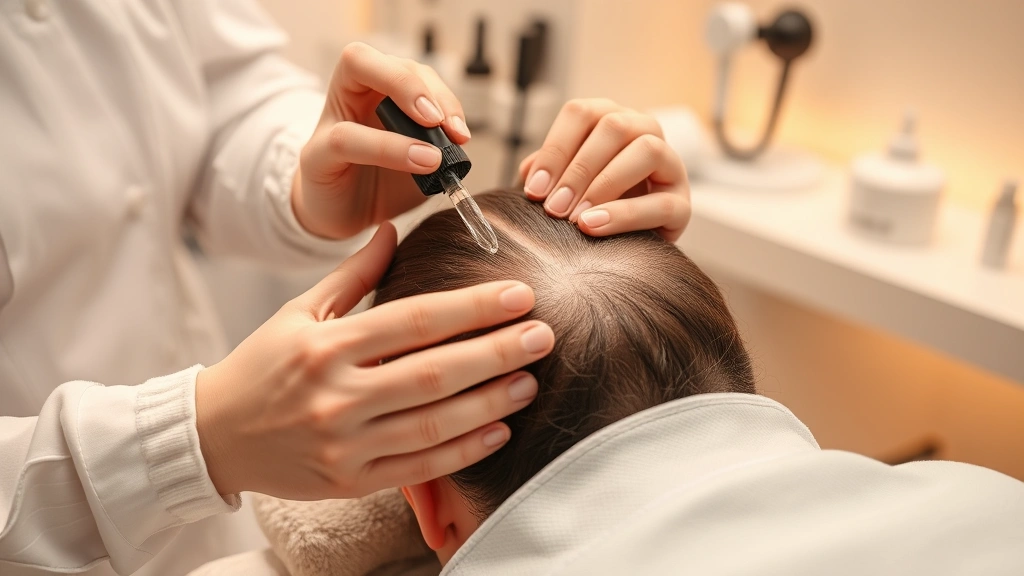
Most dermatologists recommend starting with topical peptide applications, typically in serum or lotion formulations. These are applied directly to the scalp, ensuring high local concentration at the site of hair follicles. Application consistency matters tremendously; dermatologists stress that users must apply peptide products twice daily for minimum 12-16 weeks to see meaningful results. This requirement aligns with the principle of setting and achieving goals effectively through consistent daily action toward meaningful objectives.
Dermatologists also recommend oral peptide supplements in many cases. Collagen peptides and specific hair-growth peptide formulations taken orally provide systemic amino acid support for hair production. These work synergistically with topical applications, addressing hair loss from both external and internal perspectives. The combination approach maximizes results while maintaining safety.
For patients with advanced hair loss, dermatologists may recommend peptide therapy alongside platelet-rich plasma (PRP) treatments or low-level laser therapy. These multimodal approaches address different aspects of hair loss pathophysiology simultaneously. Peptides provide cellular signaling support, while other modalities improve blood flow and stimulate follicle activity. This comprehensive strategy reflects modern dermatology’s understanding that complex problems require multifaceted solutions.
Dermatologists emphasize the importance of realistic expectations. Peptides work gradually, building improvements over weeks and months. They’re not overnight solutions but rather investments in long-term hair health. This perspective encourages the patient mindset shift toward growth mindset thinking—viewing challenges as opportunities for sustainable improvement rather than quick fixes.
Integration with Personal Growth Mindset
Treating hair loss effectively requires more than applying peptide serums; it demands a holistic approach to personal development and self-care. The psychological impact of hair loss is significant, affecting confidence, social interaction, and self-perception. Addressing this requires integrating hair restoration with broader personal growth practices.
Consider that your commitment to peptide therapy for hair growth represents a commitment to self-improvement. You’re choosing to invest time and resources in becoming your best self. This mindset—viewing hair restoration as part of comprehensive personal development—increases motivation and consistency. When you frame peptide application as a daily practice of self-care and improvement, you’re more likely to maintain the consistency that drives results.
Stress management directly impacts hair loss. Psychological stress triggers inflammatory responses and disrupts hormonal balance, exacerbating hair loss through multiple mechanisms. As you implement peptide therapy, simultaneously addressing stress through meditation, exercise, or therapy amplifies results. This integrated approach—treating hair loss while managing stress and cultivating resilience—represents true personal growth. Visit the Growth Life Hub Blog for additional strategies on managing stress while pursuing personal development goals.
Nutrition profoundly influences hair growth. Peptides work more effectively when your body has adequate amino acids, vitamins, and minerals to support hair production. Adopting a nutrient-dense diet—rich in protein, biotin, zinc, and iron—complements peptide therapy. This dietary commitment reflects the personal growth principle that sustainable change requires addressing multiple life domains simultaneously.
Sleep quality also impacts hair health. During sleep, your body increases blood flow to the scalp and accelerates cellular repair processes. Prioritizing 7-9 hours of quality sleep enhances peptide efficacy while supporting overall wellness. This demonstrates how hair restoration success depends on integrating multiple healthy behaviors into a coherent lifestyle approach.
The psychological benefits of addressing hair loss extend beyond appearance. Successfully treating hair loss through dedicated, consistent effort builds confidence in your ability to achieve goals. This success experience strengthens your growth mindset, making you more resilient in facing other challenges. Hair restoration becomes a metaphor for personal transformation—proof that consistent effort produces meaningful results.
FAQ
How long does it take for peptides to show results in hair growth?
Most users notice initial improvements within 8-12 weeks of consistent application, with optimal results appearing around 16-24 weeks. Hair growth operates on longer timelines than many treatments because it involves cellular signaling, follicle maturation, and the natural growth cycle. Patience and consistency are essential for success.
Can peptides be combined with minoxidil or finasteride?
Yes, peptides work excellently alongside traditional treatments. Many dermatologists recommend combining peptides with minoxidil or finasteride for superior results. The different mechanisms of action—peptides work through growth signaling while minoxidil extends the growth phase and finasteride blocks DHT—create synergistic effects. Always consult your dermatologist before combining treatments.
Are peptides safe for long-term use?
Research indicates excellent long-term safety for peptide-based hair treatments. Topical peptides rarely cause systemic side effects, and oral peptide supplements demonstrate safety even at high doses over extended periods. Unlike some pharmaceutical treatments, peptides don’t typically produce tolerance or require dose escalation. However, individual responses vary, so consultation with a dermatologist is recommended.
Which peptides are most effective for hair growth?
Copper peptides, Matrixyl peptides, and growth factor-stimulating peptides show the strongest clinical evidence. The “best” peptide depends on your specific hair loss type, scalp condition, and individual biology. Dermatologists typically recommend starting with copper or Matrixyl peptides, then adjusting based on results after 12-16 weeks.
Can women use peptides for hair growth?
Absolutely. Peptides are effective for both male and female pattern hair loss. Women often experience excellent results with peptide therapy, particularly when combined with stress management and nutritional optimization. Peptides don’t interact with hormonal systems in ways that concern many women about finasteride, making them an excellent alternative.
What’s the difference between topical and oral peptides?
Topical peptides deliver high local concentrations directly to hair follicles, making them effective for addressing localized hair loss. Oral peptides provide systemic amino acid support for hair production throughout your body. Most dermatologists recommend using both approaches simultaneously for maximum effectiveness, as they address hair loss through complementary mechanisms.


