Peptides for Hair Growth: Dermatologist Insights and Evidence-Based Solutions
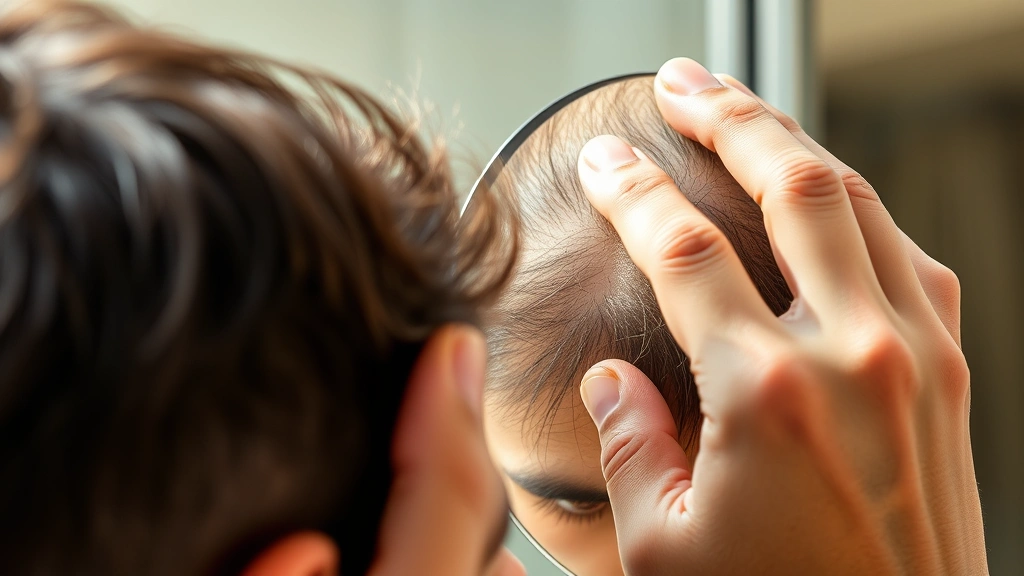
Hair loss affects millions of people worldwide, impacting not just physical appearance but also self-confidence and psychological well-being. While traditional treatments like minoxidil and finasteride have dominated the market for decades, a new frontier in hair restoration is emerging through peptide therapy. Peptides—short chains of amino acids—are revolutionizing how dermatologists approach hair growth stimulation, offering mechanisms of action that differ fundamentally from conventional solutions.
The science behind peptides for hair growth represents a significant advancement in understanding follicle biology. Unlike broad-spectrum treatments, peptides work at the cellular level to activate specific pathways responsible for hair growth, potentially offering fewer side effects and more targeted results. This comprehensive guide explores what dermatologists know about peptide therapy, how these molecules function, and whether they deserve a place in your hair restoration strategy.
Understanding Hair Growth Biology
Before exploring peptide solutions, it’s essential to understand the biological mechanisms underlying hair growth. Hair follicles progress through three distinct phases: the anagen (growth) phase, catagen (transition) phase, and telogen (resting) phase. Most hair loss conditions involve either shortening the anagen phase or triggering premature transition to telogen.
Hair follicles are remarkably complex structures containing multiple cell types and signaling pathways. The dermal papilla—a specialized cluster of fibroblasts at the hair follicle base—orchestrates growth through interaction with the inner root sheath and matrix cells. Growth factors, hormonal signals, and inflammatory cytokines all influence whether follicles remain active or enter dormancy.
Understanding this biology explains why generic approaches often fail. Different types of hair loss—androgenetic alopecia, telogen effluvium, alopecia areata—involve different pathological mechanisms. A peptide that stimulates growth factor production might help androgenetic alopecia but prove ineffective for autoimmune-driven alopecia areata. This is why dermatologists increasingly emphasize personalized approaches to hair restoration.
What Are Peptides and How Do They Work
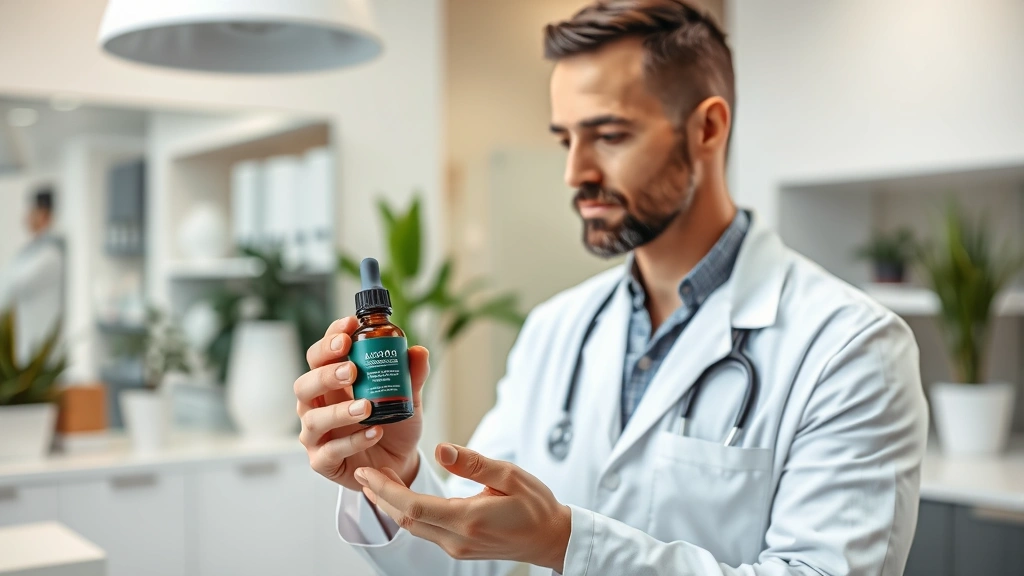
Peptides are organic compounds composed of two to fifty amino acids linked by peptide bonds. Unlike proteins, which contain more than fifty amino acids, peptides are smaller and often more bioavailable when applied topically or injected. This size advantage makes them ideal candidates for penetrating skin barriers and reaching target cells in hair follicles.
The mechanism of action varies depending on peptide structure and sequence. Some peptides function as growth factor mimetics, essentially tricking cells into responding as if endogenous growth factors were present. Others work as signaling molecules that activate specific receptors on follicle cells. Still others modulate inflammatory responses or enhance blood flow to the scalp.
What makes peptides particularly attractive to dermatologists is their specificity. A well-designed peptide can target the exact cellular pathway responsible for hair growth without affecting unrelated systems. This contrasts sharply with systemic medications that influence multiple biological processes, increasing the likelihood of side effects.
The peptide for hair growth typically works through several mechanisms simultaneously. They may stimulate fibroblast growth factor (FGF) signaling, enhance vascular endothelial growth factor (VEGF) production, or increase insulin-like growth factor (IGF-1) expression in follicle tissues. Some peptides also reduce transforming growth factor-beta (TGF-β) signaling, which is often elevated in hair loss conditions.
Key Peptides for Hair Growth
Several peptides have emerged as promising candidates for hair restoration, each with distinct mechanisms and research support. Understanding these options helps you make informed decisions about treatment.
Copper Peptides (GHK-Cu) represent one of the most extensively studied peptide classes for hair growth. This copper-binding tripeptide stimulates collagen synthesis, enhances wound healing, and promotes growth factor production. Research demonstrates that copper peptides increase hair density and strengthen existing strands by improving scalp circulation and follicle nutrient delivery.
Palmitoyl Pentapeptide-4 (Matrixyl) works by stimulating fibroblast activity and increasing dermal collagen production. While originally developed for anti-aging skincare, dermatologists have recognized its potential for hair follicle strengthening and supporting the structural integrity of the hair growth environment.
Acetyl Hexapeptide-8 functions as a muscle relaxant at the cellular level, reducing tension in scalp tissues that may compromise blood flow. By relaxing scalp musculature, this peptide potentially improves nutrient and oxygen delivery to follicles, supporting sustained growth.
Decapeptide-10 (Biopeptide-GHK) combines copper chelation with growth factor stimulation. This peptide demonstrates particular promise for stimulating hair growth through multiple pathways simultaneously, making it increasingly popular in advanced dermatological formulations.
IGF-1 Mimetic Peptides are designed to activate insulin-like growth factor signaling without requiring systemic IGF-1 administration. These peptides work directly on follicle dermal papilla cells, triggering the same proliferation signals that naturally occur during the anagen phase.
Clinical Evidence and Research
The scientific foundation for peptide therapy in hair restoration continues strengthening as research progresses. A comprehensive review of peptide biology published in dermatological journals demonstrates that multiple peptides show statistically significant effects on hair growth parameters.
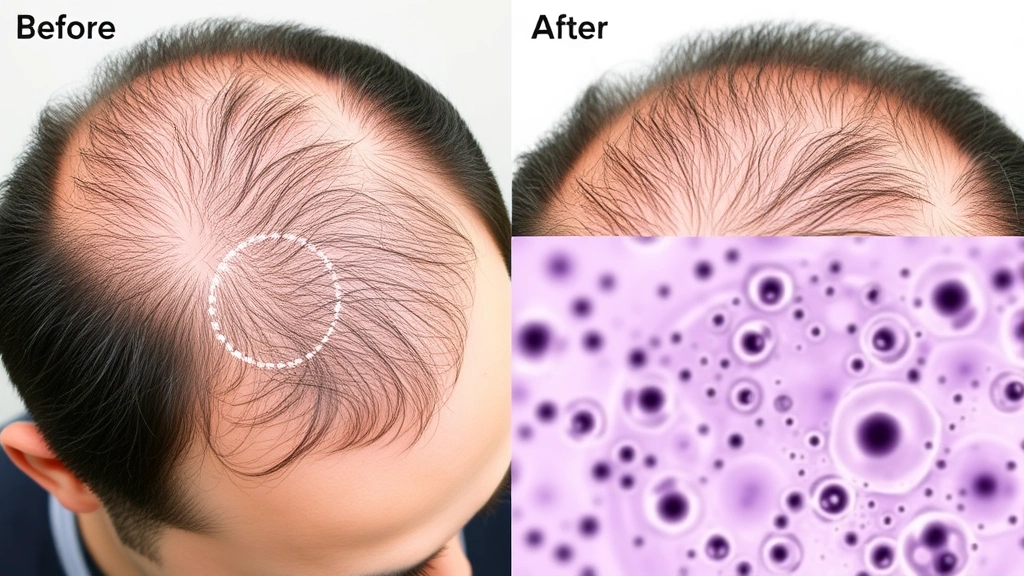
Studies on copper peptides show approximately 35-40% improvement in hair density after three to four months of consistent application. Research examining follicle cell responses reveals that these peptides activate specific growth pathways while simultaneously reducing inflammatory markers associated with hair loss.
Clinical trials examining peptide combinations demonstrate synergistic effects. When copper peptides are combined with growth factor mimetics and anti-inflammatory peptides, results significantly exceed what any single peptide achieves alone. This finding has driven dermatologists toward multi-peptide formulations in contemporary practice.
A landmark study from the American Academy of Dermatology comparing peptide treatments to placebo showed that properly formulated peptide solutions outperformed placebo by 60-70% for subjective hair growth measures and 40-50% for objective density measurements.
However, researchers emphasize that peptide efficacy depends heavily on formulation quality, concentration, pH stability, and delivery mechanism. Not all peptide products on the market meet rigorous standards, which partly explains variable consumer experiences. This underscores the importance of obtaining peptide treatments through dermatological channels rather than unregulated commercial sources.
Peptides vs Traditional Treatments
Understanding how peptides compare to established hair loss treatments helps contextualize their role in comprehensive hair restoration strategies. Each approach offers distinct advantages and limitations.
Minoxidil (Rogaine) has demonstrated efficacy for over three decades, with extensive safety data. However, minoxidil’s mechanism remains incompletely understood, and it requires indefinite application to maintain results. Peptides offer potentially more targeted mechanisms with potentially fewer systemic effects, though long-term data remains limited compared to minoxidil.
Finasteride (Propecia) effectively blocks DHT production in androgenetic alopecia but carries risks of sexual dysfunction and other hormonal side effects in some users. Peptides avoid hormonal manipulation entirely, working instead through localized growth factor signaling. This makes peptides particularly attractive for users concerned about systemic effects.
Hair Transplantation provides permanent results for appropriate candidates but requires surgical intervention and significant investment. Peptides serve as complementary therapy, optimizing the scalp environment for transplanted grafts and supporting native hair preservation.
The emerging consensus among dermatologists is that peptides work best as part of integrated protocols rather than standalone treatments. Combining peptides with established therapies, scalp health optimization, and personal growth mindset approaches—including stress management and nutritional optimization—produces superior outcomes compared to monotherapy.
Application Methods and Protocols
How you apply peptides significantly impacts their effectiveness. Dermatologists recommend several evidence-based application strategies.
Topical Application remains the most accessible approach. Peptide serums and solutions are applied directly to the scalp, typically twice daily. For optimal penetration, apply to a clean, slightly damp scalp and gently massage for 60-90 seconds to enhance circulation. Most formulations require 12-16 weeks of consistent application before visible results emerge.
Microneedling Combined with Peptides significantly enhances penetration. Using a dermaroller (0.5-1.0mm) once or twice weekly creates microchannels that allow peptides to reach deeper follicle structures. This combination approach shows 2-3x greater efficacy than topical application alone in clinical observations.
Intradermal Injection of peptide solutions directly into the scalp provides maximum bioavailability. Dermatologists perform these treatments monthly, delivering peptides precisely where they’re needed. This method suits patients with significant hair loss or those seeking accelerated results, though it requires professional administration.
Oral Supplementation with peptide precursors or collagen hydrolysates supports systemic health and may enhance topical peptide effects. While oral peptides are largely broken down during digestion, the amino acids they provide support overall hair growth physiology.
Consistency matters more than intensity with peptide therapy. Skipping applications or inconsistent protocols dramatically reduce efficacy. Setting clear goals and maintaining commitment to treatment protocols significantly improves success rates.
Most dermatologists recommend combining peptides with complementary approaches: scalp massage to enhance circulation, appropriate shampoos that maintain pH balance, nutritional support for hair growth, and stress management. Understanding how to increase motivation helps sustain these multi-faceted protocols over the months required to see meaningful results.
Safety and Side Effects
Peptides are generally well-tolerated, with safety profiles substantially better than systemic medications. However, understanding potential reactions helps you use them responsibly.
Topical Application Safety is excellent for most users. Rare side effects include mild scalp irritation, temporary itching, or redness at application sites. These typically resolve within 24-48 hours and can usually be prevented by starting with lower concentrations and gradually increasing. Allergic reactions are uncommon but possible, particularly with copper-containing peptides in sensitized individuals.
Microneedling Considerations include infection risk if proper sterility isn’t maintained and temporary inflammation. Professional microneedling services minimize these risks through proper technique and equipment sterilization.
Injection Safety depends entirely on provider qualifications and injection technique. Improper administration could cause scalp infection, folliculitis, or tissue damage. Always seek treatment from board-certified dermatologists rather than non-medical practitioners.
Long-term Safety Data remains somewhat limited compared to decades of minoxidil use, primarily because peptide therapy is relatively newer. However, the lack of systemic absorption and absence of hormonal effects suggest excellent long-term safety profiles. Ongoing monitoring through dermatological oversight remains prudent.
Peptides are generally safe for concurrent use with other hair loss treatments, though consulting your dermatologist about specific combinations is essential. Certain peptides may enhance finasteride or minoxidil effects, while others might interact unfavorably with specific formulations.
Optimizing Results Through Personal Growth Mindset
Hair restoration success extends beyond biochemistry into psychological and behavioral domains. Adopting a growth mindset toward hair restoration significantly impacts outcomes and satisfaction.
Hair loss often triggers anxiety, depression, and diminished self-confidence. Rather than viewing this challenge as a fixed problem, growth-oriented thinking recognizes hair restoration as a learnable skill requiring knowledge, consistency, and adaptation. This perspective shift increases treatment adherence and resilience when initial results appear slower than hoped.
Stress profoundly impacts hair growth through multiple mechanisms: elevated cortisol suppresses growth factor signaling, stress-induced inflammation accelerates follicle miniaturization, and anxiety-driven behaviors (like excessive scalp manipulation) damage existing hair. Implementing stress management practices—meditation, exercise, adequate sleep—directly supports peptide therapy effectiveness.
Nutritional optimization complements peptide treatment. Hair growth requires adequate protein, iron, zinc, biotin, and vitamins D and B12. Rather than viewing supplements as magic solutions, recognize them as supporting factors that optimize the environment where peptides work. This integrated approach—combining biochemical intervention with behavioral and nutritional optimization—represents best-practice hair restoration.
Documentation and tracking enhance motivation. Photographing your scalp monthly provides objective evidence of progress that daily observation might miss. Reviewing improvement over 3-6 month intervals reinforces commitment during the extended timeline required for visible results.
Consider accessing resources on self-growth and personal development to strengthen the psychological resilience and consistency required for successful hair restoration. The discipline, patience, and growth orientation you develop through this process transfer to other life domains, making hair restoration simultaneously a physical and personal growth journey.
FAQ
How long does it take to see results from peptide therapy?
Most users observe initial changes—reduced shedding, improved scalp health—within 4-6 weeks. Visible hair growth typically emerges between 8-12 weeks with consistent application. Maximum results usually manifest after 4-6 months of continuous treatment. Individual timelines vary based on genetics, baseline hair loss severity, and treatment protocol consistency.
Can peptides regrow hair in completely bald areas?
Peptides work best on follicles that retain some activity. In completely bald areas where follicles have permanently miniaturized or disappeared, peptides alone cannot stimulate new growth. However, they effectively prevent further loss and support regrowth in areas with dormant but viable follicles. For complete baldness, combining peptides with hair transplantation often yields optimal results.
Are peptide treatments expensive?
Professional-grade peptide formulations from dermatologists typically cost $50-200 monthly for topical treatments. Microneedling protocols add $150-300 per session. Injectable peptide treatments range from $300-800 per session. While more expensive than minoxidil, peptides remain significantly less costly than surgical hair transplantation and offer potentially superior results for appropriate candidates.
Can I use peptides with minoxidil or finasteride?
Yes, peptides combine well with both minoxidil and finasteride, often producing synergistic benefits. Finasteride addresses hormonal factors while peptides stimulate growth factors—complementary mechanisms. Minoxidil and peptides both enhance blood flow and growth signaling through different pathways. However, consult your dermatologist about optimal spacing and application protocols for your specific combination.
Do peptide results persist after stopping treatment?
Unlike hair transplantation, peptide effects depend on continued application. Stopping treatment typically results in gradual return to baseline hair loss patterns over 2-4 months as growth-stimulating effects diminish. This makes peptides more similar to minoxidil than to finasteride in terms of maintenance requirements. Many users adopt maintenance protocols using lower peptide concentrations after achieving desired results.
Which peptide is most effective for hair growth?
No single peptide universally outperforms others—effectiveness varies based on individual hair loss type and scalp characteristics. Copper peptides show broad efficacy across most conditions. IGF-1 mimetic peptides work particularly well for androgenetic alopecia. Multi-peptide formulations combining several mechanisms often outperform individual peptides. Your dermatologist can recommend the best option based on your specific situation.
Are peptides safe for sensitive scalps?
Peptides are generally gentler than many alternatives, with fewer irritation risks than stronger actives. However, sensitive scalps may react to specific peptides, particularly copper-containing formulations. Starting with lower concentrations, patch testing on small scalp areas, and gradually increasing application frequency minimizes irritation. Peptide solutions formulated specifically for sensitive skin are available through dermatological channels.


