
Boost Beard Growth? Norse Serum Reviewed
The quest for a fuller, thicker beard has led countless men to explore various grooming solutions, and Norse beard growth serums have emerged as a popular option in the personal care market. These products promise to enhance facial hair density, promote faster growth, and deliver the Viking-inspired aesthetic that many modern men desire. But do they actually work, or are they simply riding the wave of Norse mythology marketing trends?
This comprehensive review examines the science behind Norse beard growth serums, evaluates their ingredients, and explores whether these products can genuinely deliver on their bold promises. Whether you’re looking to accelerate your personal growth journey through improved self-presentation or simply seeking better grooming solutions, understanding the facts about beard serums is essential for making informed decisions about your appearance and confidence.
Understanding Beard Growth Biology
Before evaluating any beard growth serum, it’s crucial to understand the biological mechanisms that govern facial hair development. Beard growth is primarily controlled by androgens—hormones like testosterone and DHT (dihydrotestosterone)—which stimulate hair follicles in the facial region. However, genetics play the dominant role in determining your beard’s potential thickness, growth rate, and coverage.
Your hair growth cycle consists of three phases: the anagen phase (active growth lasting 2-7 years), the catagen phase (transition lasting 2-3 weeks), and the telogen phase (resting lasting 2-4 months). During the telogen phase, hair falls out and new hair begins growing. Most beard serums claim to work by extending the anagen phase or improving follicle health, though the mechanisms vary considerably.
Nutritional deficiencies can significantly impair beard growth. Biotin, vitamin D, zinc, iron, and protein are essential for healthy hair development. If your body lacks these nutrients, even the best serum won’t compensate for poor nutrition. This connects directly to your broader growth opportunities in self-improvement—taking care of your physical health creates cascading benefits across all life areas.
Stress and sleep quality also impact beard growth substantially. Chronic stress elevates cortisol levels, which can suppress hair growth and trigger telogen effluvium (excessive shedding). Quality sleep allows your body to repair and regenerate, including hair follicle maintenance. Understanding these biological factors provides context for evaluating whether a serum can truly deliver results or if other lifestyle factors need attention first.
What Makes Norse Serums Different
Norse beard growth serums capitalize on Scandinavian heritage and Viking aesthetic appeal, but what actually differentiates them from standard beard oils or growth products? Marketing often emphasizes ancient Nordic traditions and natural ingredients sourced from northern climates, creating an appealing narrative around heritage and authenticity.
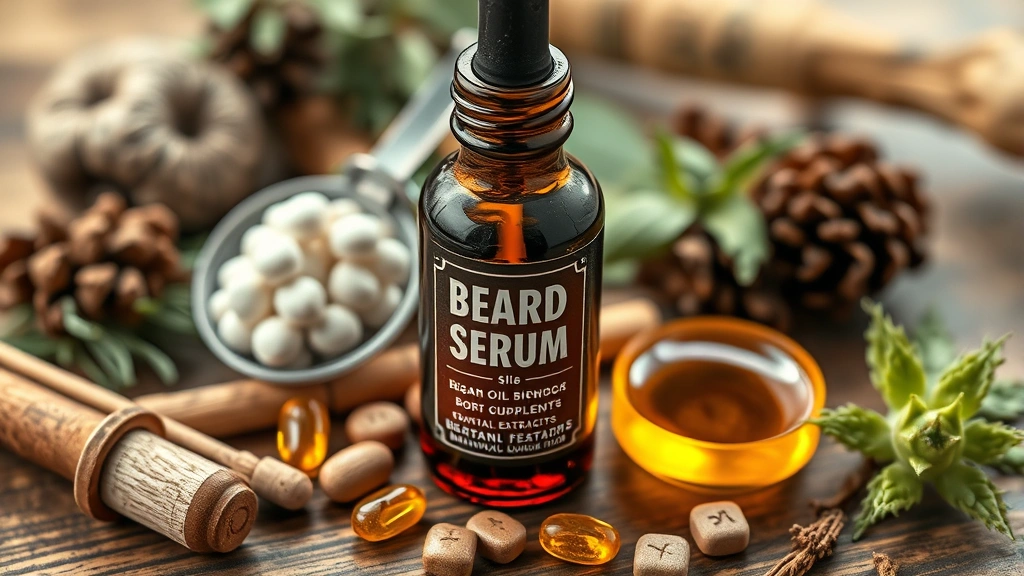
The typical Norse serum formula combines carrier oils, essential oils, and botanical extracts believed to support beard health. Common components include argan oil, jojoba oil, castor oil, and various plant-based ingredients like saw palmetto, nettle extract, and horsetail. Some formulations include peptides or growth factors claiming to stimulate follicle activity.
What distinguishes these products in the marketplace is often branding rather than unique formulation. Many Norse-branded serums emphasize natural, Nordic-sourced ingredients and traditional preparation methods. However, ingredient sourcing location doesn’t necessarily improve efficacy—what matters is the quality, concentration, and bioavailability of active compounds.
The psychological component shouldn’t be dismissed. When you use a product aligned with an aesthetic identity you admire—whether Viking-inspired or otherwise—you’re more likely to maintain consistent application and notice results through heightened awareness. This psychological boost connects to the broader concept of growth mindset, where belief in improvement can facilitate actual progress through behavioral changes.
Key Ingredients Analysis
Examining the specific ingredients in Norse beard serums reveals which components have scientific support and which are largely speculative. Let’s break down the most common active ingredients:
- Castor Oil: Contains ricinoleic acid and omega-6 fatty acids that nourish hair follicles. Research published in the Journal of Cosmetic Dermatology suggests castor oil can improve hair thickness and shine, though evidence specifically for beard growth is limited.
- Biotin: This B-vitamin is essential for keratin production, the primary protein in hair. Studies show biotin supplementation can improve hair thickness in people with biotin deficiency, but results in individuals with adequate biotin levels are minimal.
- Saw Palmetto: This plant extract is believed to inhibit DHT conversion, potentially supporting hair retention. However, research on PubMed shows mixed results, with some studies indicating modest benefits for scalp hair but limited evidence for facial hair.
- Caffeine: Some serums include caffeine to stimulate blood flow. A study in Dermatology Practical & Conceptual found caffeine could extend the anagen phase in hair follicles, though topical application effectiveness remains debated.
- Peptides and Growth Factors: Some premium Norse serums include synthetic peptides or plant-derived growth factors. While these sound sophisticated, absorption through skin is questionable, and their effectiveness on beard follicles specifically lacks robust clinical evidence.
- Argan and Jojoba Oils: These carrier oils provide moisture and may improve skin health beneath the beard. Healthy skin creates a better environment for beard growth, though they don’t directly stimulate follicle activity.
The challenge with evaluating serum ingredients is distinguishing between ingredients that sound scientifically advanced and those with genuine clinical backing. Most Norse beard serums contain legitimate beard-supporting ingredients, but at concentrations and combinations that may not produce dramatic results for everyone.
Scientific Evidence and Research
The scientific literature on beard-specific growth serums is surprisingly sparse compared to scalp hair research. Most studies examining hair growth focus on minoxidil (Rogaine) or finasteride (Propecia), which have strong evidence but weren’t designed for beards. When evaluating Norse serums, we must rely on ingredient-level research rather than product-specific clinical trials.
A comprehensive review in the Journal of Cosmetic Dermatology examined natural ingredients for hair growth and found that while some botanical extracts show promise in laboratory settings, human clinical evidence is limited. The review noted that most studies are small, poorly controlled, or funded by supplement manufacturers, introducing potential bias.
Minoxidil remains the only FDA-approved topical treatment for hair loss with strong clinical evidence. Some men use minoxidil on their beards with reported success, though it’s technically an off-label use. If dramatic beard growth is your goal, minoxidil backed by clinical research may outperform natural serums, though it requires consistent long-term application and carries potential side effects.
However, many men prefer natural alternatives despite weaker evidence, prioritizing ingredient transparency and avoiding potential systemic effects. This preference reflects a broader wellness philosophy aligned with exploring growth through natural means, even when scientifically validated options exist.
The reality is that beard growth depends more on genetics, nutrition, sleep, stress management, and hormonal health than on any topical serum. Norse serums can optimize conditions for growth through nourishment and follicle support, but they cannot overcome genetic limitations or substitute for fundamental health practices.
Real User Results and Testimonials
Analyzing user testimonials about Norse beard growth serums reveals important patterns. Positive reviews typically report:
- Improved beard softness and reduced itchiness
- Better beard appearance due to enhanced moisture and shine
- Subjective perception of slightly faster growth (often 10-20% faster)
- Reduced beard dandruff and improved skin health beneath the beard
- Enhanced beard fragrance and aesthetic appeal
Negative reviews highlight:
- Minimal to no noticeable growth improvement after months of use
- High product cost relative to results
- Greasy residue or unpleasant texture
- Allergic reactions to botanical ingredients
- Expectations not matching marketing claims
The most honest assessment comes from users who report that serums improved beard quality and appearance without dramatically increasing growth speed. This distinction matters: a serum might make your existing beard look and feel better without actually triggering faster growth.
Testimonials also reveal significant individual variation. Some men report noticeable results within weeks, while others see nothing after months. This variation likely reflects differences in genetics, baseline nutrition, application consistency, and realistic expectations. Understanding motivation and consistency is crucial—the men reporting the best results typically applied serums twice daily without missing doses, suggesting that dedication matters as much as product quality.
How to Maximize Serum Effectiveness
If you decide to use a Norse beard growth serum, implementing these practices will maximize your results:
- Maintain Consistent Application: Apply the serum twice daily—morning and evening—for at least 3 months before evaluating results. Hair growth cycles are long, and premature abandonment prevents seeing potential benefits.
- Optimize Nutrition: Ensure adequate protein intake (1.6-2.2g per kilogram of body weight), and consider supplementing biotin (2.5mg daily), vitamin D (1000-2000 IU daily), and zinc (15-30mg daily) if deficient. This addresses fundamental growth requirements that no serum can overcome.
- Prioritize Sleep Quality: Aim for 7-9 hours nightly. During sleep, your body increases growth hormone and testosterone production while reducing cortisol, creating optimal conditions for beard growth.
- Manage Stress Effectively: Practice meditation, exercise, or other stress-reduction techniques. Chronic stress suppresses beard growth through hormonal disruption and can trigger excessive shedding.
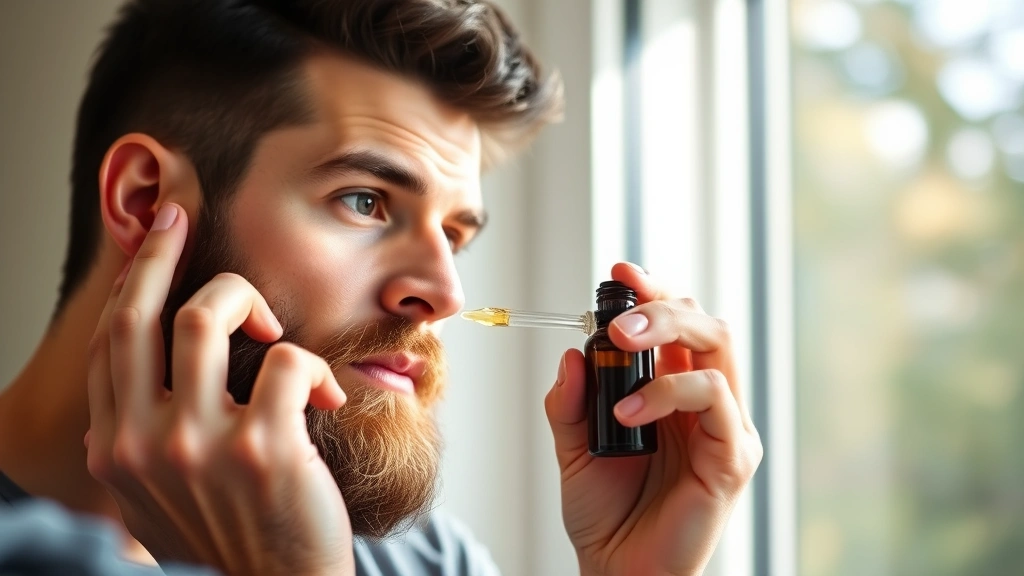
- Maintain Beard Hygiene: Use a gentle beard wash 2-3 times weekly, avoiding harsh soaps that strip natural oils. Follow with the growth serum while the beard is slightly damp to enhance absorption.
- Exercise Regularly: Cardiovascular and resistance training improve circulation, boost testosterone naturally, and reduce stress—all supporting beard growth.
- Stay Hydrated: Drink adequate water daily to support overall health and skin hydration, which benefits beard follicles.
- Avoid Smoking: Smoking impairs circulation and accelerates hair loss. Quitting improves beard growth potential significantly.
The most successful men using beard serums treat them as one component of a comprehensive grooming and health strategy rather than a standalone solution. This holistic approach mirrors broader understanding of hair growth serums in personal development—sustainable improvement requires addressing multiple life areas simultaneously.
Comparing Norse Serums to Alternatives
How do Norse beard growth serums compare to other approaches for enhancing beard growth?
Beard Oils vs. Growth Serums: Standard beard oils provide conditioning and aesthetic benefits but rarely claim growth acceleration. Norse growth serums add specific ingredients targeting follicle stimulation, though their efficacy advantage over quality beard oils is debatable. Beard oils are typically cheaper and less likely to cause irritation.
Minoxidil (Rogaine): This FDA-approved treatment has stronger clinical evidence for hair growth but requires consistent long-term use, can cause scalp irritation, and involves potential systemic absorption. Some men report excellent beard growth with minoxidil but prefer natural alternatives for philosophical reasons.
Supplements vs. Topical Serums: Oral supplements addressing nutritional deficiencies (biotin, vitamin D, zinc, iron) may provide more substantial benefits than topical serums, especially if deficiencies exist. However, supplements require correct dosing and consistency over months.
Microneedling: Using a dermaroller (0.5-1.5mm) on the beard area can stimulate collagen production and increase serum absorption. Combined with a quality growth serum, microneedling may enhance results, though it requires caution to avoid infection or irritation.
Lifestyle Optimization: The most evidence-based approach combines adequate nutrition, quality sleep, stress management, exercise, and hydration. This foundation creates conditions where any serum can work optimally, whereas no serum can compensate for poor lifestyle habits.
For most men, the ideal strategy involves lifestyle optimization as the foundation, supplemented by a quality beard serum or oil for local nourishment and potential growth stimulation. This multi-pronged approach acknowledges that beard growth depends on systemic health plus local follicle support.
Frequently Asked Questions
Do Norse beard growth serums actually work?
Norse beard serums can improve beard quality, softness, and appearance while providing modest growth benefits for some users. However, they’re not miracle products and cannot overcome genetic limitations. Results vary significantly based on individual genetics, nutrition, and application consistency. They work best as part of a comprehensive grooming and health strategy rather than standalone solutions.
How long does it take to see results?
Most users need 3-4 months of consistent application to notice meaningful results, as the hair growth cycle is lengthy. Some men report improvements in beard softness within weeks, but actual growth acceleration typically takes longer to manifest. Patience and consistency are essential.
Are Norse beard serums safe?
Most Norse serums contain natural ingredients generally recognized as safe. However, individual sensitivities vary. Always perform a patch test before full application. If you have sensitive skin or known allergies to botanical ingredients, consult a dermatologist before use.
Can I use beard serum with minoxidil?
Yes, many men combine beard serums with minoxidil. Apply minoxidil first (allowing it to dry), then apply the serum. This combination may enhance results, though minoxidil alone has stronger clinical evidence. Consult a dermatologist before combining treatments.
What’s the difference between Norse serums and regular beard oils?
Norse growth serums typically include specific ingredients targeting follicle stimulation and growth acceleration, whereas standard beard oils focus primarily on conditioning and aesthetics. Growth serums often contain biotin, saw palmetto, caffeine, or peptides absent in regular oils. However, the growth advantage varies considerably between products.
Should I take supplements instead of using serums?
Supplements addressing nutritional deficiencies (biotin, vitamin D, zinc) may provide more substantial benefits than topical serums, especially if deficiencies exist. However, oral biotin supplementation shows limited benefit for those with adequate dietary intake. An ideal approach combines both: address nutritional gaps through diet or supplements while using a quality serum for local follicle support.
Can women use Norse beard serums?
While formulated for beards, the ingredients in Norse serums are generally safe for anyone. Women interested in enhancing scalp hair or eyebrows might benefit from similar formulations, though results depend on individual hair biology. Consult a dermatologist if you have concerns about hormonal effects.
How much should a quality Norse beard serum cost?
Quality beard serums typically range from $25-$75 per bottle, lasting 1-3 months depending on application frequency. Extremely cheap products may contain low-quality ingredients, while premium pricing doesn’t always guarantee superior results. Focus on ingredient quality and user reviews rather than price alone.
Final Verdict: Norse beard growth serums can be worthwhile investments if you have realistic expectations and commit to consistent application. They’re most effective as part of a broader strategy encompassing nutrition, sleep, stress management, and exercise. While they won’t transform your beard overnight or overcome genetic limitations, they can optimize conditions for growth and improve beard appearance and health. Choose products with transparent ingredient lists, apply consistently, and combine serum use with lifestyle practices supporting overall health and growth—in your beard and across all areas of personal development.


