
Boost Hair Growth Naturally: Expert Tips Inside
Hair loss and slow growth affect millions worldwide, yet many overlook the natural solutions backed by science. Your hair’s health directly reflects your overall wellness—nutrition, stress levels, and lifestyle choices all play crucial roles in determining whether your locks thrive or struggle. This comprehensive guide explores evidence-based strategies to accelerate hair growth naturally, combining proven nutritional approaches with practical habits that support scalp health and follicle vitality.
Unlike expensive treatments that promise quick fixes, natural hair growth optimization works with your body’s biology. By understanding the hair growth cycle and addressing root causes of hair loss, you can achieve sustainable results that transform not just your appearance, but your confidence. Whether you’re dealing with thinning hair, slow growth, or simply want thicker, healthier locks, the strategies outlined here provide a roadmap toward measurable improvement within weeks.
Understanding Hair Growth Cycles
Hair doesn’t grow continuously—it operates in distinct phases that determine growth rate and shedding patterns. The anagen phase (growth phase) lasts 2-7 years, during which hair actively extends from the follicle. The catagen phase is a brief transitional period lasting 2-3 weeks, while the telogen phase (resting period) spans 2-4 months before hair sheds. Understanding these cycles helps explain why results take time and why consistency matters when implementing natural hair growth strategies.
Most people have approximately 100,000 scalp hairs, with roughly 85-90% in the anagen phase at any given time. This means about 50-100 hairs naturally shed daily—a completely normal process. However, when stress, poor nutrition, or hormonal imbalances push excessive hairs into the telogen phase prematurely, noticeable thinning occurs. By supporting your body’s natural processes through proper nutrition and stress management, you can extend the growth phase and minimize premature shedding.
The hair follicle itself is a complex structure requiring specific nutrients to function optimally. The dermal papilla at the follicle’s base contains blood vessels that deliver oxygen and nutrients—these are the literal foundation of hair growth. When circulation is compromised or nutrient availability is inadequate, follicles shrink, producing thinner, shorter hairs. This is why a holistic approach addressing circulation, nutrition, and hormonal balance proves more effective than targeting single factors.
Nutritional Foundations for Hair Health
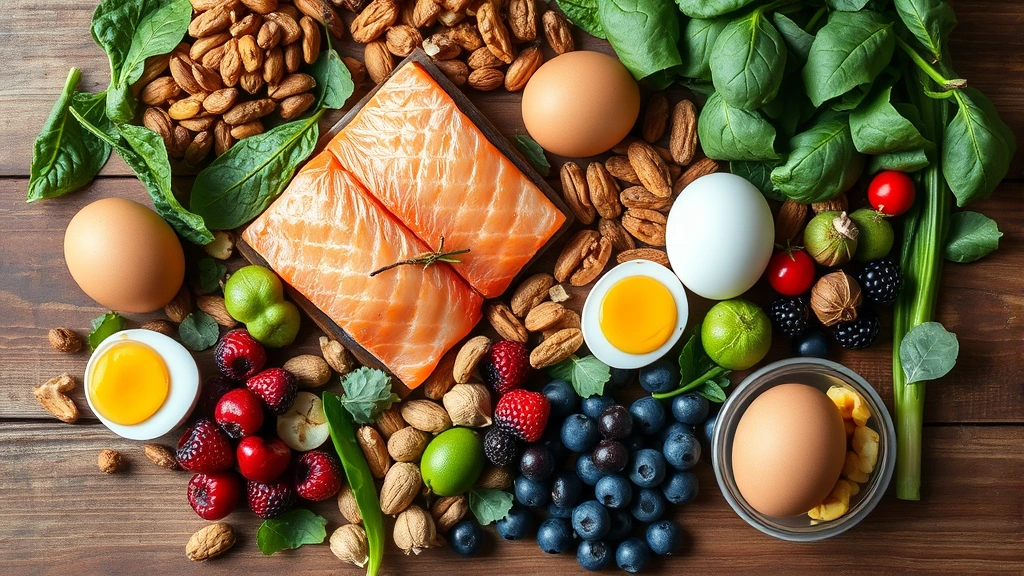
Hair is primarily composed of a protein called keratin, making protein intake absolutely foundational for growth. However, hair health extends far beyond protein—it requires a complex ecosystem of vitamins, minerals, and phytonutrients working synergistically. Think of your hair follicles as demanding plants requiring specific soil conditions: the right nutrients, pH balance, and environmental factors must align for optimal growth.
Research from the National Institutes of Health demonstrates that nutritional deficiencies directly correlate with hair loss conditions. Deficiencies in iron, zinc, vitamin D, and B vitamins appear consistently in individuals experiencing hair loss. This doesn’t mean you need exotic supplements—rather, it highlights the importance of nutrient-dense whole foods as your primary strategy. When you prioritize personal growth in your health habits, hair improvement follows naturally.
The relationship between nutrition and hair extends to metabolic health. Your body prioritizes critical functions—brain, heart, immune system—before allocating resources to hair growth. During periods of caloric restriction, stress, or illness, hair growth slows dramatically as your body conserves resources. This is why crash diets often trigger noticeable hair loss weeks later. Sustainable hair growth requires consistent, adequate nutrition supporting overall vitality.
Protein and Amino Acids
Since hair is approximately 95% protein, consuming adequate quality protein daily is non-negotiable. The recommended dietary allowance is 0.8 grams per kilogram of body weight, but individuals focused on hair growth serum benefits often benefit from slightly higher intake—around 1.2 grams per kilogram. This ensures sufficient amino acids for both keratin synthesis and overall tissue repair.
The nine essential amino acids your body cannot produce must come from food sources. Complete proteins containing all nine amino acids include eggs, fish, poultry, beef, dairy, and plant combinations like beans with rice. For vegetarians and vegans, consuming varied plant proteins throughout the day ensures complete amino acid profiles. Each meal should include a protein source—this consistency matters more than occasional large amounts.
Specific amino acids deserve attention for hair health. Lysine improves iron absorption and supports collagen synthesis; methionine contains sulfur essential for keratin cross-linking; and cysteine directly incorporates into hair structure. Rather than obsessing over individual amino acids, focus on eating diverse whole protein sources: fatty fish for omega-3s alongside protein, eggs for choline and lutein, and legumes for fiber and minerals. This food-first approach provides superior results compared to isolated amino acid supplements for most people.
Essential Vitamins and Minerals
Biotin (vitamin B7) has become synonymous with hair growth, yet research shows it primarily benefits individuals with biotin deficiency—relatively rare in developed countries. However, the entire B-complex supports hair health through energy metabolism and stress resilience. B vitamins work synergistically; supplementing one without adequate others creates imbalance. How to increase motivation and energy often involves B-complex nutrition, which simultaneously supports hair growth.
Vitamin D deficiency appears in up to 80% of individuals with hair loss conditions. This fat-soluble vitamin regulates immune function and potentially influences the hair growth cycle. Adequate sun exposure (10-30 minutes daily depending on skin tone and latitude) produces vitamin D naturally; fatty fish, egg yolks, and mushrooms provide dietary sources. If testing reveals deficiency, supplementation becomes worthwhile, though food sources should be your foundation.
Iron deserves special attention, particularly for menstruating individuals and vegetarians. Iron deficiency doesn’t just cause anemia—it directly triggers telogen effluvium (premature shedding). Ferritin levels should be at least 30-40 ng/mL for optimal hair health. Red meat provides highly absorbable heme iron; plant sources like spinach, lentils, and fortified cereals provide non-heme iron, best absorbed with vitamin C sources like citrus or tomatoes.
Zinc regulates hormone metabolism and immune function; deficiency causes hair loss and impaired wound healing. Oysters, beef, pumpkin seeds, and chickpeas provide excellent sources. Copper works with zinc in enzymatic reactions supporting collagen synthesis; selenium protects follicles from oxidative stress; and magnesium supports stress resilience—all factors influencing hair growth. Rather than supplementing individual minerals, prioritize diverse whole foods ensuring broad micronutrient coverage.
Natural Supplements and Herbs
Beyond basic nutrition, several herbal remedies demonstrate scientific support for hair growth. Saw palmetto inhibits the enzyme converting testosterone to DHT (dihydrotestosterone), which contributes to androgenetic alopecia. Studies show mixed but promising results, particularly when combined with other interventions. Typical dosing ranges from 160-320mg daily of standardized extract.
Rosemary has demonstrated comparable effectiveness to minoxidil in some studies when applied topically as an oil infusion. The mechanism involves improved scalp circulation and potential anti-inflammatory effects. Peppermint oil similarly shows promise for stimulating hair growth through vasodilation. These herbs work best when consistently applied; expect 2-3 months minimum before assessing results. Unlike synthetic treatments, herbal approaches typically produce gradual improvements without side effects.
Ginseng supports stress resilience and may enhance hair growth through improved circulation and reduced inflammation. Asian ginseng, American ginseng, and Korean red ginseng all show potential; typical dosing is 1-2 grams daily of dried root or standardized extract. Gotu kola (Centella asiatica) traditionally supports collagen synthesis and has demonstrated benefits in preliminary research. Nettle leaf provides bioavailable minerals and phytonutrients; it’s traditionally used as a hair growth tea with 1-3 cups daily.
Horsetail contains silica, a mineral supporting collagen structure. While dramatic claims about silica supplementation often lack evidence, horsetail’s traditional use across cultures suggests benefit. Combine these herbal approaches—they work synergistically rather than as isolated interventions. Consult healthcare providers before starting supplements, particularly if taking medications, as some interactions exist.
Scalp Care Practices
Your scalp environment directly influences hair growth potential. A healthy scalp maintains slightly acidic pH (4.5-5.5), supports beneficial microbiota, and possesses adequate circulation. Many conventional shampoos strip natural oils, disrupt pH balance, and create conditions favoring inflammation. This doesn’t mean abandoning hair washing—rather, it means reconsidering your approach.
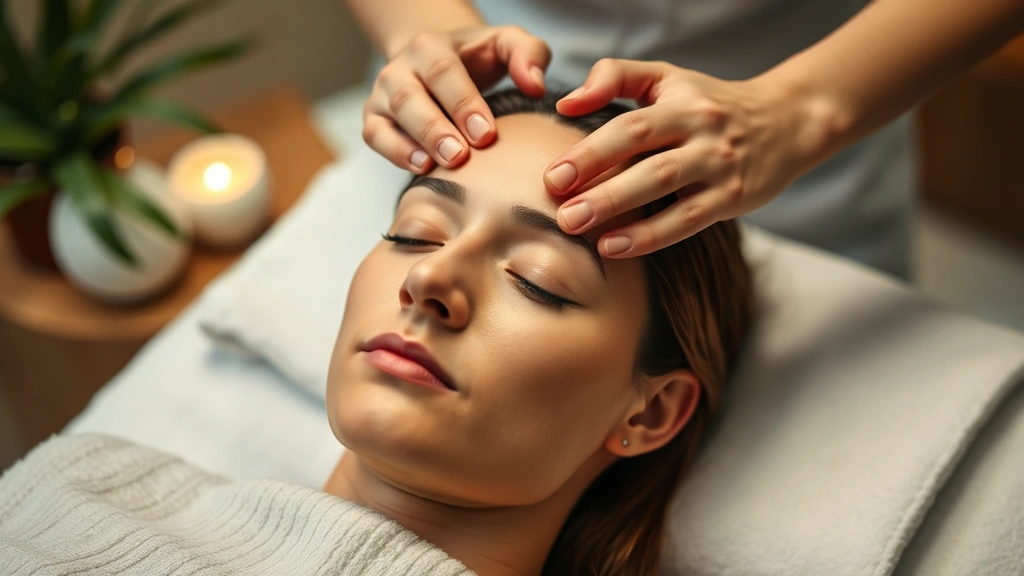
Gentle scalp massage stimulates blood flow to hair follicles, improving nutrient and oxygen delivery. Spend 5-10 minutes daily using fingertips (never nails) in circular motions across your entire scalp. This practice simultaneously reduces stress—activating the parasympathetic nervous system—and physically enhances circulation. Research from peer-reviewed studies confirms scalp massage increases hair thickness over time.
Water temperature matters significantly. Hot water opens follicles and increases sebum production; cold water closes follicles and reduces inflammation. Alternate between warm and cool water when shampooing, finishing with cool water to seal the cuticle. This simple practice improves shine, reduces frizz, and supports scalp health. Limit shampooing frequency to 2-3 times weekly for most hair types; dry scalps benefit from less frequent washing while oily scalps may tolerate more.
Consider natural hair cleansing alternatives like apple cider vinegar rinses or minimal-ingredient shampoos formulated with plant extracts rather than sulfates and silicones. Coconut oil, argan oil, and jojoba oil support scalp health when massaged into the scalp 1-2 times weekly. These practices address scalp environment as foundational to hair growth rather than expecting topical treatments alone to overcome poor internal conditions.
Lifestyle Factors
Stress hormones (particularly cortisol) push hair prematurely into the telogen phase, explaining why stressful periods often precede noticeable hair loss. Implementing stress management practices directly supports hair growth. Meditation, yoga, deep breathing exercises, and time in nature all reduce cortisol levels while improving overall resilience. Even 10-15 minutes daily of consistent practice produces measurable hormonal changes supporting hair health.
Sleep quality profoundly influences growth hormone release and tissue repair. Hair growth accelerates during deep sleep when growth hormone peaks. Poor sleep disrupts this rhythm, impairs immune function, and increases inflammation—all detrimental to hair growth. Prioritize 7-9 hours nightly, maintain consistent sleep schedules, and create dark, cool sleeping environments. If sleep remains problematic, addressing this foundational factor should precede other interventions, as sleep deprivation undermines all other efforts.
Exercise improves circulation, reduces stress, enhances sleep quality, and supports hormonal balance—all beneficial for hair growth. Cardiovascular exercise, strength training, and flexibility work all contribute. Aim for 150 minutes weekly of moderate activity or 75 minutes of vigorous activity. The consistency matters more than intensity; regular moderate exercise outperforms sporadic intense workouts for sustained benefits.
Hydration supports cellular function and nutrient transport. While the “eight glasses daily” recommendation oversimplifies individual needs, drinking sufficient water to maintain pale urine color ensures adequate hydration. This simple metric adjusts automatically for activity level, climate, and individual metabolism. Proper hydration supports circulation, helps flush metabolic waste, and maintains skin and scalp health.
Smoking and excessive alcohol consumption impair circulation and increase oxidative stress—both directly harming hair growth. If these habits are present, reducing or eliminating them produces dramatic improvements in hair health within months. This connects to growth lifthub blog principles of creating sustainable positive changes through lifestyle optimization rather than seeking external solutions.
Creating Your Hair Growth Plan
Implementing all strategies simultaneously overwhelms most people; instead, create a progressive plan addressing one area monthly. Month one focuses on nutrition—ensure adequate protein at each meal, add colorful vegetables providing micronutrients, and eliminate processed foods depleting nutrient density. Track energy and mood changes alongside hair observations.
Month two introduces scalp care: daily massage and adjusted shampooing practices. Continue nutritional improvements while adding this physical component. Notice changes in scalp sensation, oil production, and initial hair texture improvements. These early changes indicate your efforts are working even before visible growth appears.
Month three incorporates stress management: meditation, yoga, or another consistent practice. Continue previous habits while adding this mental health component. The synergistic effects of improved nutrition, scalp care, and stress management create compound improvements exceeding any single intervention.
Month four considers supplementation based on individual needs. Rather than random supplementing, consider testing for deficiencies (particularly vitamin D, iron, and B12) to guide supplementation. This personalized approach targets actual needs rather than guessing. Reference growth mindset quotes for motivation during this extended process—hair growth requires patience and consistency.
Document your journey photographically and through journaling. Hair growth takes 3-6 months to become visibly apparent since the visible hair shaft is dead tissue—improvements occur at the follicle level before manifesting as noticeable growth. Tracking helps maintain motivation during the initial period when changes feel invisible. Set realistic expectations: healthy hair growth averages 6 inches yearly; expecting faster results creates discouragement.
Remember that individual variation is substantial. Genetics influence maximum hair thickness and growth rate; hormonal status, age, and metabolic health all affect outcomes. Rather than comparing yourself to others, focus on personal improvement: thicker hair than you had six months ago, reduced shedding, or improved scalp health. These measurable personal wins sustain motivation better than external comparisons.
FAQ
How long until I see hair growth results?
Visible improvements typically emerge in 3-6 months since hair growth occurs at the follicle level before manifesting in the visible hair shaft. Improvements in scalp health, reduced shedding, and stronger hair texture may appear within 4-8 weeks. Patience and consistency prove essential—expecting faster results creates unnecessary discouragement.
Can I regrow hair lost from male pattern baldness naturally?
Natural approaches support existing follicles and may slow further loss, but regrowing hair from completely dormant follicles requires more aggressive interventions. Combining natural strategies (nutrition, scalp care, stress management) with clinically proven treatments like minoxidil or finasteride produces optimal results. Consult healthcare providers for personalized recommendations based on your specific situation.
Which supplement is most important for hair growth?
Rather than single supplements, comprehensive nutrition proves most effective. If forced to prioritize, vitamin D and iron demonstrate the strongest evidence for deficiency-related hair loss. However, ensuring adequate protein, B vitamins, zinc, and other micronutrients through whole foods provides superior results compared to isolated supplementation without addressing overall nutritional quality.
Does scalp massage actually work?
Research confirms scalp massage increases hair thickness and growth when practiced consistently. The mechanism involves improved blood circulation delivering nutrients and oxygen to follicles while simultaneously reducing stress hormones. Results require 5-10 minutes daily for at least 5 months; sporadic massage produces minimal benefit. Consistency matters more than duration.
Are natural remedies as effective as prescription treatments?
Natural approaches work through different mechanisms than prescription medications. While minoxidil directly stimulates follicles and finasteride blocks DHT production, natural strategies optimize overall conditions supporting hair growth. Combined approaches often outperform either strategy alone. Natural methods typically produce slower, more gradual improvements but without medication side effects.
Can diet alone regrow lost hair?
Diet provides essential building blocks and nutrients, but hair growth involves multiple factors: genetics, hormones, circulation, stress levels, and sleep quality. Optimizing nutrition supports maximum potential within your genetic parameters but cannot overcome severe hormonal imbalances or complete follicle dormancy. Think of nutrition as foundational—necessary but often insufficient alone for dramatic results.
Should I take biotin supplements?
Biotin supplementation primarily benefits individuals with documented biotin deficiency, relatively rare in developed countries. For others, biotin provides minimal benefit unless combined with comprehensive nutritional optimization. Rather than isolated biotin, focus on B-complex vitamins through whole foods and, if supplementing, choose comprehensive formulations supporting overall nutritional status.


