
Nail Growth Secrets: Dermatologist’s Guide to Stronger, Faster-Growing Nails
Your nails are more than just a canvas for nail growth polish—they’re a window into your overall health and wellness. Many people don’t realize that the strength, speed, and quality of nail growth directly reflect your body’s nutritional status, hydration levels, and internal health. Just as you’d invest in personal growth and self-improvement, your nails deserve intentional care and attention to reach their full potential.
Dermatologists have spent decades studying the science behind nail health, and the findings are remarkable. Healthy nails don’t just happen—they result from consistent habits, proper nutrition, and understanding what truly works versus what’s marketing hype. In this comprehensive guide, we’ll explore evidence-based strategies that actually accelerate nail growth, strengthen brittle nails, and help you maintain beautiful, resilient nails for life.
Whether you’re struggling with weak nails that break constantly or simply want to optimize your nail growth journey, this guide combines scientific research with practical dermatologist recommendations you can implement immediately.
Understanding Nail Growth Biology
Before diving into optimization strategies, it’s essential to understand how nails actually grow. Your nails originate from the nail matrix, a specialized tissue hidden beneath your skin at the base of each nail. This matrix contains stem cells that continuously divide and differentiate, pushing older cells upward to form the visible nail plate. The entire process typically takes 3-6 months for a fingernail to completely replace itself, though growth rates vary significantly between individuals.
The nail plate itself consists of layered keratin proteins arranged in a specific structure that provides both flexibility and strength. This same protein appears in your hair and skin, which is why overall health improvements often benefit all three simultaneously. Understanding this biological foundation helps explain why certain interventions work while others are merely cosmetic.
Growth rate depends on multiple factors: age, genetics, hormonal status, overall health, and even the season. Nails grow faster in summer and slower in winter—a phenomenon researchers attribute to increased blood circulation and vitamin D synthesis during warmer months. Your dominant hand’s nails typically grow slightly faster than your non-dominant hand, likely due to increased blood flow from activity.
As you focus on growth mindset in other life areas, apply the same principle to nail health: small, consistent improvements compound over time. You won’t see dramatic changes overnight, but three months of dedicated care produces measurable, visible results.
Nutrition’s Role in Nail Health
Dermatologists consistently emphasize that nail health begins from within. Your nails can’t be stronger than your nutritional foundation allows. Several specific nutrients directly impact nail growth rate, strength, and resilience.
Biotin stands as the most researched supplement for nail health. This B-vitamin strengthens keratin structure, and multiple clinical studies demonstrate that biotin supplementation (2.5mg daily) significantly improves nail thickness and reduces splitting within 4-6 months. Research published in the Journal of Drugs in Dermatology showed that 91% of participants experienced improved nail firmness with consistent biotin supplementation.
Protein forms the fundamental building block of nails. Since nails are primarily keratin—a structural protein—adequate daily protein intake directly supports nail growth. Aim for 0.8-1.0 grams per kilogram of body weight daily. This includes complete proteins containing all essential amino acids: chicken, fish, eggs, legumes, dairy, and nuts.
Iron deficiency commonly causes brittle, spoon-shaped nails (koilonychia). Iron transports oxygen throughout your body, including to the nail matrix. Women are particularly vulnerable to iron deficiency, especially during reproductive years. Consider having iron levels tested if you notice unusual nail changes.
Zinc supports cell division and protein synthesis—both critical for nail growth. Deficiency manifests as white spots on nails and slow growth. Sources include oysters, beef, pumpkin seeds, and chickpeas. However, zinc supplementation should be moderate; excessive intake interferes with copper absorption.
B-vitamins collectively support nail health. B12 deficiency causes darkening and discoloration; folate supports cell division; niacin improves circulation. A comprehensive B-complex supplement or varied diet rich in whole grains, leafy greens, and animal products covers these bases.
Vitamin C synthesizes collagen, which provides structural support in the nail bed. It also enhances iron absorption, creating a synergistic effect. Citrus fruits, berries, bell peppers, and leafy greens deliver significant vitamin C content.
Rather than chasing multiple supplements, focus on whole-food nutrition first. A diet rich in salmon (protein + omega-3s), spinach (iron + folate), eggs (biotin + choline), and nuts (zinc + selenium) addresses most nutritional needs. Many people see dramatic nail improvements simply by optimizing their diet—similar to how setting clear goals in nutrition creates measurable health outcomes.
Hydration and Moisture Management
Healthy nails require proper hydration, both internally and externally. Dehydrated nails become brittle, peel, and break easily—regardless of how much biotin you consume. This is where nail growth polish selection becomes relevant, though not in ways marketing suggests.
Internal hydration starts with water intake. While the “8 glasses daily” rule is oversimplified, adequate hydration supports all physiological processes, including nutrient transport to the nail matrix. Most people need 2-3 liters daily, adjusted for activity level and climate.
External moisture management proves equally important. Your nails absorb water and swell when wet, then shrink when dry. This constant expansion and contraction causes stress and micro-tears, especially if nails are exposed to frequent water contact without protection. Dermatologists recommend:
- Wear gloves during dishwashing, cleaning, and gardening. Prolonged water exposure weakens nails significantly.
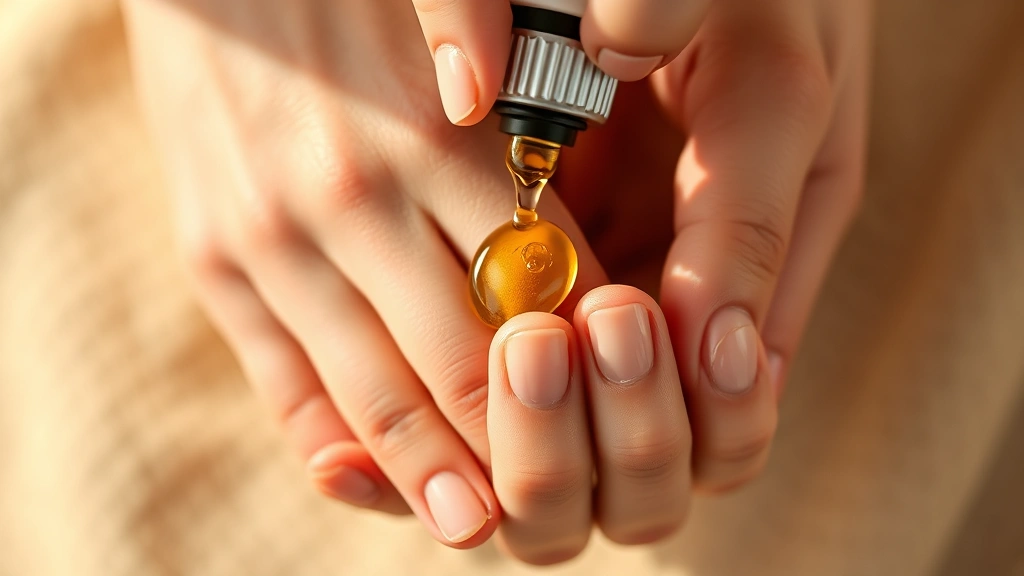
- Apply cuticle oil daily, especially after water exposure. This seals moisture into the nail and surrounding tissue. Jojoba oil, argan oil, and vitamin E oil all work effectively.
- Moisturize hands immediately after washing. A quality hand cream applied while skin is still slightly damp locks in hydration.
- Limit nail growth polish removal frequency. Acetone-based removers strip moisture and natural oils. Switch to non-acetone removers or limit polish-wearing to special occasions.
Regarding nail growth polish specifically: nail polish itself doesn’t accelerate or impede growth. However, the application and removal process can damage nails if done improperly. High-quality, breathable nail polishes with fewer toxic chemicals are gentler on nails than cheap alternatives. Allow nails to go polish-free periodically—dermatologists suggest one week monthly—to restore natural moisture balance.

Nail Polish and Growth: Separating Fact from Fiction
The nail growth polish industry perpetuates numerous myths. Some brands claim their polish “promotes growth” or “strengthens nails.” The truth is more nuanced: nail polish doesn’t fundamentally change growth rate, but certain formulations can either support or damage nail health.
What nail polish actually does: It provides a protective barrier against environmental damage and staining. A quality polish can prevent nails from absorbing stains and minor trauma. This protection might indirectly support growth by reducing breakage, but it doesn’t accelerate the biological growth process.
What damages nails: Cheap polishes containing high levels of dibutyl phthalate (DBP), toluene, and formaldehyde can weaken nails over time. Acetone-based removers are particularly harsh. Applying polish to already-damaged nails without proper base coat creates additional problems.
Optimal nail polish practices: Choose “3-free” or “5-free” formulations (free from harmful chemicals). Always use a base coat before applying color—this prevents staining and chemical penetration. Remove polish gently using non-acetone remover, and allow nails to breathe between applications. If you enjoy nail growth polish aesthetically, these precautions make the practice compatible with optimal nail health.
Think of nail care like overcoming procrastination—small, consistent actions compound into dramatic results. The same applies to choosing quality products and implementing protective practices.
Protective Practices for Optimal Growth
Beyond nutrition and moisture, several protective practices accelerate nail growth and prevent damage:
Avoid using nails as tools. Using nails to open packages, scrape labels, or pry objects apart creates micro-damage that accumulates. This habit alone causes more breakage than almost any other factor. Use actual tools instead.
Keep nails trimmed appropriately. Longer nails experience more leverage stress and break more easily. Keeping them at a moderate length (just past the fingertip) reduces breakage while still allowing adequate growth observation. Trim straight across, not curved, to prevent ingrown-nail-like weakness.
File nails correctly. Use a glass or crystal nail file (not metal) and file in one direction only, from the outer edge toward the center. Metal files create micro-fractures; filing back-and-forth exacerbates splitting.
Maintain healthy cuticles. Cuticles protect the nail matrix from infection and damage. Rather than cutting them away (which dermatologists strongly discourage), gently push them back after softening with oil or warm water. Never trim or pick at cuticles.
Support circulation. Increased blood flow to hands delivers more nutrients to the nail matrix. Regular exercise, massage, and hand movements all enhance circulation. Even simple hand exercises—making fists, stretching fingers, and rotating wrists—improve blood flow to nails.
Manage stress. Chronic stress disrupts hormone balance and nutrient absorption, often manifesting in nail problems first. Conditions like alopecia areata (hair loss) frequently correlate with nail pitting and damage. Stress management through meditation, exercise, or counseling indirectly supports nail health. This connects to the broader motivation and wellbeing framework that supports all personal growth.
Address underlying health conditions. Thyroid dysfunction, anemia, psoriasis, and other conditions frequently cause nail abnormalities. If you experience sudden changes in nail appearance despite implementing these strategies, consult a dermatologist to rule out underlying issues.
Common Myths Debunked
The nail care industry thrives on misinformation. Let’s address the most persistent myths:
Myth: Gelatin supplements strengthen nails. While gelatin contains collagen precursors, no robust clinical evidence supports that gelatin supplementation improves nails more than adequate protein intake. Whole proteins work better.
Myth: Calcium supplements strengthen nails. Nails contain minimal calcium. Calcium’s role in nail health is indirect, through supporting overall skeletal health and hormone balance. If you consume adequate dairy or plant-based calcium sources, additional supplementation won’t improve nails.
Myth: Nail hardeners prevent breakage. Many nail hardeners contain formaldehyde, which actually makes nails more brittle by removing moisture. Moisturizers work better than hardeners for preventing breakage.
Myth: White spots indicate calcium deficiency. White spots (leukonychia) typically result from minor trauma to the nail matrix. They’re benign and don’t indicate nutritional deficiency. They eventually grow out as the nail plate advances.
Myth: Nails need to “breathe.” Nails are non-living tissue and don’t require oxygen exposure. However, allowing nails to go polish-free periodically helps restore moisture balance, which indirectly supports health.
Myth: More biotin always means faster growth. Biotin helps strengthen nails, but excessive supplementation (over 10mg daily) doesn’t accelerate growth further. The optimal dose is 2.5mg daily; more isn’t better.
Understanding these distinctions prevents wasting money on ineffective products and allows you to focus on evidence-based strategies. Similar to how personal development requires distinguishing genuine strategies from trendy shortcuts, nail care benefits from scientific literacy.
FAQ
How long does it take to see nail growth improvements?
Most people notice visible improvements within 4-6 weeks of consistent nail care, with dramatic results by 12 weeks. Since nails take 3-6 months to completely regrow, patience is essential. Take photos monthly to track progress objectively.
Can nail polish actually promote growth?
No nail polish genuinely promotes growth. However, quality polish protects nails from damage and staining, which indirectly supports the growth process by reducing breakage. The growth rate itself remains unchanged by polish.
Is biotin supplementation safe long-term?
Yes, biotin is water-soluble and well-tolerated at recommended doses (2.5mg daily). Long-term supplementation shows no significant side effects in clinical studies. However, extremely high doses (over 10mg daily) may interfere with thyroid tests, so inform your doctor if taking biotin before blood work.
What’s the difference between brittle and peeling nails?
Brittle nails break across the nail plate and result from dehydration or trauma. Peeling nails separate into layers, typically from moisture fluctuations or harsh chemical exposure. Both respond to improved hydration, protective practices, and reduced water exposure.
Should I take supplements if my diet is good?
Biotin supplementation benefits most people, even with good nutrition, as biotin is only found in specific foods. For other nutrients, prioritize whole foods first. If you have diagnosed deficiencies (iron, B12), supplementation is necessary. Otherwise, a varied diet usually suffices.
Can nail problems indicate serious health issues?
Certain nail changes warrant medical attention: persistent discoloration, separation from nail bed, pitting, thickening, or sudden growth changes. These can indicate thyroid dysfunction, anemia, psoriasis, or fungal infections. Consult a dermatologist if you notice unusual changes.
How often should I trim my nails optimally?
Trim nails every 7-10 days to maintain optimal length and prevent breakage. This frequency prevents nails from becoming too long (and weak) while allowing adequate growth observation. Adjust based on your growth rate and lifestyle.


