
Boost Lavender Growth: Expert Gardening Tips for Thriving Plants
Lavender is one of the most rewarding plants to cultivate in any garden, offering stunning purple blooms, intoxicating fragrance, and remarkable resilience. Whether you’re a seasoned gardener or just beginning your horticultural journey, understanding the fundamentals of lavender growth can transform your garden into a fragrant paradise. Like pursuing personal growth, nurturing lavender requires patience, the right conditions, and consistent care.
The beauty of growing lavender lies not just in its aesthetic appeal but in the sense of accomplishment that comes from watching these magnificent plants flourish. This comprehensive guide will walk you through every aspect of cultivating healthy, vibrant lavender plants that will reward you with years of beauty and fragrance. By implementing these expert strategies, you’ll discover that successful growth navigation applies equally to plants and personal development.
Understanding Lavender Varieties and Selection
Before you begin your journey toward successful lavender growth, it’s crucial to understand that not all lavender varieties are created equal. The three primary categories of lavender include English lavender (Lavandula angustifolia), Spanish lavender (Lavandula stoechas), and French lavender (Lavandula dentata), each with distinct characteristics and growing requirements.
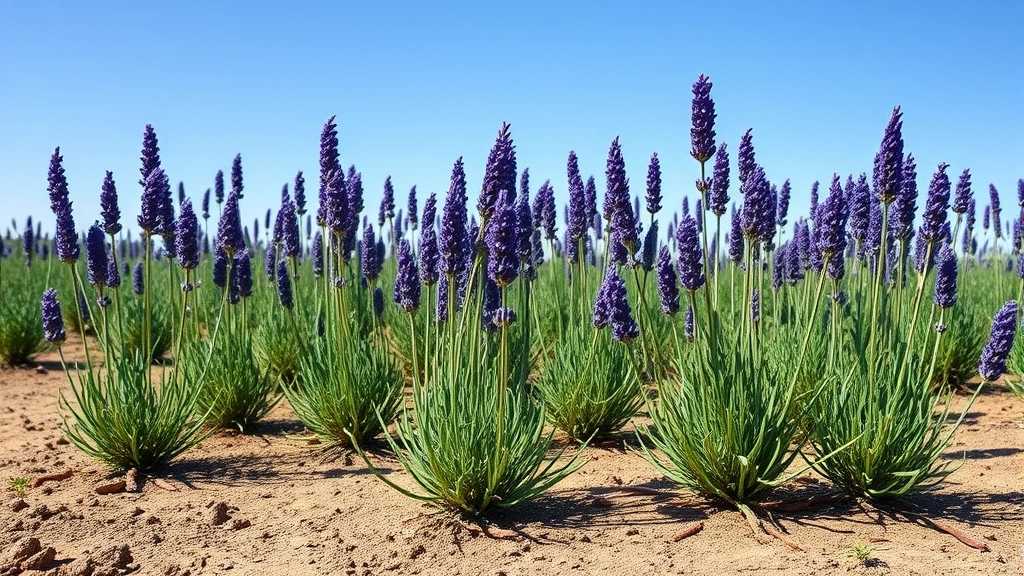
English lavender stands as the most popular choice for home gardeners, prized for its hardiness, fragrance intensity, and ability to withstand colder climates. These plants typically reach heights of 24 to 36 inches and produce the classic purple flowers that most people envision when they think of lavender. Spanish and French varieties, while equally beautiful, prefer warmer climates and require more careful attention to temperature fluctuations.
When selecting your lavender plants, look for specimens with healthy green foliage and no signs of stress or disease. Young plants from reputable nurseries give you the best chance at establishing robust growth. Consider your climate zone carefully—this foundational decision mirrors the importance of goal setting in personal development, where choosing the right starting point determines your ultimate success.
Creating the Perfect Soil Environment
The cornerstone of exceptional lavender growth is establishing the right soil conditions. Lavender thrives in well-draining soil with a slightly alkaline to neutral pH between 6.5 and 7.5. Unlike many plants that prefer rich, nutrient-dense soil, lavender actually performs better in lean, sandy, or gravelly soil that mimics its natural Mediterranean habitat.
Poor drainage represents the primary killer of lavender plants, causing root rot and fungal diseases that rapidly deteriorate plant health. To create optimal conditions, amend your garden beds with coarse sand, perlite, or gravel—approximately 30 to 40 percent of your total soil mix should consist of these drainage-enhancing materials. If you’re working with naturally clay-heavy soil, consider building raised beds filled with a custom soil blend specifically designed for Mediterranean plants.
Testing your soil pH provides invaluable information for improving conditions. Most garden centers offer inexpensive soil testing kits, or you can send samples to your local agricultural extension office. If your soil leans acidic, adding agricultural lime several weeks before planting will raise the pH to lavender’s preferred range. This methodical approach to soil preparation parallels the systematic thinking required in growth mindset development—understanding your current situation before implementing change.

Sunlight and Location Requirements
Lavender is unquestionably a sun-worshipping plant, demanding at least six to eight hours of direct sunlight daily for optimal lavender growth and flower production. Plants positioned in shadier locations will grow more slowly, produce fewer blooms, and become more susceptible to disease. When selecting a planting location, choose an area that receives morning sun—this helps dry morning dew and reduces fungal infection risk.
Beyond hours of sunlight, air circulation proves equally important for lavender health. Adequate airflow prevents moisture accumulation around foliage and stems, significantly reducing the likelihood of powdery mildew and other fungal problems. Position plants away from dense shade structures and allow adequate spacing between individual plants—typically 18 to 24 inches apart, depending on the specific variety.
Wind exposure, which many gardeners fear, actually benefits lavender by strengthening stems and improving air circulation. Don’t hesitate to plant lavender in slightly exposed locations where gentle breezes flow regularly. This resilience in challenging conditions reflects the principles found in motivation building, where exposure to appropriate challenges strengthens our capacity to thrive.
Watering Strategies for Optimal Growth
Perhaps the most common mistake gardeners make with lavender involves overwatering. These Mediterranean natives evolved in dry climates with minimal rainfall, so they’re exceptionally drought-tolerant once established. Excessive watering creates conditions that promote root rot and fungal diseases, ultimately undermining all your other cultivation efforts.
During the first growing season, water newly planted lavender regularly—about once or twice weekly—to help establish a strong root system. However, once plants are established (typically after their first full growing season), reduce watering frequency significantly. Mature lavender plants need water only during extended dry periods lasting more than two weeks without rainfall.
The best watering approach involves deep, infrequent irrigation that encourages roots to grow deeper into the soil, creating more resilient plants. Water at the base of plants early in the morning, avoiding wetting foliage which can promote disease. If you’re using a drip irrigation system or soaker hoses, direct water delivery directly to the root zone minimizes disease risk and ensures efficient water use.
Pruning and Maintenance Techniques
Strategic pruning represents one of the most impactful practices for promoting vigorous lavender growth and longevity. Regular pruning maintains compact, bushy plant shapes, prevents woody overgrowth, and encourages abundant flowering. The key to successful pruning involves understanding the timing and technique that different lavender varieties require.
For English lavender, conduct a light pruning in spring as new growth emerges, removing about one-third of the plant’s height. This spring pruning stimulates fresh growth and prepares plants for the upcoming blooming season. After flowering concludes in mid to late summer, perform a second pruning by cutting back spent flower stems to just above the nearest healthy foliage.
Never cut lavender back into old, woody growth without leaves—these dormant areas rarely produce new shoots. Instead, focus your pruning efforts on the green, leafy portions of stems. This conservative approach ensures your plants maintain their vigor year after year. Think of pruning as similar to exploring growth strategies through consistent refinement—removing what no longer serves you while nurturing what thrives.
Deadheading—removing spent flower spikes—extends the blooming period and directs plant energy toward continued flower production rather than seed development. Once flower spikes begin to fade, pinch or cut them off just below the faded blooms. This simple practice can extend your lavender’s flowering season by several weeks.
Fertilization and Nutrient Management
Unlike many ornamental plants, lavender requires minimal fertilization to achieve spectacular growth and blooming. In fact, excessive fertilization can produce lush foliage at the expense of flowers and can reduce the aromatic intensity of the plants. This principle—that more isn’t always better—teaches valuable lessons applicable to many areas of life and personal development.
If your soil is reasonably fertile, no supplemental fertilization is necessary. However, if you’re working with particularly poor or sandy soil, a light application of balanced, slow-release fertilizer in early spring provides beneficial nutrients without overstimulating growth. Choose fertilizers specifically formulated for Mediterranean plants or herbs, which typically contain lower nitrogen levels than general-purpose fertilizers.
Organic approaches work beautifully for lavender cultivation. A light mulch of compost around plants—applied carefully to avoid contact with stems—gradually releases nutrients as it breaks down. Alternatively, a sprinkling of bone meal in spring provides phosphorus to support robust flower development without excessive vegetative growth.
Pest and Disease Prevention
Lavender’s natural resilience extends to pest and disease management. The aromatic oils that make lavender so fragrant to humans actively repel many common garden pests including aphids, spider mites, and Japanese beetles. However, certain issues can still arise, particularly in humid climates or when cultural conditions aren’t optimal.
Powdery mildew represents the most common fungal disease affecting lavender, particularly in areas with poor air circulation or high humidity. Prevention through proper spacing, adequate sunlight, and avoiding overhead watering proves far more effective than treatment. If powdery mildew appears despite preventive measures, spray affected plants with a sulfur-based fungicide or neem oil solution, following product label directions carefully.
Root rot, caused by various fungi and favored by wet soil conditions, poses the greatest threat to lavender health. This disease is essentially irreversible once established, making prevention through proper drainage and appropriate watering practices absolutely critical. If you notice a lavender plant declining rapidly with yellowing foliage and soft stems, root rot is likely the culprit, and the plant may need to be removed and destroyed to prevent spread to nearby plants.
Spider mites occasionally trouble lavender in hot, dry conditions, creating fine webbing on foliage and causing stippled leaves. A forceful spray of water from the hose often controls light infestations. For severe cases, insecticidal soap or neem oil provides effective control while remaining safe for beneficial insects.
Seasonal Care Calendar
Following a seasonal care schedule ensures you’re providing appropriate care at the right times throughout the year. This structured approach to lavender growth management maximizes plant health and productivity across all seasons.
Spring: As new growth emerges, perform your annual pruning, cutting back about one-third of plant height. Apply a light fertilizer if soil is poor, and check soil moisture as plants begin active growth. Divide mature plants if desired, creating new plantings from established specimens.
Summer: Monitor watering carefully during hot, dry periods, but avoid excessive irrigation. Deadhead spent flowers regularly to encourage continued blooming. Watch for pest or disease problems, addressing them promptly if they appear.
Fall: Reduce watering as temperatures cool and growth slows. Avoid heavy pruning in fall, which can damage plants heading into winter dormancy. In colder climates, apply a light mulch layer around plants for winter protection.
Winter: Established lavender requires minimal care during winter dormancy. In mild climates, light pruning of dead or damaged stems can occur. In cold regions, protect plants with evergreen boughs or row covers if extreme temperatures are forecast.
Frequently Asked Questions
How long does it take for lavender to reach full maturity?
Most lavender varieties reach full maturity and peak blooming capacity between two to three years of growth. Young plants produce flowers in their first year, but flowering intensity and plant size increase significantly in subsequent years. Patience during this establishment period mirrors the dedication required in any meaningful growth journey.
Can I grow lavender in containers?
Absolutely! Lavender thrives in containers, provided you use well-draining potting soil and select appropriately-sized pots. Use containers at least 12 inches in diameter with drainage holes. Container-grown lavender requires more frequent watering than in-ground plants but still prefers drier conditions compared to most other container plants. Move containers to protected locations during harsh winters in cold climates.
When should I harvest lavender for drying?
Harvest lavender when flower spikes are fully colored but before blooms begin to fade—typically mid to late summer depending on your climate. Cut stems in the early morning after dew dries but before intense afternoon heat. Harvest approximately one-third of the plant at a time, leaving adequate foliage for continued photosynthesis and growth.
Why aren’t my lavender plants flowering?
Non-blooming lavender typically results from insufficient sunlight, overwatering, or excessive nitrogen fertilization. Ensure plants receive at least six to eight hours of direct sun daily, allow soil to dry between waterings, and avoid heavy fertilization. Young plants in their first year may produce fewer flowers than established specimens.
How do I propagate lavender from cuttings?
Take three to four-inch cuttings from new growth in late spring or early summer. Remove lower leaves, dip cut ends in rooting hormone, and insert into moist, well-draining propagation medium. Cover with a humidity dome or plastic bag and maintain warmth and humidity until roots develop, typically within four to six weeks. This propagation method allows you to expand your lavender collection while developing horticultural skills.
Are there lavender varieties suitable for cold climates?
English lavender (Lavandula angustifolia) proves most cold-hardy, surviving winter temperatures down to negative 20 degrees Fahrenheit in many cases. Spanish and French varieties require warmer conditions but can be grown in containers and brought indoors during winter in cold regions. Choosing cold-hardy varieties for your climate zone represents smart planning, similar to setting appropriate goals in your personal growth journey.


