
Does iRestore Work? Real User Experiences and Scientific Evidence
Hair loss affects millions of people worldwide, and the search for effective solutions has led many to explore low-level laser therapy (LLLT) devices like the iRestore hair growth system. But does it actually work? This comprehensive guide examines real user experiences, scientific research, and practical insights to help you make an informed decision about whether this popular device deserves a place in your personal care routine.
The iRestore hair growth system has gained significant attention in recent years, with thousands of users reporting varying degrees of success. Understanding the reality behind the claims requires looking at both the science and the stories of people who have invested time and money into using this technology. Whether you’re considering this investment as part of your personal growth journey toward self-improvement or simply exploring hair loss solutions, the evidence presented here will help guide your decision.
How the iRestore Hair Growth System Works
The iRestore device utilizes low-level laser therapy (LLLT), also known as red light therapy or photobiomodulation, to stimulate hair follicles and promote growth. The system contains 51 medical-grade laser diodes that emit wavelengths between 630-670 nanometers—a range scientifically identified as optimal for cellular stimulation. When these laser wavelengths penetrate the scalp, they interact with mitochondria in hair follicle cells, specifically targeting the cytochrome c oxidase enzyme.
This interaction increases adenosine triphosphate (ATP) production, which is essentially cellular energy. By boosting cellular energy, the theory suggests that dormant hair follicles can be reactivated, moving from the telogen (resting) phase back into the anagen (growth) phase. The device requires just 25 minutes of use every other day, making it relatively convenient compared to oral medications or other treatments. Users typically wear the device like a helmet or handheld cap, allowing for hands-free treatment while reading, working, or relaxing.
Understanding how this technology works is crucial for managing expectations. The iRestore doesn’t work overnight—it requires consistent, long-term use to see meaningful results. This commitment to consistent goal achievement mirrors the discipline needed for most personal development endeavors.
Scientific Evidence Behind Low-Level Laser Therapy
The scientific foundation for LLLT and hair growth is substantial, though not without controversy. Multiple peer-reviewed studies have demonstrated the efficacy of low-level laser therapy for androgenetic alopecia (male and female pattern baldness). A landmark study published in the Lasers in Surgery and Medicine journal found that LLLT resulted in statistically significant increases in hair count and thickness compared to placebo controls.
PubMed Central research has documented numerous randomized controlled trials showing that red light therapy can increase hair density in both men and women experiencing hair loss. The National Center for Biotechnology Information published comprehensive reviews confirming that wavelengths between 600-1000 nanometers penetrate tissue effectively and stimulate hair follicle growth.
However, it’s important to note that results vary significantly between individuals. Factors including age, genetics, degree of hair loss, and overall health all influence outcomes. Additionally, LLLT appears most effective for early-stage hair loss and may be less beneficial for advanced baldness where follicles have completely miniaturized. The FDA has cleared LLLT devices for hair growth, lending credibility to the technology, though this clearance doesn’t guarantee uniform results across all users.
The mechanism of action has been extensively studied by researchers at Mayo Clinic and other leading institutions. Their findings suggest that LLLT works best when combined with other approaches, such as maintaining consistent motivation and healthy lifestyle habits.

Real User Experiences and Documented Results
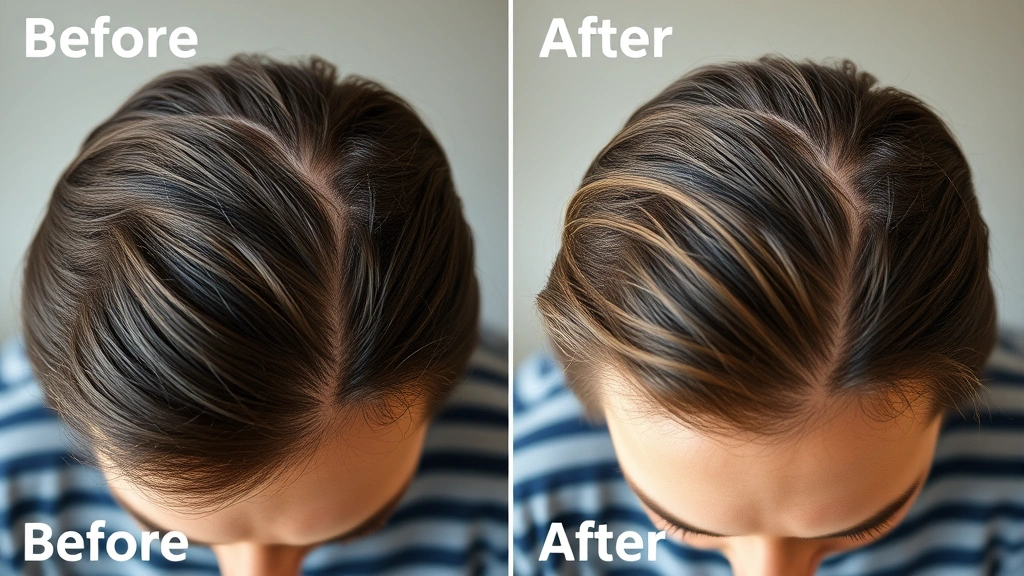
User testimonials provide valuable real-world context that clinical studies sometimes lack. Many iRestore users report noticing reduced hair shedding within the first 3-6 months of consistent use. Several report thicker, fuller hair and new growth appearing along the hairline and crown. Some users claim regrowth significant enough to reduce or eliminate their reliance on other hair loss treatments.
However, not all experiences are equally positive. Some users report minimal to no visible improvement even after 12+ months of use. These variations in results highlight the importance of individual factors. Users with androgenetic alopecia in early stages tend to report more success than those with advanced hair loss. Additionally, users who combine iRestore with other treatments—such as minoxidil or finasteride—often report better outcomes than those relying on the device alone.
One common theme among successful users is patience and consistency. Those who maintain regular use schedules and allow 6-12 months for results tend to be more satisfied. Users who expect immediate results often express disappointment. This parallels the importance of setting realistic growth mindset expectations in any personal improvement endeavor.
Detailed user reviews on independent platforms reveal that approximately 60-70% of users report at least some improvement in hair density or reduced shedding. About 20-30% report significant regrowth, while roughly 10-20% report no meaningful change. These figures suggest the device works for the majority of users, but individual results remain unpredictable.
Comprehensive Pros and Cons Analysis
Advantages of the iRestore System:
- Non-invasive approach: No injections, pills, or surgical procedures required
- Minimal side effects: Most users experience no adverse reactions, unlike some oral medications
- Convenient usage: Just 25 minutes every other day fits easily into most schedules
- Scientifically supported: LLLT has FDA clearance and peer-reviewed research backing
- Suitable for both genders: Works for male and female pattern baldness
- Portable design: Can be used at home, work, or while traveling
- Long-term investment: No ongoing medication costs after initial purchase
Disadvantages and Limitations:
- High upfront cost: Device prices range from $500-$2,000, a significant investment
- Slow results: Meaningful improvement typically requires 6-12 months of consistent use
- Inconsistent outcomes: Results vary dramatically between individuals
- Limited effectiveness for advanced hair loss: Works best for early-stage baldness
- Requires commitment: Missing treatments reduces effectiveness; consistency is essential
- Not a permanent solution: Continued use is necessary to maintain results
- Individual response unpredictable: No way to know in advance if you’ll be a responder
Expected Timeline for Seeing Results
Understanding the realistic timeline for iRestore results helps manage expectations and maintain motivation. Most manufacturers and clinical research suggest the following progression:
Months 1-3: This initial phase focuses on stabilizing hair loss. Many users report reduced shedding during shampooing and brushing, which can be encouraging. Visible new growth is rare during this period, but cellular stimulation is occurring beneath the surface. This is comparable to the early phases of any productivity improvement effort—initial changes are internal before external results appear.
Months 4-6: Some users begin noticing fine, new hair growth, particularly along the hairline or crown. Hair texture may appear slightly thicker. Continued reduction in shedding is common. This is when many users report increased motivation to continue treatment.
Months 7-12: More substantial improvements typically become visible during this window. Hair density increases measurably, and new growth becomes more apparent. Some users report needing to adjust their hairstyling routines due to increased thickness. This extended timeline demonstrates the importance of maintaining commitment to long-term goals.
Months 12+: Results tend to plateau after the first year, with continued maintenance being necessary. Stopping use typically results in gradual return to baseline hair loss patterns within several months.
It’s crucial to emphasize that this timeline represents typical experiences but isn’t universal. Some users see results faster, while others require 18+ months or experience minimal change regardless of duration.
Comparison to Other Hair Loss Solutions
To properly evaluate whether iRestore is right for you, comparing it to alternative treatments provides valuable context. The primary competitors in the hair loss treatment market include:
Minoxidil (Rogaine): This topical treatment has FDA approval and approximately 40% of users report regrowth. It’s affordable and accessible but requires daily application indefinitely. Some users experience scalp irritation. Results typically appear faster than LLLT, with improvements visible in 3-4 months for responsive users.
Finasteride (Propecia): This oral medication blocks DHT production and has strong clinical evidence supporting its effectiveness, particularly for men. However, some users experience sexual side effects, though these are uncommon. It’s also less suitable for women. Long-term use is required to maintain results.
Hair Transplantation: Surgical options provide the most dramatic results but involve significant costs ($4,000-$15,000+), recovery time, and surgical risks. Results are permanent for transplanted hair but don’t address ongoing hair loss in non-transplanted areas.
Combination Approaches: Many experts recommend combining treatments for optimal results. Using iRestore alongside minoxidil or finasteride often produces better outcomes than any single treatment alone. This multi-faceted approach aligns with comprehensive personal development strategies that address challenges from multiple angles.
Frequently Asked Questions
Is the iRestore device worth the investment?
The answer depends on your specific situation. If you have early-stage hair loss, consistent commitment to 6-12 months of use, and realistic expectations, iRestore can be worthwhile. For advanced baldness or if you need quick results, alternative treatments may be more appropriate. Consider your budget, hair loss stage, and patience level before investing.
How does iRestore compare to other laser hair growth devices?
The iRestore is among the most researched LLLT devices, with substantial clinical backing. However, competitors like HairMax and Theradome offer similar technology. The primary differences involve the number of laser diodes, wavelength specifications, and user interface design. Most devices in this category show comparable efficacy when used consistently.
Can iRestore be used alongside medications like minoxidil or finasteride?
Yes, combining iRestore with topical or oral hair loss medications is generally safe and often recommended. Many users report superior results when combining approaches. Consult with a dermatologist before combining treatments to ensure compatibility with your specific health situation.
What happens if I stop using iRestore?
Stopping treatment typically results in gradual loss of improvements. Hair that regrew or was stimulated by LLLT will gradually return to its previous state over several months. This is why LLLT, like most hair loss treatments, requires ongoing commitment.
Who is the best candidate for iRestore treatment?
Ideal candidates include individuals with early-to-moderate androgenetic alopecia, realistic expectations, and the ability to commit to consistent use for 6-12 months. The device works for both men and women but may be less effective for those with advanced baldness where follicles have completely dormant.
How long does the iRestore device last?
Most iRestore devices last 5+ years with proper care, making them durable investments. The laser diodes maintain effectiveness throughout this period. After several years of use, replacing the device may become necessary, though this timeline makes the per-month cost reasonable for committed users.
Are there any side effects from using iRestore?
LLLT is generally considered safe with minimal side effects. Some users report mild scalp warmth or tingling during use, but these effects are temporary. Serious adverse reactions are extremely rare. Individuals with photosensitivity or certain medical conditions should consult healthcare providers before use.
Final Verdict: The iRestore hair growth system does work for many users, with clinical evidence and real-world testimonials supporting its effectiveness for early-to-moderate hair loss. However, results vary significantly between individuals, and success requires patience, consistency, and realistic expectations. The device represents a legitimate option within the broader landscape of hair loss treatments, particularly for those seeking a non-invasive approach without daily medication requirements.


