
Insect Growth Regulators: Expert Insights on Modern Pest Control
Insect growth regulators (IGRs) represent one of the most sophisticated advances in pest management science over the past several decades. Unlike traditional pesticides that kill insects on contact, these innovative compounds work by disrupting the natural growth and development cycles of target pests, offering a more targeted and environmentally conscious approach to pest control. Understanding how IGRs function and their applications can transform both residential and agricultural pest management strategies.
The development of insect growth regulators emerged from decades of entomological research, revealing vulnerabilities in insect physiology that could be exploited without harming beneficial organisms or the broader ecosystem. This article explores the mechanisms, benefits, applications, and expert perspectives on insect growth regulators—knowledge that can help you make informed decisions about pest management for your home, business, or agricultural operations.
Understanding Insect Growth Regulators: The Basics
An insect growth regulator is a chemical substance designed to interfere with the natural development, growth, and reproduction of insects. These compounds mimic or block hormones that regulate insect metamorphosis, preventing pests from reaching their reproductive adult stage. The fundamental principle behind IGRs differs dramatically from conventional pesticides: rather than causing immediate death, they disrupt the biological processes necessary for insects to mature and reproduce.
The history of insect growth regulators traces back to the 1960s when scientists discovered that certain synthetic compounds could mimic juvenile hormones found naturally in insects. This breakthrough led to the development of the first commercial IGR products, which have since evolved into a diverse class of pest management tools. Today, IGRs are recognized by pest management professionals worldwide as essential components of integrated pest management (IPM) strategies.
What makes IGRs particularly valuable is their specificity. Because they target mechanisms unique to insects or specific insect groups, they pose minimal risk to mammals, birds, and beneficial insects when used according to label directions. This selectivity has made them increasingly popular among environmentally conscious consumers and professionals seeking sustainable pest control solutions.
How IGRs Work: Mechanisms of Action
Insect growth regulators operate through two primary mechanisms: juvenile hormone mimicry and chitin synthesis inhibition. Understanding these mechanisms reveals why IGRs are so effective at disrupting pest populations while maintaining environmental safety.
Juvenile Hormone Mimics (JH Agonists): These compounds replicate the function of juvenile hormone, a natural insect hormone that prevents metamorphosis from one life stage to the next. When insects are exposed to juvenile hormone mimics, their bodies remain in juvenile stages, preventing the development of reproductive organs and adult characteristics. This means treated insects cannot reproduce, effectively breaking the pest population cycle. Common juvenile hormone mimics include pyrethroids and other synthetic analogs that have been refined through decades of research.
Chitin Synthesis Inhibitors: Chitin is the primary structural component of insect exoskeletons. Chitin synthesis inhibitors prevent insects from producing this essential material, making it impossible for them to complete their molting process. When insects attempt to shed their old exoskeleton and form a new one, they fail, leading to death. This mechanism is particularly effective against soft-bodied insects and immature stages of hard-bodied pests.
The beauty of these mechanisms lies in their precision. Because mammals and birds produce different hormones and lack chitin in their exoskeletons, they remain unaffected by IGRs at concentrations used for pest control. This fundamental biological difference makes IGRs a safer choice for households with children and pets compared to broad-spectrum chemical pesticides.
Types of Insect Growth Regulators
The insect growth regulator category encompasses several distinct chemical classes, each with unique properties and target pest applications:
- Methoprene: One of the oldest and most widely used IGRs, methoprene is effective against fleas, mosquitoes, and flies. It’s commonly found in flea control products for pets and is used in mosquito control programs by public health departments.
- Pyriproxyfen: This modern IGR offers excellent efficacy against fleas, mosquitoes, and other arthropods. It’s frequently used in combination with other active ingredients to provide comprehensive pest control.
- Lufenuron: Primarily used for flea control, lufenuron works by inhibiting chitin synthesis and is available in both topical and oral formulations for pets.
- Novaluron: This chitin synthesis inhibitor is particularly effective against whiteflies, aphids, and other soft-bodied insects in agricultural settings.
- Diflubenzuron: Originally developed for mosquito control, this compound is now used against various agricultural pests and forest defoliators.
Each type of insect growth regulator has been extensively tested and refined to maximize effectiveness against target pests while minimizing impacts on non-target organisms. Selection of the appropriate IGR depends on the specific pest species, application site, and desired outcome.

Applications and Benefits
Insect growth regulators have found applications across residential, commercial, agricultural, and public health sectors. Understanding these diverse applications helps illustrate why IGRs have become indispensable in modern pest management.
Residential Pest Control: In homes, IGRs are most commonly used for flea and mosquito control. Many pet flea treatments incorporate IGRs to prevent flea eggs and larvae from developing into reproductive adults. This approach breaks the flea life cycle more effectively than products that kill only adult fleas. Similarly, mosquito control programs in residential areas often use IGRs to suppress breeding populations.
Agricultural Applications: Farmers increasingly rely on IGRs as part of their integrated pest management programs. These compounds control major agricultural pests including aphids, whiteflies, lepidopteran larvae, and beetles. The use of IGRs can reduce reliance on broad-spectrum insecticides, lowering pesticide loads on crops and protecting beneficial insects like pollinators and natural predators.
Public Health and Vector Control: Public health agencies use IGRs to control disease-carrying insects like mosquitoes that transmit dengue fever, Zika virus, and other pathogens. The non-toxic nature of IGRs to humans makes them ideal for use in populated areas where broad-spectrum pesticides would be inappropriate.
Stored Product Protection: IGRs are used to protect stored grains, dried foods, and other commodities from pest infestation. They prevent reproduction of storage pests, maintaining product quality and food security.
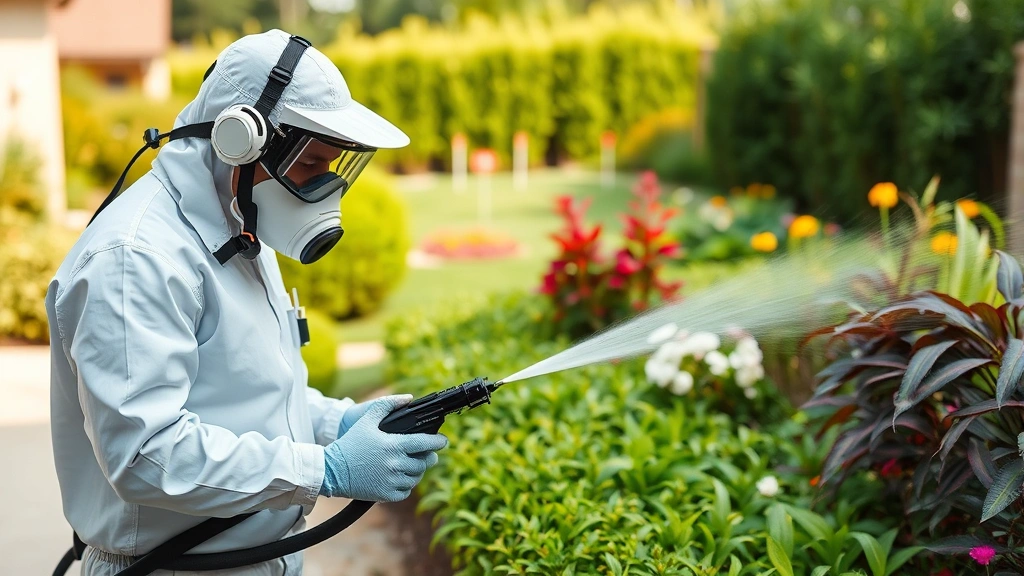
Key Benefits of IGRs:
- Population Control Without Resistance: Because IGRs target fundamental developmental processes, resistance development is slower and less common than with conventional pesticides. This makes them valuable tools for managing pesticide-resistant populations.
- Environmental Safety: IGRs break down relatively quickly in the environment and don’t accumulate in food chains, reducing long-term ecological impacts.
- Selectivity: Many IGRs target specific insect groups, protecting beneficial insects that are crucial for ecosystem health and agricultural productivity.
- Reduced Chemical Load: When incorporated into IPM programs, IGRs often reduce the total amount of pesticide needed to manage pest populations.
- Multiple Life Stage Control: Unlike products that target only adult insects, IGRs can be effective against eggs, larvae, and pupae, providing more comprehensive population control.
These benefits have made IGRs increasingly popular among both professional pest managers and homeowners who prioritize safety and sustainability in their approach to personal growth in pest management practices.
Environmental and Health Considerations
While insect growth regulators are generally considered safer than many conventional pesticides, proper understanding of their environmental and health profiles is essential for responsible use.
Toxicity Profile: Most IGRs have low acute toxicity to mammals. The LD50 values (the dose lethal to 50% of test animals) for many IGRs are higher than those of conventional pesticides, indicating they are less acutely toxic. However, this doesn’t mean they’re risk-free—all pesticides should be handled according to label instructions.
Environmental Persistence: Most IGRs degrade relatively quickly in soil and water through microbial action and UV exposure. This limited environmental persistence reduces the risk of long-term accumulation in ecosystems. However, some IGRs may persist longer in certain conditions, making proper application technique important.
Non-Target Effects: While IGRs are more selective than broad-spectrum pesticides, they can affect non-target insects. Beneficial insects like honeybees and parasitic wasps may be impacted if exposed directly. This is why application timing and placement are critical—applying IGRs when beneficial insects are not active minimizes non-target effects.
Regulatory Status: Most IGRs used today have undergone rigorous evaluation by regulatory agencies including the EPA and similar organizations in other countries. These products are approved for specific uses based on scientific evidence demonstrating acceptable safety margins for humans and acceptable environmental impacts.
Responsible Use Practices:
- Always read and follow label instructions completely
- Use appropriate personal protective equipment during application
- Apply IGRs during times when beneficial insects are less active
- Avoid application near water sources unless the product is specifically labeled for aquatic use
- Store IGR products safely away from children and pets
- Dispose of empty containers according to local regulations
Expert Recommendations and Best Practices
Leading entomologists and pest management professionals consistently recommend IGRs as a cornerstone of modern, sustainable pest management. Their insights provide valuable guidance for anyone implementing pest control strategies.
Integration with Other Strategies: Experts emphasize that IGRs work best as part of comprehensive integrated pest management programs. This means combining chemical tools with non-chemical approaches including sanitation, exclusion, habitat modification, and monitoring. For example, in managing pest populations, combining IGR applications with proper sanitation practices yields superior results compared to relying on IGRs alone.
Timing and Application: Professional pest managers stress the importance of applying IGRs at the right time in the pest’s life cycle. For many pests, application during the larval stage provides maximum effectiveness. Monitoring pest populations helps determine optimal application timing, reducing unnecessary treatments while maintaining control.
Combination Products: Many modern pest control products combine an IGR with an adulticide (a compound that kills adult insects). This approach provides immediate control of existing pest populations while IGR components prevent future generations from developing. These combination products often deliver superior results compared to single-active-ingredient products.
Research-Based Selection: Pest management professionals recommend selecting IGRs based on scientific evidence of efficacy against target pests. Different IGRs have different target spectra—what works well for fleas may not be effective against whiteflies. Consulting professional resources and research ensures appropriate product selection.
Monitoring and Adjustment: Effective pest management requires ongoing monitoring to assess whether implemented strategies are achieving desired results. If pest populations remain high after IGR application, adjustments may be needed, such as changing application timing, increasing treatment frequency, or incorporating additional control methods.
The integration of IGRs with a growth-oriented approach to pest management—continuously learning, adapting, and improving strategies—represents the modern best practice in the field. This philosophy aligns with principles discussed in growth mindset approaches applied to pest management excellence.
Frequently Asked Questions
What is the difference between an insect growth regulator and a traditional pesticide?
Traditional pesticides typically kill insects on contact through neurotoxic or other mechanisms. Insect growth regulators, by contrast, disrupt insect development and reproduction without causing immediate death. This fundamental difference makes IGRs slower-acting but potentially more effective at preventing pest population growth long-term.
Are insect growth regulators safe for pets and children?
Most IGRs approved for residential use have low toxicity to mammals when used according to label directions. However, as with all pesticides, they should be stored safely away from children and pets, and label instructions should be followed precisely. Some IGRs are specifically formulated for pet flea control and are considered safe for direct application to animals.
How long does it take for insect growth regulators to work?
IGRs typically work more slowly than conventional pesticides because they disrupt development rather than causing immediate death. Effects may take days to weeks depending on the target insect’s life cycle stage and the specific IGR used. This is why many modern products combine IGRs with adulticides for faster initial control.
Can insects develop resistance to insect growth regulators?
Resistance to IGRs develops more slowly than resistance to conventional pesticides because IGRs target fundamental developmental processes. However, resistance can eventually develop with repeated exposure. This is why rotating different classes of pesticides and maintaining good non-chemical practices remains important.
Which insects can be controlled with insect growth regulators?
Different IGRs target different insect groups. Common targets include fleas, mosquitoes, flies, whiteflies, aphids, and various lepidopteran larvae. The specific insects controlled depend on the IGR product—always check the label for target pest listings.
How do insect growth regulators affect beneficial insects?
Many IGRs are selective enough to affect target pests while leaving beneficial insects relatively unharmed. However, direct exposure can affect non-target insects. Careful application timing and placement—such as treating areas where beneficial insects are less active—minimizes these impacts. Choosing IGRs with narrow target spectra when possible further protects beneficial species.


