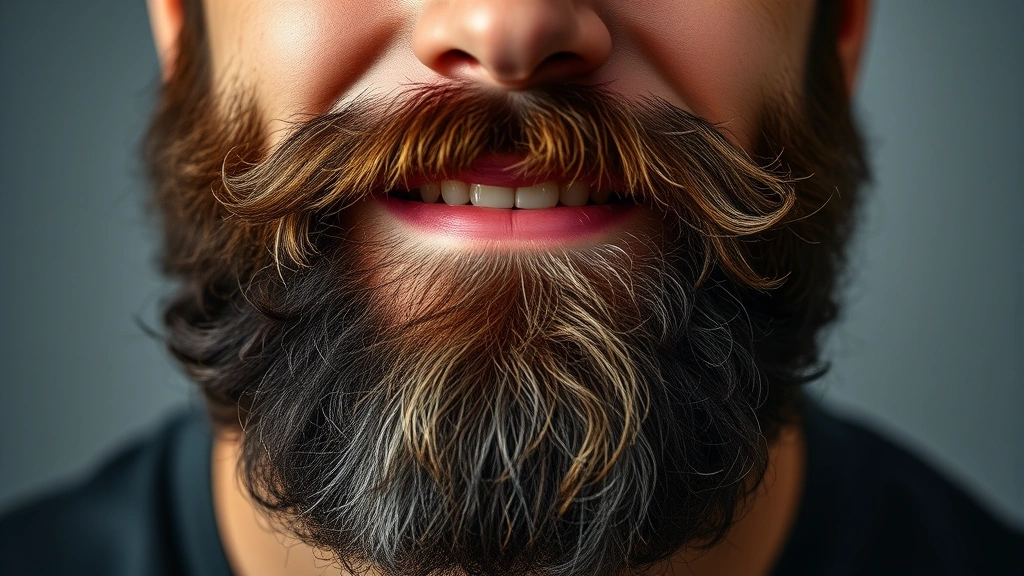
Boost Beard Growth: Expert Tips & Tricks
Growing a full, healthy beard is more than just patience—it’s a combination of biology, lifestyle choices, and proper grooming techniques. Whether you’re aiming for a thick lumberjack aesthetic or a refined stubble look, understanding the science behind facial hair growth can dramatically accelerate your results. Many men struggle with patchy beards or slow growth rates, not realizing that the solution lies in optimizing their nutrition, sleep quality, and daily habits.
The journey to achieving your dream beard requires commitment and knowledge. Just like setting and achieving your goals effectively, growing a magnificent beard demands a strategic approach. This comprehensive guide reveals science-backed methods to accelerate beard growth, eliminate common obstacles, and maintain the facial hair you’ve worked hard to cultivate.

Understanding Beard Growth Biology
Beard growth is primarily controlled by genetics and testosterone levels, but this doesn’t mean you’re powerless if you have slower-growing facial hair. Your beard grows from hair follicles embedded in your skin, and each follicle goes through three distinct phases: the anagen (growth) phase, catagen (transition) phase, and telogen (resting) phase. Most facial hair remains in the growth phase for approximately 2-6 years, which is why patience becomes your greatest ally.
The rate at which your beard grows—typically about half an inch per month—is determined by your genetic blueprint and hormonal environment. Dihydrotestosterone (DHT), a byproduct of testosterone, plays a crucial role in facial hair development. However, simply having high testosterone doesn’t guarantee rapid beard growth; your hair follicles must be sensitive to DHT and properly nourished. This is why two men with similar hormone levels can have dramatically different beard growth rates.
Understanding that personal growth extends to physical development helps you approach beard growth holistically. Your facial hair reflects your overall health, nutritional status, and lifestyle choices. By optimizing these factors, you’re not just growing a better beard—you’re improving your entire body’s functioning.

Nutrition and Diet for Beard Growth
What you eat directly impacts your beard’s thickness, strength, and growth rate. Hair is primarily composed of a protein called keratin, which means adequate protein intake is non-negotiable for beard growth. Aim for 1.6-2.2 grams of protein per kilogram of body weight daily, sourced from diverse origins including lean meats, fish, eggs, legumes, and dairy products.
Beyond protein, specific micronutrients play essential roles in facial hair development. Biotin, a B-vitamin, supports keratin production and strengthens hair structure. Zinc regulates sebum production and supports hair follicle health, while iron carries oxygen to follicles, promoting growth. Vitamin D deficiency has been linked to hair loss and impaired growth, making adequate sun exposure or supplementation crucial during winter months.
Consider incorporating these beard-boosting foods into your diet:
- Fatty fish (salmon, mackerel, sardines): Rich in omega-3 fatty acids that reduce inflammation and support scalp health
- Eggs: Complete protein source containing choline and selenium for follicle strength
- Nuts and seeds: Provide vitamin E, selenium, and zinc for antioxidant protection
- Leafy greens: Iron and folate support oxygen delivery to hair follicles
- Oysters and beef: Exceptional zinc sources that support DHT sensitivity
- Sweet potatoes: Beta-carotene converts to vitamin A, crucial for sebum production
Research published in the National Center for Biotechnology Information demonstrates that nutritional deficiencies directly correlate with hair loss and stunted growth rates. Adopting a nutrient-dense diet isn’t just about beard aesthetics—it’s an investment in your overall health and vitality.
Sleep and Hormonal Optimization
Sleep quality profoundly affects testosterone production and hair growth cycles. During deep sleep, your body synthesizes testosterone and growth hormone, both critical for beard development. Men who consistently sleep 7-9 hours nightly show significantly better beard growth compared to those sleeping less than 6 hours. This isn’t coincidental; it’s fundamental biology.
When you’re sleep-deprived, cortisol levels spike, suppressing testosterone production and triggering inflammation throughout your body. This inflammatory state directly impairs hair follicle function and accelerates the telogen (shedding) phase. Additionally, poor sleep disrupts your circadian rhythm, which regulates hormonal cycles that control facial hair growth.
Optimize your sleep environment by maintaining a consistent schedule, keeping your bedroom cool (around 65-68°F), and eliminating blue light exposure one hour before bed. Just as increasing motivation requires consistent habits, improving sleep quality demands disciplined routines that compound over time.
Consider implementing these sleep-enhancing practices:
- Establish a consistent bedtime and wake time, even on weekends
- Limit caffeine intake after 2 PM
- Exercise regularly, but not within 3 hours of bedtime
- Practice relaxation techniques like meditation or deep breathing
- Avoid screens 60 minutes before sleep
Skincare and Beard Maintenance
Healthy skin creates an optimal environment for beard growth. Neglecting skincare is one of the most common mistakes men make when trying to grow beards. Dead skin cells accumulate on your face, clogging pores and creating an inflammatory environment that inhibits hair follicle function.
Establish a simple but effective skincare routine:
- Cleanse twice daily: Use a gentle, sulfate-free cleanser to remove dirt and excess oil without stripping natural moisture
- Exfoliate 2-3 times weekly: Remove dead skin cells that can trap beard hairs and cause ingrown hairs
- Moisturize daily: Hydrated skin supports better hair growth; use a quality beard oil or facial moisturizer
- Protect from UV damage: Sun exposure damages hair follicles; use SPF 30+ daily
Beard oils and balms aren’t luxury items—they’re functional tools that nourish your facial hair and underlying skin. Quality beard oil contains carrier oils (jojoba, argan, coconut) and essential oils that reduce inflammation, promote blood circulation, and soften facial hair. Apply beard oil 2-3 times weekly, massaging it into your beard and the skin beneath to stimulate follicles.
Scalp massage techniques translate directly to facial hair care. Gentle massage with your fingertips for 5 minutes daily increases blood flow to hair follicles, delivering oxygen and nutrients more efficiently. This simple practice costs nothing but yields measurable results within weeks.
Exercise and Lifestyle Factors
Physical exercise boosts testosterone production and improves overall circulation, both critical for beard growth. Resistance training—particularly compound movements like squats, deadlifts, and bench presses—triggers the greatest testosterone response. Aim for 3-4 strength training sessions weekly, combined with cardiovascular exercise for optimal hormonal balance.
Stress management is equally important as exercise. Chronic stress elevates cortisol, which suppresses testosterone and triggers hair loss. Just as overcoming procrastination requires stress management strategies, promoting beard growth demands cortisol reduction through meditation, yoga, or other relaxation practices.
Limit alcohol consumption and eliminate smoking completely. Both habits suppress testosterone production and reduce blood circulation to facial hair follicles. Smoking particularly accelerates the telogen phase, causing premature shedding and stunted growth. The National Institutes of Health documents extensive evidence linking smoking to hair loss across the scalp and face.
Supplements and Vitamins
While whole foods should form the foundation of your nutrition, strategic supplementation can accelerate beard growth results. Before beginning any supplement regimen, consult with a healthcare provider to ensure appropriateness for your individual circumstances.
Key beard-growth supplements:
- Biotin (5-10mg daily): Strengthens hair structure and supports keratin production; clinical studies show measurable improvements within 3-6 months
- Vitamin D3 (2,000-4,000 IU daily): Regulates hair growth cycles and supports follicle health; particularly important during winter months
- Zinc (15-30mg daily): Supports DHT sensitivity and sebum regulation; deficiency directly correlates with beard loss
- Iron (ferrous sulfate or chelated form): Carries oxygen to hair follicles; particularly important if you have low ferritin levels
- Vitamin A (retinol, 700-900 mcg daily): Promotes sebum production and follicle health; excessive intake can be toxic, so don’t exceed recommended amounts
- B-complex vitamins: Support energy metabolism and stress resilience; B12 and folate particularly important for hair growth
Research from Dermatologic Therapy journal confirms that targeted supplementation addresses nutritional gaps that impair beard growth. However, supplements amplify—they don’t replace—a solid nutritional foundation.
Common Beard Growth Mistakes
Many men unknowingly sabotage their beard growth through preventable mistakes. Understanding these pitfalls helps you avoid months of wasted effort and frustration.
Mistake 1: Trimming Too Frequently – The myth that trimming promotes faster growth persists despite lacking scientific evidence. Trimming removes dead ends and maintains shape, but it doesn’t accelerate growth. Trim every 4-6 weeks to maintain appearance while allowing maximum length growth.
Mistake 2: Neglecting the Awkward Phase – Most men abandon beards during the 2-3 month awkward phase when growth appears patchy and uneven. Consistency during this period is crucial; resist the urge to shave and allow your beard time to fill in completely. The growth mindset approach applies here—view challenges as temporary obstacles, not permanent limitations.
Mistake 3: Using Harsh Soaps – Regular facial soap strips natural oils essential for beard health. Invest in beard shampoo specifically formulated to preserve natural oils while cleaning effectively.
Mistake 4: Ignoring Nutritional Deficiencies – Many men with slow beard growth suffer from undiagnosed nutritional deficiencies. Getting blood work done reveals iron, vitamin D, zinc, and B12 levels, allowing targeted supplementation.
Mistake 5: Inconsistent Grooming Routines – Beard growth requires consistency. Sporadic beard oil application, irregular exercise, and inconsistent sleep schedules undermine your efforts. Treat beard growth like any other important goal—establish systems and track progress.
Mistake 6: Excessive Heat Styling – If you’re blow-drying your beard, stop. Heat damages hair structure and accelerates the telogen phase. Air-dry whenever possible, and if you must use heat, apply heat protectant products first.
FAQ
How long does it take to grow a full beard?
Most men can achieve a noticeably full beard within 3-4 months of consistent growth. However, achieving maximum density and length typically requires 6-12 months. Individual timelines vary based on genetics, age, and optimization of growth factors. Patience combined with strategic habits accelerates results significantly.
Can women use these beard growth tips for scalp hair?
Absolutely. While DHT sensitivity differs between sexes, the nutritional and lifestyle recommendations apply universally. Protein intake, sleep quality, stress management, and supplementation benefit hair growth across all body locations regardless of gender. However, women should consult healthcare providers before DHT-related treatments.
Does beard growth slow with age?
Testosterone naturally declines with age, which can slow beard growth. However, optimizing nutrition, sleep, and exercise can partially compensate for age-related hormonal changes. Many men in their 40s and 50s maintain excellent beard growth through consistent lifestyle habits.
What’s the best beard growth timeline?
Expect approximately 0.5 inches monthly under optimal conditions. This means 6 inches in a year, 12 inches in two years. Optimization through nutrition, sleep, and exercise can increase this to 0.6-0.7 inches monthly in some individuals. Genetics ultimately set the ceiling, but most men can achieve significant improvement through effort.
Should I use minoxidil for beard growth?
Minoxidil (Rogaine) can stimulate beard growth, particularly in areas with patchy growth. However, results are modest compared to scalp hair applications, and discontinuing use reverses gains. Before considering minoxidil, exhaust natural optimization methods first. Consult a dermatologist to determine if minoxidil is appropriate for your situation.
How does stress affect beard growth?
Chronic stress elevates cortisol, which suppresses testosterone and triggers telogen effluvium (premature shedding). Stress also impairs nutrient absorption and disrupts sleep quality. Managing stress through meditation, exercise, and relaxation techniques directly improves beard growth potential.
Visit the GrowthLifeHub Blog for additional growth resources and guides on optimizing all aspects of your personal development journey. Growing a magnificent beard is just one expression of the broader commitment to self-improvement and physical optimization.


