
Growth Plates Closed? Doctor Insights Explained
Understanding whether your growth plates have closed is crucial for anyone concerned about height, athletic performance, or long-term skeletal health. Growth plates, also called epiphyseal plates, are areas of cartilage located near the ends of long bones in children and adolescents. These specialized zones of cartilage cells are responsible for bone lengthening during development. Once they close—a process called epiphyseal fusion—bones can no longer grow in length, marking the end of vertical growth potential.
Many people wonder if they can still grow taller, whether their athletic career might still flourish, or simply want to understand their body’s developmental stage. This comprehensive guide explores how doctors identify closed growth plates, what the process means for your future, and practical insights from medical professionals about this critical biological milestone.
What Are Growth Plates and Why Do They Matter?
Growth plates are bands of cartilage tissue located at the ends of long bones, particularly in the femur (thighbone), tibia (shinbone), fibula, humerus (upper arm bone), and radius and ulna (forearm bones). These structures contain rapidly dividing cells that create new bone tissue, allowing bones to elongate during childhood and adolescence. Think of growth plates as the biological blueprint for height development—they’re essentially the mechanism through which your skeleton expands.
The significance of growth plates extends beyond simple height measurement. They influence athletic capabilities, body proportions, and overall physical development. Athletes, in particular, often want to know their growth plate status because it determines whether they might still gain height advantages or need to focus on other performance metrics. Medical professionals monitor growth plate development because premature closure can indicate underlying health conditions, while delayed closure might suggest hormonal imbalances or nutritional deficiencies.
Understanding your personal growth trajectory—both physically and developmentally—requires knowledge of these biological markers. The closure of growth plates represents a significant transition from the growth phase of life into adulthood, making it a pivotal moment in human development.
Signs Your Growth Plates Have Closed
Several observable and measurable indicators suggest that growth plates have closed. While none are definitive without medical imaging, they provide valuable clues about your developmental status.
- Stable Height for Extended Period: If you haven’t grown taller in 1-2 years despite being in your teenage years, this suggests potential closure. Most people experience noticeable height changes during growth spurts, so plateauing is a significant indicator.
- Completion of Puberty: Growth plate closure typically coincides with the completion of pubescent development. For females, this usually occurs 2-3 years after menarche (first menstruation), while males experience closure slightly later in their developmental cycle.
- Increased Bone Density: As growth plates close, bones become denser and heavier. You might notice that your weight increases despite not gaining height, as cartilage transforms into solid bone tissue.
- Joint Maturation: Wrists and ankles may feel more stable and less flexible as growth plates ossify. This increased rigidity is a natural consequence of cartilage converting to bone.
- Clothing Size Stabilization: If shoe and clothing sizes have remained consistent for an extended period, particularly after adolescence, this suggests growth plate closure.
These signs work together to create a composite picture of developmental status. However, individual variation is substantial—some people close their growth plates earlier or later than average, influenced by genetics, nutrition, and hormonal factors.
Medical Imaging: How Doctors Confirm Closure
Doctors employ several imaging techniques to definitively determine whether growth plates have closed. These methods provide scientific confirmation beyond observational signs.
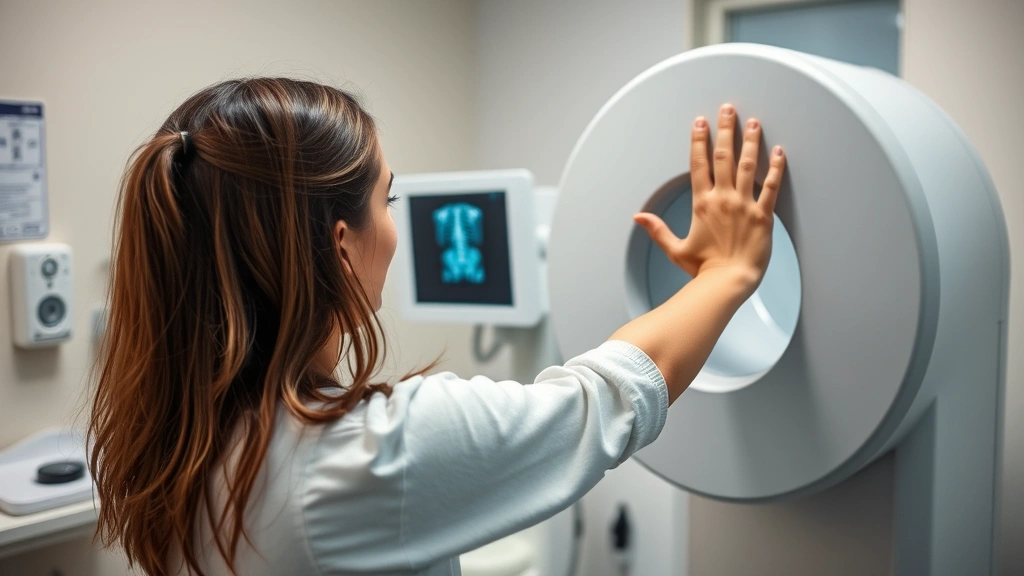
X-Ray Imaging: The most common and accessible method involves standard X-rays of the wrist, hand, or knee. Growth plates appear as distinct lines of cartilage between the bone shaft (diaphysis) and the bone end (epiphysis). When plates close, these lines disappear as cartilage transforms into bone, and the epiphysis fuses with the diaphysis. Radiologists can clearly distinguish between open and closed plates on these images.
MRI (Magnetic Resonance Imaging): MRI provides superior soft tissue visualization and is particularly useful when detailed assessment of cartilage composition is necessary. While more expensive than X-rays, MRI can detect earlier stages of growth plate closure and assess the thickness of remaining cartilage. This imaging modality is often used in research settings or when precise measurements are critical.
CT (Computed Tomography) Scans: CT imaging offers three-dimensional visualization and is sometimes used when comprehensive skeletal assessment is required. However, due to radiation exposure concerns, CT is typically reserved for cases where other imaging methods are insufficient.
Doctors typically request X-rays of the left hand and wrist, as these areas contain multiple growth plates and provide comprehensive assessment with minimal radiation exposure. A qualified radiologist examines these images and provides a report indicating whether plates are open, partially closed, or completely fused.
Age Ranges and Timeline for Growth Plate Closure
Growth plate closure follows a relatively predictable timeline, though individual variation is significant. Understanding these general age ranges helps contextualize your own developmental stage.
Female Growth Plate Closure: Girls typically experience growth plate closure between ages 13-16 for most major long bones. The hand and wrist plates usually close first, followed by the knee, ankle, and shoulder plates. By age 16-18, most girls have completely closed growth plates, though some variation exists.
Male Growth Plate Closure: Boys generally close their growth plates 1-2 years later than girls, typically between ages 15-18. The larger average height in adult males is partly attributable to this extended growth window. Some males continue closing growth plates into their early twenties, particularly in the spine and pelvis.
Specific Bone Timeline: Different bones close at different times. The hand and wrist bones typically close first (ages 14-17), followed by the foot bones. The knee plates close around ages 16-19, while the hip and shoulder plates may not fully close until the early twenties.
These timelines represent averages based on large population studies. Your individual timeline may differ based on genetics, nutrition, hormonal status, and overall health. Ethnic background also influences timing slightly, with some populations showing earlier or later closure patterns.
What Happens After Growth Plates Close
Once growth plates completely ossify and fuse with the main bone shaft, significant physiological changes occur. Understanding these changes helps you adapt your approach to overcome limitations and focus on achievable goals.
Permanent Height Achievement: The most obvious consequence is that height becomes fixed. You cannot grow taller after complete growth plate closure, regardless of nutrition, exercise, or other interventions. This finality makes it crucial to optimize growth during the developmental years through proper nutrition and health habits.
Skeletal Maturation: Your skeleton becomes fully mature, with bones achieving maximum density and strength. This maturation is actually beneficial for athletic performance in many sports, as mature bones can handle greater forces and stresses. The trade-off is that you’ve lost the growth potential that characterized your earlier years.
Postural Changes: Some people experience subtle postural adjustments as the spine fully matures. Spinal curves become more established, and vertebral bodies complete their ossification. This is why maintaining good posture becomes increasingly important—your skeletal structure is now permanent.
Reduced Injury Recovery Time Paradox: While bone remodeling capacity decreases, mature bones actually heal more reliably in some contexts. However, they’re less adaptable to new stresses, making injury prevention more important than ever.

Can You Still Grow After Growth Plates Close?
This is perhaps the most commonly asked question, and the answer requires nuance. You cannot grow taller through bone lengthening after growth plate closure, but several mechanisms can create the appearance of height changes or actual physical expansion.
Spinal Compression and Decompression: Your spine compresses throughout the day due to gravity and activity. Upon waking, you’re typically 0.5-1 inch taller than when you go to bed. This isn’t growth plate activity—it’s fluid redistribution in intervertebral discs. While not permanent height gain, it demonstrates that height isn’t completely static.
Posture Optimization: Poor posture can make you appear 1-2 inches shorter than your actual height. By improving posture through strengthening and awareness, you can achieve your maximum height potential. This is particularly important after growth plates close, as posture becomes your primary height determinant.
Spinal Decompression Therapy: Some research suggests that targeted spinal decompression exercises might create temporary height increases by improving disc hydration. However, these effects are modest and temporary, not representing actual bone growth.
Weight Management: Gaining excess weight can compress the spine and reduce apparent height. Conversely, maintaining healthy weight and strong core muscles helps you stand at your full height. This connects directly to your overall life management and health optimization.
The reality is that permanent height growth ceases with growth plate closure. However, optimizing your posture and spinal health allows you to achieve and maintain your maximum height. This shift in perspective—from pursuing growth to optimizing current stature—represents an important growth mindset adjustment.
Factors Affecting Growth Plate Development
Multiple factors influence the timing and completeness of growth plate closure. Understanding these variables helps explain individual variation and highlights areas where optimization is possible.
Genetic Factors: Your DNA largely determines your growth plate closure timeline and final height. If your parents closed their growth plates early, you likely will too. Genetic influence accounts for approximately 60-80% of height variation in populations.
Nutritional Status: Adequate protein, calcium, vitamin D, and other micronutrients are essential for proper bone development. Malnutrition or specific nutrient deficiencies can delay growth plate closure or result in suboptimal height achievement. This is why childhood nutrition is so critical—it directly impacts your adult height potential.
Hormonal Factors: Growth hormone, thyroid hormones, and sex hormones (estrogen and testosterone) regulate growth plate activity. Hormonal imbalances can accelerate or delay closure. Conditions like hypothyroidism or growth hormone deficiency significantly impact growth plate function.
Physical Activity: Moderate exercise supports healthy bone development and growth plate function. However, excessive stress on growth plates—particularly repetitive high-impact activities in young athletes—can potentially accelerate closure or cause injury. This is why young athletes benefit from varied training approaches.
Sleep Quality: Growth hormone is primarily secreted during deep sleep. Chronic sleep deprivation during childhood and adolescence can impair growth potential. This makes sleep prioritization crucial during developmental years.
Illness and Stress: Chronic illness, severe stress, or systemic inflammation can delay growth and growth plate closure. Conditions like celiac disease, inflammatory bowel disease, or chronic infections can significantly impact growth trajectories.
Environmental Factors: Socioeconomic factors, access to healthcare, and environmental stressors influence growth outcomes. Children in resource-limited settings often show delayed growth plate closure due to nutritional and health challenges.
Understanding these factors empowers you to optimize the controllable variables—nutrition, sleep, exercise, and stress management—even though genetic factors remain largely fixed. This aligns with the philosophy of continuous improvement by focusing on what you can actually influence.
FAQ
At what age do growth plates typically close?
Growth plates typically close between ages 13-18 for females and 15-20 for males, though individual variation is substantial. Hand and wrist plates close first, while spinal plates may not close until the early twenties. Your specific timeline depends on genetics, nutrition, hormonal status, and overall health.
Can an X-ray definitively show if growth plates are closed?
Yes, X-rays are the standard diagnostic tool for assessing growth plate status. Radiologists can clearly distinguish between open plates (visible as cartilage lines), partially closed plates, and completely fused plates. A simple hand and wrist X-ray provides comprehensive assessment with minimal radiation exposure.
What should I do if I’m concerned about my growth?
Schedule an appointment with your primary care physician or pediatrician. They can assess your growth pattern, request appropriate imaging if necessary, and determine whether your growth is within normal ranges. If concerns exist, they might refer you to an endocrinologist specializing in growth disorders.
Is it possible to grow taller after growth plates close?
No, you cannot grow taller through bone lengthening after growth plate closure. However, optimizing posture, maintaining spinal health, and managing weight can help you achieve and maintain your maximum height. Some temporary height variations occur throughout the day due to spinal compression and decompression.
Can nutrition help close growth plates at the right time?
Proper nutrition supports healthy growth plate development and appropriate closure timing. Deficiencies in protein, calcium, vitamin D, and other nutrients can delay closure or impair height achievement. However, nutrition cannot significantly alter your genetically determined closure timeline—it optimizes the process rather than controlling it.
Do athletes have different growth plate closure patterns?
Athletes generally follow similar closure patterns to non-athletes, though intense training might influence timing slightly. Excessive repetitive stress on growth plates can potentially accelerate closure in some cases. This is why young athletes benefit from varied training, adequate recovery, and proper technique to protect developing growth plates.
What’s the relationship between growth plates and adult bone strength?
Once growth plates close and bones fully mature, bone density and strength increase significantly. Mature bones are generally stronger than developing bones, but they’re also less adaptable. This is why maintaining bone health through exercise, adequate calcium and vitamin D intake, and avoiding smoking becomes increasingly important in adulthood.


