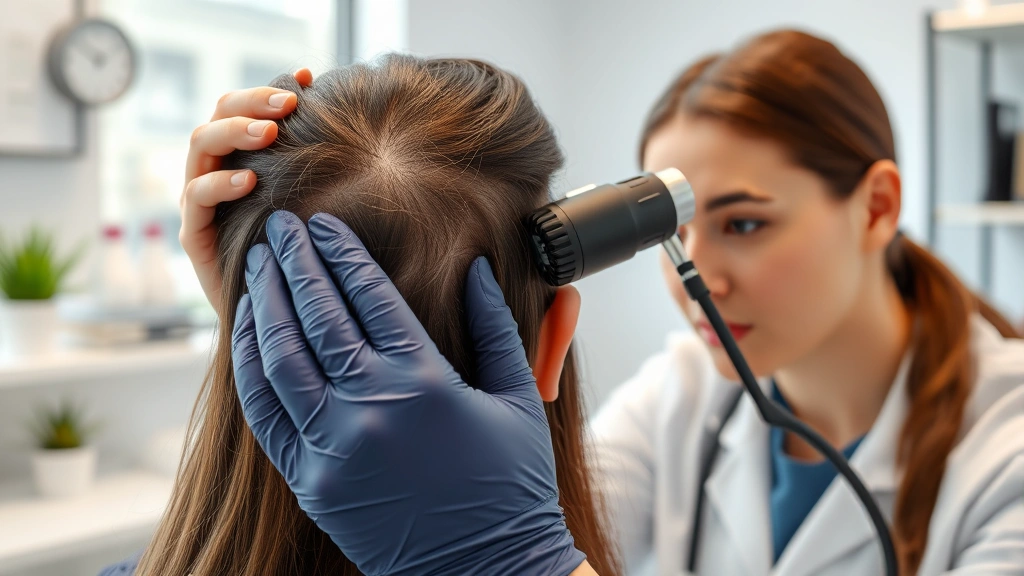
Best Hair Shampoo for Growth? Dermatologist Insights & Evidence-Based Recommendations
Hair loss affects millions worldwide, with approximately 50 million men and 30 million women experiencing androgenetic alopecia in the United States alone. While genetics play a significant role, the products you use daily can substantially impact hair health, thickness, and growth potential. This comprehensive guide reveals what dermatologists actually recommend when it comes to hair shampoo for hair growth, cutting through marketing hype to deliver science-backed solutions that deliver measurable results.
The journey to healthier, fuller hair begins with understanding the science behind growth-promoting ingredients and how they interact with your scalp’s microbiome. We’ll explore clinically-proven formulations, expert recommendations, and practical strategies to maximize your hair’s growth potential starting today.
How Hair Growth Actually Works: Understanding the Science
Before selecting the best hair growth shampoos, you need to understand the biological process governing your hair’s lifecycle. Hair grows in three distinct phases: the anagen (growth) phase lasting 2-7 years, the catagen (transition) phase lasting 2-3 weeks, and the telogen (resting) phase lasting 2-3 months. During telogen, hair sheds naturally—losing 50-100 hairs daily is completely normal.
Dermatologists emphasize that hair shampoo alone cannot create new hair follicles, but it can optimize conditions for existing follicles to thrive. The scalp contains approximately 100,000 hair follicles, and most people never activate their full potential due to suboptimal scalp health, nutritional deficiencies, or hormonal imbalances. Quality shampoos work by removing DHT buildup, reducing inflammation, nourishing the hair shaft, and creating an environment where follicles can remain in the growth phase longer.
Research from the National Center for Biotechnology Information demonstrates that scalp inflammation directly correlates with premature hair shedding. When your scalp’s pH becomes imbalanced or sebum production becomes excessive, follicles become inflamed and prematurely enter the telogen phase. This is why dermatologists prioritize scalp health as the foundation for any hair growth strategy.
Key Ingredients Dermatologists Recommend for Hair Growth
Not all hair shampoo ingredients are created equal. Dermatologists distinguish between marketing buzzwords and clinically-validated compounds. Here are the ingredients with the strongest scientific evidence:
- Minoxidil (2-5%): The only FDA-approved topical ingredient for hair regrowth, minoxidil extends the anagen phase and increases blood flow to follicles. Prescription-strength formulations contain 5% concentration, while over-the-counter options typically contain 2-3%. Results typically appear after 4-6 months of consistent use.
- Ketoconazole: This antifungal ingredient reduces scalp inflammation and DHT buildup. Studies show 2% ketoconazole shampoos improve hair density when used 2-3 times weekly. It’s particularly effective for individuals with dandruff or seborrheic dermatitis contributing to hair loss.
- Caffeine: Research published in the International Journal of Dermatology shows caffeine penetrates the hair shaft and stimulates growth-promoting proteins. Caffeine-infused shampoos demonstrate measurable improvements in hair thickness within 4-6 weeks.
- Niacinamide (Vitamin B3): This powerhouse ingredient strengthens the hair-follicle bond, reduces sebum production, and decreases inflammation. Dermatologists recommend niacinamide concentrations of 2-5% for optimal results without irritation.
- Rosemary Extract: Our detailed guide on hair growth with rosemary oil explains how this botanical compound stimulates microcirculation and reduces DHT activity. Rosemary-based formulations show results comparable to minoxidil in some clinical trials.
- Biotin and Panthenol: These B-complex vitamins strengthen hair structure and improve elasticity, reducing breakage that can mask true growth. While they don’t stimulate new growth directly, they enhance the appearance of existing hair and support overall hair health.
Dr. American Academy of Dermatology recommends avoiding shampoos with harsh sulfates, which strip natural oils and disrupt the scalp’s protective barrier. Instead, seek sulfate-free formulations with pH levels between 4.5-5.5 to maintain scalp equilibrium.
Top Hair Growth Shampoos Reviewed by Dermatologists
Based on clinical evidence and dermatologist recommendations, these formulations deliver measurable results:
- Nizoral A-D (Ketoconazole 1%): The most accessible dermatologist-recommended option, available without prescription. Use 2-3 times weekly for optimal results. Particularly effective for dandruff-related hair loss and seborrheic scalp conditions.
- Alpecin Caffeine Shampoo: Clinical studies show users experience 45% more hair growth after 4 months. The caffeine formulation stimulates follicle activity without harsh chemicals. Ideal for daily use without disrupting scalp pH.
- Puracy Natural Shampoo: A sulfate-free option with natural ingredients that maintains scalp health without stripping oils. Recommended for sensitive scalps or those prone to irritation from medicated formulations.
- Regenepure DR: Contains ketoconazole, niacinamide, and saw palmetto—a triple-action formula targeting multiple hair loss mechanisms. Dermatologists recommend this for androgenetic alopecia specifically.
- Peppermint Essential Oil Shampoos: Research indicates peppermint increases blood flow to hair follicles similarly to minoxidil. These options provide a natural alternative for those seeking botanical-based solutions.
The most effective approach combines a clinically-proven shampoo with complementary treatments. Many dermatologists recommend pairing your shampoo with topical minoxidil or oral finasteride (for men) to address hair loss from multiple angles simultaneously.
Scalp Health: The Foundation for Hair Growth
Even the best hair growth shampoo cannot overcome poor scalp health. Your scalp is essentially soil where hair follicles take root. When this environment becomes compromised, even healthy follicles underperform.
Dermatologists emphasize several critical scalp health factors:
- Microbiome Balance: Your scalp hosts a complex ecosystem of bacteria and fungi. Harsh shampoos destroy beneficial bacteria, allowing pathogenic species to proliferate. This triggers inflammation and accelerates hair loss. Probiotic shampoos are emerging as a dermatologist-recommended solution.
- pH Balance: Human skin, including scalp, maintains an acidic pH around 4.5-5.5. Alkaline shampoos disrupt this barrier, causing dryness, flaking, and inflammation. Always verify your shampoo’s pH before purchasing.
- Sebum Production: Sebum protects your scalp and hair, but excessive buildup creates an environment where DHT accumulates. DHT, derived from testosterone, is the primary culprit in androgenetic alopecia. Quality shampoos regulate sebum without stripping it entirely.
- Circulation: Hair follicles require optimal blood flow to receive nutrients and oxygen. Scalp massage, inversion therapy, and caffeine-based shampoos all enhance microcirculation to follicles.
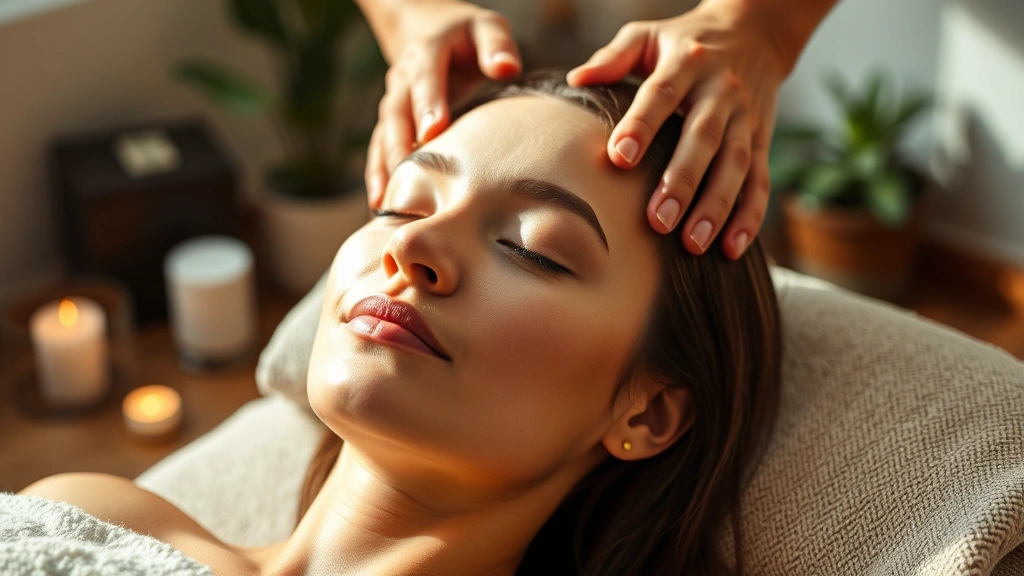
Consider implementing a comprehensive scalp care routine: gentle cleansing 3-4 times weekly, weekly exfoliation to remove dead skin cells, and regular scalp massage (5 minutes daily) to stimulate blood flow. This multi-pronged approach maximizes your shampoo’s effectiveness.
Creating Your Hair Growth Protocol
Dermatologists stress that consistency matters more than individual product selection. A mediocre shampoo used consistently outperforms premium products used sporadically. Here’s how to build an effective protocol:
- Week 1-2: Establish Baseline – Use your chosen growth-promoting shampoo 3-4 times weekly, allowing your scalp to adjust. Document hair density, shedding rate, and scalp condition. Take baseline photos under consistent lighting.
- Week 3-8: Build Routine – Maintain consistent usage while adding complementary treatments. Consider topical minoxidil (if appropriate), scalp massage, and nutritional supplementation. This is when you’ll observe initial improvements.
- Month 3-6: Evaluate Results – Most dermatologists recommend evaluating results after 4-6 months of consistent use. Hair growth takes time due to the anagen phase duration. Patience is critical—premature product-switching prevents you from reaching full potential.
- Month 6+: Optimize and Adjust – If results are positive, maintain your protocol. If results are minimal, discuss alternatives with a dermatologist. Some individuals require prescription-strength treatments or combination therapies.
Visit the Growth Lift Hub Blog for additional hair health strategies complementing your shampoo regimen. Comprehensive approaches addressing nutrition, stress, and sleep often accelerate results beyond topical treatments alone.
Common Mistakes That Sabotage Hair Growth Results
Even with the best hair growth shampoo, these common errors prevent optimal results:
- Switching Products Too Frequently: Hair growth requires months to manifest. Changing shampoos every 2-3 weeks prevents you from reaching the clinical timeline necessary for visible results. Commit to a 4-6 month trial minimum.
- Using Excessive Heat: High-temperature styling damages the hair shaft, causing breakage that masks true growth. Use heat protectants and minimize blow-drying frequency.
- Ignoring Nutritional Deficiencies: Hair growth requires adequate protein, iron, zinc, and biotin. Even excellent shampoos cannot overcome systemic nutritional gaps. Consider bloodwork to identify deficiencies.
- Overlooking Stress Management: Chronic stress triggers telogen effluvium, premature shedding affecting the entire scalp. Meditation, exercise, and sleep optimization directly support hair health alongside topical treatments.
- Using Harsh Towel Techniques: Aggressive towel-drying breaks wet hair, which is most vulnerable to damage. Gently squeeze excess water and air-dry whenever possible.
- Neglecting Scalp Massage: Five minutes of daily scalp massage increases blood flow by 40%, significantly enhancing shampoo effectiveness. This costs nothing yet dramatically improves results.
- Expecting Miracles from Shampoo Alone: Dermatologists emphasize that shampoo is one component of comprehensive hair health. Combine it with minoxidil, finasteride (if appropriate), proper nutrition, stress management, and scalp care for optimal outcomes.
The most successful individuals recognize that hair growth is a system, not a single product. Your shampoo provides the foundation, but the entire structure requires attention.
Frequently Asked Questions
How long before I see results from hair growth shampoo?
Dermatologists typically recommend 4-6 months of consistent use before evaluating results. Hair growth operates on a biological timeline. The anagen phase lasts 2-7 years, meaning individual hairs take months to noticeably lengthen. You may observe reduced shedding after 4-6 weeks, with visible density improvements appearing around month 3-4.
Can I use hair growth shampoo daily?
This depends on the specific formula. Medicated shampoos containing ketoconazole should be used 2-3 times weekly to avoid scalp irritation. Gentle, sulfate-free formulations with natural ingredients can typically be used daily. Always follow product-specific instructions and consult your dermatologist if you have sensitive skin.
Is prescription minoxidil better than over-the-counter?
Prescription-strength minoxidil (5%) is more potent than over-the-counter versions (2-3%), but also carries higher risks of side effects like scalp irritation and unwanted facial hair growth. For most individuals, over-the-counter strength is effective. Prescription strength is reserved for those with more severe hair loss who haven’t responded adequately to standard concentrations.
Should I combine hair growth shampoo with other treatments?
Dermatologists frequently recommend combination therapy for optimal results. Pairing a quality shampoo with topical minoxidil, oral finasteride (for men), or both addresses hair loss from multiple biological mechanisms. Discuss your specific situation with a dermatologist to determine the appropriate combination for your needs.
Can women use the same hair growth shampoos as men?
Most hair growth shampoos are unisex, but treatment protocols differ. Men often benefit from finasteride (Propecia), which women cannot use due to teratogenic effects. Women should focus on minoxidil, ketoconazole shampoos, and nutritional optimization. Hormonal evaluation is often necessary for women experiencing hair loss.
What’s the difference between hair growth shampoo and regular shampoo?
Hair growth shampoos contain clinically-proven active ingredients (minoxidil, ketoconazole, caffeine, niacinamide) that address underlying hair loss mechanisms. Regular shampoos clean hair but don’t treat loss. Additionally, growth shampoos maintain optimal scalp pH, avoid harsh sulfates, and include nourishing compounds that regular shampoos lack.
Are natural hair growth shampoos effective?
Some botanical ingredients show clinical evidence: rosemary extract, peppermint, and saw palmetto demonstrate hair growth-promoting properties. However, their effects are typically milder than pharmaceutical ingredients like minoxidil or ketoconazole. Many dermatologists recommend natural shampoos as maintenance products after achieving results with stronger treatments, or as standalone options for those seeking botanical approaches.
Can hair growth shampoo regrow completely bald areas?
Dermatologists distinguish between hair thinning (miniaturization) and complete baldness. Hair growth shampoos effectively address miniaturization, thickening thinned hair. However, completely bald areas with dormant follicles rarely respond to topical shampoos alone. These cases typically require stronger interventions like topical minoxidil, oral finasteride, or hair transplantation. Consulting a dermatologist early prevents progression to permanent baldness.


