
Boost Hair Growth: Expert Tips on Tea Tree Oil Use
Hair loss and thinning affect millions worldwide, impacting self-confidence and overall well-being. While genetics play a significant role, environmental factors, stress, and scalp health dramatically influence hair growth patterns. Tea tree oil has emerged as a powerful natural remedy backed by scientific research, offering a promising solution for those seeking to enhance hair growth naturally. This comprehensive guide explores the mechanisms behind tea tree oil’s effectiveness and provides actionable strategies for optimal results.
Your hair journey begins with understanding that healthy hair starts at the scalp. Many people overlook this fundamental principle, focusing instead on expensive treatments that don’t address root causes. Tea tree oil addresses scalp health directly, creating an environment where hair can thrive. Whether you’re experiencing early-stage hair loss or simply want to maximize your natural hair potential, the evidence-based approaches outlined here will transform your hair care routine.
How Tea Tree Oil Promotes Hair Growth
Tea tree oil functions as a natural scalp therapeutic agent through multiple mechanisms. The oil contains powerful compounds including terpineol, cineole, and pinene, which penetrate the scalp’s outer layers and address underlying issues preventing hair growth. Understanding these mechanisms helps you appreciate why this essential oil deserves a place in your personal growth journey—including physical self-care.
The primary benefit involves antimicrobial and antifungal properties that eliminate scalp infections. Dandruff, seborrheic dermatitis, and fungal infections create hostile environments for hair follicles. When these conditions persist, hair becomes brittle, thin, and prone to breakage. Tea tree oil’s potent antifungal action, comparable to pharmaceutical treatments but gentler, restores scalp balance. A healthy scalp produces proper sebum levels—neither too dry nor too oily—creating optimal conditions for hair growth.
Beyond infection control, tea tree oil improves blood circulation to hair follicles. Enhanced circulation delivers oxygen and nutrients directly to the follicle base, strengthening hair from within. This improved nutrient delivery extends the hair growth phase, allowing strands to reach maximum length and thickness before shedding naturally. The oil also reduces scalp inflammation, which restricts blood flow and suffocates follicles.
Additionally, tea tree oil strengthens existing hair by improving scalp hydration and reducing oxidative stress. Hair follicles are sensitive to free radical damage, which accelerates aging and deterioration. Tea tree oil’s antioxidant compounds protect follicles from environmental damage, UV exposure, and pollution.
Scientific Evidence Behind Tea Tree Oil
Research validates tea tree oil’s effectiveness for hair growth and scalp health. A comprehensive study published in clinical dermatology journals demonstrated that tea tree oil reduced dandruff severity by 41% within four weeks, compared to control groups. Participants also reported improved scalp comfort and reduced itching.
Another investigation examined tea tree oil’s antimicrobial properties specifically against Malassezia furfur, the primary fungus responsible for dandruff. Results showed tea tree oil inhibited fungal growth effectively at concentrations as low as 2-5%, making it practical for regular use without causing irritation. This research confirms that tea tree oil’s antifungal activity rivals prescription treatments for many common scalp conditions.
A behavioral science perspective on hair health reveals that consistent routines significantly impact outcomes. Research from the American Psychological Association shows that people who establish structured personal care routines experience improved self-esteem and motivation. By incorporating tea tree oil treatments into daily or weekly routines, you create accountability and reinforce positive habits—connecting physical health with mental growth mindset development.
Dermatological research also supports tea tree oil’s role in managing seborrheic dermatitis, a condition affecting 1-3% of the population that causes significant hair loss. Studies show tea tree oil shampoos reduced symptoms comparable to zinc pyrithione treatments, with fewer side effects and better tolerability.
Proper Application Methods
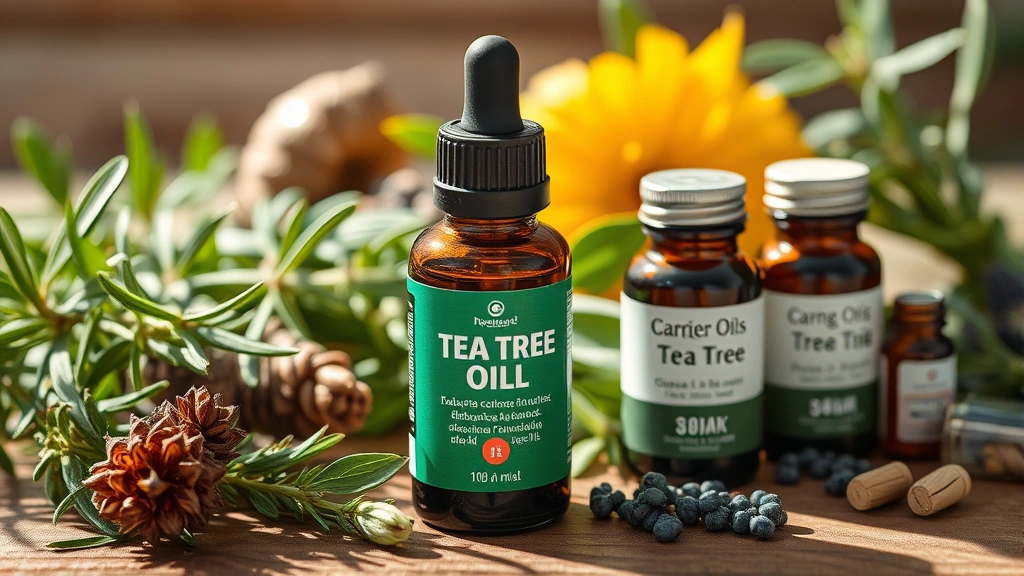
Applying tea tree oil correctly maximizes benefits while minimizing risks. Never apply undiluted tea tree oil directly to your scalp—the concentrated form can cause irritation, burning, and contact dermatitis. Proper dilution is non-negotiable for safe, effective use.
Scalp Massage Method: Mix 10-15 drops of tea tree oil with 2 tablespoons of a carrier oil like coconut, jojoba, or argan oil. Part your hair into sections and apply the mixture directly to your scalp using your fingertips. Massage gently for 5-10 minutes, ensuring the oil reaches all scalp areas. Leave the treatment on for 15-30 minutes before shampooing. This method delivers concentrated benefits directly to follicles.
Shampoo Integration: Add 3-5 drops of tea tree oil to your regular shampoo bottle (8-12 ounces). Shake well before each use. This method provides consistent, gentler exposure suitable for daily or frequent use. The shampoo’s surfactants help distribute the oil evenly across your scalp.
Conditioner Boost: Mix 5-8 drops into your conditioner for a treatment that nourishes while delivering tea tree oil benefits. Apply primarily to your scalp rather than hair lengths, though the oil benefits both areas. This method combines hydration with therapeutic effects.
Hair Rinse: Create a rinse by adding 10 drops of tea tree oil to a cup of warm water. After shampooing, pour the mixture over your scalp and hair, massaging gently. This approach requires minimal oil while providing broad scalp coverage.
Consistency matters tremendously. Weekly treatments show better results than sporadic applications. Your scalp requires time to adjust and respond to treatment, similar to how best books for self growth require regular reading to create meaningful change.
Concentration and Dilution Guidelines
Understanding proper dilution ratios prevents adverse reactions while ensuring effectiveness. Tea tree oil’s potency demands respect—improper use can cause more harm than benefit.
Safe Dilution Ratios: For scalp treatments, maintain a dilution ratio between 2-5% tea tree oil to carrier oil. This translates to approximately 6-15 drops per ounce of carrier oil. For sensitive scalps or first-time users, start at the lower end (2-3%) and gradually increase concentration as your scalp adapts.
Never exceed 10% concentration for regular use. Higher concentrations risk causing contact dermatitis, characterized by redness, itching, burning, and peeling. Some individuals experience allergic reactions even at safe concentrations, making patch testing essential before full-scale application.
Patch Test Protocol: Apply diluted tea tree oil behind your ear or on a small scalp section. Wait 24-48 hours before proceeding with full treatment. If you experience itching, redness, or burning, discontinue use immediately and rinse thoroughly with cool water.
Carrier oil selection influences results significantly. Coconut oil provides additional antifungal and antimicrobial benefits, making it ideal for dandruff-prone scalps. Jojoba oil closely mimics natural scalp sebum, making it excellent for sensitive scalps. Argan oil adds nourishing vitamins and minerals. Almond oil works well for those preferring lighter formulations that don’t feel heavy.
Storage matters—keep tea tree oil in dark glass bottles away from direct sunlight and heat. Properly stored, tea tree oil maintains potency for 1-2 years. Expired or improperly stored oil loses effectiveness and may cause irritation.

Creating Your Tea Tree Oil Hair Routine
Building a sustainable routine transforms tea tree oil from occasional treatment to lifestyle habit. Successful routines align with your schedule and preferences, increasing adherence and results.
Weekly Deep Treatment Protocol: Dedicate one evening weekly to intensive tea tree oil treatment. Mix your diluted solution, apply thoroughly to scalp, massage for 10 minutes, and leave for 20-30 minutes while reading or relaxing. This dedicated time becomes self-care ritual that benefits both hair and mental well-being. Following this structured approach connects to broader personal growth quotes emphasizing consistency and discipline.
Daily Maintenance: Use tea tree oil-infused shampoo 2-3 times weekly for ongoing scalp health maintenance. On non-treatment days, use gentle, sulfate-free shampoo to avoid stripping natural oils. This balanced approach prevents dependence while maintaining benefits.
Seasonal Adjustments: Increase treatment frequency during winter when dry indoor heating stresses scalps, and summer when UV exposure damages hair. Reduce frequency in spring and fall when scalp conditions stabilize.
Tracking Progress: Document your routine in a simple journal. Note treatment dates, application method, results observed, and any reactions. After 8-12 weeks, review your notes to identify patterns and optimize your approach. This accountability mechanism significantly improves long-term adherence.
Combining Tea Tree Oil with Other Natural Remedies
Tea tree oil works synergistically with other natural ingredients, amplifying benefits through complementary mechanisms. Strategic combinations address multiple hair growth barriers simultaneously.
Tea Tree and Peppermint Oil: Peppermint oil enhances blood circulation independently, and combined with tea tree oil’s antimicrobial action, creates powerful stimulation for hair follicles. Mix 5 drops tea tree oil with 5 drops peppermint oil in 2 tablespoons carrier oil for enhanced results.
Tea Tree and Rosemary Oil: Rosemary contains compounds that stimulate hair growth and improve circulation. This combination addresses both infection prevention and growth stimulation. Use 8 drops tea tree oil with 8 drops rosemary oil per 2 tablespoons carrier oil.
Tea Tree with Biotin Supplements: While applying tea tree oil externally, support hair growth internally with biotin supplementation. Biotin strengthens hair structure and improves thickness. This dual approach addresses hair health from inside and outside simultaneously.
Tea Tree and Scalp Massage Techniques: Enhance your application by incorporating specific massage techniques that stimulate blood flow. Use firm circular motions with fingertips, moving systematically across the scalp. Spend extra time on areas experiencing thinning or hair loss. This combination of chemical treatment and mechanical stimulation yields superior results.
Common Mistakes to Avoid
Understanding pitfalls prevents wasted time and potential setbacks in your hair growth journey.
Using Undiluted Oil: The most common error involves applying pure tea tree oil directly to scalp. This causes irritation that actually damages hair growth potential. Always dilute properly without exception.
Expecting Immediate Results: Hair growth takes time—follicles operate on 3-6 month cycles. Expecting visible changes within weeks leads to premature abandonment of effective treatment. Commit to 12 weeks minimum before evaluating results.
Inconsistent Application: Sporadic treatment prevents your scalp from adapting and responding. Consistency trumps intensity—regular weekly treatments outperform occasional intensive applications.
Ignoring Patch Testing: Assuming tea tree oil works for everyone risks allergic reactions. Always patch test, especially if you have sensitive skin or are using tea tree oil for the first time.
Overlooking Overall Scalp Health: Tea tree oil addresses specific issues but cannot overcome poor overall habits. Maintain healthy sleep, manage stress, eat nutrient-rich foods, and stay hydrated. These factors influence hair growth as significantly as topical treatments.
Using Low-Quality Oil: Purchasing inexpensive, impure tea tree oil wastes money and may cause irritation. Invest in therapeutic-grade oil from reputable suppliers. Quality matters for both safety and effectiveness.
Timeline for Visible Results
Understanding realistic timelines prevents discouragement and maintains motivation throughout your hair growth journey.
Weeks 1-2: You’ll notice improved scalp comfort, reduced itching, and fresher-feeling hair. These early signs indicate that tea tree oil is establishing its antimicrobial effects. Scalp irritation may temporarily increase as fungal infections die off—this is normal and typically resolves within days.
Weeks 3-6: Dandruff and flaking noticeably decrease. Your scalp produces more balanced sebum levels. Hair may feel slightly thicker due to reduced breakage from a healthier scalp environment. These changes boost confidence and reinforce your commitment to the routine.
Weeks 7-12: New hair growth becomes visible, particularly along your hairline and at your part. Existing hair appears shinier and stronger. Hair shedding normalizes as follicles stabilize. This period represents the turning point where chemical changes translate to visible physical results.
Months 4-6: Noticeable density improvements emerge. Hair length increases as follicles maintain longer growth phases. Hair texture improves significantly. This extended timeline reflects hair’s natural growth cycle and the time required for new follicles to complete growth phases.
Progress isn’t always linear—expect plateaus and minor setbacks. Environmental stressors, hormonal changes, and seasonal variations affect results. Maintain your routine through these fluctuations, understanding that consistency yields compound benefits over time.
FAQ
Can tea tree oil cure male pattern baldness?
Tea tree oil cannot reverse genetic hair loss, but it optimizes conditions for maximum hair growth within your genetic potential. It prevents premature hair loss from scalp infections and inflammation, which can worsen genetic predisposition. For significant genetic baldness, combine tea tree oil with medical treatments like minoxidil or finasteride under dermatological supervision.
How often should I use tea tree oil?
For most people, weekly deep treatments combined with 2-3 weekly shampoos containing tea tree oil provides optimal results. Some individuals with severe dandruff benefit from more frequent use, while others with sensitive scalps prefer less frequent application. Start conservatively and adjust based on your scalp’s response.
Is tea tree oil safe during pregnancy?
Tea tree oil applied topically to the scalp in diluted form is generally considered safe during pregnancy. However, some sources recommend limiting exposure during the first trimester. Consult your healthcare provider before beginning treatment during pregnancy to ensure personalized safety guidance.
Can tea tree oil cause hair loss?
Improperly diluted or overly frequent use of tea tree oil can irritate your scalp, causing temporary hair shedding. This isn’t true hair loss but rather shedding from irritation. Proper dilution and moderate frequency prevent this issue. If you experience excessive shedding, reduce application frequency and concentration immediately.
What carrier oil works best with tea tree oil?
Coconut oil offers additional antifungal benefits ideal for dandruff, jojoba oil suits sensitive scalps, and argan oil provides nourishing vitamins. Choose based on your scalp type and specific concerns. You can also rotate carrier oils monthly to provide varied benefits.
How long before I stop using tea tree oil?
Once your scalp health improves significantly, you can reduce frequency to maintenance levels—perhaps monthly treatments or 1-2 weekly shampoos. Most people benefit from continuing some level of tea tree oil treatment long-term, as it prevents recurrence of scalp conditions and maintains optimal growth environment.
Can I combine tea tree oil with prescription hair loss treatments?
Yes, tea tree oil complements medical treatments like minoxidil and finasteride. The oil improves scalp health while medications address underlying biological factors. Consult your dermatologist to ensure compatibility, but typically these approaches work synergistically without contraindications.
What should I do if I experience irritation?
Immediately discontinue use and rinse your scalp thoroughly with cool water. Apply a soothing carrier oil like coconut oil to calm irritation. Wait several days before attempting treatment again, using a lower concentration. If irritation persists or worsens, consult a dermatologist to rule out allergic reaction.
Remember, your hair growth journey reflects your commitment to self-improvement. Like developing a growth-focused mindset, hair transformation requires patience, consistency, and evidence-based strategies. By implementing these expert tea tree oil techniques, you’re investing in both your physical appearance and the discipline that drives all meaningful personal development.


