Boost Hair Growth: Dermatologist-Approved Creams That Actually Work
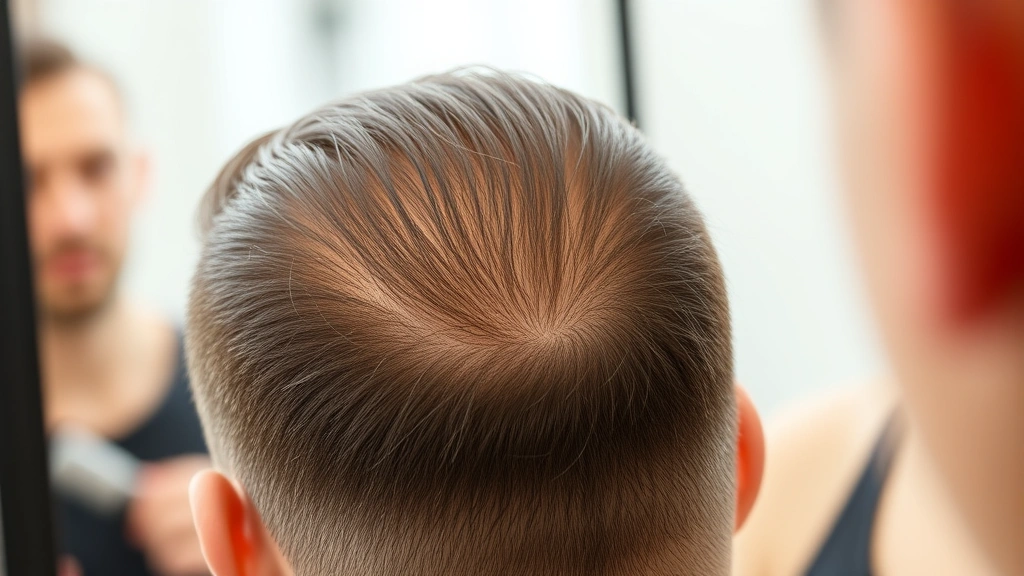
Hair loss affects millions of people worldwide, impacting self-confidence and personal well-being. Whether you’re experiencing thinning hair, receding hairlines, or slow growth, the solution might be simpler than you think. Dermatologist-approved hair growth creams have revolutionized how we approach hair restoration, offering scientifically-backed formulations that deliver measurable results.
The journey to thicker, healthier hair begins with understanding what works. This comprehensive guide explores the most effective hair growth creams endorsed by dermatologists, their active ingredients, and how to integrate them into your personal growth routine for holistic self-improvement. Just as we invest in mental and emotional development, investing in your physical appearance—including hair health—contributes to overall confidence and well-being.
Understanding Hair Growth Science
Before selecting a hair growth cream, it’s essential to understand how hair grows and why some formulations work better than others. Hair growth occurs in three phases: the anagen phase (active growth, lasting 2-7 years), the catagen phase (transition, lasting 2-3 weeks), and the telogen phase (resting, lasting 2-3 months). Hair loss typically occurs when hair prematurely enters the telogen phase or when hair follicles shrink due to genetic and hormonal factors.
Dermatologists emphasize that effective hair growth creams work by extending the anagen phase, improving scalp blood circulation, and providing essential nutrients to hair follicles. According to research from the American Academy of Dermatology, topical treatments can slow hair loss and promote regrowth when combined with proper application techniques and realistic expectations.
The scalp’s health directly impacts hair growth potential. A healthy scalp environment with proper pH balance, adequate moisture, and reduced inflammation creates optimal conditions for hair follicles to thrive. This is why dermatologist-approved creams focus not just on the hair shaft, but on scalp health as a foundation.
Top Dermatologist-Approved Hair Growth Creams
Minoxidil-Based Formulations
Minoxidil remains the gold standard for topical hair loss treatment, approved by the FDA for both men and women. Products containing 2-5% minoxidil have demonstrated clinical efficacy in regrowing hair and preventing further loss. These creams work by improving blood flow to hair follicles and extending the growth phase.
Retinoid-Enhanced Creams
Retinoids stimulate collagen production and promote cellular turnover in the scalp, creating a healthier environment for hair growth. Many dermatologists recommend retinoid-infused creams as complementary treatments that enhance the effectiveness of primary hair growth solutions.
Peptide-Rich Formulations
Peptides strengthen hair strands from the root and improve scalp health. These amino acid-based compounds support keratin production and provide structural support to weakened hair follicles, making them ideal for those experiencing hair thinning.
Caffeine-Based Solutions
Caffeine stimulates hair follicles and extends the anagen phase. Research shows that caffeine penetrates the hair follicle and promotes growth, making it an excellent ingredient in dermatologist-approved hair growth creams.
Active Ingredients That Deliver Results
Understanding which ingredients actually work separates effective products from marketing hype. PubMed Central contains extensive research validating these active ingredients:
- Minoxidil (2-5%): FDA-approved, clinically proven to regrow hair and slow hair loss in 60% of users
- Biotin: Strengthens hair proteins and improves hair thickness when combined with other active ingredients
- Niacinamide: Reduces sebum production and improves scalp circulation
- Saw Palmetto: Natural DHT inhibitor that may slow hair loss progression
- Hyaluronic Acid: Hydrates scalp and improves absorption of other active ingredients
- Azelaic Acid: Reduces inflammation and may improve scalp health for hair growth
- Plant Extracts: Rosemary, peppermint, and ginger stimulate follicles naturally
The most effective hair growth creams combine multiple ingredients that work synergistically. Rather than relying on single compounds, dermatologists recommend products with proven ingredient combinations that address multiple aspects of hair health.
How to Use Hair Growth Creams Effectively
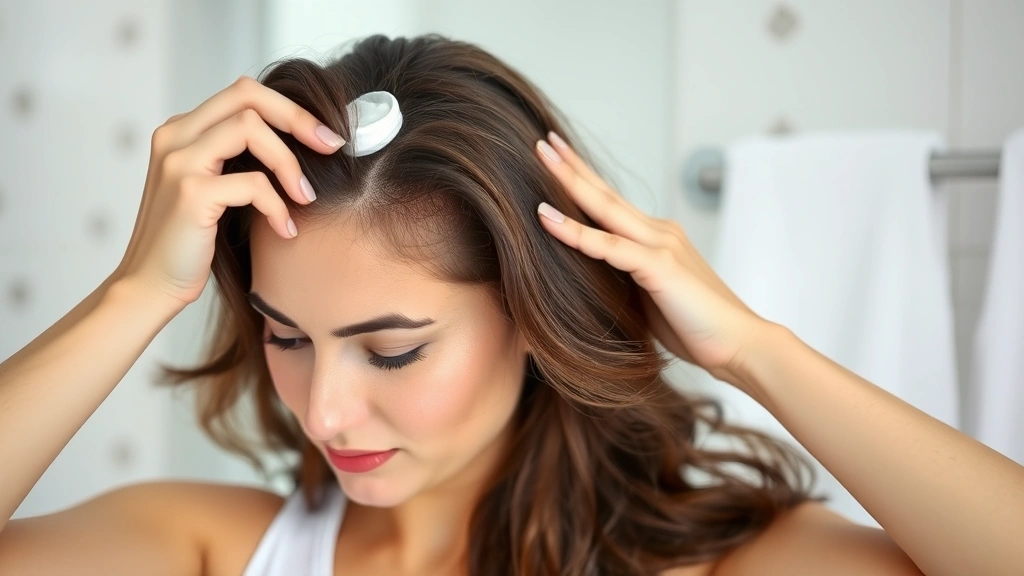
Product efficacy depends significantly on proper application technique. Many users fail to see results not because the cream doesn’t work, but because they’re using it incorrectly. Follow these dermatologist-recommended guidelines:
- Cleanse thoroughly: Use a gentle shampoo to remove buildup and create optimal absorption conditions
- Dry completely: Apply cream to completely dry scalp, as moisture dilutes the active ingredients
- Part hair strategically: Create multiple sections to ensure the cream contacts the scalp, not just the hair
- Use precise measurements: Most products specify exact dosage (typically 1 mL per application); don’t exceed recommendations
- Massage gently: Spend 1-2 minutes massaging the cream into the scalp to improve circulation
- Maintain consistency: Apply exactly as directed, typically twice daily, without skipping doses
- Allow drying time: Wait 2-4 hours before washing or styling to ensure full absorption
Consistency matters more than intensity. Daily application of the correct amount will yield better results than sporadic heavy application. Think of using hair growth cream as part of your growth mindset approach to self-improvement—small, consistent actions compound into significant results over time.
Combining Creams with Lifestyle Changes
The most successful hair restoration strategies combine topical treatments with lifestyle modifications. Dermatologists emphasize that hair growth creams work best within a comprehensive approach to hair health:
Nutritional Support
Hair growth requires adequate protein, iron, zinc, and B vitamins. Ensure your diet includes salmon, eggs, spinach, nuts, and legumes. Consider supplements like biotin, iron, and zinc after consulting with a healthcare provider. Proper nutrition creates the foundation that hair growth creams build upon.
Stress Management
Psychological stress triggers telogen effluvium, a condition causing premature hair shedding. Incorporate stress-reduction techniques like meditation, exercise, or journaling. Your personal growth journey should include mental wellness, which directly impacts physical health including hair vitality.
Sleep Optimization
Hair growth accelerates during sleep when growth hormone peaks. Aim for 7-9 hours nightly and maintain consistent sleep schedules. Poor sleep compromises hair health regardless of cream quality.
Scalp Care Routine
Gentle scalp massage increases blood flow to hair follicles. Spend 5 minutes daily massaging your scalp using fingertips in circular motions. Avoid harsh brushing and tight hairstyles that create tension alopecia.
Hydration
Adequate water intake supports all biological processes, including hair growth. Aim for 8-10 glasses daily to maintain scalp hydration and overall health.
Timeline: When to Expect Results
Understanding realistic timelines prevents disappointment and maintains motivation. Hair growth creams require patience—hair growth is a slow biological process that cannot be rushed regardless of product quality.
Weeks 1-4: Scalp adjustment period. You may notice improved scalp health, reduced itching, and better overall appearance. Hair loss may temporarily increase as damaged hairs shed to make room for new growth.
Weeks 5-12: Early growth signs appear. New hair begins visible growth. Existing hair becomes slightly thicker. Many users report improved hair texture and shine.
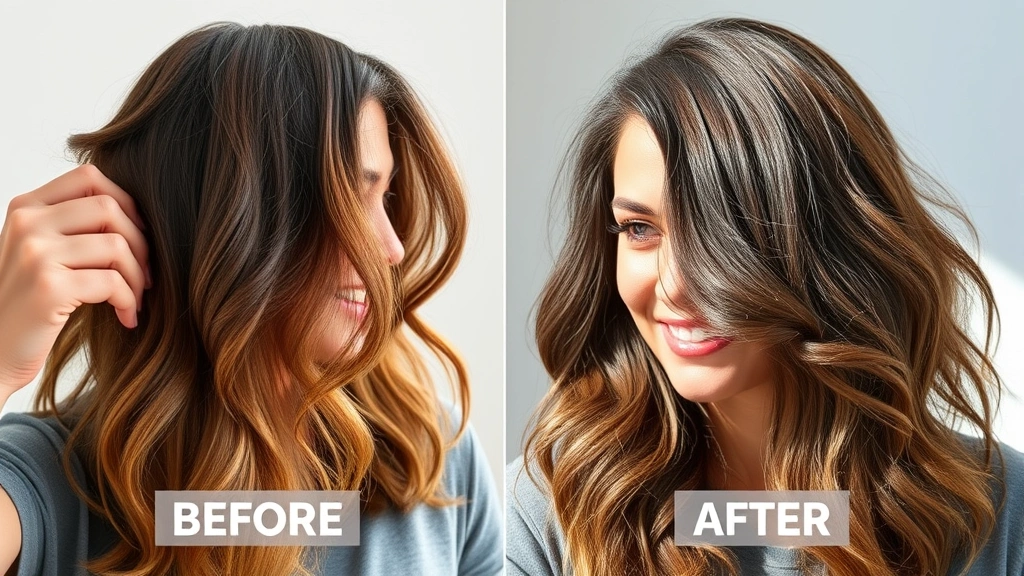
Months 4-6: Noticeable improvements become apparent. Hair density increases measurably. New growth becomes more obvious. Confidence typically improves during this phase.
Months 6-12: Significant results manifest. Hair thickness and volume substantially improve. The investment in consistent application pays dividends. This mirrors the Growth Academy philosophy that sustained effort produces transformational results.
Year 2+: Maintenance becomes the focus. Continue application to sustain results and prevent regression. Many users transition to maintenance doses after achieving desired results.
Common Mistakes to Avoid
Dermatologists identify these common errors that sabotage hair growth cream effectiveness:
- Inconsistent application: Skipping doses or irregular timing reduces efficacy significantly. Commit to the exact schedule recommended.
- Improper application: Applying cream to damp scalp or hair dilutes active ingredients. Always apply to completely dry scalp.
- Unrealistic expectations: Expecting hair regrowth to occur faster than biologically possible leads to premature abandonment. Hair growth takes months, not weeks.
- Mixing incompatible products: Combining certain creams with other treatments can reduce effectiveness or cause irritation. Consult dermatologists before combining products.
- Ignoring side effects: Some users experience scalp irritation or unwanted hair growth. Report these to dermatologists immediately for alternative formulations.
- Poor scalp hygiene: Not cleansing properly before application creates barriers preventing absorption. Maintain excellent scalp hygiene.
- Discontinuing too early: Results require months to manifest. Quitting after 4-6 weeks prevents achieving potential results.
- Neglecting overall health: Hair growth creams cannot compensate for poor nutrition, chronic stress, or inadequate sleep. Address lifestyle factors simultaneously.
FAQ
Can women use the same hair growth creams as men?
Most dermatologist-approved creams are suitable for both genders, though concentrations may differ. Minoxidil comes in 2% formulations for women and 5% for men. Women should consult dermatologists before using higher concentrations. Always verify product recommendations match your gender and hair type.
How long before I can stop using hair growth cream?
Hair growth creams typically require ongoing use to maintain results. Hair loss resumes if you discontinue treatment because the underlying genetic or hormonal factors persist. Many users continue indefinitely or switch to maintenance doses after achieving desired results.
Are natural hair growth creams as effective as prescription options?
Natural ingredients like rosemary and peppermint show promise in research, but FDA-approved options like minoxidil have stronger clinical evidence. The most effective approach often combines natural ingredients with proven active compounds. Consult dermatologists about the best option for your specific situation.
Can hair growth creams cause permanent side effects?
Dermatologist-approved creams have excellent safety profiles when used as directed. Temporary side effects like scalp irritation or increased shedding during the adjustment phase are normal. Permanent side effects are rare. Report any concerning symptoms to your dermatologist immediately.
Do hair growth creams work for all types of hair loss?
Hair growth creams work best for androgenetic alopecia (pattern baldness) and may help with telogen effluvium. They’re less effective for alopecia areata or scarring alopecia. Dermatologists can diagnose your specific condition and recommend appropriate treatments.
How does hair growth cream fit into overall personal development?
Investing in your appearance, including hair health, contributes to overall confidence and self-esteem. This aligns with personal growth quotes emphasizing holistic self-improvement. When you feel confident about your appearance, you’re better equipped to pursue other best books for self growth recommendations and personal development goals.
Should I consult a dermatologist before starting hair growth cream?
Absolutely. Dermatologists can diagnose the cause of your hair loss, recommend the most appropriate treatment, and monitor your progress. Professional guidance ensures you select the right product and use it correctly, maximizing your investment in hair restoration.
Hair growth creams represent a scientifically-validated approach to addressing hair loss and promoting thicker, healthier hair. By understanding how these products work, selecting dermatologist-approved formulations, using them correctly, and combining them with lifestyle improvements, you can achieve significant hair restoration results. Remember that this journey mirrors broader Growth Lift Hub Blog principles: consistent effort, patience, and comprehensive approaches produce the best outcomes. Start your hair restoration journey today, and commit to the timeline required for success.


