Grow Hair Fast: Dermatologist-Approved Tips for Optimal Hair Care Routine
Hair growth is a journey that requires patience, consistency, and the right approach. While genetics play a significant role in determining your hair’s growth potential, scientific research shows that implementing a strategic hair care routine for growth can dramatically accelerate results. Whether you’re recovering from damage, dealing with hair loss, or simply wanting thicker, longer locks, dermatologists agree that combining targeted treatments with lifestyle modifications yields measurable improvements within weeks.
The average human hair grows approximately half an inch per month, but this rate varies significantly based on nutrition, scalp health, stress levels, and daily habits. The exciting news? You have considerable control over most of these factors. By understanding the hair growth cycle and applying evidence-based strategies, you can potentially increase growth speed by 20-30% while simultaneously improving hair quality, reducing breakage, and enhancing overall scalp health.
Understanding the Hair Growth Cycle
Before diving into specific strategies, it’s essential to understand how hair actually grows. Your hair follicles operate in three distinct phases: anagen (growth), catagen (transition), and telogen (resting). Most of your scalp hair—approximately 85-90%—is in the active growth phase at any given time, while the remaining 10-15% is either transitioning or resting.
During the anagen phase, which lasts 2-7 years, your hair cells divide rapidly, pushing new growth from the follicle root. This is when your best hair growth oil and targeted treatments become most effective. Understanding this timing helps explain why consistency matters—you need to maintain optimal conditions throughout the growth cycle to see cumulative results.
Dermatologists emphasize that disrupting this natural cycle through excessive heat, harsh chemicals, or poor nutrition can prematurely push hair into the telogen phase, causing shedding. This is why a comprehensive approach addressing both internal and external factors proves far more effective than isolated treatments.
The Foundation: Scalp Health Matters Most
Every dermatologist will tell you the same thing: healthy hair grows from a healthy scalp. Think of your scalp as the soil from which your hair grows—no matter how much fertilizer you add, poor soil quality limits results. Your scalp contains thousands of hair follicles, and each one requires optimal conditions to produce strong, fast-growing strands.
Start by assessing your current scalp condition. Is it oily, dry, flaky, or sensitive? Different scalp types require different approaches. An oily scalp benefits from regular cleansing with sulfate-free shampoos, while a dry scalp needs moisturizing treatments that won’t strip natural oils. The goal is achieving a balanced scalp environment—not too oily, not too dry.
Exfoliating your scalp 1-2 times weekly removes dead skin cells, product buildup, and excess sebum that can clog follicles and impede growth. Use a gentle scalp scrub or a soft-bristled brush, applying light pressure in circular motions. This simple step immediately improves nutrient absorption and blood flow to follicles, creating an ideal environment for faster growth.
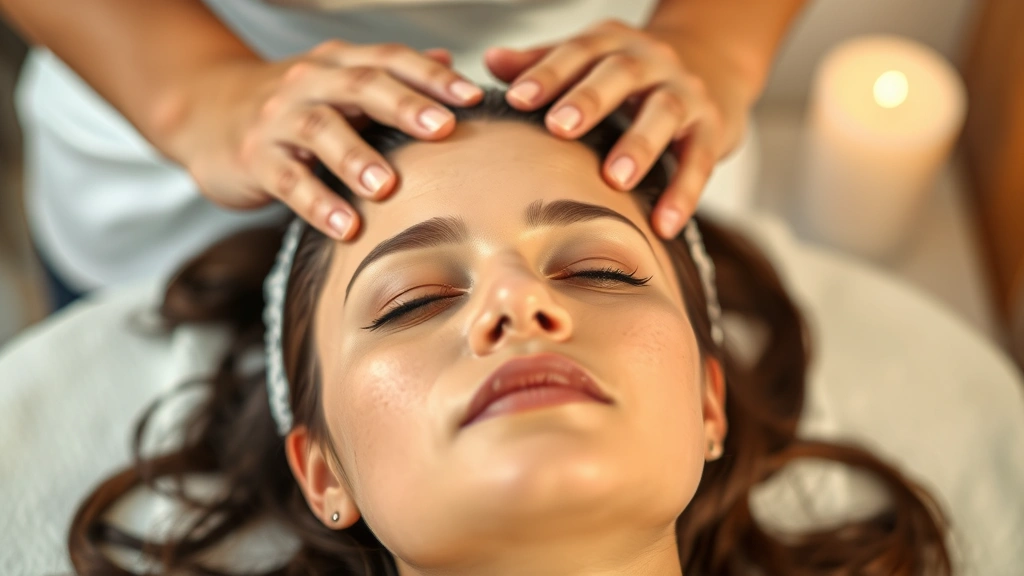
Consider incorporating scalp massages into your routine. Research from PubMed Central demonstrates that regular scalp massage increases blood flow to hair follicles, potentially stimulating growth and thickness. Spend 5-10 minutes daily using your fingertips to massage your entire scalp with gentle, circular motions. This costs nothing but delivers measurable benefits within weeks.

Nutrition and Supplements for Hair Growth
Your personal growth extends to the cellular level, and hair growth depends critically on proper nutrition. Hair is primarily composed of a protein called keratin, plus essential minerals, vitamins, and fatty acids. Without adequate intake of these nutrients, even the best external hair care routine falls short.
Key nutrients for hair growth include:
- Protein: The building block of hair. Aim for 1.2-1.6 grams per kilogram of body weight daily. Include sources like eggs, fish, chicken, legumes, and Greek yogurt.
- Iron: Deficiency directly causes hair loss. Women need 18mg daily, men need 8mg. Include red meat, spinach, lentils, or consider supplementation if deficient.
- Zinc: Critical for hair growth and prevents premature shedding. Target 8-11mg daily from oysters, beef, pumpkin seeds, or supplements.
- Biotin (B7): Strengthens hair structure and improves texture. Studies show 2.5mg daily improves hair quality within 90 days.
- Vitamin D: Regulates the hair growth cycle. Aim for 1000-2000 IU daily, especially if you have limited sun exposure.
- Omega-3 Fatty Acids: Nourish hair follicles and reduce inflammation. Include fatty fish, flaxseeds, or algae supplements.
Rather than randomly supplementing, consider getting blood work done to identify specific deficiencies. Many people experience hair loss due to iron or vitamin D deficiency—supplementing these specific nutrients often resolves the problem entirely. This targeted approach, supported by peer-reviewed dermatological research, proves far more effective than generic multivitamins.
Daily Hair Care Practices That Work
Your daily routine directly impacts hair growth speed and quality. Small changes compound into dramatic results over time. Here’s what dermatologists recommend:
Washing Frequency and Technique: Most people wash hair too frequently, stripping natural oils that protect and nourish each strand. Aim for 2-3 times weekly, adjusting based on your scalp type. When you do wash, use lukewarm water (hot water opens the cuticle and causes damage) and apply shampoo primarily to the scalp, letting suds rinse through the lengths. Condition primarily the mid-lengths and ends, avoiding the scalp to prevent greasiness.
Minimize Heat Styling: Heat damage is one of the primary culprits behind slow growth and breakage. Every time you blow-dry, flat-iron, or curl your hair, you’re potentially weakening the protein structure. Allow hair to air-dry whenever possible. When heat styling is necessary, always use a heat protectant spray and keep temperatures below 350°F.
Gentle Handling: Wet hair is most vulnerable to breakage because the protein bonds are temporarily weakened. After washing, gently squeeze excess water (don’t wring) and use a microfiber towel or t-shirt to dry. Comb through tangles with a wide-tooth comb starting from the ends, working upward. Avoid tight hairstyles like braids and buns that create tension on follicles.
Regular Trims: Counterintuitively, regular trims accelerate growth. Trim 0.5-1 inch every 6-8 weeks to remove split ends before they travel up the hair shaft, causing breakage and stunting length retention. Think of it as preventative maintenance—you’re not cutting off new growth; you’re preventing old damage from sabotaging it.

Advanced Treatments and Products
After establishing scalp health and daily practices, advanced treatments amplify results. The best hair growth oil options include argan oil, rosemary oil, and coconut oil—each with specific benefits supported by research. Apply these oils to your scalp 2-3 times weekly, leaving them on for at least 30 minutes (or overnight) before shampooing.
Rosemary oil specifically shows promise in clinical studies. Research published in Pharmacognosy Magazine found that rosemary oil was as effective as minoxidil (Rogaine) for stimulating hair growth over 6 months. Mix 2-3 drops with a carrier oil and massage into your scalp regularly.
For those experiencing significant hair loss or thinning, consider consulting a dermatologist about minoxidil (Rogaine) or finasteride (Propecia). These are the only FDA-approved treatments with substantial clinical evidence supporting their effectiveness. Results typically appear after 3-6 months of consistent use.
Hair masks and deep conditioning treatments also accelerate growth by providing intensive moisture and nutrients. Use once weekly, applying from mid-length to ends, or create a DIY mask with coconut oil, honey, and egg for an affordable alternative. Leave on for 20-30 minutes before shampooing.
Lifestyle Factors That Accelerate Growth
Hair growth exists within the larger context of overall health. Your growths accelerate when you address foundational wellness factors that influence every biological system, including hair follicles.
Sleep Quality: Hair growth accelerates during sleep when your body directs resources to cellular repair and regeneration. Aim for 7-9 hours nightly, maintaining consistent sleep schedules. Poor sleep increases cortisol (stress hormone), which directly suppresses hair growth and can trigger telogen effluvium (sudden shedding).
Stress Management: Chronic stress is one of the most underestimated hair growth saboteurs. Stress hormones push hair prematurely into the shedding phase. Implement daily stress-reduction practices: meditation, yoga, deep breathing, or simply spending time in nature. Research from the American Psychological Association confirms that consistent stress management improves hair health within weeks.
Exercise Regularly: Physical activity increases blood flow throughout your body, including your scalp. Exercise also reduces stress and improves sleep quality—a triple benefit for hair growth. Aim for 150 minutes of moderate exercise weekly. Even 20-minute daily walks provide measurable benefits.
Hydration: Your hair shaft contains water, and dehydration directly impacts hair quality and growth speed. Drink at least 8-10 glasses of water daily, more if you exercise or live in a dry climate. Proper hydration improves nutrient transport to follicles and supports overall cellular function.
Limit Alcohol and Smoking: Both dehydrate your system and impair nutrient absorption. Smoking specifically reduces blood flow to hair follicles and increases oxidative stress. If you smoke, quitting is one of the single best things you can do for hair growth—and everything else.
Common Mistakes to Avoid
Understanding what not to do proves equally important. Many people inadvertently sabotage their growth opportunities through common mistakes:
- Expecting Overnight Results: Hair growth is a marathon, not a sprint. Realistic expectations prevent frustration and maintain consistency. Most people see noticeable improvements within 8-12 weeks of implementing these strategies.
- Over-Supplementing: More isn’t better. Excessive biotin, vitamin A, or zinc can actually cause hair loss. Follow recommended daily values unless specifically advised otherwise by a healthcare provider.
- Using Harsh Chemicals: Frequent coloring, bleaching, and chemical treatments damage hair structure and slow growth. If you must color, use professional-grade products and space treatments at least 8 weeks apart.
- Ignoring Scalp Conditions: Dandruff, seborrheic dermatitis, or fungal infections impede growth. If you have persistent scalp issues, see a dermatologist for proper diagnosis and treatment.
- Inconsistency: Hair growth requires sustained effort. Missing treatments occasionally is fine, but sporadic care delivers sporadic results. Commit to your routine for at least 3-6 months before evaluating effectiveness.
- Comparing Yourself to Others: Hair growth rates vary dramatically based on genetics, age, and baseline health. Your growth trajectory is unique. Focus on your own progress rather than comparing to others.
FAQ
How fast can hair realistically grow with proper care?
Average hair grows about 6 inches per year (0.5 inches monthly). With optimal nutrition, scalp health, and care practices, you might achieve 7-8 inches annually—roughly 20-30% faster than average. This compounds significantly over time; in 2 years, that’s 4-6 extra inches of length.
How long before I see results from a new hair care routine?
The hair growth cycle means you won’t see results overnight. New hair takes 3-4 weeks to emerge from the follicle. Expect to notice improved hair quality (texture, shine, reduced breakage) within 4-6 weeks. Visible length improvements typically appear after 8-12 weeks of consistent implementation.
Is biotin supplementation really necessary?
Only if you’re deficient. Biotin deficiency is rare in people eating adequate protein. If you eat eggs, almonds, salmon, or sweet potatoes regularly, you likely get sufficient biotin. Supplementing beyond recommended levels (2.5mg daily) doesn’t provide additional benefits and may cause side effects. Get blood work done before supplementing.
Can hair loss be reversed?
It depends on the cause. Nutritional deficiencies, stress-induced shedding, and scalp conditions often reverse with proper treatment. Genetic hair loss (androgenetic alopecia) can be slowed or stabilized with minoxidil or finasteride, but requires ongoing treatment. Consult a dermatologist to identify your specific cause.
Should I use expensive hair growth products?
Price doesn’t guarantee effectiveness. The most impactful interventions—scalp health, nutrition, sleep, stress management, and gentle handling—are either free or inexpensive. While quality shampoos and conditioners matter, you don’t need luxury brands. Focus on product ingredients rather than price tags. Look for sulfate-free shampoos, nourishing conditioners, and proven actives like biotin or rosemary oil.
What’s the best hair growth oil?
This depends on your scalp type and preferences. Rosemary oil shows the strongest research support for stimulating growth. Argan oil excels at moisturizing and reducing frizz. Coconut oil provides deep nourishment but can be heavy for fine hair. Our comprehensive guide on best hair growth oil explores each option in detail with specific recommendations for different hair types.
Can I speed up hair growth if I have very curly or textured hair?
Absolutely. The same principles apply, though textured hair requires modified techniques. Use sulfate-free products, deep condition weekly, minimize heat, and handle wet hair gently (curly hair is more prone to breakage). Your growth mindset applies here—textured hair often grows just as fast; it simply breaks more easily, making length retention the primary challenge. Focus on preventing breakage and your growth will accelerate.


