
Growth Poles Explained: AP Human Geography Insights
Understanding growth poles is essential for mastering AP Human Geography, as this concept fundamentally shapes how we analyze economic development, urbanization, and regional inequality across the globe. Growth poles represent strategic geographic locations where economic activity concentrates, creating ripple effects that influence surrounding regions. Whether you’re preparing for the AP exam or seeking to deepen your geographical knowledge, this comprehensive guide will illuminate how growth poles function as engines of regional transformation.
In the context of AP Human Geography, growth poles serve as critical focal points for development initiatives. Governments and international organizations deliberately invest in these locations to stimulate broader economic growth. By concentrating resources—infrastructure, technology, human capital—in specific areas, policymakers aim to create multiplier effects that benefit neighboring regions. Understanding this mechanism is crucial for analyzing real-world patterns of development inequality and spatial organization.
What Are Growth Poles in AP Human Geography?
Growth poles, also called growth centers, are geographic locations designated for concentrated economic development. In AP Human Geography curricula, these poles represent strategic investments designed to accelerate regional economic transformation. The concept emerged from development economics and has become integral to understanding how countries pursue modernization and reduce spatial inequality.
A growth pole functions as a nucleus of economic activity, typically characterized by:
- Industrial concentration: Manufacturing facilities, technology parks, or service centers clustered in specific locations
- Infrastructure investment: Transportation networks, utilities, and communication systems supporting business operations
- Human capital: Skilled workforce, educational institutions, and research facilities
- Institutional support: Government policies, tax incentives, and regulatory frameworks encouraging investment
The underlying theory suggests that concentrated development creates positive externalities—benefits that spread to surrounding areas through supply chains, labor migration, and increased consumer demand. This concept directly relates to personal growth in a metaphorical sense: just as individuals concentrate effort in key skill areas to create momentum, regions concentrate resources to generate economic momentum.
Historical Development and Theory
The growth pole concept originated in the 1950s with French economist François Perroux’s theory of economic growth. Perroux argued that economic growth doesn’t occur uniformly across space but concentrates in specific locations where dynamic industries cluster. His work challenged traditional equilibrium models and provided theoretical justification for targeted regional development policies.
During the 1960s and 1970s, development agencies worldwide adopted growth pole strategies. The concept gained particular traction in developing nations seeking rapid industrialization. Countries like Brazil, India, and South Korea established special economic zones and industrial parks explicitly designed as growth poles to attract foreign investment and accelerate economic modernization.
The theory evolved through contributions from geographers and economists who refined understanding of how growth spreads from poles to surrounding regions. Contemporary economic geography research continues examining growth pole effectiveness and spatial development dynamics. This intellectual evolution mirrors how growth mindset development requires continuous learning and refinement of strategies.

Characteristics of Effective Growth Poles
For AP Human Geography students, understanding what makes growth poles effective is crucial for exam success and real-world analysis. Successful growth poles share several defining characteristics:
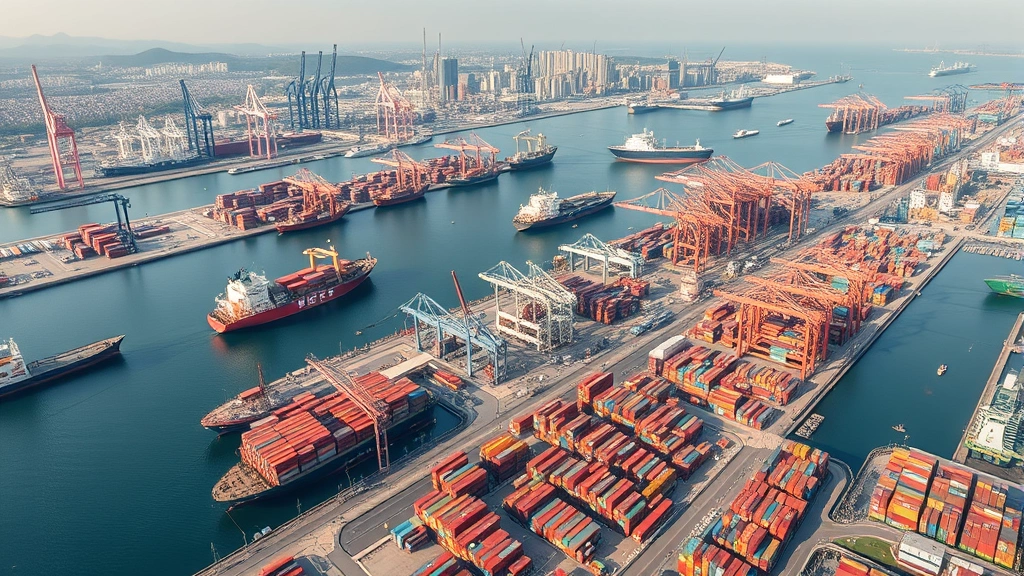
Strategic Location: Growth poles typically occupy positions offering geographic advantages—proximity to transportation networks, ports, or major markets. Location determines accessibility for both inputs and outputs, influencing competitiveness. Cities like Shanghai, Singapore, and Dubai became growth poles partly due to strategic positioning on global trade routes.
Sectoral Specialization: Effective poles concentrate on specific industries where they possess comparative advantages. Technology hubs like Silicon Valley specialize in software and semiconductors, while Detroit historically focused on automobile manufacturing. This specialization creates agglomeration economies—cost reductions and efficiency gains from industry clustering.
Infrastructure Development: Transportation systems, telecommunications networks, and utility provision form the backbone of growth pole infrastructure. Without adequate roads, ports, and electricity, even potentially dynamic industries cannot flourish. This infrastructure investment requires substantial capital and government commitment.
Human Capital Investment: Universities, vocational training centers, and research institutions develop the skilled workforce necessary for advanced industries. Growth poles attract educated workers through employment opportunities, creating virtuous cycles of talent concentration and innovation.
Institutional Framework: Supportive government policies, property rights protection, regulatory efficiency, and tax incentives make locations attractive to investors. Special Economic Zones (SEZs) in China exemplify how institutional frameworks deliberately create favorable conditions for business operations.
Global Examples and Case Studies
Examining real-world growth poles illuminates how the concept operates in practice. These examples provide essential material for AP Human Geography essays and exam responses.
Silicon Valley, United States: Perhaps the world’s most famous growth pole, Silicon Valley concentrated technology companies, venture capital, and research institutions in California’s San Francisco Bay Area. Stanford University’s research programs, proximity to venture capital, and first-mover advantages created self-reinforcing agglomeration economies. The region’s success demonstrates how growth poles can emerge organically around educational institutions and innovation ecosystems.
Shenzhen, China: Established as a Special Economic Zone in 1979, Shenzhen transformed from a fishing village into a megacity of over 12 million people. Government policies offering tax breaks and regulatory flexibility attracted manufacturers and technology companies. Shenzhen exemplifies deliberate growth pole creation through institutional frameworks and infrastructure investment, driving China’s economic rise.
Dubai, United Arab Emirates: Dubai became a growth pole through strategic positioning on global trade routes and deliberate diversification from oil dependence. Massive infrastructure investments, favorable business regulations, and positioning as a regional financial hub created rapid economic growth. Dubai demonstrates how growth poles can drive development in resource-scarce regions through strategic positioning.
Bangalore, India: Bangalore emerged as a technology growth pole through concentration of IT companies, software development firms, and technology services. Government incentives, educational institutions like the Indian Institute of Science, and climate advantages attracted talent and investment. Bangalore’s rise illustrates how growth poles can leapfrog traditional development stages in developing nations.
These examples connect to broader growth and development strategies, showing how concentrated effort creates transformative results—a principle applicable to goal setting and achievement at individual and organizational levels.
Growth Poles and Regional Inequality
A critical dimension of growth poles in AP Human Geography concerns their relationship with spatial inequality. While growth poles theoretically reduce regional disparities through spread effects, they often exacerbate inequality in practice.
Spread Effects vs. Backwash Effects: Growth poles generate spread effects—positive externalities benefiting surrounding regions through increased demand for goods and services, labor migration, and technology transfer. However, they simultaneously produce backwash effects, where concentration of investment and talent in poles drains resources from peripheral regions. The balance between these forces determines whether growth poles reduce or increase regional inequality.
Rural-Urban Divides: Growth poles typically concentrate in urban areas, creating stark contrasts with rural regions. Rural populations often lack infrastructure, educational opportunities, and employment options, driving migration to growth poles. This creates both urbanization benefits and challenges—improved living standards for migrants but overcrowding, housing shortages, and social stress in destination cities.
Interregional Inequality: Countries with multiple growth poles experience different inequality patterns than those with single dominant poles. Brazil’s concentration in the Southeast contrasts with more distributed development in China’s coastal zones. Geographic inequality reflects growth pole distribution, with peripheral regions lagging significantly behind pole regions.
Understanding these dynamics connects to broader motivation and incentive structures that drive human behavior and policy decisions. Just as individuals concentrate effort where they perceive greatest returns, governments invest in growth poles where they anticipate maximum economic impact.
Policy Responses: Governments address growth pole-induced inequality through redistribution policies, backward linkage development, and secondary pole promotion. Some nations deliberately develop multiple growth poles to distribute benefits more equitably. India’s strategy of developing multiple technology hubs beyond Bangalore exemplifies this approach.
Challenges and Criticisms
Despite their prominence in development strategy, growth poles face significant criticisms that AP Human Geography students should understand for comprehensive analysis.
Environmental Degradation: Concentrated industrial activity creates severe environmental problems—air and water pollution, resource depletion, and ecosystem damage. Shenzhen’s rapid industrialization created substantial environmental costs that the city now addresses through expensive cleanup and green initiatives. Growth poles often externalize environmental costs onto surrounding regions and future generations.
Social Inequality Within Poles: While growth poles attract investment and employment, benefits concentrate among skilled workers and business owners. Unskilled migrants often work in low-wage service sectors, creating internal inequality. Housing shortages drive up real estate prices, excluding lower-income populations from pole benefits despite residing there.
Sustainability Questions: Many growth poles depend on industries vulnerable to technological disruption or market shifts. Manufacturing-focused poles face challenges as automation reduces labor demand. Without economic diversification, growth poles become vulnerable to sudden decline when competitive advantages disappear.
Brain Drain: Growth poles attract talented individuals from surrounding regions and countries, creating brain drain in peripheral areas. While beneficial for pole regions, this talent concentration exacerbates inequality in source regions, perpetuating development gaps.
Dependency Relationships: Peripheral regions may become economically dependent on growth poles, losing economic autonomy and resilience. This dependency creates vulnerability to pole-region economic shocks and reduces peripheral regions’ capacity for independent development.
Recent development research increasingly questions whether growth pole strategies effectively reduce poverty and inequality despite economic growth. This critical perspective reflects how productivity and growth strategies require careful evaluation to ensure they achieve intended objectives.
Connection to Personal and Professional Growth
While growth poles represent geographic economic concepts, the underlying principles apply to personal and professional development. Understanding growth poles provides insights into how concentrated effort creates momentum and transformation.
Concentrated Effort: Just as growth poles concentrate economic resources in specific locations, individuals achieve significant growth by concentrating effort in key areas. Rather than spreading energy across numerous pursuits, focusing on core competencies and strategic objectives creates greater impact. This principle mirrors growth pole theory’s emphasis on concentrated development.
Ecosystem Development: Growth poles succeed through ecosystem creation—networks of supporting institutions, infrastructure, and talent. Similarly, personal growth accelerates within supportive environments—communities, mentorship networks, and institutions providing resources and accountability. Building personal ecosystems multiplies growth potential beyond individual effort alone.
Spillover Benefits: Growth poles generate benefits extending beyond initial investment locations. Personal growth similarly creates ripple effects—improved skills benefit employers and colleagues, increased knowledge helps family and friends, enhanced capabilities contribute to broader communities. Understanding spillover dynamics motivates investment in personal development.
Strategic Positioning: Growth poles succeed partly through strategic geographic positioning. Professionally, strategic positioning—developing expertise in high-demand fields, building networks in influential sectors, or positioning skills at industry intersections—accelerates career growth. Location choice, industry selection, and skill development all reflect strategic positioning principles.
Continuous Evolution: Successful growth poles evolve as industries and markets change. Similarly, sustained personal growth requires continuous learning, skill development, and strategic adaptation. The most successful individuals and organizations treat development as ongoing processes rather than destinations.
FAQ
What exactly is a growth pole in AP Human Geography?
A growth pole is a geographic location designated for concentrated economic development, typically featuring industrial concentration, infrastructure investment, skilled workforce, and institutional support. Growth poles function as economic engines intended to generate regional development through concentrated investment and agglomeration economies.
How do growth poles differ from regular cities?
While regular cities develop organically, growth poles are deliberately established or enhanced through targeted government investment and strategic planning. Growth poles concentrate specific industries, receive preferential policy treatment, and are explicitly designed to generate rapid economic transformation and spread benefits to surrounding regions.
Why do governments create growth poles?
Governments create growth poles to accelerate economic development, attract foreign investment, generate employment, and reduce regional inequality. Growth poles serve as strategic instruments in development policy, allowing governments to concentrate limited resources where they anticipate maximum economic impact and multiplier effects.
What makes growth poles successful?
Successful growth poles combine strategic location, sectoral specialization, infrastructure development, human capital investment, and supportive institutional frameworks. Examples like Silicon Valley and Shenzhen demonstrate that effective poles require multiple reinforcing elements working synergistically to create competitive advantages and agglomeration economies.
Do growth poles reduce or increase inequality?
Growth poles present contradictory effects on inequality. They generate spread effects benefiting surrounding regions but simultaneously create backwash effects concentrating resources in pole regions. Whether poles reduce or increase overall inequality depends on their specific characteristics, surrounding region development levels, and government redistribution policies.
How should students approach growth pole questions on the AP exam?
Approach growth pole exam questions by identifying the specific location, explaining its designation as a growth pole, analyzing the mechanisms through which it generates regional development, and critically examining both positive outcomes and challenges. Strong responses demonstrate understanding of agglomeration economies, spread/backwash effects, and connections to broader development patterns.


