Best Hair Growth Oils: Dermatologist’s Picks for Thicker, Healthier Hair
Hair loss and thinning affect millions of people worldwide, impacting not just appearance but also self-confidence and overall well-being. While genetics play a significant role in hair health, the right topical treatments can make a meaningful difference in your hair growth journey. A good hair growth oil isn’t just a cosmetic product—it’s an investment in your scalp health, follicle strength, and long-term hair vitality.
The science behind hair growth oils has evolved dramatically over the past decade. Dermatologists now recognize that certain plant-based oils contain bioactive compounds that nourish hair follicles, reduce inflammation, improve blood circulation, and create an optimal environment for hair to thrive. Whether you’re experiencing age-related hair thinning, postpartum hair loss, or simply want to maximize your hair’s natural potential, understanding which oils actually work—backed by research and expert recommendations—is crucial.
This comprehensive guide explores the dermatologist-recommended hair growth oils that deliver real results, how they work at the cellular level, and how to incorporate them into your personal growth routine. Just as you’d invest in personal growth, investing in your hair health is an act of self-care that compounds over time.
Why Hair Growth Oils Matter for Your Health
Your hair is more than just strands—it’s a reflection of your internal health and external care habits. Hair growth oils address multiple factors simultaneously: scalp inflammation, nutrient deficiency at the follicle level, poor circulation, and oxidative stress. When you choose a quality hair growth oil, you’re targeting the root cause of hair problems, not just masking symptoms.
Dermatologists emphasize that healthy hair growth requires a holistic approach. This connects directly to the broader concept of personal improvement—just as increasing motivation requires addressing foundational habits, hair health requires consistent, evidence-based care. The oils recommended by dermatologists work because they penetrate the scalp barrier, delivering nutrients directly to hair follicles where growth actually occurs.
Research from the National Institutes of Health demonstrates that certain oils can increase hair thickness by up to 20% when used consistently over three to six months. The key is understanding which oils have the strongest scientific backing and how to use them effectively.
Top Dermatologist-Recommended Hair Growth Oils
Minoxidil-Based Oils
While minoxidil is technically a medication rather than a natural oil, dermatologists frequently recommend minoxidil-infused products as the gold standard for hair regrowth. It works by extending the anagen (growth) phase of the hair cycle and increasing blood flow to follicles. FDA-approved formulations have demonstrated efficacy in clinical trials, making them the most evidence-backed option available.
Rosemary Oil
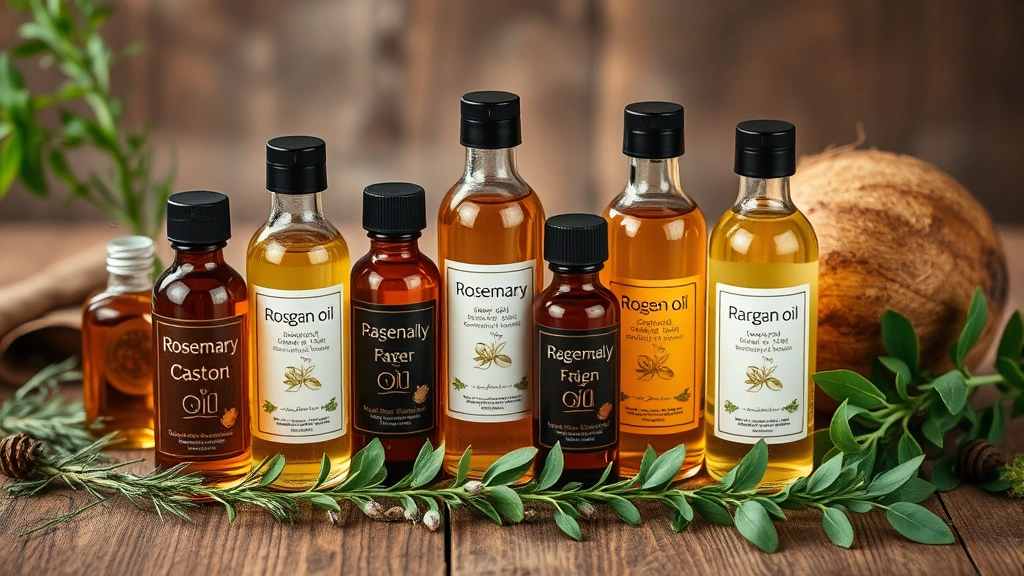
Rosemary oil has emerged as one of the most scientifically validated natural options. A landmark study published in Phytotherapy Research found that rosemary oil performed comparably to minoxidil in promoting hair growth over a six-month period. The oil contains carnosic acid, which protects hair follicles from oxidative stress and inflammation. When diluted properly in a carrier oil, rosemary oil can be applied directly to the scalp 2-3 times weekly.
Castor Oil
Castor oil has been used in traditional medicine for centuries, and modern research validates its benefits. It contains ricinoleic acid and omega-9 fatty acids that nourish the scalp and strengthen hair strands from root to tip. Castor oil also has antimicrobial and anti-inflammatory properties, making it ideal for people with sensitive or inflamed scalps. Its thick consistency makes it best suited for overnight treatments.
Peppermint Oil
Peppermint oil stimulates blood flow to the scalp through its menthol content, creating a cooling sensation that many users find pleasant. Research indicates that peppermint oil can increase hair follicle depth and promote faster growth cycles. Always dilute peppermint oil in a carrier oil before application, as it’s too potent to use undiluted.
Coconut Oil
Coconut oil’s lauric acid penetrates the hair shaft better than many other oils, reducing protein loss and strengthening hair structure. It’s particularly beneficial for dry, damaged hair and creates a protective barrier against environmental stressors. Coconut oil works best as a pre-shampoo treatment or overnight mask.
Argan Oil
Rich in antioxidants and vitamin E, argan oil supports scalp health and hair elasticity. It’s lighter than many other oils, making it suitable for daily use without leaving hair greasy. Argan oil is especially recommended for people with fine or thin hair who want to encourage growth without weighing strands down.

How Hair Growth Oils Work Scientifically
Understanding the mechanism behind hair growth oils helps you appreciate why consistency matters. Hair follicles operate in cycles: anagen (growth phase lasting 2-7 years), catagen (transition phase), and telogen (resting phase lasting 2-3 months). Most hair loss occurs when follicles shift prematurely from anagen to telogen, or when follicles miniaturize and produce thinner strands.
Quality hair growth oils work through several pathways:
- Anti-inflammatory action: Scalp inflammation is a primary driver of hair loss. Oils like rosemary and peppermint contain compounds that reduce inflammatory markers, creating a healthier environment for follicle function.
- Improved microcirculation: Better blood flow means more oxygen and nutrients reach hair follicles. This is why oils with stimulating properties (peppermint, rosemary) are particularly effective.
- Antioxidant protection: Free radical damage contributes to follicle aging. Oils rich in polyphenols and vitamin E protect follicles from oxidative stress.
- Scalp barrier support: A healthy scalp barrier prevents moisture loss and pathogenic colonization. Oils with ceramide-like compounds strengthen this barrier.
- Nutrient delivery: Oils carry fat-soluble vitamins and minerals directly into the scalp, bypassing the need for systemic absorption.
This scientific understanding connects to broader growth mindset principles—when you understand the mechanism behind a practice, you’re more likely to implement it consistently and see results.
Application Methods for Maximum Results
Scalp Massage Technique
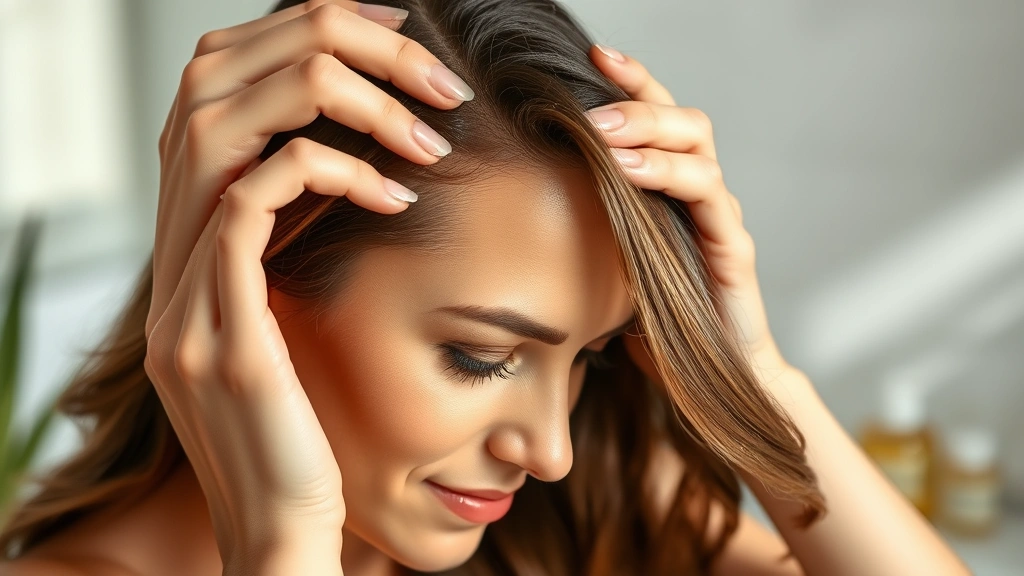
Application method matters as much as product quality. Proper scalp massage increases effectiveness by 30-40% according to dermatological research. Use your fingertips (never nails) to apply gentle circular motions, starting at the hairline and moving backward. Spend at least 5-10 minutes massaging, allowing the oil to penetrate fully. This practice also reduces stress, connecting to your overall wellness journey—much like how working smarter, not harder applies to self-care routines.
Overnight Treatment Protocol
For maximum absorption, apply oil to damp (not soaking wet) hair, focusing on the scalp and mid-lengths. Wrap hair in a silk or satin cap to prevent oil transfer to pillows and reduce friction damage. Leave overnight or for at least 4-8 hours. Shampoo thoroughly the next morning—you may need two washes to remove all oil residue.
Weekly Deep Conditioning
Establish a consistent weekly treatment schedule. Most dermatologists recommend 1-2 deep oil treatments weekly for noticeable results within 8-12 weeks. This consistency aligns with goal-setting principles: small, consistent actions compound into significant results.
Dilution Guidelines
Essential oils (rosemary, peppermint) should always be diluted in carrier oils at a 2-3% concentration. A typical dilution uses 12-18 drops of essential oil per ounce of carrier oil. Never apply undiluted essential oils directly to the scalp, as they can cause irritation or sensitization.
Creating Your Hair Care Routine
Effective hair growth requires a comprehensive routine, not just occasional oil treatments. Consider this evidence-based framework:
- Assessment phase (Week 1-2): Evaluate your current hair condition, identify your hair type (fine, thick, curly, straight), and note any scalp issues. This baseline helps you measure progress accurately.
- Foundation building (Week 3-8): Implement 1-2 weekly oil treatments with a dermatologist-recommended product. Use a gentle sulfate-free shampoo and condition primarily the ends, not the scalp.
- Optimization phase (Week 9-16): After initial improvements, consider adding complementary treatments like scalp serums or growth-promoting shampoos. Assess which oil works best for your scalp type.
- Maintenance phase (Month 5+): Transition to a sustainable routine you can maintain long-term. Most people benefit from 1-2 weekly oil treatments indefinitely.
This structured approach mirrors the Growth Life Hub Blog’s philosophy of incremental improvement and sustainable habit formation.
Common Mistakes to Avoid
Using too much oil: More isn’t better. Excess oil creates a heavy, greasy appearance and can clog follicles. Start with 1-2 teaspoons and adjust based on hair length and thickness.
Applying to dry scalp: Oils penetrate better into damp hair. Dry hair cuticles are closed and resistant to product absorption. Lightly mist your scalp with water before oil application.
Inconsistent application: Hair growth takes time. Sporadic treatments won’t produce results. Commit to a schedule and track your progress photographically every 4-6 weeks.
Ignoring allergies and sensitivities: Always patch test new oils behind your ear or on your inner arm before full scalp application. Some people react to specific botanical compounds.
Neglecting overall health: Hair growth oils work best when combined with adequate protein intake, stress management, quality sleep, and regular exercise. Your hair reflects your internal health status.
Expecting overnight results: Hair growth occurs on a 3-6 month cycle. Visible improvements typically appear after 8-12 weeks of consistent use. This patience aligns with understanding that personal growth is a marathon, not a sprint.
Frequently Asked Questions
How long does it take to see results from hair growth oils?
Most people notice visible improvements within 8-12 weeks of consistent use. Hair thickness increases appear first, followed by new growth at the scalp. Full results typically manifest after 4-6 months. Patience and consistency are essential—discontinuing treatment will reverse gains within 2-3 months.
Can I use hair growth oils if I have oily hair?
Yes, but with modifications. Choose lighter oils like argan or grapeseed oil rather than heavy coconut or castor oil. Apply only to the scalp, avoiding mid-lengths and ends. Use shorter treatment times (2-4 hours instead of overnight) and ensure thorough cleansing.
Are natural hair growth oils as effective as minoxidil?
Rosemary oil has demonstrated comparable efficacy to minoxidil in clinical studies, but individual results vary. Natural oils work best for preventative care and mild hair loss. For significant hair loss or androgenetic alopecia, minoxidil remains the gold standard. Many dermatologists recommend combining both approaches for optimal results.
Can men use these hair growth oils?
Absolutely. Hair growth oils benefit all genders equally. Men may prefer lighter formulations and shorter treatment times. These oils complement other hair loss treatments like minoxidil or finasteride without interaction concerns.
What’s the best carrier oil for diluting essential oils?
Jojoba oil mimics scalp sebum most closely, making it ideal for all hair types. Coconut oil works well for dry scalps. Grapeseed oil suits fine or thin hair. Sweet almond oil is hypoallergenic and suitable for sensitive scalps. Choose based on your specific scalp characteristics.
Should I use the same oil year-round?
Seasonal variation can benefit your hair. Lighter oils like argan work better in summer, while heavier oils like coconut suit winter months. Rotating oils every 3 months prevents adaptation and maintains effectiveness. Listen to your scalp’s needs and adjust accordingly.
Can hair growth oils prevent male pattern baldness?
Oils can slow hair loss progression and improve overall scalp health, but they cannot reverse genetic baldness alone. For androgenetic alopecia, minoxidil or finasteride (prescription) are necessary. Oils work best as complementary treatments alongside these evidence-based medications.
Are there any side effects from hair growth oils?
Side effects are rare when oils are used correctly. Potential issues include scalp irritation (especially with essential oils if not diluted properly), contact dermatitis from specific botanical ingredients, or folliculitis if oils trap bacteria. Always patch test and follow dilution guidelines. Discontinue if irritation develops.


