Elbow Growth Plate: Expert Insights & Tips for Optimal Development
The elbow growth plate represents one of the most critical yet frequently misunderstood aspects of adolescent physical development. Understanding how these specialized cartilage regions function, when they close, and how to protect them during formative years can significantly impact long-term arm health and athletic performance. Whether you’re a parent concerned about your child’s development, a young athlete pushing physical limits, or a coach seeking evidence-based guidance, comprehensive knowledge about elbow growth plates proves invaluable.
Growth plates, also known as epiphyseal plates, are temporary cartilage structures that eventually transform into solid bone as we mature. The elbow contains multiple growth plates that develop and ossify at different rates, making this joint particularly vulnerable during childhood and early adolescence. This article synthesizes expert insights, scientific research, and practical recommendations to help you understand and protect this essential aspect of skeletal development.
Understanding Elbow Growth Plate Anatomy
The elbow joint comprises three bones—the humerus, radius, and ulna—each containing distinct growth plates. The distal humerus contains two primary growth plate regions: the lateral epicondyle and the medial epicondyle. The proximal radius and ulna also feature growth plates crucial for proper arm development. These cartilaginous zones remain softer and more vulnerable than mature bone throughout childhood and adolescence, requiring thoughtful protection strategies.
Growth plates consist of specialized cartilage organized into distinct zones. The reserve zone nearest the epiphysis contains resting cartilage cells. Moving toward the diaphysis, the proliferative zone experiences rapid cell division and growth. The hypertrophic zone contains enlarged cells preparing for ossification, while the calcified zone represents the transition between cartilage and bone. This sophisticated structure allows longitudinal bone growth while maintaining structural integrity.
The vulnerability of elbow growth plates stems from their anatomical position and functional demands. Unlike larger joints, the elbow experiences concentrated stress from throwing motions, impact activities, and repetitive movements common in sports. Understanding this anatomy empowers parents and athletes to make informed decisions about activity levels and training protocols that support personal growth during critical developmental years.
Research from the American Academy of Pediatrics emphasizes that growth plate injuries differ fundamentally from adult bone fractures due to the unique physiology of developing cartilage. These specialized structures require specific injury prevention approaches tailored to younger populations.
Growth Plate Development Timeline
Elbow growth plates follow a predictable but individual developmental sequence. The capitellum, located on the lateral aspect of the distal humerus, typically ossifies between ages 9-12 in girls and 11-13 in boys. The medial epicondyle growth plate, critical for throwing athletes, closes between ages 15-18. Understanding these timelines helps parents and coaches align training intensity with skeletal maturity.
The trochlea, another key growth plate component, ossifies around ages 9-12 and represents another critical developmental milestone. The lateral epicondyle completes ossification between ages 11-14, while the proximal radius and ulna growth plates close somewhat later, typically between ages 14-18. These variations mean that a child’s vulnerability to growth plate injury depends partly on their current developmental stage.
Individual variation in growth plate closure timing proves substantial. Some adolescents experience rapid skeletal maturation, while others develop more gradually. Bone age assessment through radiographic evaluation can provide objective data about developmental status, helping coaches and parents calibrate training programs appropriately. This individualized approach aligns with contemporary growth opportunities in sports medicine and pediatric orthopedics.
The vulnerability window extends through late adolescence, with some growth plates remaining open into the late teens. This extended timeline necessitates sustained attention to injury prevention throughout the teenage years, not just during early adolescence. Research published in the Journal of Orthopaedic & Sports Physical Therapy confirms that growth plate injuries can have lasting consequences if not properly managed during this critical period.
Common Injuries and Prevention Strategies
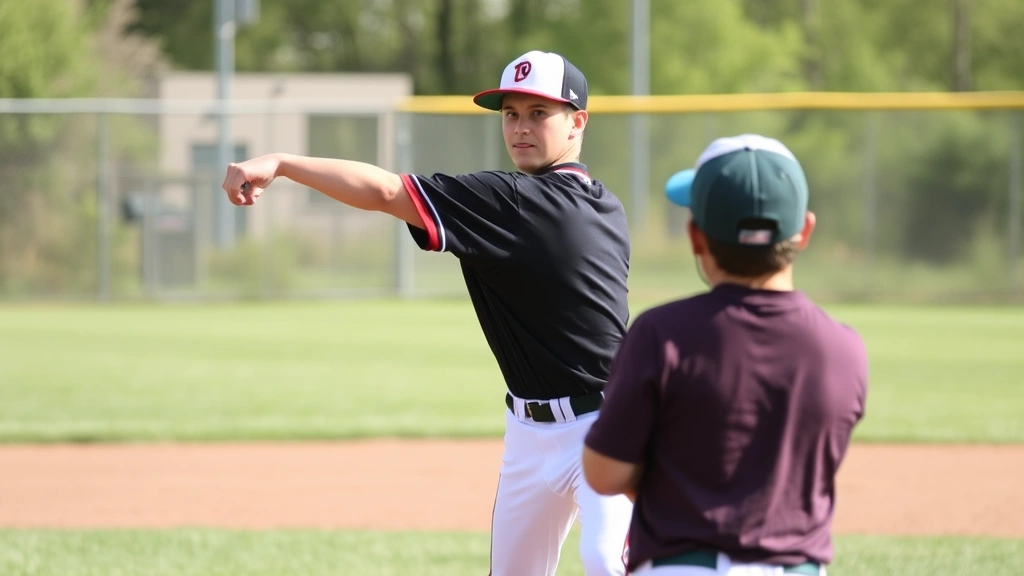
Little League elbow represents the most prevalent growth plate injury affecting young throwing athletes. This condition involves stress to the medial epicondyle growth plate from repetitive throwing motions, causing inflammation, pain, and potential separation of cartilage from underlying bone. Prevention requires limiting throwing volume, implementing proper throwing mechanics, and ensuring adequate rest between throwing sessions.
Osteochondritis dissecans (OCD) of the capitellum presents another serious concern for young athletes engaged in repetitive overhead activities. This condition involves separation of cartilage and underlying bone, potentially leading to joint surface damage if unaddressed. Early detection through imaging studies and appropriate activity modification can prevent progression to severe joint dysfunction.
Prevention strategies emphasize several key principles: limiting throwing volume to age-appropriate guidelines (typically 50-75 pitches per week for 9-12 year-olds), maintaining proper throwing mechanics, implementing mandatory rest periods, and diversifying athletic activities. Young athletes should avoid year-round specialization in single sports, instead participating in varied activities that develop different muscle groups and movement patterns.
Strength and conditioning programs specifically designed for young athletes can substantially reduce growth plate injury risk. American College of Sports Medicine guidelines recommend age-appropriate resistance training, flexibility work, and neuromuscular development. These programs should emphasize proper movement patterns and gradually progressive resistance rather than maximum strength development.
Recovery protocols prove equally important as prevention strategies. When young athletes experience elbow pain, immediate activity modification and medical evaluation prevent minor issues from progressing to serious injuries. The “stop, rest, evaluate, recover” approach protects growth plate integrity while maintaining growth resources for long-term athletic development.

Athletic Performance and Growth Plates
The relationship between growth plate health and long-term athletic success cannot be overstated. Young athletes who suffer significant growth plate injuries may experience chronic pain, limited range of motion, or structural changes affecting future performance. Conversely, athletes who protect their growth plates during development years often achieve superior long-term outcomes and injury resilience.
Specialization in single sports during childhood, while potentially offering short-term competitive advantages, significantly increases growth plate injury risk. Research demonstrates that young athletes participating in multiple sports experience fewer overuse injuries and demonstrate better long-term athletic development. The pressure to specialize early often conflicts with biological realities of developing skeletal systems.
Training load management represents the cornerstone of growth plate protection for young athletes. Progressive increases in training volume and intensity should follow evidence-based guidelines accounting for skeletal maturity. The acute-to-chronic workload ratio—comparing recent training stress to longer-term patterns—helps identify periods of excessive loading that increase injury risk.
Recovery between training sessions proves critical for growth plate health. During sleep and rest periods, growth hormone secretion peaks, facilitating skeletal development and tissue repair. Young athletes requiring 8-10 hours of quality sleep nightly represent biological necessity rather than preference. Inadequate sleep combined with intense training accelerates growth plate stress and injury risk.
Cross-training in diverse activities strengthens different muscle groups and movement patterns while reducing repetitive stress on vulnerable structures. Young throwers benefit from activities like swimming, basketball, and tennis that develop overall athleticism without excessive elbow stress. This approach aligns with growth mindset principles that value long-term development over short-term achievements.
Warning Signs and When to Seek Medical Care
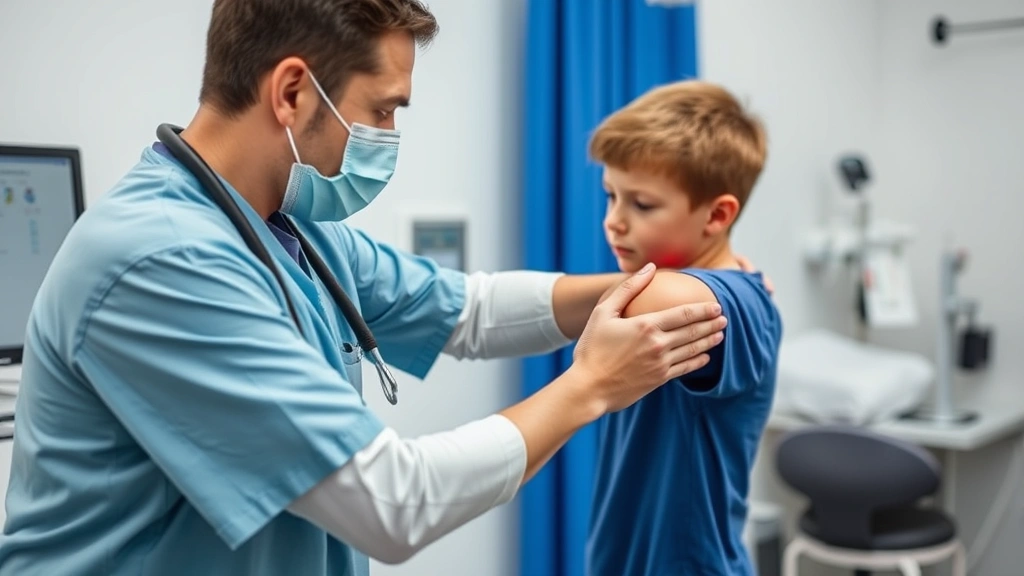
Recognizing early warning signs of growth plate stress enables timely intervention before serious injury develops. Persistent elbow pain, even mild discomfort lasting more than a few days, warrants medical evaluation. Young athletes should never ignore pain as a normal part of training—pain represents the body’s signal that tissue stress exceeds current capacity.
Swelling around the elbow, particularly localized to the medial or lateral epicondyle regions, suggests growth plate irritation. Visible swelling combined with pain during or after activities indicates the need for immediate medical assessment. Similarly, loss of throwing distance, decreased velocity, or difficulty performing previously comfortable activities suggests underlying structural issues requiring professional evaluation.
Clicking, popping, or catching sensations within the elbow joint may indicate cartilage damage or loose bodies within the joint space. These mechanical symptoms warrant imaging studies to assess joint surface integrity and rule out osteochondritis dissecans or other serious pathology. Early detection enables conservative management preventing progression to severe joint dysfunction.
Night pain or pain that awakens the young athlete from sleep suggests more serious underlying pathology than typical overuse irritation. Similarly, pain that persists despite appropriate rest and activity modification indicates need for advanced imaging and specialist consultation. Progressive pain despite conservative measures may necessitate surgical intervention to prevent permanent joint damage.
Medical professionals should perform careful history and physical examination assessing the mechanism of pain onset, training volume changes, mechanical symptoms, and functional limitations. Imaging studies including X-rays and potentially MRI provide definitive assessment of growth plate status and identify specific injuries. This comprehensive evaluation guides evidence-based treatment planning.

Nutrition and Growth Plate Health
Optimal nutrition provides the biochemical foundation for healthy growth plate development and ossification. Adequate protein intake supports cartilage matrix formation and bone mineralization, with young athletes requiring 1.2-2.0 grams per kilogram of body weight daily depending on training intensity. Protein distribution throughout the day optimizes muscle protein synthesis and skeletal development.
Calcium and phosphorus represent essential minerals for bone formation and growth plate mineralization. Young adolescents require 1,000-1,300 mg of calcium daily, best obtained through diverse dietary sources including dairy products, fortified plant-based alternatives, leafy greens, and other mineral-rich foods. Adequate calcium intake during growth years establishes peak bone mass, reducing osteoporosis risk in later life.
Vitamin D facilitates calcium absorption and regulates growth plate development through multiple molecular mechanisms. Young athletes should maintain serum vitamin D levels between 30-50 ng/mL through sunlight exposure, dietary sources, and supplementation when necessary. Deficiency impairs growth plate function and increases injury risk, making vitamin D assessment appropriate for athletes with growth plate concerns.
Micronutrients including magnesium, zinc, and vitamin C play critical roles in bone matrix synthesis and collagen formation. Young athletes consuming limited dietary variety may benefit from comprehensive micronutrient assessment ensuring adequate intake of these essential nutrients. Whole foods provide superior micronutrient profiles compared to isolated supplements.
Hydration supports metabolic processes essential for growth plate development and athletic performance. Young athletes should consume fluids regularly throughout training sessions and daily routines, adjusting intake based on environmental conditions and sweat rates. Chronic dehydration impairs nutrient delivery to developing tissues and increases injury susceptibility.
Energy availability represents an often-overlooked nutritional consideration for young athletes. Insufficient caloric intake relative to training demands creates metabolic stress impairing growth plate development and increasing injury risk. This concern particularly affects young athletes in sports emphasizing leanness, where restrictive eating patterns can compromise skeletal health during critical developmental years.
FAQ
At what age do elbow growth plates close?
Elbow growth plates close at different ages depending on their specific location. The capitellum typically ossifies between ages 9-12, the medial epicondyle between ages 15-18, and the lateral epicondyle between ages 11-14. Individual variation is substantial, with some adolescents experiencing earlier or later closure. Bone age assessment through X-rays can provide precise information about an individual’s developmental timeline.
Can growth plate injuries heal completely?
Many growth plate injuries heal completely with appropriate conservative treatment including rest, activity modification, and supervised rehabilitation. However, serious injuries involving significant cartilage separation or multiple physeal disturbances may result in permanent changes affecting bone alignment, joint mechanics, or long-term function. Early detection and appropriate management maximize healing potential and minimize long-term consequences.
How many pitches should young baseball players throw weekly?
Age-appropriate throwing guidelines recommend 50-75 pitches per week for 9-12 year-olds, 75-100 pitches weekly for 13-14 year-olds, and 100-125 pitches for 15-18 year-olds. These guidelines assume proper mechanics, adequate rest between throwing sessions, and participation in multiple sports rather than year-round baseball specialization. Individual variation based on skeletal maturity and prior injury history may warrant conservative modifications.
What imaging studies assess growth plate health?
Plain radiographs (X-rays) provide the initial imaging assessment, revealing growth plate status and identifying fractures or significant pathology. MRI offers superior soft tissue visualization, detecting early cartilage damage, inflammation, and osteochondritis dissecans before radiographic changes become apparent. CT imaging occasionally provides additional detail for complex fracture patterns or surgical planning.
Should young athletes use braces or straps for elbow protection?
Prophylactic bracing for asymptomatic young athletes lacks strong evidence supporting injury prevention. However, therapeutic bracing following growth plate injury can provide symptom relief and support during rehabilitation. Medical professionals should guide bracing decisions based on individual injury characteristics, functional limitations, and rehabilitation progress rather than universal protocols.
How does growth plate injury affect future athletic potential?
Outcomes depend substantially on injury severity, specific growth plate involved, and appropriateness of treatment. Minor injuries with appropriate management often resolve without functional limitations. More serious injuries may cause chronic pain, reduced range of motion, or structural changes affecting performance. Early detection and evidence-based treatment optimize outcomes and preserve long-term athletic potential.
Can young athletes return to sports after growth plate injuries?
Return to sports should follow individualized protocols guided by medical professionals and rehabilitation specialists. Premature return risks re-injury and permanent damage, while overly conservative approaches may create unnecessary limitations. Objective criteria including pain-free range of motion, strength restoration, and sport-specific movement competency should guide return decisions rather than arbitrary timelines.


