
Can Lifting Weights Stunt Growth? Myths Debunked
One of the most persistent myths in fitness circles is that lifting weights during adolescence stunts your growth. Parents worry, coaches debate, and young athletes hesitate—all based on a misconception that has circulated for decades. The truth is far more nuanced and reassuring than the myth suggests. Scientific research consistently demonstrates that properly executed resistance training does not stunt growth in adolescents and can actually contribute to long-term health and physical development.
If you’re a young person interested in strength training, a parent concerned about your child’s fitness routine, or simply curious about the science behind this claim, this comprehensive guide will separate fact from fiction. We’ll explore the biological mechanisms that fuel growth, examine what research actually says about weightlifting and development, and provide practical guidance for safe training practices throughout your formative years.
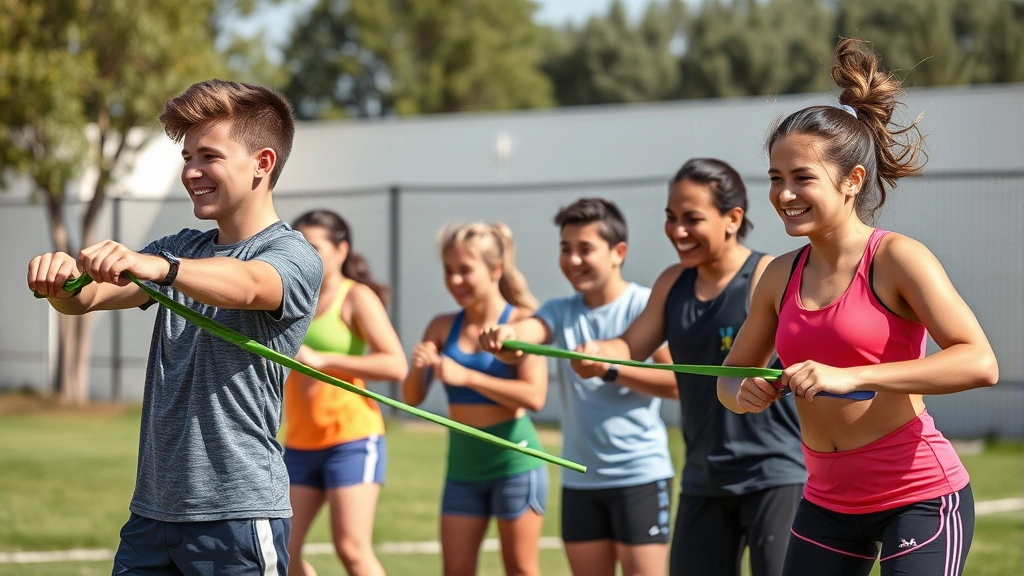
The Origin of the Growth Stunt Myth
Like many fitness myths, the belief that weightlifting stunts growth likely originated from misunderstandings about biomechanics and a grain of truth taken to extremes. In the 1970s and 1980s, concerns arose about young weightlifters competing in heavy powerlifting competitions, where extreme loads and poor form could theoretically damage developing tissues. However, this specific concern—elite-level competitive weightlifting with maximal loads—became generalized to all resistance training in young people.
The myth persisted partly because of cultural beliefs about what is “natural” for developing bodies. Many people assumed that heavy external loads would somehow interfere with the body’s natural growth processes. Additionally, lack of quality research in this area meant that assumptions went unchallenged for years. Today, major health organizations including the American Academy of Pediatrics have reviewed the evidence and concluded that appropriately designed resistance training is safe and beneficial for young athletes.
Understanding where myths come from helps us develop critical thinking about fitness claims. When evaluating any health information, consider whether it’s based on current scientific evidence or outdated assumptions. This principle applies whether you’re reading about weightlifting, nutrition, or exploring broader concepts in your personal growth journey.

How Human Growth Actually Works
To understand why weightlifting doesn’t stunt growth, we need to examine the biological mechanisms driving human development. Growth is a complex process involving multiple systems working in concert, and it’s far more robust than the myth suggests.
Growth hormone and IGF-1 are primary drivers of linear growth during adolescence. These hormones are produced in response to adequate nutrition, sleep, stress management, and physical activity. Interestingly, exercise actually stimulates growth hormone production, meaning that resistance training may actually support the biological processes underlying growth rather than interfering with them.
The growth process involves several key components:
- Genetic factors determine your growth potential (approximately 60-80% of final height)
- Nutrition provides building blocks for bone and tissue development
- Sleep is when most growth hormone is released
- Stress levels affect hormonal balance and can suppress growth if chronically elevated
- Physical activity stimulates bone remodeling and hormonal responses that support development
Growth plates, which we’ll examine in detail later, are the sites where new bone tissue is added during development. These structures are remarkably resilient when training is performed with proper technique and appropriate loads. Research from the American Academy of Pediatrics confirms that supervised resistance training does not damage growth plates in young athletes.
What Science Says About Weightlifting and Growth
Modern research provides clear evidence on this topic. Multiple systematic reviews and meta-analyses have examined the relationship between resistance training and growth in adolescents, and the findings are consistent: there is no evidence that resistance training stunts growth when performed safely.
A landmark study published in pediatric sports medicine literature found that young athletes who engaged in resistance training actually experienced better overall skeletal health outcomes than sedentary peers. Their bones were stronger, denser, and more resilient—benefits that persisted into adulthood. This makes biological sense: bones respond to mechanical stress by becoming stronger, a principle called Wolff’s Law.
Research also shows that young lifters who train under proper supervision experience fewer injuries than those who avoid strength training entirely. This is because resistance training, when done correctly, strengthens not just muscles but also connective tissues, improves movement patterns, and builds body awareness. These adaptations reduce injury risk in sports and daily activities.
The key variables in safe training are:
- Appropriate load selection (not attempting maximal weights)
- Proper exercise technique and form
- Progressive training programs that allow adaptation
- Adequate recovery between sessions
- Qualified supervision and coaching
- Individualized programming based on age and maturity
When these factors are in place, resistance training becomes one of the most beneficial activities young people can pursue. It’s worth noting that developing a growth mindset about physical training—viewing challenges as opportunities to improve rather than threats—enhances both safety and results.
Growth Plates and Resistance Training
Growth plates deserve special attention because they’re often cited as the reason weightlifting supposedly causes problems. These structures are crucial to understanding why the myth persists and why it’s ultimately unfounded.
Growth plates are areas of cartilage near the ends of long bones that contain actively dividing cells. During childhood and adolescence, these cells multiply and eventually calcify, adding length to bones. Growth plates are indeed somewhat more fragile than surrounding bone tissue, but they’re not fragile in the way the myth suggests.
The actual risk to growth plates comes from traumatic injury—falls, collisions, or severe accidents—not from controlled resistance training. A study examining young weightlifters found that properly supervised resistance training caused zero growth plate injuries in thousands of training sessions. In contrast, sports like football, basketball, and gymnastics have documented growth plate injury rates, yet we don’t discourage young people from these activities.
Growth plates close naturally as you complete puberty, a process that occurs at different ages for different individuals but typically between ages 16-25. This timing is important because it means that adolescents have a limited window to build strength and bone density—advantages they’ll carry throughout life. Rather than avoiding resistance training during this critical period, young people should embrace it as an opportunity to build a stronger foundation for adult health.
The protective factors for growth plates during resistance training include:
- Using controlled movements and appropriate weights
- Avoiding explosive or ballistic movements with heavy loads
- Maintaining proper alignment and posture
- Gradually increasing intensity over weeks and months
- Including adequate warm-up and cool-down periods
- Ensuring sufficient rest days for recovery
Safe Weightlifting Practices for Young Athletes
Now that we’ve established that weightlifting doesn’t stunt growth, the question becomes: how should young people approach resistance training safely? The answer involves thoughtful program design and consistent attention to technique.
Ages 6-12: Foundation Phase
Young children benefit from bodyweight exercises, simple resistance movements, and sport-specific skill development. The focus should be on learning proper movement patterns, building coordination, and developing a positive relationship with physical activity. Light resistance using bands or light weights can be introduced with emphasis on technique.
Ages 13-15: Development Phase
As adolescents enter puberty, they can gradually increase resistance training intensity and volume. This is an ideal time to develop strength, which provides benefits for sports performance and injury prevention. Programs should emphasize compound movements like squats, deadlifts, push-ups, and rows using moderate weights. Resistance should be light enough to allow 12-15 repetitions with good form.
Ages 16-18: Specialization Phase
Older adolescents can handle more advanced training programs with heavier weights, but still with emphasis on technique and progressive overload rather than maximal loads. This age group can begin sport-specific strength training while continuing general physical preparation.
Key principles for all ages include:
- Technique first, weight second—master movement patterns before adding load
- Progressive overload—gradually increase difficulty over time
- Variety—include different exercises, rep ranges, and training modalities
- Recovery—allow adequate rest between sessions and prioritize sleep
- Supervision—train under qualified coaching whenever possible
Developing consistent goal-setting habits in your training creates positive momentum and helps track progress over time. This approach to structured progression is applicable far beyond the gym and supports broader personal development.
Nutrition and Recovery for Growing Athletes
While resistance training itself doesn’t stunt growth, inadequate nutrition and recovery certainly can. If a young person begins a serious training program without supporting it with proper nutrition and sleep, they may compromise their growth—not because of the training itself, but because of insufficient resources for recovery and development.
Nutritional Considerations
Growing athletes have elevated nutritional needs compared to sedentary peers. Key nutrients supporting growth and training recovery include:
- Protein—essential for muscle and tissue repair; aim for 1.2-2.0 grams per kilogram of body weight daily
- Calories—sufficient total energy intake to support both growth and training demands
- Calcium and vitamin D—critical for bone development and strength
- Iron—supports oxygen transport and energy production
- Carbohydrates—fuel for training sessions and recovery
Rather than restricting calories or following fad diets, young athletes should focus on nutrient-dense whole foods and eating enough to support their activity level. Consulting with a sports dietitian can help optimize nutrition for individual goals and needs.
Sleep and Recovery
Growth hormone is released primarily during deep sleep, making sleep one of the most critical factors in the growth process. Young athletes should aim for 8-10 hours nightly. Additionally, recovery days are when adaptations to training occur, so adequate rest between sessions is essential.
Stress management also plays a role in supporting growth. Chronic stress elevates cortisol, which can suppress growth hormone and interfere with development. Incorporating motivation-building activities that you enjoy helps maintain a positive relationship with training and reduces stress.
The Real Benefits of Early Strength Training
Beyond simply not stunting growth, early resistance training offers substantial benefits that extend throughout life. Understanding these advantages helps young people appreciate why strength training deserves a place in their fitness routine.
Bone Health
Resistance training during adolescence builds bone density that persists into adulthood. This is particularly important for females, who face higher osteoporosis risk later in life. Young people who strength train develop stronger, denser bones that resist fractures and degeneration as they age.
Injury Prevention
Strong muscles, tendons, and ligaments protect joints and reduce injury risk across all activities. Young athletes who train with proper technique develop body awareness and movement quality that translates to safer performance in sports and daily life.
Metabolic Health
Resistance training improves insulin sensitivity, metabolic efficiency, and body composition. These adaptations reduce the risk of metabolic diseases and support healthy weight management throughout life.
Psychological Benefits
Strength training builds confidence, resilience, and mental toughness. Young people learn to set goals, work through challenges, and see progress through consistent effort—skills that transfer to academic, professional, and personal domains. This aligns with broader personal growth principles where physical development supports psychological development.
Athletic Performance
Stronger muscles and improved movement quality enhance performance in virtually every sport. Young athletes who strength train run faster, jump higher, throw farther, and perform with greater power than untrained peers.
Long-term Health
The strength built during adolescence provides a foundation for healthy aging. People who maintain strength throughout life experience better mobility, independence, and quality of life in their senior years.
FAQ
At what age can kids safely start lifting weights?
Children as young as 6-7 can begin basic resistance training using bodyweight exercises and light resistance. The American Academy of Pediatrics states that resistance training is safe for children and adolescents when properly supervised. The emphasis at younger ages should be on learning proper technique and developing a positive relationship with exercise rather than lifting heavy weights.
Can lifting weights affect my child’s height?
No. There is no scientific evidence that resistance training affects final height or stunts growth. In fact, strength training may support optimal growth by stimulating growth hormone production and building stronger bones. Genetics determines approximately 60-80% of final height, with nutrition, sleep, and overall health making up the remainder.
What’s the difference between resistance training and weightlifting for young people?
Resistance training refers to any exercise that challenges muscles against external force—this includes bodyweight exercises, resistance bands, dumbbells, and machines. Weightlifting specifically refers to lifting barbells. For young people, resistance training using various tools is recommended over heavy barbell training, though properly supervised barbell training can be appropriate for older adolescents with good technique.
How much weight should a young person lift?
Young people should use weights that allow them to complete 12-15 repetitions with good form. If you can’t maintain proper technique throughout all reps, the weight is too heavy. Progressive overload—gradually increasing weight, reps, or sets over weeks and months—builds strength safely without excessive joint stress.
Can girls safely lift weights during adolescence?
Absolutely. Resistance training is equally safe and beneficial for girls and boys. In fact, girls benefit significantly from early strength training, which builds bone density protective against osteoporosis and improves athletic performance. There’s no risk of developing excessive muscle mass from training during adolescence.
What should I do if my child wants to start weightlifting?
Support their interest and help them find qualified coaching. Look for trainers or programs with experience working with young athletes and an emphasis on proper technique. Start with lighter weights and bodyweight exercises, progress gradually, and ensure your child understands that consistency and technique matter more than lifting heavy weights.
How does resistance training support overall personal development?
Beyond physical benefits, strength training teaches discipline, goal-setting, resilience, and the value of progressive effort. These principles extend to academic work, career development, and all areas of self-growth. Young people who train consistently develop confidence and mental toughness applicable throughout life.


