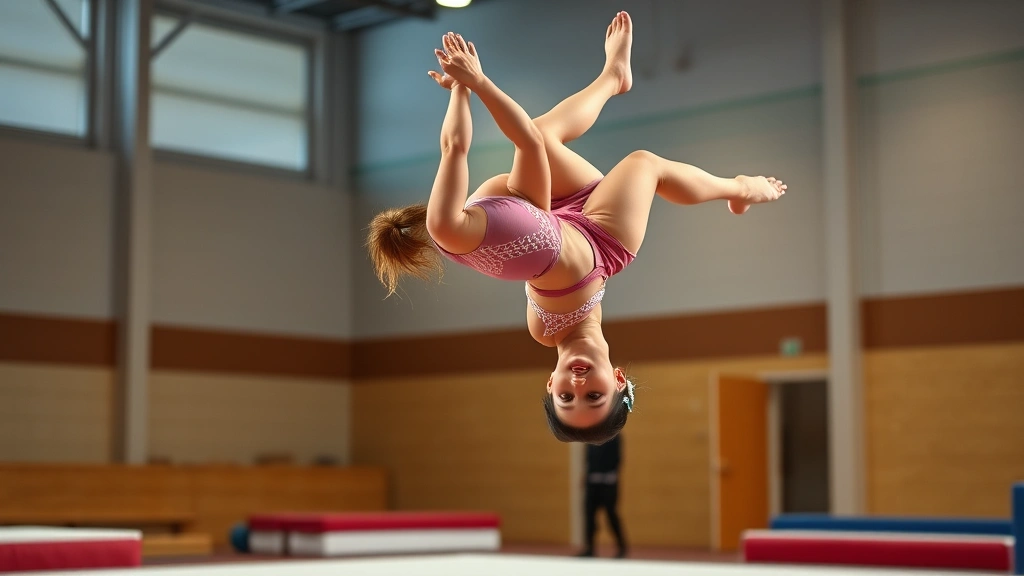
Gymnastics & Growth: Expert Insights on Myths
The question “does gymnastics stunt your growth?” has circulated in gyms, living rooms, and parent forums for decades. Young athletes and their families worry that the physical demands of gymnastics might somehow interfere with their natural height development. Yet despite this persistent concern, the scientific evidence tells a remarkably different story. Understanding the truth about gymnastics and growth requires separating fact from fiction, examining what research actually reveals, and recognizing how elite training programs can coexist with healthy adolescent development.
Gymnastics is one of the most physically demanding sports in the world. It requires extraordinary strength, flexibility, coordination, and mental resilience. Many parents hesitate to enroll their children in gymnastics programs because they fear the intense training might somehow compromise their child’s growth potential. This anxiety is understandable but ultimately unfounded. In this comprehensive guide, we’ll explore the science behind growth, examine the myths surrounding gymnastics, and provide evidence-based insights from experts who study athletic development.
The Science of Growth and Development
Human growth is a complex biological process governed primarily by genetics, nutrition, sleep, and hormonal factors. During childhood and adolescence, growth hormone (GH) production accelerates significantly, particularly during puberty. This hormone, secreted by the pituitary gland, stimulates the growth of bones, muscles, and organs. Growth plates—areas of cartilage at the ends of long bones—are responsible for lengthening bones throughout childhood and into early adulthood.
Research published in the Journal of Clinical Research in Pediatric Endocrinology demonstrates that physical activity actually enhances growth hormone secretion rather than suppressing it. Moderate to intense exercise stimulates GH production, which means young athletes engaging in gymnastics training are actually triggering hormonal responses that support growth, not hinder it. The key distinction lies in understanding that appropriate training loads support development, while extreme overtraining without adequate recovery might cause temporary growth delays—but this applies to any sport, not gymnastics specifically.
Growth velocity—the rate at which children grow—follows predictable patterns. Most children experience rapid growth during infancy and early childhood, with another major growth spurt during adolescence. This spurt typically occurs between ages 10-14 for girls and 12-16 for boys. During these periods, hormonal changes create an environment conducive to growth, and physical activity during these years actually optimizes skeletal development and bone density.
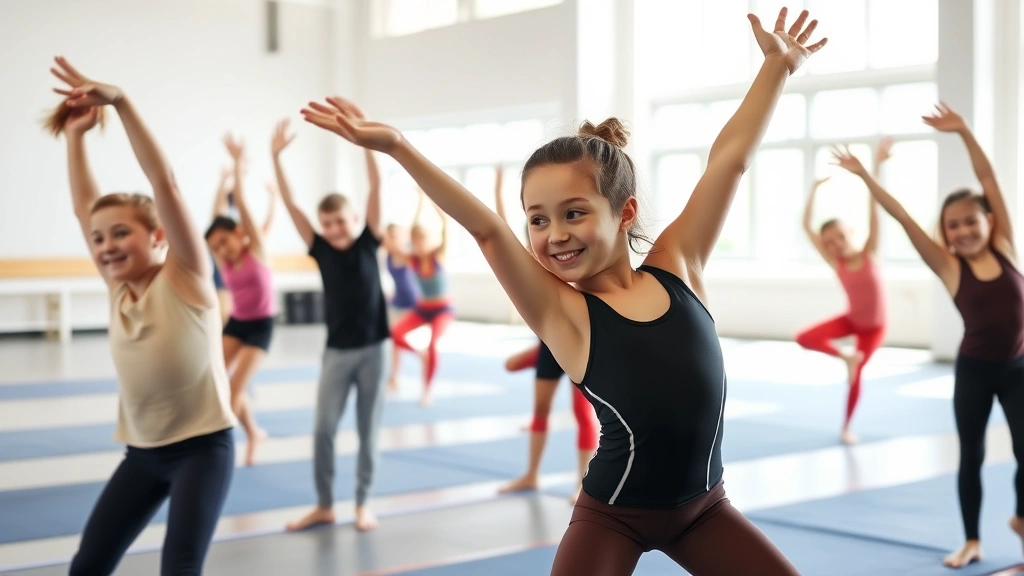
Debunking the Gymnastics Stunting Growth Myth
The myth that gymnastics stunts growth likely originated from observational bias and correlation confusion. Gymnastics attracts shorter athletes—not because training makes them short, but because shorter stature provides biomechanical advantages in the sport. A gymnast with a lower center of gravity can rotate faster, maintain balance more easily, and execute skills with greater control. This natural selection process means shorter individuals are more likely to pursue gymnastics seriously and excel at the sport’s highest levels.
This is a classic example of confusing correlation with causation. Because successful elite gymnasts tend to be shorter, people assumed gymnastics training caused the shorter stature. In reality, shorter individuals are more likely to pursue and succeed in gymnastics. Research examining athletic selection effects in youth sports confirms this pattern across multiple sports: athletes with body types suited to their sport are more likely to continue training, while those with less advantageous proportions often move to different activities.
Dr. Avery Faigenbaum, professor of exercise science at The College of New Jersey and leading expert in youth athletic development, emphasizes that “there is no scientific evidence that gymnastics training stunts growth in children who are properly trained, adequately nourished, and allowed appropriate recovery time.” This expert consensus, supported by decades of research, should provide reassurance to parents concerned about their child’s development.
When examining countries with the most rigorous gymnastics programs—including China, Russia, and Romania—researchers have found no systematic growth deficiencies among young gymnasts compared to age-matched peers. Young gymnasts in these programs grow normally when training protocols include adequate nutrition and recovery.
How Gymnastics Actually Supports Physical Development
Rather than stunting growth, gymnastics training actively supports healthy physical development through multiple mechanisms. First, gymnastics builds exceptional bone density. Weight-bearing exercise and the impact forces experienced during gymnastics training stimulate osteoblasts (bone-building cells) to create stronger, denser bone tissue. This benefit extends throughout life, reducing osteoporosis risk in adulthood.
Second, gymnastics develops proprioception—the body’s awareness of itself in space—during critical developmental windows. This neural adaptation during childhood and adolescence creates movement patterns and body control that persist throughout life. The neuroscience of motor skill development demonstrates that children who engage in complex movement training during childhood develop superior motor control and coordination permanently.
Third, gymnastics training during adolescence optimizes muscle development. While gymnastics doesn’t produce bulk like strength training, it develops functional muscle strength across the entire body. This lean, efficient muscular development supports metabolic health and athletic performance across all future activities.
Fourth, gymnastics enhances cardiovascular fitness. The varied demands of gymnastics training—explosive power, sustained effort, and interval-based conditioning—develop both aerobic and anaerobic capacity. Young gymnasts typically demonstrate exceptional cardiovascular health markers compared to sedentary peers.
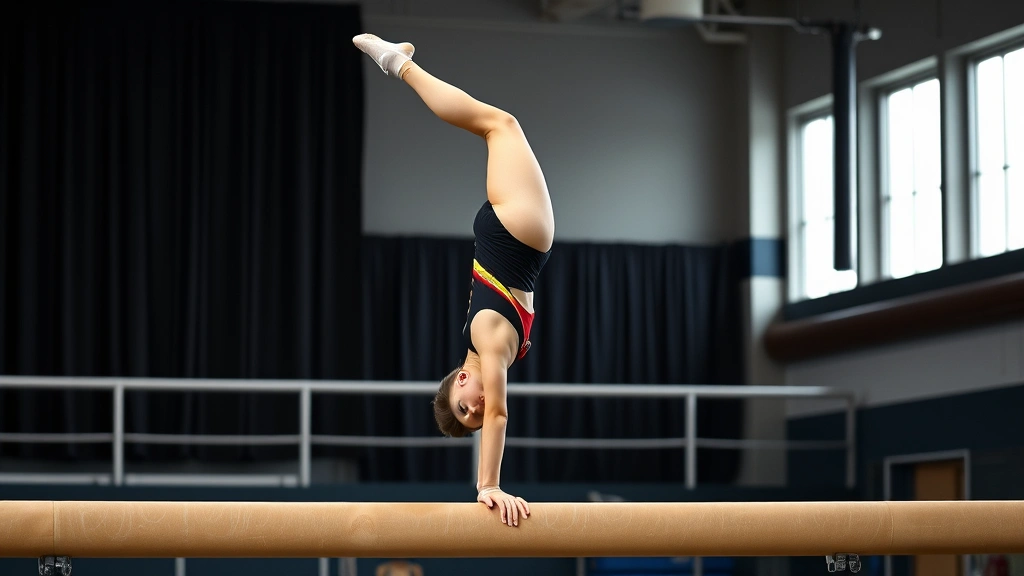
The developmental benefits extend to psychological domains as well. Gymnastics teaches growth mindset principles through incremental skill progression, resilience through repeated practice and failure, and confidence through mastery experiences. These psychological developments support overall maturation and self-efficacy.
Nutritional Requirements for Young Gymnasts
If gymnastics stunting growth occurs at all, inadequate nutrition would be the culprit, not the training itself. Young gymnasts have elevated nutritional demands compared to sedentary peers. The concern about growth isn’t related to gymnastics specifically but rather to any sport combined with insufficient caloric or micronutrient intake.
Young female gymnasts, in particular, face increased injury and health risks if they restrict calories excessively. The Female Athlete Triad—characterized by disordered eating, amenorrhea (loss of menstrual periods), and reduced bone density—can occur in any sport emphasizing leanness, but it’s preventable through proper nutrition education and support.
Optimal nutrition for young gymnasts includes:
- Adequate calories: Young gymnasts need sufficient energy intake to support both training demands and growth. Underfueling suppresses growth hormone and can temporarily reduce growth velocity
- Sufficient protein: Essential for muscle development and recovery, with recommendations of 1.2-1.6 grams per kilogram of body weight daily
- Carbohydrates: Fuel for high-intensity training, with emphasis on whole grains and complex carbs for sustained energy
- Healthy fats: Critical for hormone production, including growth hormone, with emphasis on omega-3 and omega-6 fatty acids
- Micronutrients: Iron, calcium, vitamin D, and zinc support bone development and overall growth
When young gymnasts receive proper nutrition—which is the responsibility of parents and coaching staff—growth proceeds normally. Research on young athletes in multiple sports demonstrates that properly nourished athletes grow normally regardless of training intensity.
Training Load and Recovery Protocols
Excessive training without adequate recovery can temporarily suppress growth in any young athlete, not specifically gymnasts. The concept of overtraining syndrome involves chronic fatigue, performance decrements, and potential hormonal disruption. However, modern sports science has established clear guidelines for appropriate training loads in young athletes.
The American Academy of Pediatrics recommends that young athletes:
- Participate in no more than one sport per season during childhood and early adolescence
- Have at least one complete rest day weekly
- Follow a 10% rule for increasing training volume (no more than 10% increase per week)
- Prioritize sleep, aiming for 8-10 hours nightly during adolescence
- Undergo regular monitoring for signs of overtraining
Well-coached gymnastics programs adhere to these principles. Elite programs incorporate periodization—systematic variation of training intensity and volume—to optimize adaptation while preventing overtraining. Recovery protocols including foam rolling, stretching, ice baths, and massage are increasingly standard in quality gymnastics facilities.
The growth hormone response to exercise is actually optimized by appropriate training loads. Intense but not excessive exercise stimulates GH secretion more effectively than light activity or complete rest. This means properly structured gymnastics training actively supports growth hormonal profiles.
Genetic Factors vs. Environmental Influences
Genetics determines approximately 80% of height variation among humans. Environmental factors—including nutrition, sleep, stress, and physical activity—account for the remaining 20%. This means that even in optimal environmental conditions, a child’s ultimate height is largely predetermined by parental genetics.
Young gymnasts reach their genetically determined height when environmental factors are supportive. A child whose parents are both average height will not become exceptionally tall regardless of gymnastics training, but they will reach their full genetic potential. Conversely, a child with tall parents will reach that potential height unless prevented by severe malnutrition or overtraining.
Research examining genetic and environmental influences on height confirms that physical training doesn’t alter genetic expression related to height but rather allows genetic potential to be fully expressed when combined with proper nutrition and recovery.
Some studies have examined whether intensive gymnastics training during critical developmental periods might temporarily delay growth velocity. These studies, when properly controlled for nutritional intake and training load, show minimal effects. Any temporary slowing of growth velocity during periods of extreme training is reversed when training loads normalize or nutrition improves.
Long-Term Health Benefits of Gymnastics
Beyond resolving the growth myth, gymnastics training offers substantial long-term health benefits that extend well into adulthood. Former gymnasts demonstrate:
- Superior bone health: The weight-bearing training builds bone density that persists throughout life, reducing osteoporosis risk in older age
- Exceptional movement quality: Motor patterns learned during gymnastics training support injury prevention throughout life
- Cardiovascular health: The aerobic and anaerobic training adaptations established during gymnastics training support long-term cardiac health
- Mental resilience: The psychological training inherent in gymnastics—goal-setting, managing fear, persisting through difficulty—supports mental health throughout life
- Lower injury rates: Despite gymnastics being a demanding sport, gymnasts who train properly demonstrate lower overall injury rates than sedentary peers when accounting for activity level
The personal growth experienced through gymnastics training extends beyond physical development. Young gymnasts develop self-discipline, resilience, goal-setting skills, and confidence that support success in academic, professional, and personal domains throughout life.
Parents considering gymnastics for their children can feel confident that the sport, when properly coached and supported with adequate nutrition and recovery, poses no threat to growth and offers substantial developmental benefits. The myth that gymnastics stunts growth should be recognized as exactly that—a myth contradicted by scientific evidence and expert consensus.
FAQ
Does gymnastics really stunt your growth?
No. Scientific evidence does not support this claim. The myth likely arose because shorter athletes naturally excel in gymnastics due to biomechanical advantages, not because training causes short stature. When young gymnasts receive proper nutrition and recovery, they grow normally according to their genetic potential.
At what age should children start gymnastics?
Most gymnastics programs accept children starting around age 3-4 for recreational classes. Competitive training typically begins around age 6-8. Starting young allows children to develop fundamental movement skills and coordination during optimal developmental windows, but children can begin gymnastics at any age and benefit from the training.
How many hours per week should young gymnasts train?
Recreational gymnasts typically train 3-6 hours weekly, while competitive gymnasts might train 10-20 hours weekly depending on level. The key is ensuring training loads follow periodization principles, include adequate recovery, and don’t compromise school, sleep, or nutrition. Quality coaching ensures appropriate progression rather than excessive volume.
What should young gymnasts eat?
Young gymnasts need balanced nutrition including adequate calories for their training level, sufficient protein for muscle development, complex carbohydrates for energy, healthy fats for hormone production, and micronutrients like calcium, iron, vitamin D, and zinc. Working with a sports nutritionist helps optimize nutrition plans for individual athletes.
Can gymnastics cause eating disorders?
While gymnastics, like any aesthetic sport, carries some risk for disordered eating patterns, proper coaching, education, and monitoring prevent most issues. Programs that emphasize health over appearance, normalize varied body types, and educate athletes about nutrition reduce eating disorder risk substantially.
How do I know if my child is overtraining?
Signs of overtraining include persistent fatigue, declining performance, irritability, sleep disturbances, frequent illness, and loss of enjoyment in training. If these signs appear, discuss with coaching staff about reducing training volume, improving recovery, or addressing nutritional needs. Regular communication between parents, coaches, and athletes helps prevent overtraining.


