Boost Oak Growth: Expert Tips for Faster Trees
Growing oak trees successfully requires understanding the intricate balance between environmental conditions, soil quality, and proper care techniques. Whether you’re cultivating bur oak for timber, shade, or ecological restoration, accelerating growth rates demands a strategic approach grounded in horticultural science. Bur oaks, known scientifically as Quercus macrocarpa, are naturally slow-growing hardwoods, but with expert intervention and optimal conditions, you can significantly enhance their development trajectory.
This comprehensive guide explores evidence-based strategies to maximize oak growth while building on principles of intentional development. Just as personal transformation requires consistent effort and the right conditions, nurturing thriving oak trees demands patience, knowledge, and systematic application of proven techniques. By implementing these expert recommendations, you’ll create an environment where your trees flourish at their maximum potential.
Soil Foundation and Preparation
The foundation of accelerated oak growth begins with soil composition and preparation. Bur oaks thrive in well-draining soils with pH levels between 6.0 and 7.5, though they demonstrate remarkable adaptability to various soil types. Before planting, conduct a comprehensive soil analysis to determine existing nutrient levels, organic matter content, and drainage capacity.
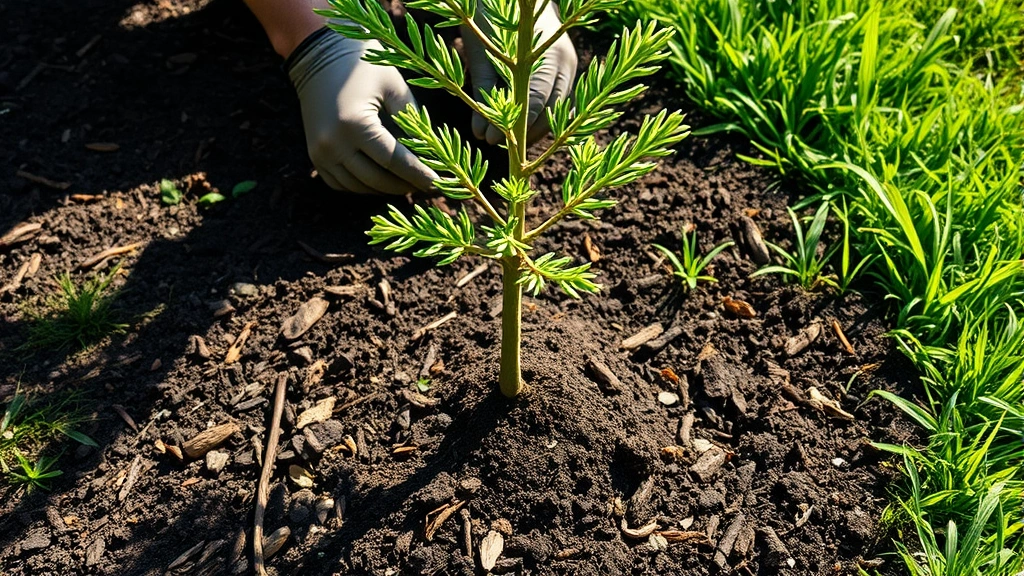
Incorporate 3-4 inches of quality compost or aged organic matter into the planting area, extending 2-3 feet beyond the root ball diameter. This enrichment creates a nutrient-dense microenvironment that encourages vigorous root establishment and rapid lateral root expansion. Organic matter improves soil structure, enhances water retention in sandy soils, and increases porosity in clay-heavy compositions—critical factors for bur oak growth acceleration.
Research from Forest Ecology and Management journal demonstrates that trees planted in amended soils show 25-40% faster growth rates during the first five years compared to unamended controls. The biological activity stimulated by organic matter creates a symbiotic relationship between tree roots and beneficial soil microorganisms, facilitating nutrient uptake and stress resilience.
Consider your location’s specific soil type. If you’re managing clay-dominant soils, amend with coarse sand and organic matter to prevent waterlogging. Sandy soils benefit from increased organic matter to enhance water and nutrient retention. The investment in proper soil preparation during establishment phases pays dividends throughout the tree’s lifespan, particularly during the crucial first three growing seasons when bur oak growth rate accelerates most dramatically.
Strategic Watering and Hydration
Water management represents one of the most impactful variables in controlling oak growth rates. Young bur oaks require consistent moisture during establishment, particularly in the first two years post-planting. Implement a deep watering strategy that encourages extensive root development rather than shallow surface rooting.
Water deeply 2-3 times weekly during the growing season, delivering 1-2 inches per application. This approach mimics natural rainfall patterns and encourages roots to penetrate deeper into soil, accessing moisture and nutrients at lower depths. Shallow, frequent watering creates dependency on surface moisture and stunts root development—the opposite of what accelerated growth requires.
Mulching around the base enhances water retention and temperature regulation. Apply 3-4 inches of wood chips or organic mulch in a ring extending 3-4 feet from the trunk, keeping material 6 inches away from the bark to prevent moisture accumulation and fungal issues. Mulch moderates soil temperature fluctuations, reduces evaporation by 50-70%, and gradually decomposes to add organic matter.
Monitor soil moisture using the finger test: insert your finger 2-3 inches into soil. If it feels dry, watering is needed. Adjust frequency based on rainfall, temperature, and soil type. During establishment years, this attention to hydration can increase bur oak growth rate by 15-30% compared to inconsistent watering schedules.
As trees mature, gradually reduce supplemental watering frequency. Established oaks develop deep root systems accessing groundwater, reducing dependence on surface irrigation. This transition builds resilience and encourages the robust root architecture necessary for long-term health and stability.
Nutrient Management and Fertilization
While oaks are relatively undemanding compared to other hardwoods, strategic nutrient supplementation accelerates growth, particularly in nutrient-depleted soils. Focus fertilization efforts on the critical establishment phase—the first three growing seasons when bur oak growth rate responds most dramatically to nutritional inputs.
Apply a balanced, slow-release fertilizer (10-10-10 or similar NPK ratio) in early spring, just as new growth begins. Use rates appropriate to tree size: 1-2 pounds of actual nitrogen per year for young trees, increasing slightly as they mature. Slow-release formulations provide steady nutrient availability without shocking the tree’s system or promoting excessive, weak growth susceptible to storm damage.
Micronutrient deficiencies can limit growth potential. Iron chlorosis (yellowing leaves with green veins) indicates iron deficiency, common in high-pH soils. Address this with chelated iron applications or soil acidification. Zinc and manganese deficiencies manifest as stunted growth and abnormal foliage. A comprehensive micronutrient analysis guides targeted supplementation.
Consider organic fertilization approaches using composted bark, fish emulsion, or specialty tree fertilizers containing mycorrhizal fungi. These biological amendments enhance nutrient availability and create beneficial fungal networks that dramatically improve nutrient uptake efficiency. Studies show mycorrhizal-inoculated trees demonstrate 20-35% faster growth rates and superior drought tolerance.
As part of your broader personal growth philosophy, understand that trees, like people, thrive when receiving appropriate nourishment. Just as growth mindset quotes inspire human development, proper nutrition fuels biological development in oaks.
Sunlight Exposure and Canopy Development
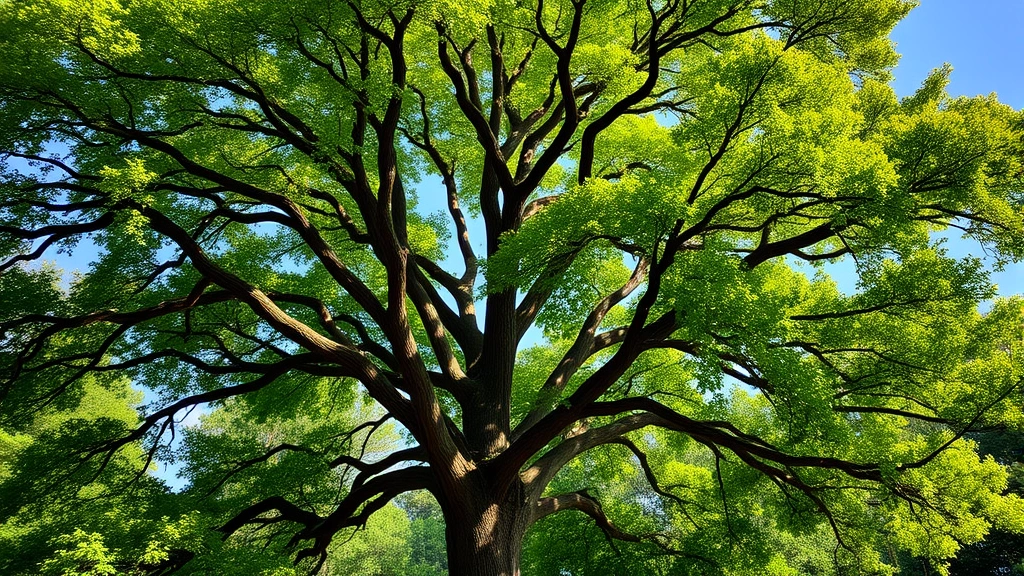
Photosynthetic capacity directly determines growth potential. Bur oaks require full sun exposure—minimum 6-8 hours of direct daily sunlight—for optimal growth rates. Position trees where they receive unobstructed morning and afternoon light, avoiding competition from taller vegetation or structures that cast afternoon shade.
In the first 2-3 years, protect young trees from excessive sun stress through partial shade in extremely hot climates. Use 30-50% shade cloth during peak summer months if temperatures consistently exceed 95°F. This prevents leaf scorch while the tree establishes its photosynthetic capacity and root system.
Manage competing vegetation aggressively. Remove weeds, grasses, and smaller plants within a 4-6 foot radius of the tree. Competition for light, water, and nutrients directly suppresses bur oak growth rate. Maintain this competition-free zone throughout establishment phases, gradually expanding the area as the tree develops.
Pruning for canopy development enhances light penetration through the crown. Remove dead, diseased, or crossing branches to improve air circulation and light distribution. Focus early pruning on developing a strong central leader and well-spaced lateral branches—the architectural foundation for vigorous, healthy growth.
Research from Forest Service Research and Development confirms that trees with optimized light exposure demonstrate 30-45% faster height and diameter growth compared to shade-limited controls. The relationship between light availability and growth acceleration is one of the most consistent findings in arboriculture.

Pruning Techniques for Optimal Growth
Strategic pruning accelerates oak growth by directing energy toward productive growth rather than undesirable branch development. Begin pruning in the tree’s second year, focusing on establishing strong structural form rather than maximizing immediate size.
Remove competing central leaders, keeping one dominant main stem. This focused energy allocation accelerates vertical growth and creates the strong framework necessary for mature tree stability. Remove lower branches gradually over the first 5-7 years, eventually creating a 6-8 foot clear trunk suitable for shade and aesthetic purposes.
Eliminate crossing branches, branches growing inward toward the trunk, and those with narrow crotch angles (less than 45 degrees). These structural weaknesses become liabilities as the tree matures and grows heavier. Proper early pruning prevents future storm damage and reduces need for corrective pruning later.
Follow the International Society of Arboriculture standards for proper pruning technique. Make cuts just outside the branch collar—the swollen area where branches meet the trunk. Never use wound dressing or tree paint; trees compartmentalize wounds naturally and more effectively without these materials.
Prune during late winter dormancy (January-March in most regions) to minimize disease transmission and stress. Avoid pruning during spring sap flow or late summer, which can attract pests or compromise the tree’s ability to compartmentalize wounds.
The discipline of pruning mirrors the importance of intentional development strategies in personal growth—removing unproductive elements focuses energy on what truly matters. Just as individuals benefit from eliminating limiting beliefs, trees thrive when freed from structural constraints.
Disease Prevention and Health Monitoring
Disease and pest pressure directly suppress growth rates. Healthy trees demonstrate 15-25% faster growth than stressed, diseased counterparts. Implement preventive health management rather than reactive treatment approaches.
Monitor regularly for common oak issues: oak wilt (a vascular disease causing rapid decline), anthracnose (fungal leaf disease), and various insect pests including oak borers and gypsy moths. Early detection enables intervention before significant damage occurs. Scout trees monthly during growing season, examining leaves, branches, and trunk for abnormalities.
Oak wilt represents the most serious threat in many regions. Avoid pruning during spring and early summer when the disease spreads most readily. If oak wilt is present in your area, consider preventive fungicide injections for high-value trees. Never transport firewood from infected trees, as this spreads the disease.
Maintain tree vigor through proper watering, nutrition, and sunlight exposure—stressed trees succumb to pest and disease pressure far more readily than vigorous specimens. Vigor management is the foundation of disease prevention.
Apply dormant oil sprays in late winter to suppress overwintering pests and their eggs. These botanical treatments reduce pest populations without harsh chemicals, supporting the tree’s natural defense mechanisms. Avoid broad-spectrum insecticides that eliminate beneficial insects supporting tree health.
Consult Arbor Day Foundation resources for region-specific pest and disease management guidance. These evidence-based recommendations account for local environmental conditions and prevalent threats in your area.
Environmental Factors and Climate Adaptation
Understanding your specific climate and environmental conditions allows optimization of growth conditions. Bur oaks demonstrate remarkable climate adaptability, thriving across USDA hardiness zones 2-9, but growth rates vary significantly based on local conditions.
Temperature fluctuations influence growth phenology. Extended cold springs delay growth initiation, while early frosts damage emerging foliage. Select planting locations where mature trees in your neighborhood thrive, indicating suitability for bur oak cultivation. Avoid frost pockets—low-lying areas where cold air settles—where tender spring growth suffers recurring damage.
Wind exposure affects growth patterns. Young trees in windy locations develop thicker, stronger stems but slower height growth as energy diverts to structural reinforcement. In moderate wind areas, this creates beneficial conditioning. Extreme wind stress, however, suppresses overall growth. Provide windbreaks for young trees in exposed locations.
Precipitation patterns significantly impact bur oak growth rate. Trees in regions receiving 30-40 inches of annual precipitation demonstrate optimal growth without supplemental irrigation. Areas receiving less than 20 inches annually require consistent supplemental watering to achieve maximum growth potential. Conversely, excessive moisture or poor drainage stunts growth and invites root diseases.
Consider atmospheric moisture and humidity. Trees in humid regions experience slower growth compared to similar trees in drier climates, due to reduced transpiration efficiency. This doesn’t mean humid climates are unsuitable—rather, growth expectations should reflect local conditions.
Elevation influences growth rates. Trees at higher elevations typically grow more slowly due to shorter growing seasons and temperature constraints. Plan for extended establishment timelines if planting at elevations above 3,000 feet.
Just as growth mindset principles emphasize adapting to circumstances rather than resisting them, successful oak cultivation requires working with environmental conditions rather than against them. Understanding and optimizing your specific climate creates sustainable, accelerated growth.
FAQ
What is the average bur oak growth rate?
Bur oaks typically grow 12-24 inches in height annually during the first 10-15 years, with diameter growth of 0.25-0.5 inches per year. This relatively slow growth rate can be accelerated 20-40% through optimized cultivation practices described in this guide. Mature trees (20+ years) grow more slowly as they allocate energy to crown expansion and root deepening rather than vertical height increase.
How long does it take a bur oak to mature?
Bur oaks reach functional maturity (capable of acorn production) at 30-40 years old, though they continue growing taller and wider throughout their 300+ year lifespan. For timber production or substantial shade provision, expect 15-20 years of growth before the tree reaches landscape-significant proportions. Accelerated growth strategies reduce these timelines by 3-5 years.
Can I accelerate bur oak growth in sandy soils?
Yes, but sandy soils require specific amendments. Incorporate 4-6 inches of compost or aged organic matter to improve water and nutrient retention. Apply mulch heavily (4-5 inches) to reduce evaporation. Increase watering frequency but maintain deep irrigation rather than shallow sprinkling. Consider mycorrhizal inoculation to enhance nutrient uptake efficiency in sandy conditions.
Is fertilizer necessary for bur oak growth?
Bur oaks are relatively undemanding, but strategic fertilization during the first three years accelerates growth significantly. Nutrient-depleted soils benefit most from supplementation. Conduct soil testing to determine actual deficiencies rather than applying fertilizer speculatively. Slow-release, balanced formulations prove more effective than high-nitrogen products that promote weak, disease-susceptible growth.
What pruning mistakes stunt oak growth?
Excessive pruning, particularly topping (cutting main stems), severely stunts growth and creates structural weakness. Removing more than 25% of foliage annually reduces photosynthetic capacity and growth potential. Pruning during spring sap flow or late summer stresses trees. Improper cuts that damage branch collars prevent effective wound compartmentalization. These errors can reduce growth rates by 30-50% for several years.
How does sunlight affect bur oak growth rate?
Sunlight is perhaps the most critical growth factor. Trees receiving 8+ hours of direct daily sunlight demonstrate 30-45% faster growth compared to partially shaded trees. Less than 6 hours of sunlight severely restricts growth potential. In early years, 30-50% shade cloth in extreme heat prevents stress, but as the tree matures, maximize unobstructed sunlight exposure.


