
Black Seed Oil for Hair Growth: What Dermatologists Really Say
Hair loss affects millions of people worldwide, and the search for effective natural remedies has never been more intense. Among the countless solutions flooding the market, black seed oil has emerged as a particularly intriguing option that combines ancient wisdom with modern scientific curiosity. Also known as Nigella sativa oil, this powerful extract has been used in traditional medicine for over 2,000 years, but does it truly deliver on its promises for hair restoration? This comprehensive guide explores what dermatologists actually know about black seed oil’s effectiveness, the science behind its potential benefits, and how to use it properly for optimal results.
Understanding the mechanisms of hair growth and loss is essential before evaluating any treatment. Hair health depends on multiple factors including scalp circulation, hormone balance, nutrient availability, and inflammation levels. Black seed oil addresses several of these factors simultaneously, which explains why dermatologists are increasingly interested in its potential applications. Whether you’re experiencing age-related thinning, stress-induced hair loss, or simply want to optimize your hair health, understanding what the scientific evidence actually shows will help you make informed decisions about incorporating this natural remedy into your routine.
What Is Black Seed Oil and Its Composition
Black seed oil comes from the seeds of the Nigella sativa plant, which grows primarily in South Asia and the Middle East. The oil has a distinctive dark color and slightly bitter taste, reflecting its concentrated nutrient profile. For centuries, traditional medicine practitioners have recommended black seed oil for everything from immune support to skin health, but its application to hair growth is a more recent focus in Western dermatology.
The composition of black seed oil is remarkably complex, containing over 100 different chemical compounds. The most significant components include thymoquinone, which accounts for approximately 30-48% of the oil’s composition and serves as its primary active ingredient. Beyond thymoquinone, black seed oil contains essential fatty acids, proteins, vitamins including B vitamins and vitamin E, minerals like zinc and selenium, and powerful antioxidants. This multifaceted composition means that black seed oil doesn’t work through a single mechanism but rather addresses hair health from multiple angles simultaneously.
When considering black seed oil as part of your personal growth and wellness journey, it’s important to recognize that external health improvements often reflect internal commitment to self-care. The quality of black seed oil available commercially varies significantly. Cold-pressed, organic varieties retain more of their beneficial compounds compared to heat-processed versions. Understanding these distinctions helps you select products that will deliver the results you’re seeking.
The Science Behind Hair Growth
Before evaluating black seed oil’s effectiveness, dermatologists emphasize understanding the hair growth cycle itself. Hair grows in three distinct phases: the anagen phase (active growth, lasting 2-7 years), the catagen phase (transitional period, lasting 2-3 weeks), and the telogen phase (resting period, lasting 2-3 months). Hair loss occurs when hairs prematurely enter the telogen phase or when the anagen phase shortens.
Several factors influence which phase your hair occupies at any given time. Genetics determine your predisposition to pattern baldness, while hormones—particularly DHT (dihydrotestosterone)—influence follicle sensitivity. Nutritional status, stress levels, inflammation, and scalp health all play crucial roles in maintaining healthy hair growth. Additionally, blood flow to the scalp directly impacts nutrient delivery to hair follicles, making circulation a critical factor that dermatologists always assess when evaluating hair loss.
Understanding these mechanisms connects to broader principles of growth mindset thinking—recognizing that sustainable improvement requires addressing root causes rather than applying surface-level solutions. Hair health, like personal development, requires a comprehensive, multi-faceted approach.
Black Seed Oil’s Active Compounds
Thymoquinone, the primary active compound in black seed oil, has become the focus of significant dermatological research. This compound exhibits powerful anti-inflammatory and antioxidant properties that directly benefit hair follicles. Inflammation is a major contributor to hair loss, whether through autoimmune conditions like alopecia areata or through the chronic inflammation associated with androgenetic alopecia. By reducing inflammation at the follicle level, thymoquinone may help create an environment where hair can thrive.
The antioxidant properties of black seed oil are equally important. Hair follicles are vulnerable to oxidative stress, which damages cellular structures and accelerates the aging process of follicles. Thymoquinone and other antioxidants in black seed oil neutralize free radicals that would otherwise damage follicle DNA and impair growth mechanisms. This protective function becomes increasingly valuable as we age and our natural antioxidant defenses decline.
Beyond thymoquinone, the linoleic and oleic acids present in black seed oil strengthen hair structure and improve scalp health. These essential fatty acids are components of the hair’s lipid barrier, which protects against moisture loss and environmental damage. When this barrier weakens, hair becomes brittle and prone to breakage. The fatty acid profile of black seed oil helps restore and maintain this protective barrier, resulting in stronger, more resilient hair from root to tip.
As you explore best books for self growth, you’ll notice that sustainable improvement always involves understanding the underlying mechanisms of change. The same principle applies to hair health—understanding why black seed oil works helps you use it more effectively.
Clinical Research on Hair Growth Benefits
Several peer-reviewed studies have investigated black seed oil’s effects on hair growth, with promising results that have caught dermatologists’ attention. A notable 2016 study published in the Journal of Dermatology examined the effects of Nigella sativa on alopecia patients. Researchers found that participants using black seed oil experienced significant improvements in hair density and hair growth rate compared to control groups. The study demonstrated that consistent use over a 3-month period yielded measurable results, with some participants experiencing regrowth in previously affected areas.
Another important research contribution comes from studies on thymoquinone’s effects on dermal papilla cells, which are the cells responsible for initiating hair growth. Research demonstrates that thymoquinone stimulates these cells and extends the anagen phase, potentially increasing the duration of active hair growth. This mechanism is particularly significant because it suggests black seed oil doesn’t just maintain existing hair but actively promotes new growth.
Additionally, research on black seed oil’s anti-inflammatory properties has revealed its effectiveness in reducing scalp inflammation associated with seborrheic dermatitis and other inflammatory scalp conditions. Since inflammation frequently triggers or exacerbates hair loss, this anti-inflammatory action represents a crucial mechanism through which black seed oil supports hair health. The Journal of Ethnopharmacology has published multiple studies confirming these anti-inflammatory effects across various applications.
How Black Seed Oil Works for Hair
Dermatologists identify several distinct mechanisms through which black seed oil promotes hair health and growth. First, it improves scalp circulation by dilating blood vessels and enhancing blood flow to hair follicles. This increased circulation delivers more oxygen and nutrients directly to follicles, providing them with the resources needed for robust growth. Enhanced circulation also removes metabolic waste products more efficiently, reducing the accumulation of toxins that can impair follicle function.
Second, black seed oil modulates the immune response in ways that benefit hair-bearing individuals. For those with autoimmune-driven hair loss like alopecia areata, black seed oil’s immunomodulating properties may help normalize immune activity and reduce follicle-attacking antibodies. This mechanism is particularly valuable because autoimmune hair loss is notoriously difficult to treat with conventional approaches.
Third, the hormone-modulating effects of black seed oil deserve attention. While research is still emerging, some studies suggest that black seed oil may help regulate DHT levels or improve follicle sensitivity to growth-promoting hormones. This action could benefit individuals experiencing androgenetic alopecia, though dermatologists emphasize that black seed oil works best as a complementary approach rather than a replacement for pharmaceutical treatments like minoxidil or finasteride.
Fourth, black seed oil strengthens the hair shaft itself through its fatty acid and protein content. This structural strengthening reduces breakage and improves hair quality, making existing hair appear thicker and healthier. Over time, as damaged hair is replaced with stronger new growth, the overall quality of your hair improves significantly.
These multiple mechanisms working in concert explain why dermatologists are increasingly recommending black seed oil as part of comprehensive hair health strategies. It’s not a single-action remedy but a multifaceted treatment that addresses numerous contributing factors simultaneously.
Dermatologist Recommendations and Best Practices
Leading dermatologists emphasize that black seed oil works best as part of a comprehensive approach to hair health rather than as a standalone solution. Most recommend combining black seed oil with other evidence-based practices including proper nutrition, stress management, and scalp care. Your commitment to growth mindset books and personal development principles applies equally to hair health—sustainable results require addressing multiple factors simultaneously.
Dermatologists specifically recommend using high-quality, cold-pressed black seed oil to maximize the concentration of active compounds. Look for products that have been third-party tested for purity and potency. The quality difference between premium and budget black seed oils is substantial, and investing in superior products increases the likelihood of achieving noticeable results.
Most dermatologists suggest a consistent application regimen lasting at least 3-6 months before expecting significant results. Hair growth occurs on a timeline measured in months, not weeks, so patience and consistency are essential. Those expecting overnight transformation will be disappointed, but those committed to sustained use often report impressive improvements.
Dermatologists also emphasize the importance of addressing underlying health factors. If your hair loss stems from nutritional deficiencies, hormonal imbalances, or chronic stress, black seed oil alone won’t resolve these root causes. A comprehensive approach addressing diet, stress management, sleep quality, and potentially consulting with healthcare providers about hormonal factors will maximize your results.
Furthermore, dermatologists recommend combining topical black seed oil application with internal supplementation when possible. Some studies suggest that oral black seed oil supplements provide systemic benefits that topical application alone cannot achieve. Consulting with a dermatologist or healthcare provider about appropriate dosing is important before beginning oral supplementation.
How to Use Black Seed Oil Effectively
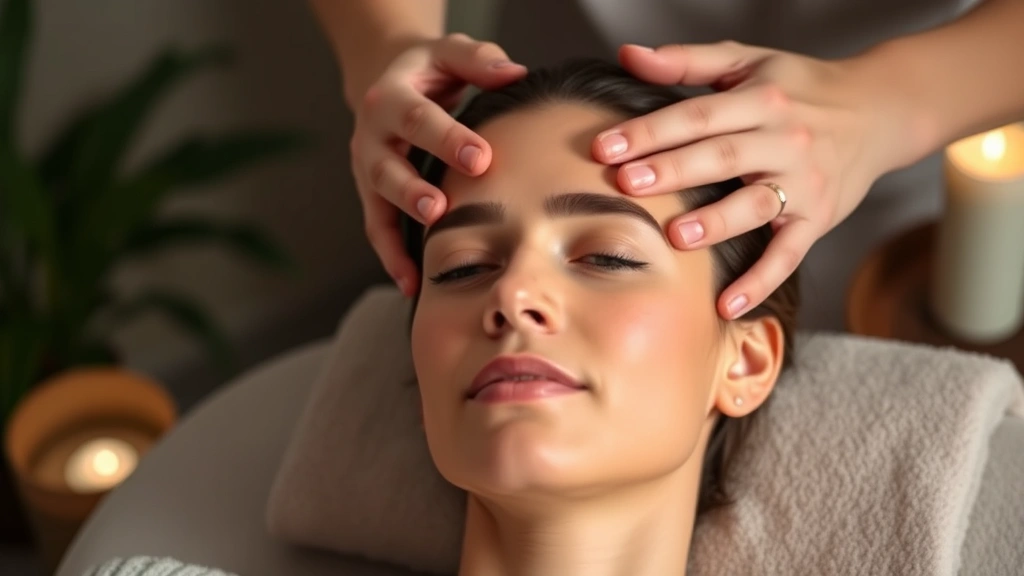
Topical application represents the most common method of using black seed oil for hair growth. The most effective approach involves massaging black seed oil directly into the scalp, focusing on areas experiencing thinning or loss. Gently massage the oil into your scalp using circular motions for 5-10 minutes, which simultaneously improves circulation and ensures thorough coverage. Leave the oil on your scalp for at least 30 minutes—overnight application is even more effective, though some people find this inconvenient.
For overnight treatments, apply black seed oil before bed and cover your pillow with a protective cloth to prevent staining. Wash your hair thoroughly the following morning using a gentle shampoo. This overnight application maximizes absorption and allows the oil’s active compounds to penetrate deeply into follicles and surrounding tissue.
Many people dilute black seed oil with carrier oils like coconut oil or jojoba oil before application. This dilution makes the product less greasy, easier to apply evenly, and reduces the risk of scalp irritation in sensitive individuals. A common ratio is one part black seed oil to two parts carrier oil, though you can adjust based on your scalp’s sensitivity and your preference for oil concentration.
For those interested in internal supplementation, capsules containing black seed oil are available commercially. Typical dosing ranges from 500-1000mg daily, though you should consult with a healthcare provider to determine the appropriate dose for your situation. Taking black seed oil internally provides systemic antioxidant and anti-inflammatory benefits that complement topical application.
Another effective application method involves mixing black seed oil into your regular conditioner. Add a few drops of black seed oil to your conditioner bottle, shake well to distribute evenly, and use as normal. This approach provides consistent exposure to black seed oil’s benefits during your regular hair care routine without requiring extra steps.
Potential Side Effects and Safety Considerations
Black seed oil is generally well-tolerated, but dermatologists recommend awareness of potential side effects. Some individuals experience scalp irritation, redness, or itching when applying black seed oil topically. This reaction typically indicates either sensitivity to black seed oil itself or a reaction to impurities in lower-quality products. If irritation occurs, discontinue use and consult with a dermatologist.
Allergic reactions to black seed oil are rare but possible, particularly in individuals with sensitivities to plants in the Ranunculaceae family. Before beginning black seed oil treatment, perform a patch test by applying a small amount to a discrete area of skin and waiting 24 hours to observe for any reaction.
Pregnant and nursing individuals should consult with healthcare providers before using black seed oil, as research on safety during pregnancy and lactation remains limited. Additionally, black seed oil may interact with certain medications, particularly blood thinners and diabetes medications. If you take prescription medications, discuss black seed oil use with your healthcare provider before beginning treatment.
Quality and purity concerns represent another important consideration. The black seed oil market includes numerous low-quality products that may contain contaminants, adulterants, or inadequate concentrations of active compounds. Purchasing from reputable suppliers who provide third-party testing certificates ensures you’re receiving a genuine, high-quality product.
Some individuals experience temporary increased shedding when beginning black seed oil treatment. This phenomenon, sometimes called “shedding phase,” occurs as damaged hairs exit the telogen phase more rapidly, making room for healthier new growth. This temporary increase typically resolves within 4-6 weeks as new healthy hairs emerge. Understanding this possibility helps you persist through the initial adjustment period rather than abandoning treatment prematurely.
FAQ
How long does it take to see results from black seed oil for hair growth?
Most people require 3-6 months of consistent use before noticing significant improvements in hair growth and density. Hair growth operates on a timeline measured in months, not weeks. Some individuals with mild hair concerns may see results within 8-12 weeks, while those with more significant hair loss typically need longer. Patience and consistency are essential—discontinuing treatment prematurely prevents you from experiencing the full benefits. Think of this like developing a growth life hub blog strategy; sustainable results require commitment over time.
Can black seed oil replace prescription hair loss treatments?
Dermatologists generally recommend viewing black seed oil as a complementary treatment rather than a replacement for prescription options like minoxidil (Rogaine) or finasteride (Propecia). For significant hair loss, prescription treatments often provide more dramatic results. However, black seed oil can enhance results when combined with these treatments and may be sufficient for those experiencing mild thinning or seeking preventative care. Consult with a dermatologist about the best approach for your specific situation.
Is black seed oil safe for all hair types?
Black seed oil benefits all hair types, though application methods may vary. Those with fine or thin hair may prefer diluting black seed oil with lighter carrier oils to avoid excessive greasiness. Individuals with dry, curly hair often benefit from undiluted black seed oil or mixing it with heavier carrier oils like coconut oil. People with oily scalps should use less frequent applications or more diluted preparations. Regardless of hair type, patch testing before full-scale application is wise.
Can black seed oil help with specific conditions like alopecia areata?
Research suggests black seed oil may benefit alopecia areata due to its immunomodulating properties, which could help normalize immune responses that attack hair follicles. However, the evidence is less robust for alopecia areata than for androgenetic alopecia. Individuals with alopecia areata should work closely with a dermatologist, as this condition often requires more aggressive medical treatment. Black seed oil can be a valuable complementary approach but shouldn’t replace prescribed medical care.
What’s the difference between black seed oil and nigella sativa oil?
These terms refer to the same product. “Black seed oil” is the common English name, while “Nigella sativa oil” is the botanical name for the plant from which the oil is extracted. Both terms describe the identical product, so you can use them interchangeably when shopping or researching.
Should I use black seed oil internally, topically, or both?
Research suggests that combining internal and topical application provides superior results compared to either method alone. Topical application delivers concentrated benefits directly to follicles and scalp tissue, while internal supplementation provides systemic antioxidant and anti-inflammatory benefits. Many dermatologists recommend both approaches for optimal results, though topical application alone can still provide significant benefits. If considering oral supplementation, consult with a healthcare provider about appropriate dosing.
How do I know if I’m purchasing high-quality black seed oil?
Look for cold-pressed, organic, third-party tested black seed oil from reputable suppliers. The oil should be dark in color with a slightly bitter smell—lighter colors or neutral smells may indicate lower quality or adulteration. Check for third-party testing certificates verifying the product’s purity and thymoquinone content. Reading customer reviews from verified purchasers provides insights into product quality and effectiveness. Premium black seed oil costs more than budget alternatives, but the superior quality and efficacy justify the investment.


