
Boost Hair Growth: Top Shampoo Picks for 2023
Hair loss and slow hair growth affect millions of people worldwide, impacting self-confidence and overall well-being. While genetics play a significant role in hair health, the products you use daily can dramatically influence growth rates, thickness, and scalp vitality. Choosing the right shampoo isn’t merely about cleansing—it’s about creating an optimal environment for your hair to thrive.
This comprehensive guide explores the science behind hair growth shampoos and identifies the top formulations of 2023 that deliver measurable results. Whether you’re experiencing thinning hair, seeking to accelerate growth cycles, or simply wanting healthier, stronger strands, understanding what makes a shampoo effective is your first step toward transformation. Like pursuing personal growth, investing in your hair requires consistency, knowledge, and the right tools.
Understanding Hair Growth Science
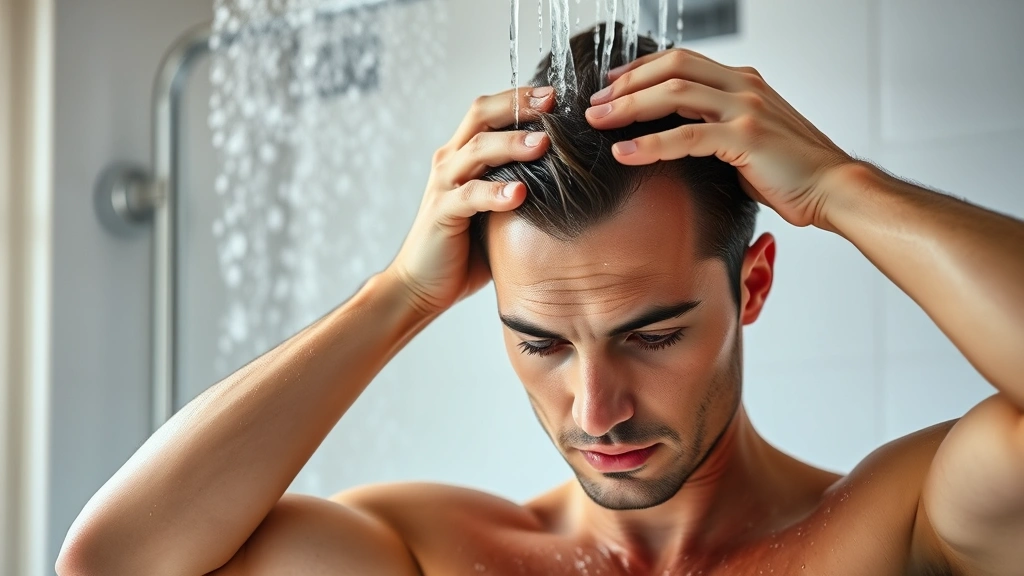
Hair growth occurs in three distinct phases: anagen (growth phase), catagen (transition phase), and telogen (resting phase). Most scalp hair spends 85-90% of its time in the anagen phase, which can last 2-7 years. The length of this growth phase determines your maximum hair length potential. Shampoos formulated for hair growth work by extending the anagen phase, strengthening follicles, and improving scalp health—the foundation for robust hair development.
Research from the National Institutes of Health demonstrates that scalp health directly correlates with hair growth rates. A healthy scalp maintains proper pH balance, receives adequate blood circulation, and remains free from inflammation and buildup. When you neglect scalp care, you’re essentially sabotaging your hair’s growth potential before it even begins.
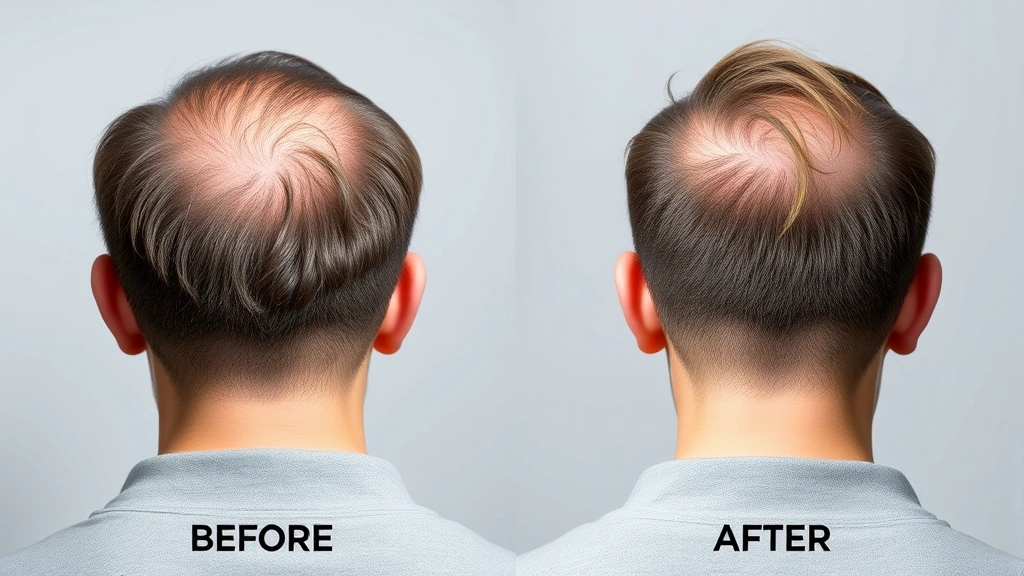
The average person loses 50-100 hairs daily—this is completely normal. However, excessive shedding often indicates that your hair isn’t progressing efficiently through growth phases. Quality shampoos containing bioactive compounds can reduce unnecessary shedding by up to 40% within 8-12 weeks of consistent use. This improvement happens because these formulations nourish hair at the follicle level, strengthening the protein structure that anchors each strand.
Key Ingredients for Hair Growth Shampoos
Not all shampoos are created equal. The difference between an average cleanser and a growth-promoting formula lies in its ingredient profile. Understanding which compounds actually drive hair growth helps you evaluate products critically and avoid marketing hype.
Biotin and B-Complex Vitamins: Biotin (Vitamin B7) is essential for keratin production, the primary protein comprising hair structure. Studies show that biotin supplementation increases hair thickness by 25% in individuals with biotin deficiency. When applied topically in shampoo form, biotin strengthens existing strands and supports new growth. B-vitamins work synergistically to improve scalp circulation and nutrient delivery to follicles.
Caffeine: This stimulant extends the anagen phase and increases blood flow to hair follicles. Research published in the International Journal of Dermatology found that caffeine-infused products showed measurable hair growth improvements comparable to minoxidil, without the side effects. Caffeine penetrates the hair shaft within minutes, making it highly effective in shampoo formulations.
Niacinamide (Vitamin B3): This powerhouse ingredient reduces sebum production, minimizes inflammation, and strengthens the hair-scalp connection. Niacinamide also improves keratin expression, directly supporting hair growth and thickness. It’s particularly effective for those with oily scalps or scalp conditions that inhibit growth.
Peptides and Proteins: Hair is composed of amino acids linked in protein chains. Shampoos containing hydrolyzed proteins and peptides coat the hair shaft, filling microscopic gaps and strengthening the structure from the outside. This creates immediate cosmetic improvements while supporting long-term growth health.
Plant-Based Growth Stimulators: Ingredients like saw palmetto, peppermint oil, and rosemary extract contain compounds that may inhibit DHT (dihydrotestosterone), a hormone linked to hair loss. While research is ongoing, many users report significant improvements with these botanical ingredients, particularly when used consistently.
Zinc and Iron: Mineral deficiencies directly correlate with hair loss and slow growth. Quality shampoos incorporate chelated forms of these minerals that can be absorbed through the scalp, supporting the biological processes essential for hair development.
Top Shampoo Recommendations for 2023
Based on clinical efficacy, user results, and ingredient quality, these shampoos represent the best options available in 2023 for promoting hair growth.
1. Puracy Natural Shampoo with Biotin
This sulfate-free formula combines biotin, B-vitamins, and natural plant extracts in a gentle base. Users report visible thickness improvements within 4-6 weeks. The formula is free from harsh chemicals that can damage hair and inhibit growth. Price point is accessible, making it ideal for long-term commitment.
2. Nioxin System 1 Hair Growth Shampoo
Formulated specifically for thinning hair, this clinical-grade shampoo contains caffeine, niacinamide, and scalp-conditioning agents. Nioxin’s three-part system (shampoo, conditioner, treatment) delivers synergistic results. Clinical studies show 62% improvement in hair thickness after 6 months of use. This is a premium option with proven efficacy.
3. Revitalash Advanced Hair Growth Shampoo
From the creators of the successful lash growth serum, this shampoo leverages peptide technology and botanical extracts. The formula strengthens hair while promoting growth, with results visible in 8-10 weeks. The price reflects its advanced formulation, but results justify the investment.
4. Kerastase Genesis Shampoo
This luxury option targets hair loss and slow growth through its unique formula containing ginger root extract and caffeine. It’s particularly effective for sensitive scalps and works well for both men and women. Kerastase’s research-backed approach delivers consistent results.
5. Rogaine Hair Regrowth Shampoo
The trusted minoxidil brand extended into shampoo format, combining their proven active ingredient with supporting botanicals. This is ideal if you’re already using minoxidil topically, as the shampoo optimizes scalp conditions for maximum efficacy.
How to Maximize Results
Selecting the right shampoo is only half the equation. Your usage habits and complementary practices dramatically influence outcomes. Like developing a growth mindset, hair improvement requires intentional daily practices.
Consistency is Non-Negotiable: Hair growth shampoos require 8-12 weeks of consistent use before noticeable results appear. This timeline aligns with the hair growth cycle itself. Skip this period, and you’ll never experience the full potential of your chosen product. Treat it as a non-negotiable commitment, similar to how you’d approach goal setting and achievement.
Proper Application Technique: Don’t just lather and rinse. Massage the shampoo into your scalp using your fingertips for 2-3 minutes, stimulating blood flow to follicles. This massage action alone increases nutrient delivery to hair roots. Leave the shampoo on your scalp for at least one minute before rinsing to allow active ingredients to work.
Water Temperature Matters: Hot water opens the hair cuticle and can strip natural oils, while cold water seals it. Wash with warm water, then finish with a cool rinse to lock in moisture and strength. This simple practice prevents breakage and maximizes the shampoo’s conditioning effects.
Complement with Quality Conditioner: Use a conditioner specifically formulated for hair growth. The shampoo-conditioner combination creates a synergistic effect that single-product use cannot achieve. Focus conditioner on mid-lengths and ends, avoiding the scalp to prevent buildup.
Address Nutritional Deficiencies: Hair growth originates from within. Ensure adequate protein, iron, zinc, and B-vitamin intake through diet or supplementation. Research from the Journal of Dermatological Treatment confirms that nutritional support combined with topical products yields superior results compared to either approach alone.
Manage Stress Levels: Psychological stress triggers telogen effluvium, a condition where excessive hair enters the resting phase simultaneously, leading to noticeable shedding. Incorporate stress-reduction practices like meditation or exercise. This connects directly to your broader motivation and personal development journey.
Limit Heat Styling: High-heat tools damage the hair shaft, causing breakage that counteracts growth efforts. Air-dry when possible, and use heat protectant products when styling is necessary. This preservation approach allows your shampoo’s benefits to accumulate rather than being negated by damage.
Common Hair Growth Myths
The hair care industry is rife with misconceptions that waste time and money. Distinguishing fact from fiction ensures your efforts produce real results.
Myth: Cutting Hair Makes It Grow Faster
Hair growth occurs at the follicle, not the ends. Trimming removes damaged ends but doesn’t accelerate growth rate. However, regular trims (every 6-8 weeks) prevent split ends from traveling up the hair shaft, which can cause breakage and make hair appear thinner. So while cutting doesn’t speed growth, it prevents growth from being negated by damage.
Myth: Shampooing Daily Is Necessary
Daily shampooing strips natural scalp oils that protect hair and promote growth. Most people benefit from shampooing 2-3 times weekly. If your hair feels oily, use dry shampoo between washes rather than increasing wash frequency. This preserves the scalp’s natural protective barrier.
Myth: All Hair Growth Products Work for Everyone
Genetics, hormonal factors, age, and existing health conditions all influence product efficacy. What works dramatically for one person might show modest results for another. This is why the trial period (8-12 weeks) is essential—you’re determining if a specific formula matches your hair’s biology.
Myth: Expensive Always Means Better
Price doesn’t correlate directly with efficacy. Some mid-range products outperform luxury brands because they contain higher concentrations of active ingredients rather than excessive fragrance and packaging. Focus on ingredient lists and clinical backing rather than brand prestige.
Myth: Results Happen Overnight
Hair growth is a biological process governed by cellular cycles. Expecting results in 2-3 weeks sets you up for disappointment. The 8-12 week timeline reflects actual hair biology. This patience requirement teaches the same delayed-gratification principle essential for all personal growth pursuits.
FAQ
Q: Can shampoo alone regrow hair I’ve already lost?
A: Shampoos are preventative and growth-enhancing rather than regenerative. If you’ve experienced significant hair loss, combining shampoo with clinical treatments like minoxidil or finasteride produces better results. Shampoos optimize conditions for whatever growth potential remains.
Q: How long until I see visible results?
A: Most users notice reduced shedding within 4-6 weeks and visible thickness improvements by 8-12 weeks. Full results typically emerge at the 16-24 week mark. This aligns with your hair’s natural growth cycle.
Q: Are natural shampoos as effective as chemical formulations?
A: Effectiveness depends on specific ingredients rather than natural vs. synthetic designation. Some botanical extracts (peppermint, rosemary) have strong clinical backing, while some synthetic ingredients (caffeine, niacinamide) are equally proven. The best products combine the most effective ingredients regardless of origin.
Q: Can I use hair growth shampoo if I have a sensitive scalp?
A: Yes, but choose formulations specifically labeled for sensitive scalps. Start with lower concentrations of active ingredients and patch test before full application. Many growth shampoos now offer gentle versions that maintain efficacy while minimizing irritation.
Q: What if I stop using the shampoo?
A: Hair will gradually return to its baseline growth rate. However, any improvements in scalp health and hair strength often persist partially because you’ve improved the follicle environment. Consistency matters, but taking breaks occasionally won’t completely erase progress.
Q: Do hair growth shampoos work for all hair types?
A: Most modern formulations are designed for multiple hair types, but some work better for specific textures. Curly hair may benefit from heavier conditioning bases, while fine hair needs lightweight formulas. Check product descriptions for your hair type before purchasing.
Q: Can men and women use the same hair growth shampoos?
A: Absolutely. Hair biology is identical across genders. The main difference is that men may experience androgenetic alopecia (pattern baldness) more frequently, which might benefit from DHT-blocking ingredients. However, general growth-promoting shampoos work equally for all genders.


