
Argan Oil for Hair Growth: Expert Insights and Science-Backed Benefits
Hair loss and thinning can significantly impact self-confidence and overall well-being. Whether you’re experiencing age-related hair loss, damage from styling, or simply seeking to enhance your hair’s natural vitality, the search for effective solutions often leads to natural remedies. Argan oil has emerged as one of the most celebrated natural treatments for hair health, with countless testimonials and growing scientific evidence supporting its effectiveness.
This comprehensive guide explores the relationship between argan oil and hair growth, examining the science behind this Moroccan treasure, practical application methods, and how it fits into a holistic approach to personal wellness. Just as personal growth requires consistent effort and the right tools, achieving healthier hair demands understanding what truly works.
What is Argan Oil and Where Does It Come From?
Argan oil is a precious oil extracted from the kernels of the argan tree (Argania spinosa), which grows exclusively in the arid regions of southwestern Morocco. For centuries, Moroccan women have used this golden liquid as a beauty staple, passing down knowledge of its remarkable properties through generations. The oil extraction process is labor-intensive and traditionally performed by hand, which contributes to its premium status in the global market.
The argan tree thrives in harsh desert conditions, developing deep root systems that allow it to survive with minimal water. This resilience is reflected in the oil’s composition—it’s naturally rich in nutrients and compounds that have adapted to protect plant tissue under extreme stress. When applied to human hair, these protective and nourishing properties translate into visible improvements in texture, strength, and growth potential.
Understanding where your argan oil comes from matters significantly. Authentic sources matter when investing in quality products, much like seeking reliable guidance on your goal-setting journey. Pure, cold-pressed argan oil offers superior benefits compared to refined or diluted versions.
The Science Behind Argan Oil and Hair Growth
Recent scientific research has validated what traditional users knew intuitively: argan oil possesses genuine hair-health benefits. A landmark study published in the Journal of Cosmetic Dermatology demonstrated that argan oil improved hair shine and reduced frizz significantly after just eight weeks of use. Additional research from Phytotherapy Research highlighted argan oil’s antioxidant and anti-inflammatory properties.
The mechanism by which argan oil promotes hair growth operates on multiple levels. First, it strengthens hair follicles by delivering essential nutrients directly to the scalp and hair shaft. Second, it creates an optimal environment for growth by reducing inflammation and improving scalp circulation. Third, it protects existing hair from damage, reducing breakage that can mask natural growth. This multi-faceted approach explains why users often report not just longer hair, but noticeably healthier hair overall.
Hair growth follows a natural cycle with distinct phases: anagen (growth), catagen (transition), and telogen (rest). Argan oil appears to extend the anagen phase while supporting healthier transitions between phases. This is why patience becomes essential—you’re not forcing rapid growth but rather optimizing your hair’s natural potential, much like how cultivating a growth mindset requires consistent, patient effort.
Key Nutrients That Promote Hair Health
Argan oil’s effectiveness stems from its impressive nutritional profile. Understanding these components helps explain why this oil works where others may fall short:
- Vitamin E: A powerful antioxidant that protects hair follicles from oxidative stress and free radical damage. Vitamin E also improves scalp blood circulation, ensuring nutrients reach hair roots efficiently.
- Linoleic and Oleic Acids: These essential fatty acids strengthen hair structure, reduce protein loss from the hair shaft, and improve moisture retention. They’re particularly beneficial for preventing breakage and split ends.
- Polyphenols and Carotenoids: These compounds possess anti-inflammatory properties that calm irritated scalps and create healthier environments for hair growth. They also protect against UV damage and environmental stressors.
- Squalene: A natural moisturizer that mimics the skin’s own sebum, helping to balance scalp oil production and prevent both dryness and excess greasiness.
- Sterols: Plant-based compounds that strengthen hair follicles and may help regulate hormones that influence hair loss patterns.
These nutrients work synergistically, which is why isolated treatments often underperform compared to whole argan oil. The combination creates a comprehensive treatment that addresses multiple aspects of hair health simultaneously.
How to Use Argan Oil for Maximum Hair Benefits
Proper application technique significantly impacts results. There’s no single correct method—instead, choose the approach that best fits your hair type and lifestyle:
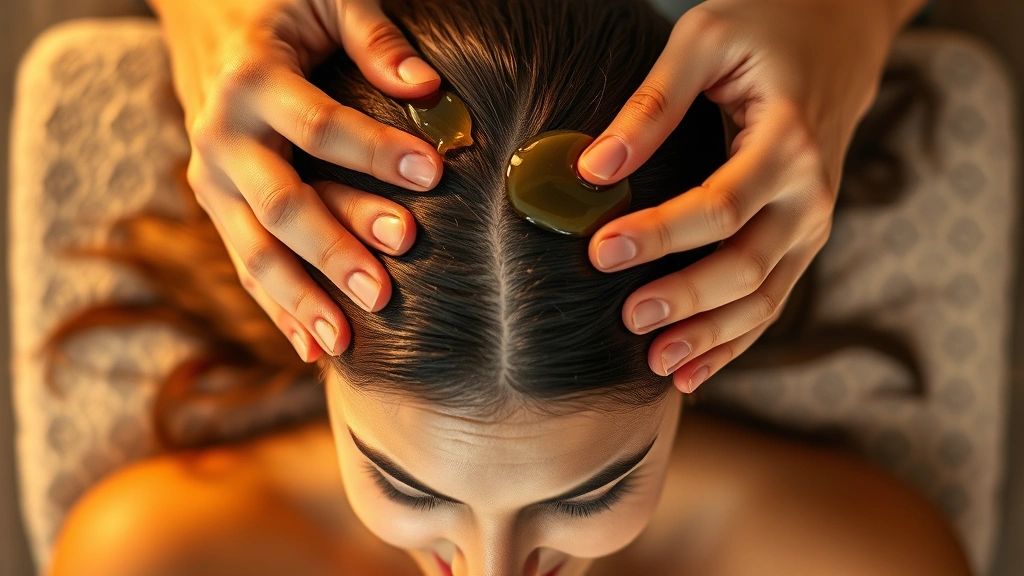
- Scalp Massage Treatment: Warm 1-2 tablespoons of argan oil and massage directly into your scalp using circular motions for 5-10 minutes. This increases blood flow to hair follicles. Leave on for at least 30 minutes (or overnight) before shampooing. Perform this treatment 2-3 times weekly for optimal results.
- Hair Shaft Application: Apply oil to the mid-lengths and ends of damp hair, focusing on areas prone to dryness or damage. This method works particularly well for preventing split ends and improving texture without weighing down the scalp.
- Leave-In Conditioner: Use a few drops on damp hair as a leave-in treatment. This lightweight approach suits fine hair and those preferring minimal residue.
- Deep Conditioning Mask: Mix argan oil with honey or yogurt to create a nourishing mask. Apply to hair and scalp, cover with a shower cap, and leave for 20-30 minutes before rinsing thoroughly.
- Pre-Shampoo Treatment: Apply oil generously 15-20 minutes before shampooing to protect hair from the potentially drying effects of cleansing products.
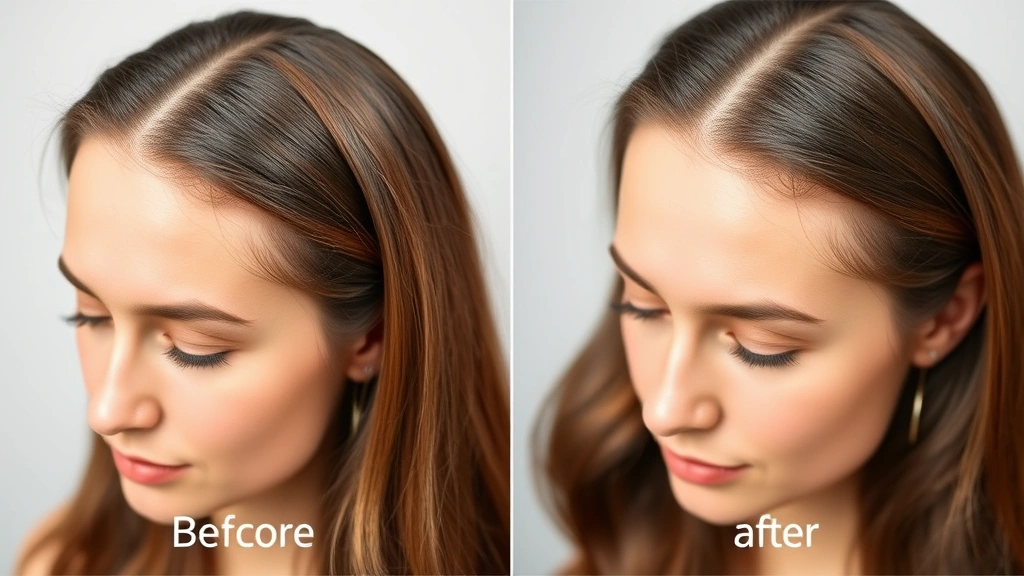
Consistency matters more than intensity. Using argan oil sporadically yields minimal results, but regular application—even in small amounts—produces cumulative benefits over weeks and months. Track your progress with photos taken in consistent lighting to notice improvements in shine, texture, and density.
Argan Oil vs. Other Hair Growth Solutions
The market offers numerous hair growth solutions, each with different mechanisms and evidence bases. Understanding how argan oil compares helps you make informed choices:
Argan Oil vs. Minoxidil (Rogaine): Minoxidil is FDA-approved for hair regrowth and shows measurable results in clinical trials. However, it requires ongoing use and may cause side effects. Argan oil works more gently, supporting natural growth processes rather than chemically stimulating follicles. Many people combine both approaches—using minoxidil for active regrowth while argan oil supports overall scalp and hair health.
Argan Oil vs. Hair Growth Supplements: Biotin, collagen, and other oral supplements work from within, supporting hair growth through nutrition. Argan oil works topically. The most effective approach often combines both: oral supplements provide systemic nutritional support while argan oil delivers concentrated nutrients directly to hair and scalp.
Argan Oil vs. Prescription Treatments: Finasteride (Propecia) addresses hormonal causes of hair loss by blocking DHT. Argan oil doesn’t influence hormones but creates optimal conditions for whatever growth your body naturally produces. These approaches target different mechanisms and can complement each other.
Argan Oil vs. Other Oils: Coconut oil, jojoba oil, and castor oil each offer benefits. Argan oil distinguishes itself through its exceptional nutrient density, particularly vitamin E and essential fatty acids. It’s also lighter than some alternatives, making it suitable for more hair types. However, individual responses vary—some people achieve better results with different oils.
The most honest assessment: argan oil is a powerful, natural, side-effect-free option that works best as part of a comprehensive hair health strategy. It’s not a miracle cure for severe hair loss, but it’s an excellent foundation for anyone seeking to optimize their hair’s natural potential.
Real Results: What to Expect and Timeline
Setting realistic expectations prevents disappointment and helps you assess whether argan oil is working for you. Here’s what typical users experience:
Weeks 1-2: You’ll likely notice improved softness and shine immediately. Hair feels more moisturized and manageable. However, these are primarily cosmetic improvements—the deeper work is just beginning.
Weeks 3-6: Breakage typically decreases noticeably. Hair that previously snapped off now stretches without breaking. Some users report reduced frizz and improved texture. These changes indicate that hair shaft strength is improving.
Weeks 7-12: New growth often becomes visible, particularly at the scalp where hair appears fuller and healthier. Existing hair continues strengthening. This is when many people become convinced of argan oil’s effectiveness.
Months 4-6: Cumulative improvements become undeniable. Hair length increases more noticeably because breakage has decreased substantially. Overall hair density often improves. Many users report that people comment on their hair looking healthier and fuller.
These timelines vary significantly based on individual factors: current hair health, genetics, age, overall nutrition, stress levels, and how consistently you use the oil. Someone with severely damaged hair might see dramatic improvements within weeks, while someone with healthy hair might notice more subtle changes. This mirrors how personal growth timelines vary based on individual circumstances and starting points.
Potential Side Effects and Safety Considerations
Argan oil is remarkably safe for most people, with minimal side effects. However, awareness of potential issues helps you use it optimally:
Scalp Sensitivity: Some people experience mild itching or redness when first using argan oil, particularly if they have very sensitive skin. This usually resolves within a few applications as skin adjusts. Starting with smaller amounts and patch-testing helps identify sensitivities early.
Buildup: Using too much oil or not rinsing thoroughly can lead to product buildup that makes hair look greasy and heavy. Using appropriate quantities and ensuring complete rinsing prevents this issue.
Allergic Reactions: True allergies to argan oil are rare but possible. If you have tree nut allergies, consult a dermatologist before use, though argan oil reactions are uncommon even in nut-allergic individuals.
Acne Concerns: Some people worry that scalp oil application will cause facial acne. This rarely occurs if you apply oil only to the scalp and hair, avoiding the face and forehead area.
Quality Issues: Impure or adulterated argan oil might contain contaminants. Purchasing from reputable sources that provide certifications and third-party testing ensures you’re getting genuine, pure product. This emphasis on quality and authenticity applies equally to seeking genuine personal growth resources rather than shortcuts or false promises.
Pregnant and nursing women can safely use argan oil topically. If you’re taking medications or have specific health conditions, consulting with a healthcare provider before starting any new treatment is prudent, though argan oil rarely interacts with medications.
Integrating Hair Care into Your Wellness Journey
Healthy hair reflects overall wellness. Argan oil works best as part of a comprehensive approach to health that addresses multiple factors:
Nutrition: Hair growth requires adequate protein, iron, zinc, and B vitamins. Eating a balanced diet rich in whole foods supports hair health from within. Consider that optimizing your hair health parallels setting and achieving meaningful goals—both require sustained attention to fundamentals.
Stress Management: Chronic stress elevates cortisol, which can trigger hair loss. Meditation, exercise, adequate sleep, and stress-reduction practices directly support hair health. The mind-body connection is powerful and well-documented in research from the American Psychological Association.
Scalp Health: A healthy scalp is the foundation for healthy hair. Beyond argan oil, consider gentle shampooing, avoiding excessive heat styling, regular scalp massage, and protecting hair from environmental damage. These practices create the optimal environment where argan oil can work most effectively.
Hydration: Drinking adequate water supports hair health systemically. Proper hydration helps nutrients reach hair follicles and supports the body’s natural detoxification and regeneration processes.
Sleep Quality: During sleep, your body prioritizes repair and regeneration, including hair follicle renewal. Prioritizing 7-9 hours of quality sleep supports hair growth significantly. Research from the National Sleep Foundation consistently demonstrates sleep’s importance for physical health.
Gentle Hair Practices: Minimize heat styling, avoid tight hairstyles that create tension, use silk pillowcases to reduce friction, and treat hair gently when wet. These practices work synergistically with argan oil to maximize results.
Viewing hair care as part of broader self-care and personal development creates sustainable habits. You’re not just applying oil—you’re committing to comprehensive wellness that benefits your entire being.
FAQ
How long does it take for argan oil to show results on hair growth?
Most people notice improvements in hair texture and shine within 1-2 weeks. Visible hair growth improvements typically appear within 6-8 weeks of consistent use. Complete transformation may take 3-6 months, depending on starting hair condition and individual factors.
Can argan oil help with male pattern baldness?
Argan oil supports overall hair health and may help slow hair loss by strengthening existing hair and improving scalp health. However, it doesn’t directly address the hormonal factors driving male pattern baldness. Combining argan oil with treatments like minoxidil or finasteride offers a more comprehensive approach.
Is pure argan oil better than argan oil products?
Pure, cold-pressed argan oil is ideal for maximum nutrient content. However, quality argan oil hair products formulated with argan oil as a primary ingredient can also be effective. Check ingredient lists and choose products from reputable brands. Avoid products where argan oil appears far down the ingredient list.
Can I use argan oil if I have oily hair?
Yes, but use it strategically. Apply argan oil primarily to the mid-lengths and ends of hair, avoiding the scalp if your scalp is naturally oily. Alternatively, use smaller amounts on the scalp or apply less frequently. Argan oil’s lightweight nature makes it suitable for most hair types when used appropriately.
How much argan oil should I use?
For scalp treatments, 1-2 tablespoons is typical. For hair shaft application, 2-5 drops (depending on hair thickness and length) usually suffices. Start with small amounts and adjust based on results. Too much oil leads to buildup; too little may not deliver full benefits.
Can argan oil replace my regular conditioner?
Argan oil complements rather than replaces traditional conditioner. Use it as an additional treatment 2-3 times weekly while maintaining your regular hair care routine. This layered approach provides comprehensive benefits.
Is argan oil safe for colored or chemically treated hair?
Absolutely. Argan oil is particularly beneficial for colored or chemically treated hair, as these processes damage hair structure. Argan oil’s nutrients help repair damage and extend color vibrancy. It’s one of the safest options for compromised hair.
What’s the difference between food-grade and cosmetic argan oil?
Food-grade argan oil is processed for culinary use, while cosmetic argan oil is processed for skin and hair application. Both are safe for topical use on hair. Cosmetic-grade is often more refined and may be formulated specifically for beauty applications. For hair care, either works, though cosmetic-grade is typically preferred.


