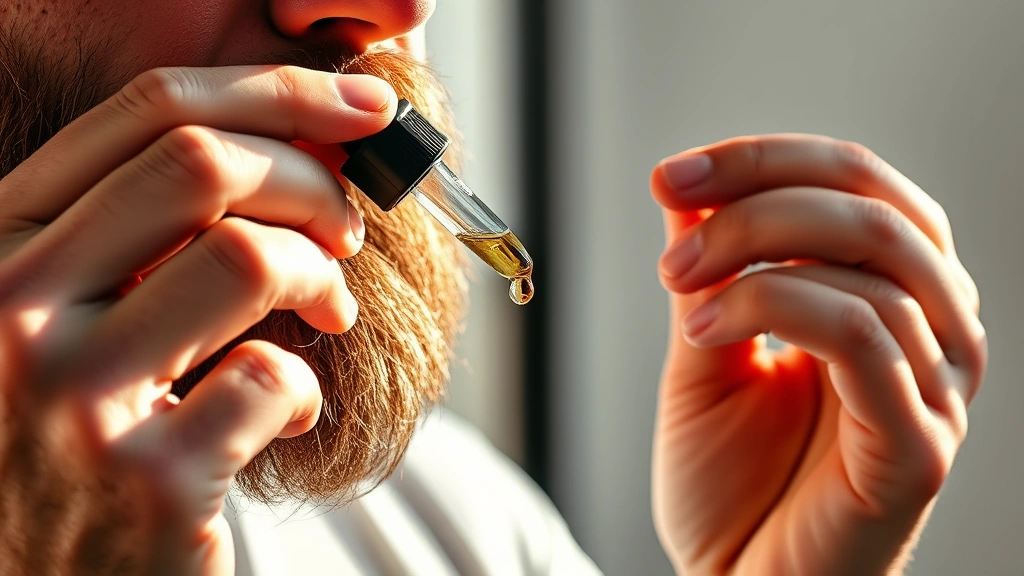
Beard Oil Benefits: Dermatologist Insights on Growth and Health
Growing a healthy, robust beard requires more than patience—it demands proper nourishment and care from the inside out. While genetics play a significant role in beard growth potential, the external environment and skincare regimen you establish can dramatically influence the thickness, texture, and overall health of your facial hair. Beard oil has emerged as a cornerstone product in men’s grooming, backed by dermatological research and endorsed by skin specialists worldwide.
The journey to a magnificent beard begins with understanding how your skin and hair follicles function together. Your beard doesn’t exist in isolation; it’s deeply rooted in the dermal layer of your skin, drawing nutrients and moisture from the underlying tissue. When you neglect this crucial ecosystem, you risk stunted growth, itchiness, beardruff (beard dandruff), and brittle hair that breaks easily. This comprehensive guide explores the science behind beard oil, its proven benefits, and how to integrate it into your personal growth routine for optimal results.
Understanding Beard Growth Biology
Your beard grows from hair follicles embedded in the dermis, the layer of skin beneath the epidermis. These follicles are sensitive to hormones, particularly dihydrotestosterone (DHT), and require consistent nourishment to produce strong, healthy strands. The average beard hair grows approximately half an inch per month, but this rate varies significantly based on genetics, age, nutrition, and skincare practices.
According to research published in the National Center for Biotechnology Information, proper moisturization of the skin beneath your beard is essential for preventing follicle damage and promoting consistent growth cycles. When the skin becomes dry and irritated, it triggers inflammation that can disrupt the anagen phase (active growth phase) of your hair cycle, causing premature shedding and slower regrowth.
The skin on your face produces sebum naturally, but this production often doesn’t extend far enough down the beard hair shaft, especially as your beard grows longer. This creates a moisture deficit that beard oil addresses directly.
Key Benefits of Beard Oil
Promotes Faster, Healthier Growth
Beard oil to promote growth works by creating an optimal environment for follicle function. When you nourish the skin and hair with quality oils, you reduce inflammation, improve blood circulation, and provide essential nutrients that support the hair growth cycle. Studies show that men using beard oil consistently report thicker, fuller beards within 8-12 weeks of regular application.
Eliminates Itching and Irritation
One of the most common complaints during the early beard-growing phase is itchiness. This occurs because short, freshly-cut beard hairs have sharp edges that irritate the skin. Additionally, the skin beneath becomes dry as it adjusts to supporting longer hair. Beard oil soothes this irritation by moisturizing both the hair and skin, making the growing-in phase significantly more comfortable. This comfort factor alone encourages men to persist through the awkward phase rather than shaving it off prematurely.
Prevents Beardruff and Flaking
Beardruff results from dry skin beneath the beard—essentially dandruff specific to facial hair. Dermatologists consistently recommend beard oil as the first line of defense against this condition. The oils penetrate the skin, restoring moisture balance and preventing the flaking that can be both unsightly and uncomfortable. Unlike medicated shampoos that may be too harsh for facial skin, beard oil offers a gentle, natural solution.
Improves Beard Texture and Shine
Quality beard oil doesn’t just affect growth—it transforms the appearance and feel of your existing beard. It reduces frizz, adds natural shine, and makes your beard softer and more manageable. This aesthetic improvement provides immediate motivation as you work toward your longer-term growth goals, connecting to the growth mindset philosophy of celebrating progress.
Reduces Ingrown Hairs
Ingrown hairs can plague men trying to grow thicker beards. Beard oil keeps the skin supple and the hair properly moisturized, reducing the likelihood that hairs will curl back and embed themselves in the skin. This prevention is crucial for maintaining consistent growth without painful interruptions.
Dermatologist-Recommended Ingredients
Not all beard oils are created equal. Dermatologists recommend looking for specific ingredients backed by scientific research:
Jojoba Oil
Jojoba oil is remarkably similar in composition to human sebum, making it the gold standard for beard care. It absorbs quickly without leaving a greasy residue and provides deep moisturization. Dermatological studies confirm jojoba oil’s effectiveness in improving skin barrier function and reducing moisture loss.
Argan Oil
Rich in vitamin E and fatty acids, argan oil nourishes both the hair shaft and underlying skin. It’s particularly effective for men with coarse or curly beards, as it adds shine and reduces frizz while promoting growth.
Coconut Oil
Coconut oil possesses natural antimicrobial properties and penetrates the hair shaft effectively. However, dermatologists note it can be comedogenic for some skin types, so it works best when combined with lighter oils rather than used alone.
Castor Oil
Historically used for hair growth, castor oil contains ricinoleic acid and omega-6 fatty acids that improve blood circulation to hair follicles. Many dermatologists recommend castor oil as a key component in beard growth formulations.
Vitamin E
This powerful antioxidant protects hair follicles from oxidative stress and supports healthy cell function. Beard oils enriched with vitamin E show superior results in promoting growth and preventing breakage.
Essential Oils (Cedarwood, Peppermint)
While not nutritive themselves, certain essential oils improve blood circulation to the scalp and beard area. Cedarwood and peppermint oils are commonly included in beard growth formulations and have supporting research for their circulatory benefits.
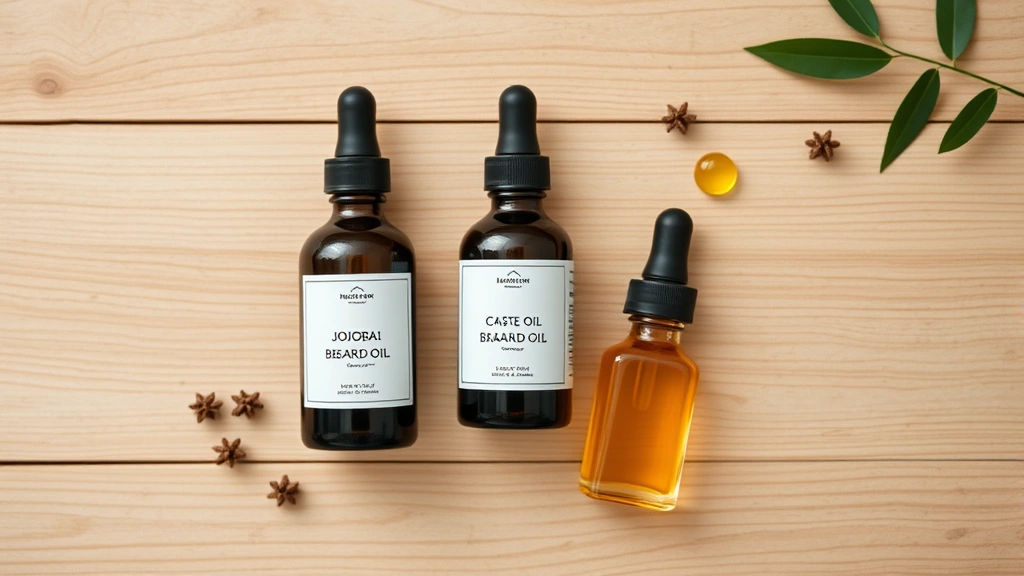
How to Use Beard Oil Effectively
Simply applying beard oil randomly won’t maximize results. Dermatologists recommend a strategic approach to integration into your daily routine:
- Cleanse First: Use a gentle beard wash or regular shampoo to remove dirt and debris. This ensures the oil can penetrate properly without being blocked by surface impurities.
- Apply to Damp Beard: The ideal time to apply beard oil is when your beard is still slightly damp after washing. Damp hair has open cuticles that absorb the oil more effectively than completely dry hair.
- Use the Right Amount: Start with 3-5 drops for shorter beards, increasing to 8-10 drops for longer, fuller beards. More isn’t better—excess oil can make your beard look greasy and attract dirt.
- Distribute Evenly: Rub the oil between your palms, then work it through your beard from the roots to the tips. Use a beard comb to ensure even distribution and to train your beard to grow in the desired direction.
- Consistency is Key: Apply beard oil daily, preferably twice daily (morning and night) for optimal results. Consistency matters more than quantity when promoting growth.
- Complement with Other Practices: Combine beard oil use with proper nutrition, adequate sleep, and stress management. Your personal growth journey includes physical wellness that supports healthy hair growth.
The timing of application matters significantly. Many men find that applying beard oil before bed allows it to work overnight, with the oil fully absorbed by morning. Morning application provides immediate softness and manageability throughout the day.

Beard Oil vs Other Growth Products
The market offers numerous beard growth solutions. Understanding how beard oil compares helps you make informed decisions about your grooming strategy.
Beard Oil vs Beard Balm
Beard balm contains waxes and butters alongside oils, providing more hold and styling capability. However, balms can be heavier and may clog pores if used excessively. Beard oil is lighter and better for pure nourishment and growth promotion. Many men use both: oil for growth and daily nourishment, balm for styling when needed.
Beard Oil vs Hair Growth Serum
While hair growth serums often contain active ingredients like minoxidil, beard oil works through nourishment and environmental optimization rather than pharmaceutical intervention. Beard oil is gentler and can be used indefinitely without side effects, making it ideal for long-term beard maintenance.
Beard Oil vs Beard Shampoo
Shampoo cleanses; beard oil nourishes. Both are essential. Regular shampoo removes dirt and excess sebum, while beard oil replenishes moisture and nutrients. Using quality beard shampoo (which is gentler than regular shampoo) followed by beard oil creates the optimal beard care routine.
Beard Oil vs Minoxidil
Minoxidil (Rogaine) is a pharmaceutical treatment that can promote growth but requires medical supervision and may have side effects. Beard oil is a natural alternative with no known adverse effects. For most men seeking to optimize beard growth, beard oil is the logical first step before considering pharmaceutical options.
Real Results: Timeline and Expectations
Understanding realistic timelines prevents disappointment and maintains motivation. Beard growth follows predictable patterns:
Weeks 1-2: The Foundation Phase
You’ll notice immediate improvements in comfort and appearance. Itching decreases, your beard feels softer, and you’ll see enhanced shine. These early wins provide psychological motivation to continue your routine.
Weeks 3-4: The Transition Phase
By week four, your beard begins looking noticeably healthier. The hairs appear thicker and stronger. You may notice less breakage when combing. This is when many men decide to stop trimming and let their beards grow fully.
Weeks 5-8: The Growth Acceleration Phase
Consistent beard oil use begins showing measurable growth increases. Your beard grows fuller and more evenly. Areas that previously seemed sparse may fill in as healthier growth patterns establish themselves. This phase is crucial—maintain your routine religiously.
Weeks 9-12: The Transformation Phase
By three months of consistent beard oil use, most men report significant improvements in beard thickness, length, and overall appearance. The transformation can be dramatic for men who struggled with thin or patchy beards previously. This milestone connects to goal-setting principles—you’ve achieved a concrete, visible result through consistent effort.
Months 4-6: The Maintenance Phase
Growth continues at a steady pace. Your beard reaches its full genetic potential as the healthier growth environment you’ve created allows follicles to function optimally. Maintenance becomes easier as your beard becomes established and requires less intensive care.
Individual results vary based on genetics, age, overall health, and consistency. However, the vast majority of men using quality beard oil consistently report noticeable improvements within 8-12 weeks. The comprehensive approach to personal development includes physical self-care, and beard maintenance is an underrated aspect of this journey.
FAQ
Can beard oil actually make my beard grow faster?
Beard oil doesn’t alter your genetic growth rate directly, but it creates optimal conditions for your follicles to function at their peak capacity. By reducing inflammation, preventing hair breakage, and nourishing the follicles, beard oil allows your beard to reach its natural growth potential. For many men, this results in measurably faster apparent growth within 8-12 weeks.
Is beard oil safe for sensitive skin?
Quality beard oils are generally safe for sensitive skin, especially those formulated with hypoallergenic ingredients. However, always patch-test first by applying a small amount to your inner arm and waiting 24 hours. If you have diagnosed skin conditions like eczema or psoriasis, consult your dermatologist before introducing new products. Start with lighter oils like jojoba rather than heavier options like coconut oil.
How often should I apply beard oil?
Daily application is ideal for promoting growth and maintaining beard health. Many men apply beard oil twice daily—once in the morning after showering and once before bed. If your skin is particularly oily, once daily may suffice. Consistency matters more than frequency; daily application of small amounts outperforms sporadic heavy application.
Can I use regular hair oil on my beard?
While some regular hair oils may work, beard-specific oils are formulated for facial skin, which is more delicate and sensitive than scalp skin. Regular hair oils may be too heavy or contain ingredients unsuitable for facial skin. Additionally, beard oil formulations typically include ingredients specifically chosen for growth promotion and the unique needs of facial hair. Invest in quality beard oil rather than substituting with regular hair products.
What’s the best beard oil for curly or coily beards?
Curly and coily beards benefit from lighter oils that won’t weigh them down. Jojoba oil and argan oil work best for these beard types. Avoid heavy oils like coconut oil alone, as they can make curly beards look limp. Consider beard oils specifically formulated for textured hair, which typically combine lighter oils with ingredients that enhance curl definition while promoting growth.
Will beard oil stain my pillow?
Quality beard oils absorb fully when applied correctly and in appropriate amounts. If you’re experiencing staining, you’re likely using too much oil. Start with smaller amounts and allow 15-20 minutes for absorption before lying down. Applying beard oil at least an hour before bed gives it time to absorb completely. If staining persists, reduce the amount you’re using or switch to a lighter oil formulation.
Can women use beard oil?
Absolutely. Women can use beard oil on any facial or body hair they’re growing, or simply as a general facial moisturizer. The nourishing ingredients benefit all skin types. Some women use beard oil specifically for eyebrow growth, finding the results comparable to expensive eyebrow serums at a fraction of the cost.
Is expensive beard oil better than budget options?
Price doesn’t always correlate with quality. What matters is the ingredient list and formulation. A $15 beard oil with high-quality, pure ingredients will outperform a $50 product with fillers and synthetic fragrances. Read ingredient lists carefully, look for oils listed as the primary components, and choose products without synthetic fragrances if you have sensitive skin. Many excellent beard oils fall in the $15-30 range.


