Grow Artichokes: Expert Tips for Success
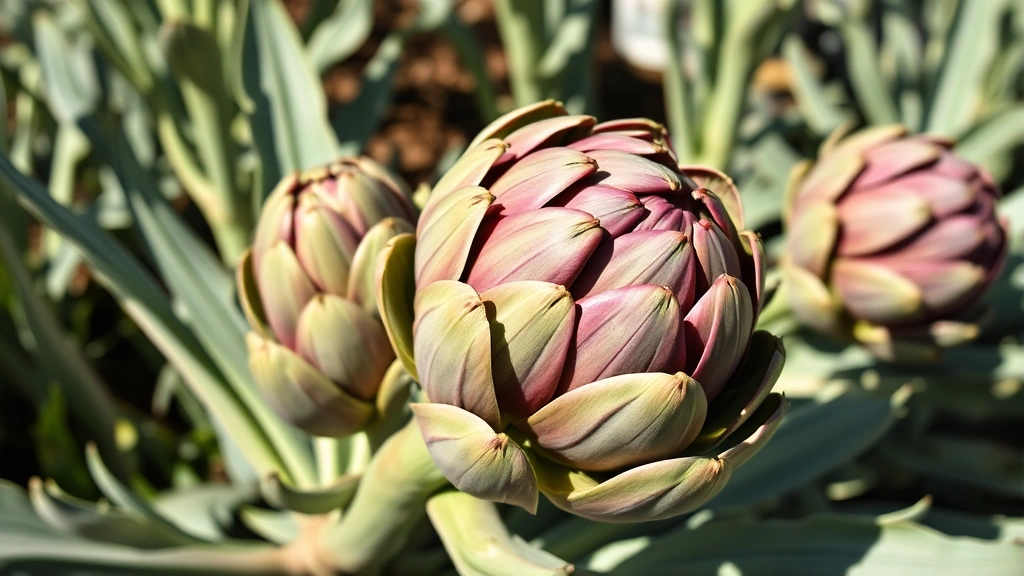
Growing artichokes is more than just a gardening hobby—it’s a transformative journey that teaches patience, resilience, and the rewards of dedicated effort. Like personal growth, cultivating artichokes requires understanding the fundamentals, committing to consistent action, and adapting your approach based on results. These magnificent thistle plants, with their impressive purple-green heads, represent the perfect metaphor for self-improvement: they demand attention, proper conditions, and time to flourish into their full potential.
Whether you’re a seasoned gardener or someone just beginning to explore growth strategies in your life, artichoke cultivation offers practical lessons in goal-setting and persistence. The process of growing artichokes from seed to harvest mirrors the personal development journey—both require planning, resource management, and the ability to overcome obstacles. This comprehensive guide will equip you with expert knowledge to achieve remarkable artichoke growth in your garden.

Understanding Artichoke Basics and Growth Requirements
Artichokes are perennial plants that thrive in specific climate conditions, and understanding these requirements is the foundation of successful cultivation. Native to the Mediterranean region, artichokes prefer cool to mild temperatures, typically between 55-75°F (13-24°C). These plants are remarkably resilient, but they do demand consistency—much like how increasing motivation requires consistent daily practices and environmental support.
The artichoke plant grows as a large perennial shrub, reaching heights of 3-4 feet, with silvery-green deeply lobed leaves that create an architectural presence in any garden. The edible portion—the flower bud—develops at the terminus of stems and consists of tightly packed bracts surrounding the tender heart. Understanding this growth pattern helps you anticipate the plant’s needs throughout its lifecycle.
Artichokes require full sun exposure, ideally 6-8 hours daily, to develop the robust growth necessary for quality bud production. The plant’s energy demands are significant, and inadequate sunlight directly correlates with reduced yields. Additionally, artichokes demonstrate moderate frost tolerance, with mature plants surviving temperatures down to 20°F (-7°C), though young plants require protection. This hardiness makes them suitable for various growing zones, from USDA zones 7-11 for perennial cultivation, with zones 3-6 requiring annual replanting or specialized winter protection strategies.
According to ResearchGate horticultural studies, artichoke productivity peaks when plants experience optimal vernalization—exposure to cool temperatures during their development phase. This scientific understanding allows gardeners to manipulate growing conditions strategically, much like how adopting a growth mindset allows individuals to strategically develop their capabilities.
Soil Preparation and Foundation Building
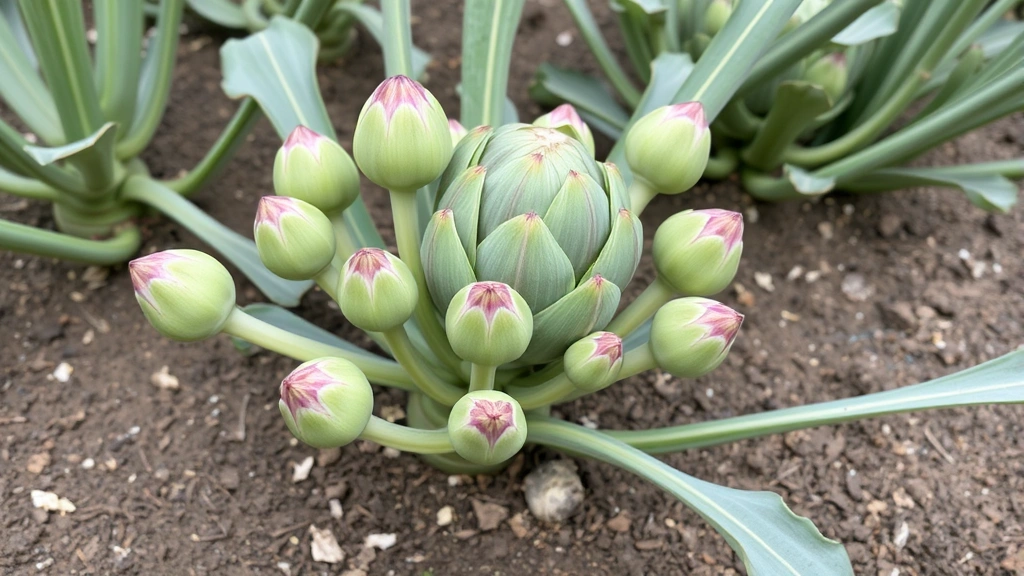
The foundation of successful artichoke growth lies in meticulous soil preparation. Artichokes are heavy feeders that require nutrient-rich, well-draining soil with a pH between 6.0-7.5. Poor soil conditions directly impede growth, making proper preparation essential before planting season arrives.
Begin by conducting a comprehensive soil test through your local agricultural extension office. This analysis reveals nutrient levels, pH balance, and organic matter content—critical data for informed amendments. Artichokes demand substantial organic matter; incorporate 3-4 inches of compost or well-aged manure into the top 12 inches of soil before planting. This enrichment improves soil structure, water retention, and microbial activity that supports nutrient availability.
For clay-heavy soils, add coarse sand or perlite to enhance drainage—artichokes cannot tolerate waterlogged conditions, which promote root rot and fungal diseases. Conversely, sandy soils require additional compost to increase water retention capacity. The ideal artichoke soil is a balanced loam with abundant organic matter, creating an environment where roots can penetrate deeply and access consistent moisture and nutrients.
Raised bed cultivation offers an excellent alternative, particularly in regions with challenging native soils. A raised bed measuring 4 feet wide and 18-24 inches deep, filled with high-quality garden soil blended with compost, provides optimal growing conditions. This approach gives you complete control over soil composition and drainage, eliminating variables that could compromise artichoke growth.
Planting and Early Growth Stages
Artichokes can be propagated through seeds, crowns (root divisions), or transplants, each method offering distinct advantages. Seed propagation requires 8-10 weeks of indoor starting before transplanting, allowing you to manage the vernalization process essential for flowering. Crown propagation, using divisions from established plants, produces faster maturity and identical genetics to parent plants—a reliable method for maximizing productive output.
Transplant timing is crucial: in cooler climates, establish plants in spring after frost danger passes, targeting 60-70°F soil temperatures. In mild Mediterranean climates, fall planting (August-September) allows plants to establish strong root systems during winter, resulting in superior spring production. This strategic timing demonstrates how understanding environmental cycles—similar to understanding personal rhythms and productivity patterns—enhances outcomes significantly.
Space plants 3-4 feet apart in rows, allowing adequate air circulation and reducing disease pressure. Initial spacing may seem excessive, but mature artichoke plants develop substantial canopies, and crowding creates microclimate conditions favoring fungal infections. Proper spacing reflects the principle that individual development flourishes within adequate resources and boundaries.
The first growing season focuses on vegetative development rather than bud production. Encourage strong root establishment and foliage growth through consistent watering and moderate fertilization. Young plants benefit from mulching with 2-3 inches of organic material, which regulates soil temperature, conserves moisture, and suppresses competitive weeds that would stress developing plants.
Watering, Nutrition, and Maintenance
Consistent moisture management is fundamental to artichoke success. These plants require approximately 1-1.5 inches of water weekly during the growing season, delivered through deep irrigation rather than frequent shallow watering. Deep watering encourages robust root development, creating drought-resilient plants capable of accessing soil moisture reserves during dry periods.
Drip irrigation systems optimize water delivery, maintaining consistent soil moisture while minimizing foliar wetness that promotes fungal diseases. Mulching conserves soil moisture and moderates temperature fluctuations, protecting roots from stress. Monitor soil moisture 3-4 inches deep; the soil should feel moist but not waterlogged. Overwatering is a primary cause of artichoke failure, particularly in poorly draining soils.
Nutritional requirements escalate as plants mature and begin bud production. Apply balanced fertilizer (10-10-10 NPK) monthly during the growing season, or use organic alternatives like fish emulsion and kelp extracts. As buds develop, increase phosphorus and potassium to support flowering and quality. Deficiency symptoms manifest as stunted growth, yellowing foliage, or reduced bud size—signals to adjust feeding programs immediately.
Pruning strategies enhance productivity significantly. Remove lower leaves as plants mature, improving air circulation and reducing disease incidence. When the primary central bud reaches 3-4 inches diameter, pinch off secondary buds below it—this concentrates plant energy into the primary head, producing larger, higher-quality artichokes. After harvesting the central bud, side shoots develop, creating subsequent harvests throughout the season.
Research from ScienceDirect agricultural journals demonstrates that strategic pruning increases total yield by 20-30% compared to unpruned plants. This evidence-based approach mirrors how strategic effort allocation—rather than unfocused activity—drives superior personal growth outcomes.
Managing Pests and Environmental Challenges
Artichokes face several pest and disease pressures that, if unmanaged, severely compromise growth and productivity. The artichoke plume moth larva burrows into buds, rendering them unmarketable; monitor for small entrance holes and implement preventive spraying with spinosad-based organic insecticides when moths appear. Timing applications correctly—targeting egg-laying periods—maximizes effectiveness while minimizing environmental impact.
Spider mites thrive in hot, dry conditions, causing stippled, yellowing foliage and significant plant stress. Increase humidity through consistent watering and misting; spider mites rarely establish in properly hydrated plants. Powdery mildew, a fungal disease common in cool, humid conditions, appears as white coating on leaves. Improve air circulation through pruning and spacing, and apply sulfur-based fungicides at disease onset.
Bacterial crown rot represents the most serious disease threat, typically entering through damaged roots or waterlogged soil conditions. Prevention through excellent drainage, avoiding root injury during cultivation, and crop rotation is far more effective than treatment. Remove and destroy affected plants immediately to prevent pathogen spread to healthy specimens.
Environmental stresses—extreme heat, drought, or unexpected frosts—challenge even well-maintained plants. Provide shade cloth (30-50% shade) during intense summer heat in regions exceeding 85°F regularly. Mulching protects roots from temperature extremes, while consistent watering maintains plant resilience. In frost-prone areas, cover plants with frost cloth when temperatures drop below 32°F, protecting developing buds and foliage from ice damage.
Harvesting and Maximizing Your Yield
Artichoke harvest timing directly impacts quality and flavor. Buds should be harvested when they reach 3-5 inches diameter, before bracts begin separating—this indicates peak tenderness and optimal eating quality. Cut buds with 1-2 inches of stem attached, using sharp pruning shears to avoid damaging remaining plant tissue. Morning harvest, when plants are fully hydrated, yields the most tender, flavorful buds.
The primary bud typically develops 60-90 days after planting transplants, depending on variety and growing conditions. After harvesting the central bud, side shoots emerge from leaf axils, producing secondary and tertiary buds throughout the season. These subsequent buds are smaller but equally delicious, extending harvest periods from several weeks to several months in favorable climates.
Peak production occurs during the plant’s second and third growing seasons, once the perennial root system fully establishes. Mature plants produce 8-12 buds per season in optimal conditions, though individual plants vary based on genetics, growing conditions, and management practices. This escalating productivity mirrors how sustained effort yields compounding returns—initial investments in proper establishment create years of abundant harvests.
Storage preservation extends artichoke enjoyment beyond immediate use. Fresh buds maintain quality for 5-7 days when refrigerated in plastic bags at 35-40°F. For longer storage, blanch buds briefly, cool in ice water, and freeze in airtight containers for up to 8 months. This preservation approach demonstrates how strategic planning—applying effort when production peaks—creates abundance that sustains you through less productive periods.
End-of-season plant management prepares artichokes for subsequent years. In perennial-growing regions, cut plants back to 12 inches after the final frost, removing all dead foliage. Apply 2-3 inches of compost around plant bases, enriching soil for next season. In annual-growing regions, remove spent plants and incorporate them into compost piles, recycling their nutrients for future garden beds.
FAQ
How long does it take for artichokes to grow from seed?
Artichokes require 8-10 weeks of indoor seed starting before transplanting, with buds typically developing 60-90 days after transplanting outdoors. Total time from seed to first harvest is approximately 5-6 months under optimal conditions. This extended timeline emphasizes patience—a core principle in both gardening and personal development, where meaningful growth requires sustained commitment beyond immediate gratification.
Can artichokes grow in containers?
Yes, artichokes thrive in containers measuring at least 18-20 inches deep with excellent drainage. Use high-quality potting soil enriched with compost, and ensure consistent watering since container-grown plants dry more rapidly than in-ground specimens. Container cultivation offers flexibility, particularly in climates requiring winter protection—simply move containers to sheltered locations during harsh weather.
What varieties produce the best yields?
‘Green Globe’ remains the most widely cultivated variety, valued for reliability and consistent bud quality. ‘Violetta di Chioggia’ produces stunning purple buds and thrives in Mediterranean climates. ‘Taiga’ offers cold hardiness suitable for northern regions. Select varieties based on your climate zone and intended use—fresh market or processing—to optimize productivity.
How often should I fertilize artichokes?
Apply balanced fertilizer monthly during the growing season, increasing to every 3-4 weeks once buds develop. Organic gardeners benefit from compost top-dressing every 6-8 weeks, providing slow-release nutrition. Monitor plant appearance for nutrient deficiency symptoms—stunted growth, yellowing, or reduced bud size—and adjust feeding accordingly.
Why are my artichoke buds small?
Undersized buds typically result from insufficient water, inadequate nutrition, crowding, or excessive heat stress. Ensure consistent deep watering, implement monthly fertilization, space plants adequately for air circulation, and provide afternoon shade in regions exceeding 85°F. Additionally, harvesting the primary bud before secondary buds develop concentrates plant energy, producing larger subsequent heads.
Can I grow artichokes year-round?
In Mediterranean and mild subtropical climates (zones 8-11), artichokes produce year-round with proper management. In colder regions, plants enter dormancy during winter but resume productivity in spring. Annual replanting from transplants or crowns is necessary in zones 3-7, where perennial overwintering is not viable without specialized protection strategies.


