Elbow Growth Plate: Expert Insights & Tips for Optimal Development
The elbow growth plate represents a critical phase in musculoskeletal development, particularly during adolescence and young adulthood. Understanding how this anatomical structure functions and how to protect it during physical activity can significantly impact long-term athletic performance and joint health. Whether you’re an athlete, parent, or fitness enthusiast, knowledge about elbow growth plates is essential for making informed decisions about training intensity and recovery protocols.
Growth plates, also known as physes, are specialized areas of cartilage located near the ends of bones. In the elbow, multiple growth plates work in coordination to support proper bone development, joint stability, and range of motion. This comprehensive guide explores the anatomy, developmental timeline, injury prevention strategies, and expert recommendations for maintaining healthy elbow growth plates throughout your athletic journey.
Understanding Elbow Growth Plate Anatomy
The elbow is one of the most complex joints in the human body, comprising three bones: the humerus, radius, and ulna. Within this intricate structure exist several growth plates that are crucial for proper skeletal development. The primary growth plates in the elbow include the distal humerus, proximal radius, and proximal ulna growth plates, each serving distinct functions in bone elongation and structural integrity.
Growth plates consist of hyaline cartilage organized into distinct zones: the resting zone, proliferative zone, hypertrophic zone, and calcification zone. This layered structure allows for controlled bone growth while maintaining flexibility and shock absorption. The growth plate’s unique composition makes it more vulnerable to injury compared to surrounding bone tissue, particularly during periods of rapid growth when the cartilage is softer and less mineralized.
The distal humerus growth plate is particularly important because it accounts for significant longitudinal bone growth and contributes to proper elbow alignment. The lateral condyle growth plate, in particular, is susceptible to injury in young athletes engaged in throwing sports. Understanding this anatomical complexity helps explain why certain movements pose greater risks during developmental years and why personal growth in athletic pursuits requires patience and proper technique development.
Growth Plate Development Timeline
Growth plate development follows a predictable timeline that varies slightly between individuals and between males and females. Generally, growth plates begin to ossify (harden into bone) during late adolescence and early adulthood, with complete closure typically occurring by the mid-20s. However, this timeline can vary significantly based on genetics, nutrition, hormonal factors, and training intensity.
During the early teenage years (ages 10-14), growth plates are most active and undergo rapid proliferation. This period coincides with peak height velocity, when bones are growing fastest. During this critical window, the growth plates are at their maximum vulnerability to injury because they’re soft, rapidly remodeling, and receiving increased blood flow. Young athletes during this phase require particular attention to proper form, appropriate training loads, and adequate recovery time.
The mid-to-late teenage years (ages 14-18) represent a transitional phase where growth plates begin gradually closing but remain sensitive to excessive stress. Many young athletes continue intensive training during this period, sometimes without realizing that their bodies are still developing. By ages 18-20, most growth plates have significantly hardened, though complete closure may not occur until the mid-20s. This extended timeline means that protecting growth plates remains important through the early years of adulthood, especially for serious athletes.
Understanding your individual development timeline is crucial for growth opportunities in sports. Consulting with healthcare providers about your specific skeletal maturity can inform training decisions and help prevent premature closure or damage to growth plates.
Common Injuries and Risk Factors
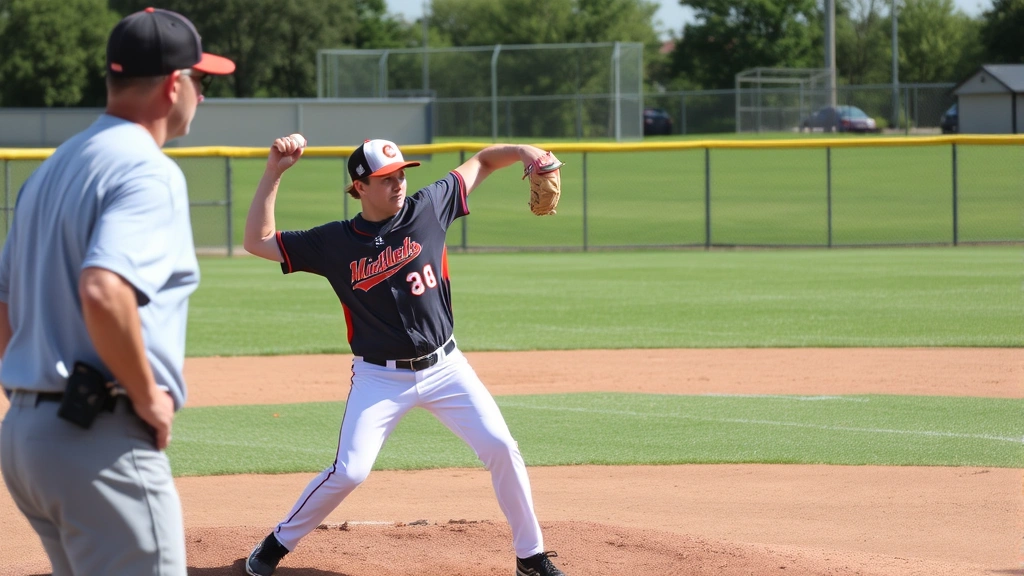
Elbow growth plate injuries represent a significant concern in pediatric and adolescent sports medicine. The most common injury is lateral epicondyle apophysitis, often called “Little League elbow,” which affects young baseball pitchers and other throwing athletes. This condition results from repetitive stress on the growth plate, causing inflammation, pain, and potential permanent damage if not properly managed.
Other prevalent elbow growth plate injuries include medial epicondyle apophysitis (affecting the inside of the elbow) and stress fractures of the olecranon growth plate. These injuries typically develop gradually through cumulative microtrauma rather than acute traumatic events. Risk factors include excessive throwing volume, inadequate rest between throwing sessions, poor throwing mechanics, muscular imbalances, and premature specialization in a single sport.
Research from the American College of Sports Medicine indicates that young athletes who throw more than 100 innings per season or pitch more than 8 months per year face significantly elevated injury risk. Additionally, athletes who don’t properly warm up, lack adequate flexibility, or train with faulty biomechanics are more susceptible to growth plate damage. Environmental factors like cold weather, inadequate nutrition, and insufficient sleep also contribute to injury susceptibility.
Recognizing early warning signs is essential for preventing serious injury. These include persistent elbow pain during or after throwing, swelling, reduced range of motion, and decreased throwing velocity. Young athletes experiencing these symptoms should receive immediate medical evaluation rather than attempting to “push through” the discomfort. Early intervention often prevents progression to more severe injuries that could compromise long-term athletic potential.
Prevention Strategies for Athletes
Preventing elbow growth plate injuries requires a multifaceted approach combining proper technique, appropriate training loads, strength development, and adequate recovery. The foundation of injury prevention starts with learning correct throwing mechanics. Poor throwing form places excessive stress on growth plates and soft tissues, making technique coaching essential for young athletes, particularly those in throwing sports.
Implementing pitch count limits represents one of the most evidence-based prevention strategies. Major League Baseball and numerous youth sports organizations have established guidelines recommending maximum pitches per game, days of rest between outings, and seasonal pitch limits. For example, 13-14 year olds should not exceed 75 pitches per game, 3 pitches per inning, and 2,000 pitches per season. These limits may seem conservative, but research demonstrates they significantly reduce injury risk.
Building strength in the rotator cuff, scapular stabilizers, and core muscles provides crucial support for the elbow joint. Strengthening exercises should focus on eccentric loading (lengthening contractions), which builds resilience and prevents overuse injuries. Incorporating best books for self growth about athletic development can provide additional insights into training principles. Additionally, flexibility work targeting the posterior shoulder, chest, and hip flexors helps maintain proper biomechanics and reduces compensatory stress on the elbow.
Nutrition plays a vital but often overlooked role in growth plate health. Adequate protein intake supports tissue repair and remodeling, while sufficient calcium and vitamin D promote bone mineralization. Young athletes should consume 1,300 mg of calcium daily and maintain vitamin D levels through sunlight exposure or supplementation. Proper hydration also affects muscle function and injury susceptibility, making consistent fluid intake essential during training and competition.

Training Modifications During Growth Phases
Modifying training approaches based on growth plate development stage represents intelligent athletic programming. During periods of rapid growth (peak height velocity), when growth plates are most active and vulnerable, athletes should reduce throwing volume, limit high-velocity throwing, and increase rest days. This doesn’t mean eliminating training—instead, it means emphasizing skill development, mobility work, and lower-intensity activity.
Sport specialization timing significantly impacts injury risk and long-term athletic development. Research suggests that delaying specialization until age 15-16 allows athletes to develop foundational movement skills, build diverse strength patterns, and reduce repetitive stress on specific joints. Young athletes who participate in multiple sports develop broader athletic capabilities while distributing stress across different muscle groups and movement patterns.
During off-season periods, athletes should focus on strength development, mobility work, and complete rest from sport-specific movements. A minimum of 2-3 months of complete throwing rest annually allows growth plates to recover fully and prevents chronic overuse. This recovery period also provides opportunities to address muscular imbalances and movement deficiencies that develop during competitive seasons.
Implementing periodized training that varies intensity, volume, and movement patterns throughout the year protects growth plates while building athletic capacity. Periodization principles involve cycling through different training phases: preparation (building base fitness), competition (sport-specific skills), and recovery (active rest and regeneration). This approach aligns with natural growth patterns and allows athletes to peak during competition while maintaining growth plate health.
The concept of growth mindset quotes applies equally to athletic development—embracing challenges and viewing setbacks as learning opportunities helps young athletes accept training modifications without frustration. Patient, systematic development produces superior long-term results compared to aggressive training approaches that risk permanent damage.
Recovery and Rehabilitation
Proper recovery protocols are essential components of growth plate protection and injury prevention. Sleep represents the most critical recovery variable, as growth hormone secretion peaks during deep sleep stages. Young athletes should prioritize 8-10 hours of quality sleep nightly to support growth, tissue repair, and hormonal balance. Sleep deprivation impairs recovery, increases injury risk, and diminishes athletic performance—making consistent sleep patterns non-negotiable for serious young athletes.
Active recovery techniques including foam rolling, dynamic stretching, and low-intensity movement enhance blood flow to tissues without imposing additional stress on growth plates. Cold water immersion and contrast water therapy may help reduce inflammation, though evidence remains mixed. More importantly, complete rest days (no training whatsoever) allow the nervous system to recover and growth plates to remodel without additional stimulus.
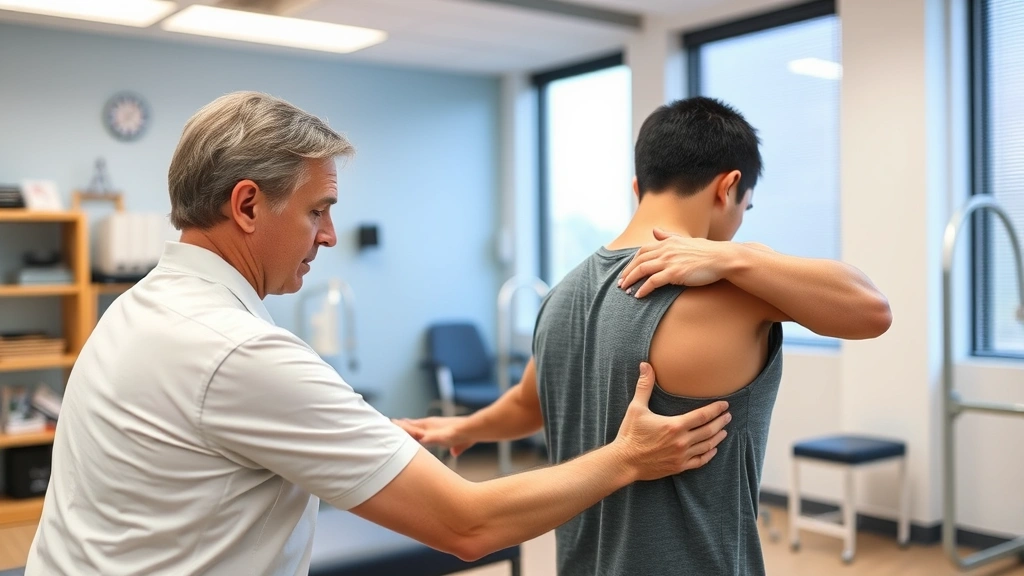
When growth plate injuries occur, rehabilitation requires patience and medical guidance. Early-stage injuries often respond well to conservative treatment: rest from aggravating activities, ice therapy, anti-inflammatory medications (as recommended by healthcare providers), and gradual return-to-activity protocols. Physical therapy focusing on mobility, strength, and movement quality typically precedes return to sport-specific training.
Returning to throwing or sport-specific activities must follow evidence-based progression protocols that gradually increase volume and intensity. Rushing return-to-play increases re-injury risk and may cause chronic problems. A typical progression spans 4-8 weeks, starting with short-distance throwing at low intensity and gradually increasing distance, velocity, and frequency. Monitoring pain levels and athlete feedback throughout progression ensures safe return to full participation.
Visiting Growth Life Hub Blog for additional insights on recovery strategies and athletic development can complement professional medical guidance. Additionally, consulting with sports medicine physicians, physical therapists, and athletic trainers ensures evidence-based rehabilitation tailored to individual needs and circumstances.
FAQ
At what age do elbow growth plates close completely?
Most elbow growth plates close between ages 16-20, though complete ossification may continue into the mid-20s. The exact timeline varies based on genetics, sex, and individual development rates. Males typically experience growth plate closure 1-2 years later than females.
Can a closed growth plate be reopened through training?
No, once a growth plate has fully ossified (closed), it cannot reopen. This is why protecting growth plates during development is so important. However, bones can continue strengthening and remodeling throughout life through appropriate training.
What’s the difference between a growth plate injury and a fracture?
Growth plate injuries involve damage to the cartilaginous growth plate itself, while fractures involve breaks in mineralized bone. Growth plate injuries can be more serious long-term because damage may affect future bone growth and alignment. Both require medical evaluation and appropriate treatment.
Is it safe to strength train during periods of rapid growth?
Yes, strength training is beneficial during growth phases when done appropriately. Focus on bodyweight exercises, resistance bands, and light weights with proper form. Avoid heavy loads that require maximum effort or compromise movement quality. Strength training actually helps protect growth plates by improving joint stability.
How can parents identify if their young athlete has a growth plate injury?
Watch for persistent elbow pain (not just soreness), swelling, reduced range of motion, decreased performance, or reluctance to participate in normal activities. Pain that worsens with activity or doesn’t improve with rest warrants medical evaluation. Early identification and treatment prevent progression to serious injuries.
What role does nutrition play in growth plate health?
Nutrition directly impacts growth plate development and injury recovery. Adequate protein, calcium, vitamin D, and overall calories support bone remodeling and tissue repair. Young athletes with poor nutrition heal slower and face higher injury risk. Consulting a sports dietitian can optimize nutritional strategies for individual athletes.
Should young athletes avoid all throwing sports?
No, throwing sports are excellent for athletic development. The key is implementing proper training practices: pitch count limits, adequate rest, proper mechanics, strength development, and monitoring for warning signs. With appropriate management, young athletes can safely participate in throwing sports while protecting growth plates.


