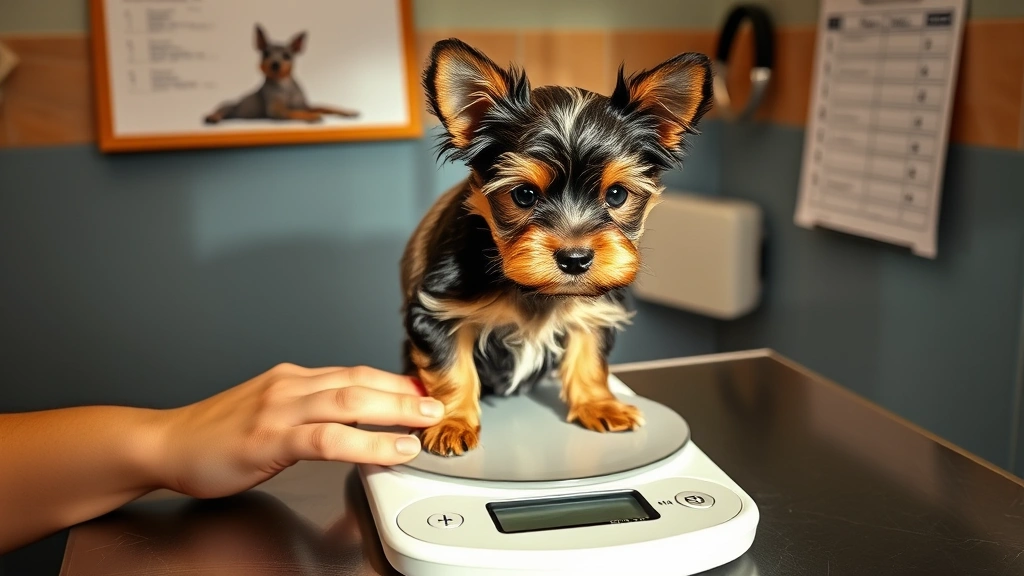
Track Your Yorkie’s Growth: Vet Insights and Essential Monitoring Guide
Yorkshire Terriers are beloved companion dogs known for their diminutive size, spirited personality, and silky coats. As a Yorkie owner, understanding your pet’s growth trajectory is fundamental to ensuring optimal health, nutrition, and developmental milestones. Unlike larger dog breeds that require years to reach full maturity, Yorkies experience rapid growth during their first year of life, making consistent monitoring essential for identifying potential health concerns early.
This comprehensive guide provides veterinary-backed insights into tracking your Yorkie’s growth, interpreting growth charts, and recognizing when your puppy is developing normally. By maintaining detailed records and working closely with your veterinarian, you can establish a strong foundation for your Yorkie’s long-term health and well-being. Just as humans benefit from understanding their personal growth journey, your dog deserves the same attention to developmental progress.

Understanding Yorkie Growth Stages
Yorkshire Terriers follow a predictable growth pattern that veterinarians have documented through decades of breed observation. Adult Yorkies typically weigh between 4 to 7 pounds, making them one of the smallest toy breed classifications. Understanding the distinct growth stages helps you anticipate developmental changes and recognize abnormalities that might warrant veterinary intervention.
Each stage of your Yorkie’s development presents unique nutritional requirements, behavioral milestones, and health considerations. By tracking these stages systematically, you’re essentially creating a personalized health record that becomes invaluable during veterinary visits. This approach mirrors the importance of setting goals effectively—having clear markers helps you measure progress and identify deviations from the expected path.

Birth to Eight Weeks: The Critical Foundation
The earliest weeks of your Yorkie’s life establish the foundation for all future growth. Newborn Yorkies typically weigh between 2.5 to 5 ounces at birth, and they’re entirely dependent on their mother for nutrition and temperature regulation. During this period, puppies should be weighed daily or every other day to ensure adequate milk intake and proper development.
By the end of the first week, healthy Yorkie puppies should double their birth weight. This rapid growth continues through week four, when puppies typically weigh between 8 to 16 ounces. At this stage, eyes open around day 10-14, and ears open shortly thereafter, marking important neurological milestones. Socialization begins naturally as littermates interact, establishing crucial behavioral patterns.
Around week four, you can introduce puppy formula supplementation if the mother’s milk production seems insufficient. By week six, gradual weaning begins with moistened puppy food, though mother’s milk remains the primary nutrition source. This transition period requires careful monitoring to ensure each puppy maintains consistent weight gain and shows no signs of malnutrition or digestive upset.
Key measurements during this stage:
- Daily weight tracking for first two weeks
- Weekly weighing from weeks 2-8
- Observation of nursing frequency and duration
- Monitoring of developmental reflexes and eye/ear opening
- Assessment of coat quality and skin health
Two to Six Months: Rapid Development Phase
This period represents the most dramatic growth phase in your Yorkie’s life. Between eight weeks and four months, puppies typically triple or quadruple their birth weight. By twelve weeks, a healthy Yorkie puppy should weigh between 1.5 to 3 pounds, depending on genetic factors and nutritional intake.
During this stage, permanent teeth begin erupting around week four, with the process continuing through week six. Baby teeth gradually fall out, and you may notice increased chewing behavior as puppies experience mild discomfort during teething. Providing appropriate chew toys and monitoring for retained baby teeth becomes important, as small breeds like Yorkies are prone to dental complications.
Weaning is typically complete by week eight, and puppies transition to high-quality puppy food formulated for toy breeds. Nutrition during this period is critical because rapid skeletal growth and organ development demand specific ratios of protein, fat, calcium, and phosphorus. Improper nutrition during these months can result in developmental orthopedic disease or stunted growth.
Vaccination schedules align with this growth stage, with puppies receiving their first vaccines at six to eight weeks, second dose at ten to twelve weeks, and third dose at fourteen to sixteen weeks. Each veterinary visit provides an opportunity to assess growth progress, address nutritional concerns, and discuss behavioral development with your veterinarian.
Growth milestones for this period:
- 8 weeks: 1.5-2.5 pounds
- 12 weeks: 2-3.5 pounds
- 16 weeks: 2.5-4 pounds
- 20 weeks: 3-4.5 pounds
- 24 weeks: 3.5-5.5 pounds
Six Months to One Year: Maturation Period
By six months of age, most Yorkies have reached approximately 80-90% of their adult size. Growth continues but at a significantly slower pace compared to earlier months. Between six and twelve months, puppies typically add only 1-2 pounds to their body weight as growth plates close and skeletal development nears completion.
During this period, behavioral maturation accelerates. Puppies develop stronger prey drives, territorial instincts, and pack dynamics understanding. Training becomes increasingly important as you establish behavioral expectations and address any problematic behaviors before they become ingrained habits. This mirrors the growth mindset approach to learning—consistent effort during this critical window produces lasting behavioral patterns.
By one year of age, most Yorkies have reached their full adult size and weight. However, some individuals may continue adding small amounts of weight until eighteen months as they develop muscle mass and fill out their frames. Spaying or neutering, typically performed between four to six months, can affect metabolism and growth trajectories, so discussing timing with your veterinarian is essential.
Nutritional needs shift around this time as well. The high-calorie demands of puppy food become excessive for adult Yorkies, and transitioning to adult formulas prevents obesity and related health complications. This transition typically occurs around one year of age, though some veterinarians recommend waiting until eighteen months for toy breeds.
Using Growth Charts Effectively
Veterinary growth charts provide standardized reference points for assessing whether your Yorkie’s development falls within normal ranges. These charts plot weight against age and account for natural variation among individuals while identifying concerning deviations that suggest underlying health issues.
To use a growth chart effectively, you need consistent, accurate weight measurements. Weigh your puppy on the same scale, preferably at your veterinarian’s office, at regular intervals. Record the date, age in weeks, and weight in pounds and ounces. Plot these measurements on your growth chart and observe the trajectory—healthy growth creates a relatively smooth curve without dramatic fluctuations or plateaus.
Growth charts serve multiple purposes in health monitoring. They help identify puppies that are growing too slowly, which might indicate nutritional deficiencies, parasitic infections, or underlying metabolic disorders. Conversely, they flag puppies growing too rapidly, which can stress developing joints and organs. Comparing your individual Yorkie’s growth to breed standards helps your veterinarian determine whether variations represent normal genetic diversity or potential health concerns.
Keep your growth chart with your puppy’s medical records and bring it to every veterinary appointment. Your veterinarian can compare your measurements to standardized breed charts, assess body condition scoring, and make recommendations based on your Yorkie’s individual growth pattern. This proactive approach prevents many common health issues and establishes baseline data for future reference.
Weight Monitoring and Nutrition
Maintaining appropriate weight throughout your Yorkie’s growth is one of the most impactful health interventions you can provide. Excess weight during puppyhood strains developing joints and bones, increasing risk of orthopedic problems later in life. Conversely, insufficient nutrition stunts growth and compromises immune function.
Puppies require significantly more calories per pound of body weight than adult dogs. A growing Yorkie needs approximately 50-100 calories per pound daily, depending on activity level and metabolic rate. High-quality puppy food formulated for toy breeds provides appropriate nutrient ratios, though individual puppies may require portions adjusted based on their unique growth trajectory.
Body condition scoring provides a practical assessment tool beyond simple weight measurements. Using a 1-9 scale, your veterinarian evaluates your Yorkie’s ribs, waist, and abdominal tuck to determine whether the puppy is underweight, ideal, or overweight. Ideally, you should feel ribs with gentle pressure but not see them prominently, and your Yorkie should have a visible waist when viewed from above.
Feeding schedules evolve as your Yorkie grows. Young puppies (8-12 weeks) require three to four meals daily to maintain stable blood sugar and support rapid growth. From three to six months, transition to three meals daily. After six months, most Yorkies thrive on two meals daily, which you’ll continue throughout adulthood. Consistency with feeding times helps establish house training routines and prevents gastric upset.
Nutritional essentials for growing Yorkies:
- Protein: 22-32% for puppies, supporting muscle and tissue development
- Fat: 8-15% for energy and coat health
- Calcium and phosphorus: Proper ratios (1.2:1) for skeletal development
- DHA: Supports brain and eye development
- Antioxidants: Support immune function during vulnerable growth period
Health Checkups and Veterinary Guidance
Regular veterinary checkups form the cornerstone of responsible growth monitoring. During the first year, puppies should visit their veterinarian every three to four weeks until sixteen weeks of age, then every six to eight weeks until one year old. These frequent visits allow your veterinarian to track growth progress, administer vaccinations on schedule, and address emerging health concerns promptly.
At each appointment, your veterinarian performs a thorough physical examination assessing body condition, dental development, heart and lung function, and abdominal palpation. They evaluate your puppy’s growth against standardized breed charts and discuss any concerns with feeding, behavior, or development. This ongoing relationship with your veterinarian provides invaluable guidance tailored to your individual Yorkie’s needs.
Discussing your growth journey with your veterinarian includes sharing observations about appetite, energy levels, stool quality, and behavioral changes. These details help your veterinarian identify nutritional imbalances, parasitic infections, or other health issues affecting growth. Maintaining detailed records between appointments ensures you don’t forget important observations during your visit.
Your veterinarian also provides guidance on parasite prevention, which significantly impacts growth and development. Internal parasites like roundworms and hookworms compete with puppies for nutrients, stunting growth and causing digestive upset. External parasites like fleas and mites compromise skin health and can transmit diseases. Consistent parasite prevention protocols protect your Yorkie’s health during these critical developmental months.
Common Growth Concerns
Several health issues commonly affect Yorkie growth and development, and early recognition allows for prompt intervention. Understanding these concerns helps you identify when professional veterinary guidance is necessary.
Hypoglycemia: Toy breed puppies, particularly Yorkies, are prone to low blood sugar, especially during stress or if meals are skipped. Signs include lethargy, trembling, loss of consciousness, or seizures. Feeding frequent small meals and providing access to food during vulnerable periods prevents this life-threatening condition.
Retained baby teeth: Yorkie puppies frequently fail to lose all baby teeth naturally, requiring extraction by a veterinarian. Retained teeth interfere with proper bite development and create spaces where food and bacteria accumulate, causing dental disease. Your veterinarian monitors dental development during growth checkups.
Patellar luxation: This condition, where the kneecap dislocates from its groove, commonly affects toy breeds. While often hereditary, proper nutrition and weight management during growth reduce severity. Signs include limping, hopping on three legs, or reluctance to bear weight on affected limbs.
Portosystemic shunt: Some Yorkies develop abnormal blood vessels bypassing the liver, preventing proper toxin filtration. Signs include stunted growth, lethargy, poor appetite, or neurological symptoms. Diagnosis requires veterinary imaging, and treatment options depend on severity.
Slow growth: If your Yorkie’s growth trajectory significantly lags behind expected standards, investigate underlying causes. Possibilities include inadequate nutrition, parasitic infections, metabolic disorders, or chronic illness. Your veterinarian can run diagnostic tests to identify and address the underlying problem.
FAQ
Addressing common questions helps ensure you’re making informed decisions about your Yorkie’s growth and development.
At what age is a Yorkie fully grown?
Most Yorkies reach their full adult size by twelve months of age, though some individuals continue filling out until eighteen months. Growth plates typically close between twelve to fourteen months, completing skeletal development. Your veterinarian can assess whether your individual Yorkie has reached full maturity.
How much should a Yorkie weigh at different ages?
Growth varies among individuals, but general guidelines include: 8 weeks (1.5-2.5 lbs), 12 weeks (2-3.5 lbs), 16 weeks (2.5-4 lbs), 6 months (3.5-5 lbs), and 12 months (4-7 lbs). These represent typical ranges; your veterinarian can assess whether your puppy’s individual growth is appropriate.
What should I feed my Yorkie puppy?
High-quality puppy food formulated specifically for toy breeds provides appropriate nutrient ratios for healthy growth. Look for foods listing meat as primary ingredients, containing appropriate calcium-phosphorus ratios, and avoiding excessive fillers. Discuss specific brand recommendations with your veterinarian based on your puppy’s individual needs.
How often should I weigh my Yorkie puppy?
Weekly weighing during the first eight weeks, then every two weeks until six months, then monthly until one year provides adequate monitoring without excessive veterinary visits. Most owners weigh puppies at veterinary appointments or use accurate home scales. Consistency matters more than frequency.
When should my Yorkie be spayed or neutered?
Many veterinarians recommend waiting until Yorkies reach twelve months of age before spaying or neutering, though some recommend earlier procedures. Discuss timing with your veterinarian, as this decision affects growth, metabolism, and long-term health. Early spaying/neutering affects growth plate closure timing.
What are signs my Yorkie is growing normally?
Normal growth includes consistent weight gain following an expected curve, bright eyes and shiny coat, healthy appetite, appropriate energy levels, and no signs of pain or lameness. Your veterinarian confirms normal development during checkups by assessing body condition, dental development, and overall health markers.
How can I support my Yorkie’s healthy growth?
Provide high-quality nutrition formulated for toy breed puppies, maintain consistent feeding schedules, ensure regular veterinary checkups, implement parasite prevention, provide appropriate exercise without overexertion, and monitor growth systematically. Your veterinarian can provide specific recommendations based on your Yorkie’s individual needs and circumstances.
Just as maintaining motivation and consistency supports personal achievement, consistent attention to your Yorkie’s growth supports lifelong health and well-being.
What should I do if my Yorkie’s growth seems abnormal?
Contact your veterinarian promptly if growth seems significantly slower or faster than expected, if your puppy shows decreased appetite or lethargy, or if you notice signs of illness. Early intervention often prevents serious complications. Bring your growth chart and detailed observations to your appointment.
Tracking your Yorkie’s growth represents one of the most valuable investments in your dog’s long-term health. By maintaining detailed records, understanding developmental milestones, and working closely with your veterinarian, you establish a strong foundation for a healthy, thriving companion throughout your dog’s life. Your attention to these details during the critical first year of life pays dividends through improved health outcomes and a deeper understanding of your Yorkie’s individual needs and personality.


