
Waxing and Hair Growth: Dermatologist Insights on Long-Term Effects
When it comes to hair removal, waxing has become one of the most popular methods worldwide. Millions of people choose waxing over shaving, plucking, or using depilatory creams, hoping for longer-lasting smoothness. But a persistent question lingers in the minds of those considering this method: will waxing prevent hair growth? This question touches on both practical concerns and deeper aspirations about taking control of our appearance and bodies. Understanding the science behind waxing and hair growth requires examining what dermatologists have discovered through rigorous research and clinical observation.
The relationship between waxing and hair growth is more nuanced than simple yes-or-no answers suggest. While many people report that waxing seems to slow down hair regrowth over time, the biological reality involves understanding hair growth cycles, follicle structure, and how different removal methods interact with our skin. This comprehensive guide explores what dermatologists actually know about whether waxing can prevent or reduce hair growth, backed by scientific evidence and professional insights.

Understanding Hair Growth Cycles
To answer whether waxing prevents hair growth, we must first understand how hair naturally grows. Every hair on your body follows a specific biological cycle called the hair growth cycle, which consists of three distinct phases: anagen, catagen, and telogen.
The anagen phase is the active growth stage where hair cells rapidly divide and the hair shaft extends upward through the follicle. This phase can last anywhere from two to seven years depending on the body area and individual genetics. During this time, the hair is firmly rooted in the follicle and receiving nourishment from blood vessels at the base. The catagen phase is a transitional period lasting about two weeks where hair growth slows and the follicle begins to shrink. Finally, the telogen phase is the resting stage lasting two to four months, during which the hair is no longer growing but remains in the follicle until it eventually sheds.
What makes this cycle crucial to understanding waxing is that not all hairs are in the same phase simultaneously. At any given time, approximately 85-90% of scalp hairs are in the anagen phase, while body hair distribution varies significantly by location. This staggered cycle explains why hair doesn’t all regrow at once after waxing and why results seem to improve with repeated treatments.
According to research published in the National Center for Biotechnology Information, understanding individual hair growth patterns is essential for predicting how different removal methods will affect long-term hair density and appearance. Your genetic makeup, hormonal levels, and even stress can influence how quickly your hair cycles through these phases, which explains why results vary significantly between individuals.
How Waxing Works on Hair Follicles
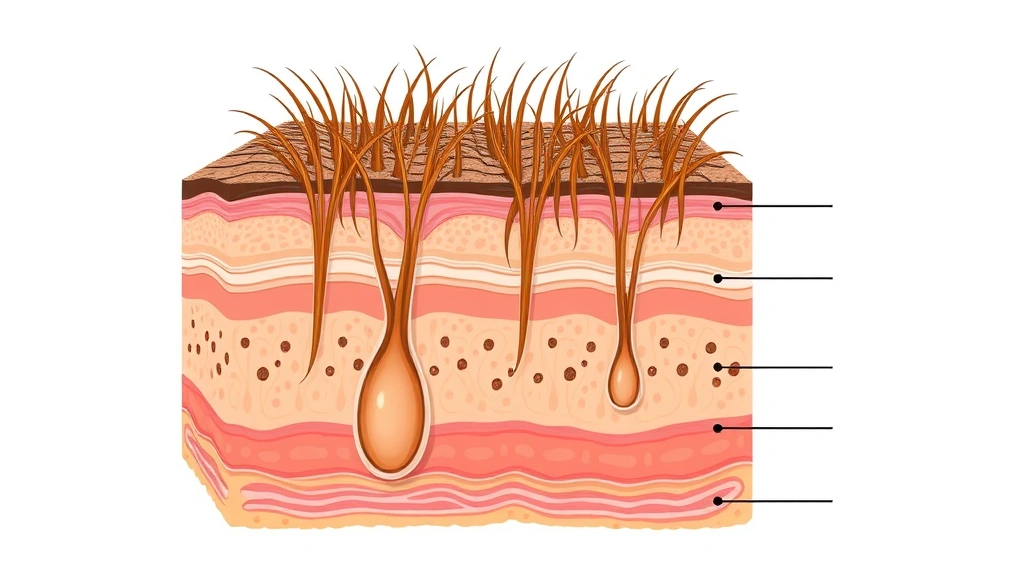
Waxing operates through a mechanical removal process that’s fundamentally different from shaving or using chemical depilatories. When warm wax is applied to the skin and then removed, it adheres to the hair shaft and pulls it out from beneath the skin’s surface, ideally removing the entire hair including the root.
The key difference between waxing and other methods lies in what gets removed. When you shave, you only cut the hair above the skin line, leaving the root intact beneath the surface. Waxing, by contrast, removes the hair from the follicle itself, which is why results last longer—typically three to six weeks compared to shaving’s one to three days. However, this doesn’t mean the follicle is destroyed or permanently damaged.
Dermatologists emphasize an important distinction: waxing removes hair, not hair follicles. The follicle remains intact and alive beneath the skin, capable of producing new hair once the hair growth cycle progresses. The follicle itself is a complex structure containing stem cells and specialized tissue that generates new hair. Simply pulling out a hair doesn’t damage this structure in most cases.
That said, repeated waxing might cause subtle changes to follicle function over time. Some dermatologists suggest that consistent, long-term waxing could potentially lead to slightly finer or slower-growing hair in some individuals, though this isn’t universal. The proposed mechanism involves mild inflammation and trauma to the follicle with each waxing session, which might theoretically stress the follicle enough to produce thinner or slower-growing hair. However, this effect is not guaranteed and varies considerably between individuals based on skin sensitivity, hair type, and genetic factors.
Can Waxing Actually Prevent Hair Growth
This is the central question that draws people to waxing in the first place. The straightforward answer from dermatologists is: no, waxing does not permanently prevent hair growth. If you stop waxing, your hair will eventually return to its normal growth pattern and density. However, the more nuanced answer reveals why so many people feel that waxing does reduce hair growth over time.
Several factors contribute to the perception that waxing prevents or reduces hair growth:
- Reduced hair density perception: When you wax regularly, you’re constantly removing hairs in different growth phases. Over months of consistent waxing, some follicles may be traumatized enough to produce finer hair, making regrowth appear less noticeable.
- Delayed regrowth: Waxing removes the entire hair, so regrowth takes longer than with shaving. This extended smooth period makes it feel like hair growth is slowing.
- Follicle miniaturization: In rare cases, repeated trauma to follicles might cause mild miniaturization, where hairs grow back slightly thinner or shorter, though this is not a reliable or permanent effect.
- Hormonal factors: Some people naturally experience changes in hair growth due to hormonal shifts, which might coincidentally align with starting a waxing routine.
Research from the Journal of the American Academy of Dermatology indicates that while waxing is effective at removing visible hair, there’s no scientific evidence that it permanently reduces hair follicle count or permanently prevents regrowth. The follicles remain capable of producing new hair indefinitely, regardless of how many times you wax.
However, this doesn’t mean waxing provides no long-term benefits. For many people, the combination of longer-lasting results and the possibility of slightly finer regrowth makes waxing a worthwhile investment in their personal grooming routine. It’s a practical choice for those seeking extended periods of smooth skin, even if it’s not a permanent solution.
Long-Term Effects of Regular Waxing
What happens when you commit to waxing for months or years? Dermatologists have observed several patterns in long-term waxing clients that help explain the perception of reduced hair growth.
Follicle adaptation is one documented effect. With repeated waxing, some follicles seem to produce hair more slowly or with less vigor. This might be because the follicle is being repeatedly disrupted during sensitive phases of the growth cycle. Each waxing session creates minor inflammation and stress to the follicle, and while this isn’t damage in the harmful sense, it may influence how efficiently the follicle produces new hair.
Another significant observation is hair shedding patterns. People who wax regularly often notice that fewer hairs regrow in previously waxed areas compared to when they first started. This could be attributed to the fact that consistently removing hairs in different growth phases eventually leads to fewer hairs being in the active growth phase at any given time. Some hairs that would normally regrow simply fall out naturally without being replaced, a phenomenon that occurs to varying degrees in everyone but might be accelerated by regular waxing.
The quality of regrowth also changes for many long-term waxing users. Hair that regrows after months of regular waxing often appears finer, lighter, and softer than the original hair. This could result from follicles producing thinner hairs due to repeated trauma, or it could be a natural variation in hair growth that people notice more clearly when they’re paying close attention to regrowth patterns.
Importantly, these long-term effects are not permanent. If someone stops waxing for an extended period, their hair will eventually return to its original growth pattern and density. The changes are temporary adaptations to repeated removal, not permanent alterations to the follicle’s genetic programming.
As you explore ways to optimize your appearance and take control of your self-care routine, understanding these long-term effects helps you make informed decisions. This connects to the broader concept of personal growth, where informed choices about our bodies and routines contribute to overall wellbeing and confidence.
Comparing Waxing to Other Hair Removal Methods
To fully understand whether waxing is the best choice for preventing or reducing hair growth, it’s helpful to compare it with other popular hair removal methods.
Shaving is the most accessible and affordable option, but it only removes hair above the skin line. This means regrowth is visible within hours to a day, and the hair appears thick and blunt because you’re cutting across the full diameter of the hair shaft. Shaving does nothing to reduce hair growth or follicle function.
Plucking removes individual hairs by the root, similar to waxing, but affects only one hair at a time. It’s practical for small areas but impractical for large body areas. Like waxing, plucking doesn’t prevent hair growth, though it may have similar long-term effects on follicles with repeated use.
Depilatory creams chemically dissolve the hair shaft at the skin line, similar to shaving in terms of longevity and effect. They don’t remove the root and have no impact on hair growth prevention.
Threading is an ancient technique that removes hair by the root, much like waxing, and has similar effects on regrowth timing and quality. It’s particularly popular for facial hair and eyebrows.
Electrolysis and laser hair removal are the only methods that can permanently reduce or eliminate hair growth. These work by damaging the follicle itself, either through electrical current or concentrated light energy. Laser hair removal, in particular, has strong scientific support for long-term hair reduction, though complete permanent removal isn’t guaranteed for everyone.
When comparing these methods, waxing occupies a middle ground: more effective than shaving or depilatory creams at extending smooth periods, but less permanent than laser or electrolysis. For many people, this balance makes waxing an attractive option, especially when combined with other hair care strategies for overall appearance management.
Dermatologist Recommendations for Best Results
If you decide that waxing is right for your hair removal needs, dermatologists offer specific recommendations to maximize results and minimize potential negative effects.
Consistency is key. Waxing works best when done regularly, typically every three to six weeks depending on your hair growth rate. Consistent waxing allows you to catch more hairs in their growth phase and may contribute to the finer regrowth that many people experience over time.
Choose quality products and professionals. Professional waxing from trained estheticians yields better results than at-home waxing because professionals understand proper technique, temperature, and aftercare. They’re also better positioned to notice skin reactions or other concerns. High-quality wax formulations are gentler on skin and more effective at removing hair.
Prepare skin properly. Exfoliating gently one to two days before waxing helps remove dead skin cells and allows better wax adherence to hair. However, avoid exfoliating immediately before waxing, as this can increase skin sensitivity.
Avoid sun exposure and heat. After waxing, your skin is more sensitive and prone to irritation. Dermatologists recommend avoiding direct sun, hot showers, saunas, and intense exercise for 24-48 hours post-waxing. This reduces inflammation and allows the skin to recover properly.
Moisturize consistently. Regular moisturizing helps maintain skin health and may reduce the irritation that contributes to follicle stress. Well-hydrated skin responds better to waxing with less inflammation.
Consider your hormonal cycle. For those menstruating, waxing during the first two weeks of your cycle tends to be less painful and cause less irritation, as skin sensitivity is lower during this period.
Manage expectations realistically. Understand that waxing will not permanently prevent hair growth, but it will provide extended periods of smoothness and may result in finer regrowth over time. This realistic perspective helps you appreciate the benefits waxing actually provides.
These dermatologist-backed strategies align with the principle of making intentional, informed choices about your body and self-care—a core aspect of developing a growth mindset around personal wellness. When you understand the science behind your choices, you’re better equipped to make decisions that genuinely serve your needs.
FAQ
Does waxing permanently stop hair growth?
No, waxing does not permanently stop hair growth. The hair follicles remain alive and capable of producing new hair indefinitely. However, regular waxing may result in finer or slower-growing hair over time in some individuals, though this effect is not permanent and varies between people.
How long does hair stay gone after waxing?
Hair typically stays gone for three to six weeks after waxing, depending on individual hair growth rates and the body area being waxed. Facial hair usually regrows faster than body hair. This extended period of smoothness is significantly longer than shaving, which lasts only one to three days.
Can waxing reduce hair growth over time?
While waxing doesn’t permanently reduce hair growth, long-term regular waxing may result in slightly finer or less dense hair in some people. This is attributed to repeated follicle stress and the removal of hairs in different growth phases. However, this effect is not guaranteed and is temporary—hair returns to normal if waxing stops.
Is waxing better than shaving for preventing hair growth?
Waxing is more effective than shaving at extending smooth periods and may contribute to finer regrowth over time, but neither method prevents hair growth permanently. Only laser hair removal and electrolysis can permanently reduce or eliminate hair growth by damaging follicles.
What’s the best way to prevent unwanted hair growth permanently?
Laser hair removal and electrolysis are the only methods with scientific evidence for permanent hair reduction. Laser hair removal uses concentrated light to damage follicles, while electrolysis uses electrical current. Both require multiple sessions and work best on certain skin and hair types. Consulting a dermatologist helps determine which option suits your needs.
Does waxing make hair grow back thicker?
No, waxing does not make hair grow back thicker. This is a common myth. Hair might appear thicker during regrowth because the entire hair shaft is regrowing from the root, but the hair itself isn’t actually thicker. Some people even report that hair appears finer after regular waxing.
Can I wax the same area repeatedly without damaging my skin?
Yes, you can safely wax the same area repeatedly if proper precautions are taken. Professional waxing with quality products, proper aftercare, and adequate time between sessions (typically 3-6 weeks) minimizes skin damage. However, if you have sensitive skin or skin conditions, consult a dermatologist before regular waxing.


