
Patchy Beard Growth? Dermatologist Tips to Fill In Those Gaps
A full, thick beard represents more than just facial hair—it’s a symbol of masculinity, confidence, and personal grooming mastery. Yet for many men, achieving that coveted dense beard proves frustratingly elusive. Patchy beard growth affects millions of men worldwide, creating uneven coverage, visible gaps, and the kind of aesthetic inconsistency that undermines self-assurance. The good news? This is a solvable problem with the right approach, medical guidance, and patience.
Understanding why your beard grows unevenly requires examining the complex interplay of genetics, hormones, skin health, and lifestyle factors. Whether you’re experiencing sparse patches on your cheeks, a thin mustache, or inconsistent density across your jawline, dermatologists and beard specialists have evidence-based solutions that actually work. This comprehensive guide synthesizes professional dermatological advice with practical strategies you can implement immediately to promote fuller, more even beard growth.
Understanding Patchy Beard Growth Causes
Patchy beard growth stems from multiple interconnected factors that dermatologists evaluate systematically. Your beard isn’t simply hair—it’s a complex biological system influenced by follicle health, skin condition, hormonal balance, and systemic wellness. When some follicles remain dormant while others flourish, you experience the frustrating patchiness that affects your appearance and confidence.
The primary culprit behind uneven beard growth is often follicle sensitivity to androgens, particularly dihydrotestosterone (DHT). Some hair follicles on your face possess greater sensitivity to these hormones, while others remain relatively unresponsive. This genetic variation explains why your friend develops a dense beard while you struggle with gaps. Additionally, follicles go through distinct growth phases: anagen (active growth), catagen (transition), and telogen (resting). When these cycles desynchronize across your facial region, patchiness becomes visible.
Skin health directly impacts beard density. If your facial skin suffers from inflammation, poor circulation, or compromised barrier function, the underlying follicles cannot thrive. Dermatologists recognize that addressing skin quality forms the foundation for improved beard growth. Conditions like seborrheic dermatitis, eczema, or chronic irritation suppress follicle productivity and create visible thin patches.
- Follicle miniaturization—where hairs shrink in diameter
- Poor blood flow to facial regions
- Chronic skin inflammation or infection
- Follicle dormancy due to hormonal insufficiency
- Nutritional deficiencies affecting hair structure
- Excessive stress disrupting growth cycles
Understanding these root causes empowers you to target interventions strategically rather than applying generic solutions. A dermatologist can identify which factors specifically contribute to your patchiness through examination and, if necessary, blood work.
The Role of Genetics and Hormones in Beard Development
Your genetics determine approximately 80-90% of your beard growth potential. If your father, grandfathers, and uncles all had patchy beards, you likely inherited similar follicle characteristics. However—and this is crucial—genetics establishes the ceiling, not the floor. You can substantially optimize your results within your genetic framework.
Testosterone and DHT drive beard growth, but the story is more nuanced than simple hormone levels. What matters most is follicle sensitivity to these hormones, not necessarily the absolute hormone concentration in your blood. Two men with identical testosterone levels can have vastly different beard densities based on their follicles’ androgenic sensitivity—a trait determined genetically.
This explains why simply taking testosterone doesn’t guarantee a fuller beard if your follicles lack sufficient androgen receptor density. Conversely, men with lower testosterone sometimes develop impressive beards because their follicles are highly responsive. Dermatologists measure this responsiveness through clinical assessment rather than hormone testing alone.
Age also plays a significant role. Beard growth typically peaks between ages 25-35, with density gradually declining afterward. Younger men experiencing patchiness often see improvement simply through aging as more follicles mature and become active. However, this doesn’t mean waiting passively—optimization strategies accelerate results regardless of age.
If you suspect hormonal issues beyond normal variation, consultation with a dermatologist or endocrinologist becomes valuable. Conditions like hypogonadism, thyroid dysfunction, or polycystic ovary syndrome can suppress beard growth. Blood work identifying these conditions opens treatment pathways that improve not just beard growth but overall health and personal growth through enhanced vitality.
Nutritional Factors Supporting Beard Growth
Beard hair requires specific micronutrients for optimal growth. Deficiencies in these compounds directly correlate with patchy growth, thin texture, and premature shedding. Dermatologists increasingly recognize nutrition as foundational to beard health, comparable to how foundational experiences shape development.
Protein and amino acids form the structural basis of hair. Hair is 95% protein (keratin), so inadequate protein intake literally starves beard follicles. Aim for 0.8-1g per pound of body weight daily, emphasizing complete proteins containing all essential amino acids. Biotin (vitamin B7) strengthens hair structure and reduces breakage. Research published in Dermatology Practical & Conceptual demonstrates biotin supplementation improves hair diameter and reduces shedding within 90 days.
Zinc deficiency specifically impairs beard growth by disrupting hormone metabolism and follicle cycling. Studies show men with patchy beards often present with suboptimal zinc levels. Supplementing 15-30mg daily (or consuming oysters, beef, pumpkin seeds, chickpeas) measurably improves growth density. However, excessive zinc (>40mg daily long-term) creates deficiencies in other minerals, so moderation matters.
Iron transports oxygen to follicles. Insufficient iron reduces blood’s oxygen-carrying capacity, starving beard follicles of essential nutrients. This explains why anemic individuals often experience hair loss and sparse growth. Ferritin levels below 50 ng/mL correlate with compromised beard growth; testing and supplementation if needed can unlock improvement.
Vitamin D regulates hair cycling and follicle immune function. Deficiency (common in northern climates and among men with limited sun exposure) correlates strongly with patchy growth patterns. Maintaining 30-50 ng/mL through supplementation (2,000-4,000 IU daily) or sun exposure supports optimal follicle function.
Additional critical nutrients include:
- Vitamin A—supports sebum production that conditions follicles (700-900 mcg daily)
- Vitamin C—enhances collagen synthesis supporting hair structure (75-90mg daily)
- B vitamins—regulate energy metabolism in rapidly dividing follicle cells
- Selenium—protects follicles from oxidative stress (55 mcg daily)
- Niacin—improves blood flow to facial follicles (14-16mg daily)
Rather than random supplementation, dermatologists recommend blood work identifying your specific deficiencies. Targeted supplementation based on test results produces faster results than generic multivitamins. Many men discover that filling nutritional gaps alone improves beard density by 20-40% within 4-6 months.
Dermatologist-Approved Medical Treatments for Patchy Beards
When lifestyle optimization reaches its limits, evidence-based medical treatments offer substantial improvements. Dermatologists employ several FDA-approved and clinically validated approaches specifically for male pattern hair loss and sparse growth.
Minoxidil (Rogaine) represents the most accessible option. This topical treatment directly stimulates follicles, extending the anagen (growth) phase and increasing blood flow to beard areas. Applied twice daily to patchy regions, minoxidil produces visible improvement within 3-4 months, with optimal results by 6-12 months. Clinical studies show 60-65% of men experience significant density improvement. The mechanism works regardless of genetics—minoxidil stimulates follicles directly rather than attempting to alter hormone levels.
Finasteride (Propecia) operates through a different mechanism, blocking the conversion of testosterone to DHT. For men whose patchiness stems from DHT sensitivity, finasteride can prevent further miniaturization and sometimes reverse it. However, it requires careful consideration: approximately 1-2% of users experience sexual side effects, and it takes 3-6 months to show beard-specific results. Dermatologists typically recommend finasteride for men with family history of male pattern baldness rather than isolated patchy beards.
Low-level laser therapy (LLLT) and red light therapy show promising results in clinical trials. These treatments stimulate mitochondrial function in follicles, increasing energy production and promoting growth. Dermatological studies in journals like Lasers in Surgery and Medicine demonstrate 20-35% density improvement with consistent use. Devices range from affordable combs to professional-grade systems, though professional treatments offer superior wavelengths and intensity.
Platelet-rich plasma (PRP) injections represent an emerging treatment gaining credibility among dermatologists. Your own blood is processed to concentrate growth factors, then injected into patchy areas. These growth factors stimulate dormant follicles and improve follicle health. While expensive ($500-1,500 per session) and requiring 3-4 treatments, studies show 40-50% improvement in density. Results appear after 2-3 months and continue improving for 6 months.
For severe patchiness, beard transplantation offers permanent solutions. Hair follicles from donor areas (typically the back of the scalp, which is genetically programmed for permanent growth) are surgically transplanted to patchy beard regions. Modern techniques like FUE (follicular unit extraction) produce natural-looking results with high graft survival rates. This represents a significant investment ($4,000-15,000) but provides lasting improvement for men who’ve exhausted other options.
Dermatologists emphasize that combining approaches often produces superior results. Minoxidil plus finasteride, for instance, addresses both follicle stimulation and hormone-related miniaturization. Coupling medical treatments with nutritional optimization and skincare creates synergistic improvements that exceed any single intervention alone.

Skincare and Grooming Protocols for Beard Health
The skin beneath your beard directly influences growth. Neglecting facial skincare while pursuing beard density resembles building a house on poor foundation. Dermatologists universally recommend comprehensive beard-specific skincare addressing cleansing, exfoliation, hydration, and inflammation control.
Cleansing removes sebum buildup, dead skin cells, and environmental pollutants that clog follicles. However, harsh cleansing strips natural oils essential for follicle health. Use a gentle beard wash or facial cleanser twice daily, avoiding sulfates that cause excessive drying. Warm (not hot) water opens follicles without damaging delicate skin.
Exfoliation prevents ingrown hairs and removes dead skin blocking follicles. Physical exfoliation using a soft-bristled beard brush 3-4 times weekly stimulates blood flow while removing debris. Chemical exfoliation with glycolic acid or salicylic acid (2-3 times weekly) dissolves dead skin more effectively. Choose one method to avoid over-exfoliation, which causes irritation and inflammation suppressing growth.
Hydration maintains skin barrier integrity, preventing moisture loss that triggers inflammation. Apply beard oil or moisturizer immediately after cleansing to damp skin, allowing better absorption. Quality beard oils containing argan, jojoba, or coconut oil nourish both skin and emerging beard hairs. This simple step prevents the dryness and itching that cause men to shave prematurely, interrupting growth cycles.
Inflammation control proves critical for patchy beard improvement. Chronic skin inflammation suppresses follicle function. If you experience redness, itching, or irritation, address underlying causes: possibly sensitivity to grooming products, fungal infection, or contact dermatitis. Dermatologists recommend patch testing new products and incorporating anti-inflammatory ingredients like niacinamide (calms skin) and centella asiatica (reduces irritation).
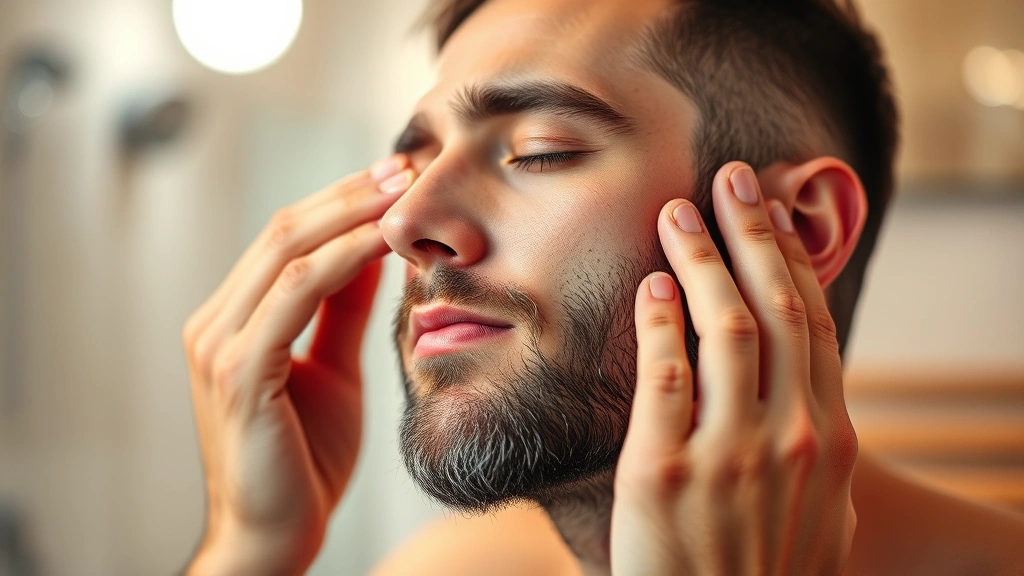
Massage stimulates blood flow to beard-growing regions. Gentle circular massage of patchy areas for 5 minutes daily increases nutrient and oxygen delivery to follicles. Studies on scalp massage show 5-10% improvement in hair thickness with consistent practice—similar benefits apply to facial beard areas. This costs nothing, requires no equipment, and produces measurable results.
Avoid irritating grooming practices that disrupt growth cycles. Excessive trimming, harsh beard straightening, or aggressive brushing damages emerging hairs and creates the appearance of patchiness. Allow your beard to grow undisturbed for at least 90 days—the time required for most follicles to complete growth cycles. Light shaping maintains aesthetics without sacrificing density.
Lifestyle Modifications Maximizing Beard Growth Potential
Dermatologists increasingly recognize that systemic health directly influences beard quality. Optimizing lifestyle factors compounds the effects of targeted treatments and nutritional support, creating dramatic improvements in density and evenness.
Sleep quality regulates hormone production, including testosterone and DHT. Poor sleep (less than 7 hours nightly) suppresses these hormones and impairs follicle cycling. Conversely, consistent 7-9 hour sleep schedules maximize hormonal optimization for beard growth. Sleep deprivation also elevates cortisol (stress hormone), which actively suppresses beard growth—another reason consistent sleep matters profoundly.
Stress management directly impacts beard density through multiple mechanisms. Chronic stress elevates cortisol, shifting follicles from growth phase to resting phase prematurely. This explains why men under sustained stress often experience sudden patchy growth or hair loss. Meditation, exercise, time in nature, and social connection all reduce cortisol and improve beard outcomes. Adopting a growth mindset toward challenges paradoxically reduces stress by shifting your psychological relationship with obstacles.
Exercise benefits beard growth through multiple pathways. Resistance training increases testosterone production, supporting beard development. Cardiovascular exercise improves blood flow, delivering nutrients and oxygen to facial follicles. Exercise also reduces stress and improves sleep quality—compounding benefits for beard health. Aim for 150 minutes weekly of moderate cardio plus 2-3 resistance sessions for optimal hormonal and circulatory support.
Alcohol consumption impairs multiple beard-growth mechanisms: it disrupts sleep quality, elevates cortisol, depletes zinc and B vitamins, and reduces testosterone. Limiting alcohol to 1-2 drinks weekly (or eliminating it entirely) removes a significant growth barrier. Many men report noticeable beard improvement within 4-6 weeks of reducing alcohol consumption.
Smoking devastates beard growth through vascular damage, reduced blood flow, and oxidative stress. Smokers consistently show thinner, patchier beards than non-smokers with identical genetics. Quitting smoking produces visible beard improvement within 2-3 months as circulation recovers and oxidative stress diminishes. This alone may resolve patchiness for some men.
Maintaining healthy body composition supports optimal hormone production. Excessive body fat increases estrogen while suppressing testosterone—counterproductive for beard growth. Conversely, severe caloric restriction reduces testosterone production. A balanced approach: gradual fat loss through consistent exercise and moderate caloric deficit optimizes the hormonal environment for beard development. This also aligns with personal growth goals by building discipline and self-respect.
Environmental factors matter more than most men realize. Cold temperatures constrict blood vessels, reducing follicle nutrient delivery. Keeping your face warm (avoiding excessive cold exposure) maintains optimal circulation. Pollution and UV exposure damage skin and follicles—daily sunscreen (SPF 30+) protects skin integrity. These seem minor, but consistency across multiple small factors produces cumulative improvements.
Hydration supports all physiological processes including beard growth. Adequate water intake (3-4 liters daily) ensures proper nutrient transport, hormone regulation, and cellular function. Dehydration impairs these processes, reducing beard density. This simple intervention costs nothing yet produces measurable results.
FAQ: Patchy Beard Growth Solutions
How long does it take to see beard improvement from treatments?
Timeline varies by intervention. Nutritional optimization and lifestyle changes show results within 4-8 weeks. Minoxidil typically requires 3-4 months for visible improvement, with optimal results by 6-12 months. Finasteride takes 3-6 months minimum. PRP injections show results after 2-3 months. Patience proves essential—beard growth follows biological cycles that cannot be rushed, though strategic interventions accelerate natural processes.
Can minoxidil permanently improve beard growth?
Minoxidil produces sustained improvement only while actively used. Discontinuing treatment typically results in return to baseline within 3-6 months. However, it effectively extends growth phases and activates dormant follicles, producing lasting density improvements even after stopping if combined with other interventions like finasteride or improved nutrition. Think of it as removing a brake rather than adding permanent fuel.
Is beard transplantation right for severe patchiness?
Transplantation suits men with stable male pattern baldness and significant patchiness affecting appearance and confidence. Success requires realistic expectations: transplanted hairs grow naturally but require ongoing care. Costs range $4,000-15,000 depending on graft numbers. Consultation with a board-certified dermatologic surgeon determines candidacy and expected results. For most men with patchy growth, medical treatments and optimization produce satisfactory results before considering transplantation.
What if multiple treatments don’t work?
Some men have genetic limitations preventing full beard development. In these cases, accepting your natural pattern and optimizing what grows becomes appropriate. However, most men haven’t exhausted options: combining minoxidil, finasteride, PRP, improved nutrition, and lifestyle optimization produces results in 90%+ of cases. If comprehensive approaches fail, dermatologists can identify underlying medical conditions (thyroid dysfunction, hormonal disorders) requiring treatment.
Can I use beard growth products alongside medical treatments?
Yes, many beard growth products (containing biotin, keratin, or botanical extracts) complement medical treatments safely. However, verify ingredient safety and avoid products making exaggerated claims. Focus on evidence-based supplements (biotin, zinc, vitamin D, iron if deficient) rather than proprietary blends lacking scientific support. Discuss all supplements with your dermatologist to prevent interactions or excessive dosing.
Does beard density improve with age?
Beard density typically peaks between ages 25-35, plateaus through age 45, then gradually declines. Younger men experiencing patchiness often see natural improvement simply aging as follicles mature. However, this doesn’t mandate waiting—optimization strategies accelerate results regardless of age. Older men can still achieve significant improvements through treatments and optimization, though results may take slightly longer.
How does stress specifically affect beard growth?
Chronic stress elevates cortisol, which shifts follicles from anagen (growth) to telogen (resting) phase prematurely. This creates temporary but noticeable patchiness and shedding. Additionally, stress impairs sleep quality and nutrient absorption while increasing inflammation—all suppressing beard growth. Managing stress through meditation, exercise, and social connection directly improves beard density. This demonstrates how self-improvement practices benefit not just mindset but physical health.
Should I trim my beard while trying to improve growth?
Light trimming (removing split ends, maintaining shape) doesn’t harm growth and actually supports it by removing damaged hair that appears thin and patchy. However, aggressive trimming interrupts growth cycles and creates the appearance of patchiness. Allow your beard to grow undisturbed for 90 days minimum to establish full growth cycles, then maintain with light shaping. Patience during the growth phase produces far better results than frequent trimming.
Achieving a full, even beard requires patience, strategic intervention, and commitment to optimization. While genetics establishes your potential, evidence-based dermatological approaches consistently unlock impressive improvements. Start with foundational elements—nutrition, sleep, stress management, skincare—then add targeted treatments if needed. Most men discover that comprehensive optimization produces the dense, even beard they desire, transforming not just appearance but confidence and personal growth through enhanced self-assurance. Your patchy beard isn’t permanent—it’s a solvable challenge awaiting your strategic action.


