
Symbols of Growth: A Psychologist’s Perspective on Personal Transformation
Throughout human history, symbols have served as powerful catalysts for change and transformation. From ancient civilizations to modern psychology, symbols of growth represent far more than abstract concepts—they embody our deepest aspirations for self-improvement and meaningful transformation. As a psychologist studying behavioral change and personal development, I’ve observed that understanding these symbols can fundamentally shift how we approach our own growth journey.
Symbols of growth function as cognitive anchors that activate our motivation systems and reinforce positive behavioral patterns. When we consciously engage with meaningful symbols—whether they’re visual representations, metaphors, or rituals—we create psychological connections that support lasting change. This evidence-based approach to understanding growth symbols bridges the gap between abstract aspiration and concrete action, providing a framework for sustainable personal transformation.
The Psychology Behind Symbols and Growth
Symbols operate at the intersection of neuroscience, psychology, and behavior change. According to research published in the Journal of Personality and Social Psychology, visual symbols and metaphorical representations activate neural pathways associated with goal-setting and motivation. When we encounter a symbol that resonates with our growth aspirations, our brain doesn’t simply register an image—it triggers a cascade of cognitive and emotional responses that can influence our behavior and self-perception.
Carl Jung, the pioneering Swiss psychiatrist, emphasized that symbols access the collective unconscious, connecting individual experience with universal human themes. Growth symbols, in particular, tap into archetypal patterns that humans have recognized across millennia. Whether it’s the spiral representing expansion, the tree symbolizing resilience and nourishment, or the butterfly embodying transformation, these symbols carry psychological weight because they align with fundamental patterns of human development and change.
The concept of growth mindset, popularized by Carol Dweck’s groundbreaking research, demonstrates that our beliefs about growth directly influence our capacity for change. Symbols serve as visual reminders of this mindset, helping us maintain the psychological orientation necessary for sustained development. When symbols become integrated into our environment and daily consciousness, they function as continuous reinforcement mechanisms for the beliefs and behaviors that support growth.
Research from the American Psychological Association shows that environmental cues and symbolic representations significantly impact motivation and behavior. By strategically incorporating growth symbols into our physical and mental spaces, we create what psychologists call “environmental architecture for success”—a framework where our surroundings actively support our transformation goals.

Universal Symbols of Growth Across Cultures
While human cultures express themselves through diverse symbolic systems, certain symbols of growth appear remarkably consistent across geographical and temporal boundaries. This universality suggests deep psychological roots in how humans conceptualize and experience transformation. Understanding these universal symbols provides insight into the fundamental mechanisms of growth that transcend cultural differences.
The tree stands as perhaps the most prevalent symbol of growth across cultures. From Norse mythology’s Yggdrasil to Buddhist teachings, the tree represents stability, nourishment, and expansion. Its roots symbolize foundation and grounding, while its branches reach toward unlimited potential. Psychologically, the tree metaphor resonates because it mirrors our own developmental processes—we require solid foundations to grow upward, and growth occurs gradually through seasons of change and rest.
The spiral represents cyclical growth and evolution. Unlike linear progression, the spiral suggests that growth involves returning to familiar themes at deeper levels of understanding and integration. This symbol aligns with psychological models of development that recognize growth as non-linear, involving periods of consolidation and expansion. The spiral appears in Celtic art, ancient cultures, and modern psychology because it accurately reflects how transformation actually occurs in human consciousness.
Water symbolizes adaptability and transformation. In Taoism and other philosophical traditions, water represents yielding strength—the capacity to flow around obstacles while maintaining persistent movement toward goals. Psychologically, water symbolism connects to emotional fluidity and the capacity to navigate life’s complexities with grace. Personal growth often requires developing this water-like quality of adaptability combined with persistent direction.
The phoenix embodies rebirth and resilience after adversity. This symbol appears across Egyptian, Greek, and Asian cultures, reflecting a universal human experience of overcoming challenges and emerging transformed. From a psychological perspective, the phoenix symbol validates the reality that growth often emerges from difficult experiences, and that our capacity to transform struggle into wisdom is a fundamental aspect of human resilience.
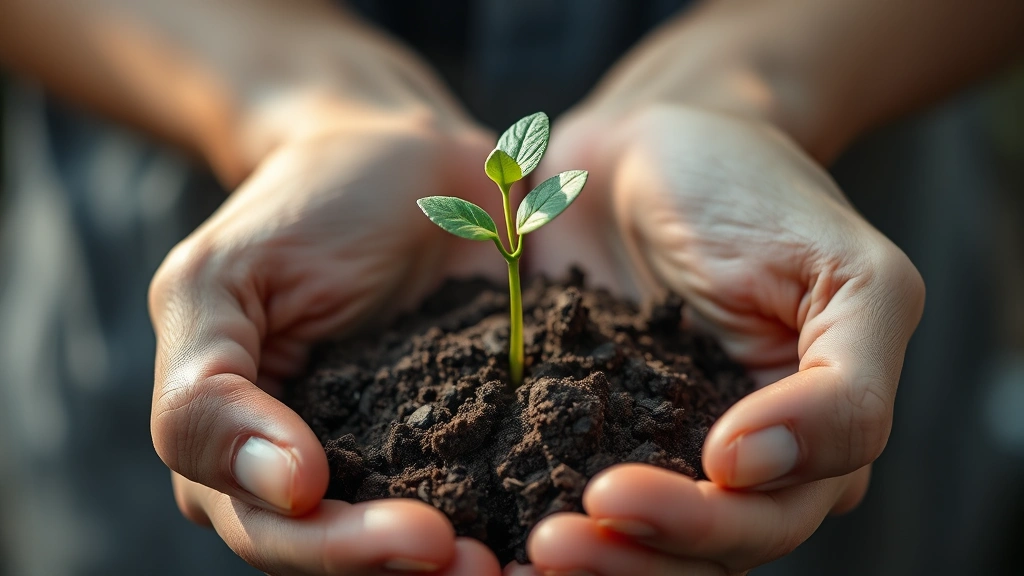
The seed and sprouting plant represent potential and emergence. This symbol acknowledges that growth requires patience, proper conditions, and faith in processes we cannot directly control. Psychologically, working with seed symbolism helps us develop tolerance for the incubation period that precedes visible progress—a crucial mindset for sustainable transformation.
How Symbols Activate Our Transformation Mechanisms
The effectiveness of symbols in supporting growth operates through several distinct psychological mechanisms. Understanding these mechanisms helps explain why symbols work and how to leverage them more effectively in personal development practices.
Cognitive Framing and Mental Models: Symbols reshape how our brain represents challenges and possibilities. When you encounter a symbol of growth, it automatically activates mental models associated with transformation and progress. Research in cognitive linguistics demonstrates that metaphors and symbols literally change how our brain processes information. By regularly engaging with growth symbols, we train our cognitive systems to recognize possibilities and patterns aligned with transformation.
Emotional Resonance and Motivation: Symbols that align with our values and aspirations activate emotional centers in the brain associated with motivation and reward. This emotional engagement creates the psychological energy necessary for sustained effort toward growth. Unlike purely rational arguments, symbols engage both cognitive and emotional systems, creating more powerful and persistent motivation.
Identity Integration: When symbols become part of our identity narrative, they influence how we see ourselves and what behaviors feel natural to us. If you identify as someone engaged in growth—someone represented by the symbol you’ve chosen—your behavior naturally aligns with that identity. This process, called “identity-consistent behavior,” is one of the most powerful mechanisms for sustaining change over time.
Behavioral Anchoring: Symbols function as anchors that connect abstract aspirations to concrete behaviors. Rather than vague intentions to “grow” or “improve,” a specific symbol provides tangible focus. This concreteness makes it easier to translate motivation into action. For instance, increasing motivation becomes more achievable when you have a clear symbolic reference point.
Neuroplasticity and Habit Formation: Repeated exposure to growth symbols literally rewires neural pathways through the process of neuroplasticity. When you consistently engage with a symbol—seeing it, contemplating it, acting from it—you strengthen neural networks associated with growth-oriented thinking and behavior. Over time, growth-supportive patterns become more automatic, requiring less conscious effort to maintain.
Creating Personal Growth Symbols
While universal symbols carry powerful archetypal energy, personally meaningful symbols often prove most effective because they align with your unique psychological makeup and life context. Creating personal growth symbols involves intentionality, self-reflection, and alignment with your authentic values and aspirations.
Begin by identifying what growth means specifically for you. Rather than accepting generic definitions, explore your personal vision. Are you growing toward greater emotional resilience? Creative expression? Professional mastery? Spiritual deepening? Your symbol should reflect your particular growth direction. Write detailed descriptions of what successful growth looks like in your context, what obstacles you anticipate, and what resources you possess.
Next, identify or create visual representations that embody your growth vision. This might involve selecting an existing symbol that resonates, creating original artwork, choosing a natural object, or designing a personal emblem. The symbol should feel emotionally significant—when you encounter it, you should feel a subtle but genuine resonance with your growth aspirations. Test potential symbols over several days, noticing which ones generate sustained motivation and positive association.
Consider symbols with multi-layered meaning. The most powerful personal growth symbols work on multiple levels simultaneously. A river might represent the flow of time, the persistence of water, the journey toward the ocean, and the power of persistent gentle force. This richness allows the symbol to grow with you, revealing new dimensions as your understanding deepens.
Develop a relationship with your symbol through regular contemplation. Rather than passively displaying it, engage actively. Spend time looking at it mindfully, journal about what it means, create rituals around it, or use it as a meditation focal point. This active engagement deepens the psychological integration of the symbol into your consciousness and strengthens its influence on your behavior and self-concept.
Document your symbol’s significance. Write about why you chose it, what it represents for you, how it connects to your values, and what behaviors or mindsets you’re cultivating through it. This documentation creates a personal symbol mythology that strengthens its psychological power and provides reference points when you need to reconnect with your growth intention.
Integrating Symbols Into Your Daily Practice
The ultimate value of symbols emerges when they become integrated into daily life and regular practice. Symbols that remain abstract or distant from daily experience lose their psychological potency. Effective integration requires creating consistent touchpoints between symbol and behavior.
Environmental Placement: Position your growth symbol in spaces where you’ll encounter it regularly—your workspace, bedroom, or the route you walk daily. Each encounter serves as a micro-reminder of your growth commitment, activating relevant neural pathways and reinforcing your growth identity. Environmental cues shape behavior more powerfully than many people recognize, making strategic placement a practical application of environmental psychology.
Morning Intention Setting: Begin each day by contemplating your growth symbol for 2-3 minutes. Set a specific intention aligned with what the symbol represents. This practice frames your day through the lens of growth and primes your brain to notice opportunities for development. This aligns with research on intention setting and behavior change, which demonstrates that explicit intention dramatically increases the likelihood of goal-aligned action.
Symbolic Rituals: Develop simple rituals incorporating your symbol. This might involve touching or looking at it while affirming your growth commitment, using it as a meditation focus, or incorporating it into creative practices. Rituals create psychological structure around your growth work, transforming abstract aspiration into embodied practice. The power of ritual lies partly in its repetition—each iteration strengthens the psychological associations and behavioral patterns you’re cultivating.
Journaling and Reflection: Use your symbol as a prompt for regular reflection. Ask yourself: How have I embodied this symbol’s qualities this week? Where did I grow? Where did I resist growth? What would growth look like in my current challenge? This reflective practice maintains conscious engagement with your symbol and deepens your understanding of how growth actually manifests in your life.
Sharing and Community: Consider sharing your growth symbol and its meaning with trusted friends or community members. Articulating your symbol’s significance to others deepens your own understanding and creates social accountability. Additionally, others may offer perspectives on your symbol that reveal new dimensions, enriching your engagement with it. This aligns with research showing that social support and accountability significantly enhance sustained behavior change.
Evolution and Renewal: Allow your symbol to evolve as you grow. You might add to it, reinterpret it, or eventually transition to a new symbol that better reflects your current growth direction. This evolutionary process honors the reality that growth is ongoing, and symbols that once served you perfectly may eventually need updating. Periodically reassessing your symbol prevents it from becoming stale or disconnected from your authentic development.
Integrating symbols into your growth journey transforms abstract aspirations into tangible, psychologically reinforced patterns. Whether you’re working with universal symbols or personal creations, the key is consistent, intentional engagement. Symbols become most powerful not when they’re intellectually understood but when they’re lived—when they influence how you perceive possibilities, how you respond to challenges, and how you recognize and celebrate progress.
FAQ
Why are symbols more effective than written goals for personal growth?
Symbols engage multiple cognitive and emotional systems simultaneously. While written goals activate logical planning areas of the brain, symbols activate emotional, intuitive, and visual-spatial systems as well. This multi-system engagement creates more robust psychological change. Additionally, symbols work continuously—even unconscious exposure influences your thinking and behavior—whereas written goals require active cognitive engagement. Both approaches work best when combined, using symbols to reinforce the emotional and intuitive dimensions of goal pursuit.
Can I use multiple growth symbols simultaneously?
Yes, using multiple symbols can be effective if they represent different dimensions of your growth. For instance, one symbol might represent resilience, another creativity, and another emotional depth. However, avoid excessive complexity—3-5 symbols is typically optimal. Each symbol should have clear, distinct meaning to prevent confusion. Ensure the symbols complement rather than contradict each other, working together to support a coherent vision of your growth.
How long does it take for a symbol to influence behavior?
Research on habit formation and behavioral change suggests that consistent engagement with symbols typically produces noticeable effects within 2-4 weeks, though deeper integration continues over months. The timeline depends on how frequently you interact with the symbol, the emotional resonance it generates, and your existing readiness for change. Symbols work best when combined with other growth practices—they amplify rather than replace deliberate effort toward change.
What if I don’t resonate emotionally with common growth symbols?
This is perfectly normal and actually indicates you should create a personal symbol. Universal symbols work for many people, but authentic personal meaning is more powerful than culturally validated symbols. Trust your intuition about what represents growth for you. Your symbol might be unconventional—a specific animal, color, object, or image that holds personal significance. The emotional resonance matters far more than external validation.
How do symbols relate to growth mindset?
Symbols are powerful tools for embodying and maintaining a growth mindset. They serve as constant reminders that abilities develop through effort, that challenges are opportunities, and that failure provides information for learning. When your symbol represents growth as a process rather than a destination, it reinforces the fundamental mindset shift toward seeing obstacles as pathways rather than barriers. Symbols make abstract growth mindset concepts concrete and emotionally resonant.
Can symbols lose their effectiveness over time?
Yes, symbols can become psychologically invisible through overexposure without active engagement. To maintain effectiveness, regularly refresh your relationship with your symbol through intentional practice. Vary how you interact with it, deepen your understanding of its meaning, or periodically reassess whether it still aligns with your growth direction. Symbols remain powerful when they’re engaged with consciously rather than passively displayed.


