
Growth Plate Closure: Expert Insights Explained
Understanding whether your growth plates have closed is crucial for anyone concerned about their physical development, athletic potential, or long-term health outcomes. Growth plates, also known as epiphyseal plates, are areas of cartilage located near the ends of long bones in children and adolescents. These specialized zones of tissue are responsible for bone lengthening and are among the last parts of the skeleton to mature. The closure of growth plates marks the end of linear growth potential, making it essential to recognize the signs and understand the implications for your future development.
Whether you’re a parent monitoring your child’s development, an athlete planning your training regimen, or simply curious about your own physical maturation, knowing how to identify closed growth plates can significantly impact your decision-making. This comprehensive guide explores the mechanisms of growth plate closure, the telltale signs that indicate your plates have fully ossified, and what this means for your continued personal and physical development journey.
What Are Growth Plates and How Do They Work
Growth plates are thin layers of hyaline cartilage found in the metaphyseal regions of long bones, situated between the shaft (diaphysis) and the rounded end (epiphysis) of bones. During childhood and adolescence, these plates remain relatively soft and flexible, allowing them to generate new bone tissue through a process called endochondral ossification. This biological mechanism enables bones to elongate, facilitating the dramatic increases in height and skeletal size that characterize the growing years.
The growth plate structure consists of several distinct zones, each with specific functions in bone development. The reserve zone maintains a population of resting cartilage cells, the proliferative zone experiences rapid cell division and multiplication, the hypertrophic zone contains enlarged cells preparing for mineralization, and the calcification zone undergoes transformation into bone tissue. This sophisticated system operates under the influence of multiple hormonal signals, including growth hormone, thyroid hormones, and sex steroids, which regulate the pace of bone elongation.
As individuals progress through puberty and early adulthood, the growth plates gradually undergo ossification—a process where cartilage is progressively replaced by bone tissue. This transformation is gradual and doesn’t occur simultaneously across all growth plates in the body. Different bones close their growth plates at different times, following a relatively predictable sequence that varies between males and females.

Signs Your Growth Plates Have Closed
Identifying whether your growth plates have closed requires understanding both the physical manifestations and the limitations that emerge once ossification is complete. One of the most obvious signs is the cessation of height increase. If you’ve maintained the same height for 12-24 months without any measurable growth, this strongly suggests that your primary growth plates have closed. However, this indicator alone isn’t definitive, as growth rates naturally slow considerably during late adolescence before stopping entirely.
Physical changes in your skeletal structure provide additional clues about growth plate status. Once plates are fully closed, you’ll notice that your bones feel denser and more rigid. The areas where growth plates previously existed—typically around the knees, ankles, shoulders, and wrists—will show no tenderness or sensitivity to pressure. In contrast, open growth plates can be somewhat tender, especially during growth spurts when they’re particularly active.
Pain patterns also shift after growth plate closure. If you previously experienced growing pains during periods of rapid growth, these should completely resolve once plates are closed. Growing pains typically manifest as aching in the legs and arms during evening hours or after physical activity in children with active growth plates. Their absence over an extended period suggests skeletal maturation is complete.
Another significant indicator involves your response to physical training and athletic performance. With closed growth plates, your training responses stabilize in predictable patterns. The rapid strength gains and dramatic performance improvements sometimes seen in adolescents with open plates plateau once ossification is complete. Your physical capabilities reach a more stable baseline, and further improvements require consistent, progressive training rather than the accelerated gains possible during the growth years.
Age Ranges for Growth Plate Closure
Growth plate closure follows a relatively consistent timeline, though individual variation is substantial. Understanding these general age ranges helps contextualize your own development within normal parameters. In females, growth plates typically begin closing between ages 13-15 and complete closure usually occurs by ages 16-18. Males follow a slightly delayed pattern, with initial closure around ages 15-17 and complete closure typically achieved by ages 18-21.
However, these timelines represent averages, and considerable individual variation exists based on genetics, nutrition, hormonal status, and overall health. Some individuals may experience complete closure several years earlier or later than these typical ranges. Early closure can result from certain medical conditions, previous injuries, or hormonal imbalances, while delayed closure sometimes occurs in individuals with growth hormone deficiencies or other endocrine conditions.
The closure sequence follows a predictable pattern across the skeleton. Growth plates in the hands and feet typically close first, followed by those in the forearms and lower legs. The growth plates in the femur (thighbone) and humerus (upper arm bone) generally close somewhat later. The vertebral growth plates in the spine are among the last to ossify, sometimes not completing closure until the mid-twenties in some individuals.
Understanding your family history provides valuable context for predicting your own closure timeline. If your parents achieved their adult height relatively early or late, you’re likely to follow a similar pattern. Ethnic and genetic backgrounds also influence timing, with research suggesting some populations experience slightly earlier or later closure patterns than others.
Medical Methods to Confirm Closure
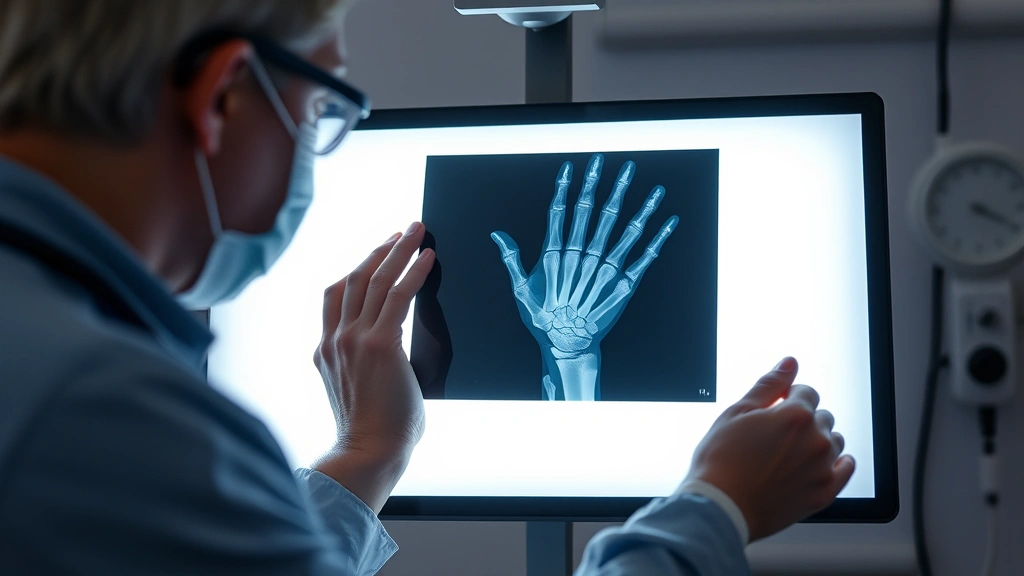
If you need definitive confirmation about growth plate status, several medical imaging techniques can provide conclusive evidence. X-ray imaging remains the gold standard for assessing growth plate closure. A radiologist can examine the specific areas where growth plates exist and determine whether they’ve completely ossified or remain open. The appearance changes dramatically between open and closed plates—open plates appear as distinct lines of radiolucency (darkness) between the bone segments, while closed plates show complete bony continuity with no visible cartilage line.
Your healthcare provider will typically order X-rays of the hand and wrist as an initial assessment, as these areas are easily accessible and show clear closure patterns. Additional imaging of the knee, ankle, or shoulder may be requested depending on your specific concerns. The entire process is quick, involves minimal radiation exposure, and provides immediate, reliable results.
Advanced imaging techniques like MRI (magnetic resonance imaging) offer even greater detail about growth plate status and can detect subtle changes in cartilage composition before complete ossification is visible on standard X-rays. However, MRI is typically reserved for cases where more detailed information is clinically necessary, as it’s more expensive and time-consuming than basic radiography.
A physical examination by an orthopedic specialist or sports medicine physician can also provide valuable insights. These professionals can assess your skeletal maturity through physical findings, evaluate your growth patterns over time if previous measurements are available, and discuss your individual circumstances. They may also assess your bone age using standardized reference atlases that compare your skeletal development to established norms for your chronological age.
Growth Plates and Physical Performance
Understanding growth plate closure has profound implications for athletic training, injury prevention, and realistic goal-setting. During the years when growth plates remain open, bones are inherently more vulnerable to specific types of injuries. Growth plate fractures represent a distinct injury category that requires different treatment approaches than simple bone fractures. Young athletes with open growth plates must avoid certain high-impact activities and exercise progressions that could compromise the integrity of these developing structures.
Once growth plates have closed, your skeletal system achieves its final dimensions and structural maturity. This transition allows for more aggressive training protocols and higher-impact activities that would be inappropriate for younger individuals. However, it also means that any remaining potential for height increase is permanently eliminated. This reality makes it particularly important for young athletes to understand their own growth plate status when making long-term training decisions.
The concept of developing a growth mindset extends beyond physical development. While your bones may stop growing, your capacity for improvement in strength, endurance, skill, and athletic performance continues throughout life. Research from the American Psychological Association on growth mindset demonstrates that believing in your capacity for continued improvement significantly enhances actual performance outcomes.
For individuals planning effective goal-setting strategies, understanding your growth plate status helps establish realistic timelines. Young athletes should set different types of goals during the growth years versus after maturity. During adolescence, goals might focus on skill development and training consistency. After growth plate closure, goals can emphasize progressive strength increases, performance benchmarks, and competitive achievements.
The closure of growth plates also influences recovery patterns and training frequency. Mature skeletons typically recover from training stress more predictably than developing ones, allowing for more consistent training progression. This stability enables implementation of periodized training programs that systematically build strength and performance over extended periods.
Research from the National Center for Biotechnology Information on skeletal maturity and athletic performance indicates that understanding your developmental stage is crucial for optimizing training outcomes and preventing injuries. Athletes who train appropriately for their skeletal maturity status show better long-term performance trajectories than those who push beyond their developmental readiness.
For those interested in increasing motivation during physical training, recognizing the transition from growth years to skeletal maturity can serve as a powerful milestone. This shift represents a transition from potential-based growth to achievement-based performance, offering a psychological reframing that can enhance motivation and commitment to long-term training goals.
FAQ
Can growth plates reopen after closing?
No, growth plates cannot reopen once they’ve completely ossified. The transformation from cartilage to bone is irreversible. However, it’s important to distinguish between complete closure and the gradual ossification process. Growth plates don’t close instantaneously—they gradually ossify over months or years. During this transition period, some growth potential may remain even if imaging shows partial closure. Once complete ossification is confirmed, no further linear bone growth is possible.
What happens if growth plates close too early?
Premature growth plate closure can result from injuries, infections, hormonal imbalances, radiation exposure, or certain genetic conditions. Early closure typically results in shorter final stature compared to genetic potential. Medical intervention depends on the underlying cause and severity. Some conditions may be treatable if identified early, potentially slowing or preventing premature closure. Consulting with an endocrinologist or orthopedic specialist is essential if premature closure is suspected.
Can you still grow taller after growth plates close?
Linear height growth stops once growth plates completely ossify. However, minor height changes can occur through postural improvements, spinal decompression during sleep, or resolution of conditions that compress the spine. These changes are typically minimal (less than half an inch) and temporary. The primary method for increasing functional height after growth plate closure involves optimizing posture and core strength.
How accurate are growth plate closure predictions?
Growth plate closure follows predictable patterns, but individual variation is substantial. Predictions based on current age and growth rate can be reasonably accurate within 1-2 years, but some individuals deviate significantly from average timelines. Factors including genetics, nutrition, hormonal status, and overall health influence actual closure timing. Imaging provides definitive confirmation, while predictions offer useful guidance for planning and goal-setting.
Do growth plates close at different times in different bones?
Yes, growth plate closure occurs sequentially rather than simultaneously across the skeleton. Plates in smaller bones like those in the hands and feet typically close first, while larger bones close later. Vertebral growth plates are often among the last to close. This staggered closure pattern means that some growth potential may remain in certain bones even as others have completely ossified.
What’s the relationship between growth plate closure and personal growth?
While physical growth plates eventually close, the capacity for personal development continues throughout life. The closure of biological growth plates can serve as a metaphorical transition point toward more intentional, achievement-focused personal development. Understanding that physical growth has limits can motivate individuals to focus on developing skills, knowledge, character, and capabilities that continue expanding indefinitely.


