Bee Pollen for Breast Growth: Myth or Miracle?
The wellness industry is flooded with natural supplements promising transformative results, and bee pollen has emerged as one of the most talked-about substances for body enhancement. From social media testimonials to wellness blogs, claims about bee pollen’s ability to promote breast growth have captured the attention of thousands seeking natural alternatives to invasive procedures. But beneath the hype lies an important question: is there genuine scientific evidence supporting these claims, or are we witnessing another case of marketing mythology masquerading as medical fact?
Understanding the difference between evidence-based health claims and wishful thinking is crucial for making informed decisions about your body and wellness journey. This comprehensive exploration examines bee pollen’s composition, the mechanisms behind growth claims, scientific research findings, and what actually works when it comes to natural breast enhancement. Whether you’re curious about supplementation for personal growth or simply seeking truth in an ocean of wellness claims, this guide provides clarity grounded in research rather than rhetoric.
What Is Bee Pollen?
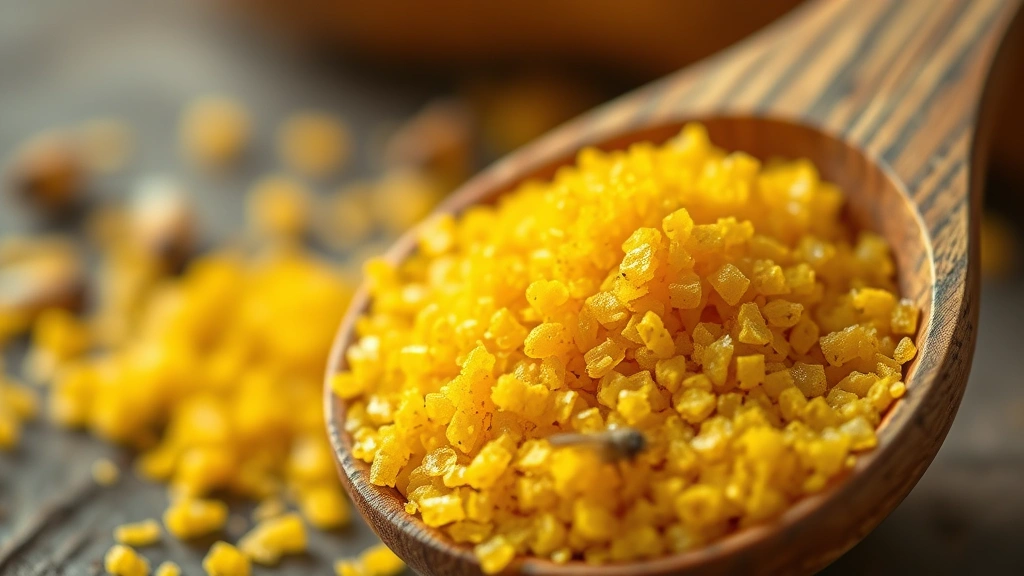
Bee pollen is a granular substance collected by honeybees as they travel between flowers. When bees visit blossoms, pollen sticks to their bodies, and they actively collect it using specialized structures on their legs called pollen baskets or corbiculae. These industrious insects then transport the pollen back to their hives, where it becomes a vital protein source for the colony. Beekeepers harvest this golden substance by placing pollen traps at hive entrances, collecting the granules that fall off as bees return home.
What makes bee pollen nutritionally interesting is its concentrated composition of plant-derived compounds. Unlike isolated flower pollen, bee pollen includes bee secretions that enhance its nutritional profile. It contains approximately 250 different substances, including amino acids, vitamins, minerals, enzymes, and phytonutrients. The exact composition varies significantly depending on which flowers bees visited, the geographic location, the season, and environmental conditions. This variability is crucial to understanding why research findings can sometimes conflict—different batches of bee pollen may have dramatically different nutrient ratios.
Nutritional Composition and Claimed Benefits
Bee pollen typically contains all nine essential amino acids, making it a complete protein source. It’s also rich in B-complex vitamins, vitamin C, and minerals including potassium, calcium, magnesium, zinc, and iron. Additionally, bee pollen contains carotenoids, flavonoids, and other antioxidants that support overall wellness. These genuine nutritional attributes have led to legitimate health applications in traditional medicine systems and modern supplementation.
The problem arises when these real nutritional benefits get extrapolated into claims about specific body transformations. Proponents suggest that bee pollen’s hormone-like compounds could stimulate estrogen production or directly influence breast tissue growth. They point to its phytoestrogen content—plant compounds that can weakly mimic estrogen in the body—as the mechanism. While phytoestrogens are real and do exist in bee pollen, the leap from their presence to guaranteed breast growth is scientifically unjustified. This represents a common pattern in supplement marketing: starting with truth and extending it far beyond what evidence supports.
When developing goals for health improvement, it’s essential to distinguish between supplements that support general wellness and those making specific transformation claims. Bee pollen genuinely supports energy levels, immune function, and nutritional status—these are documented benefits worthy of consideration. Breast growth, however, remains unproven.
The Breast Growth Claims: What’s the Evidence?
The internet is saturated with anecdotal testimonies from women claiming bee pollen dramatically increased their breast size. These stories, while emotionally compelling, represent anecdotal evidence—the weakest form of scientific proof. Anecdotes lack control groups, cannot account for placebo effects, and cannot rule out coincidental timing with puberty, hormonal birth control, weight gain, or natural fluctuations in breast size.
Several factors explain why people genuinely believe bee pollen worked for them. The placebo effect is remarkably powerful, particularly for subjective changes like breast size. If someone expects results and feels they’re investing in their appearance, they may perceive changes that haven’t actually occurred. Additionally, women often experience natural breast size fluctuations throughout their menstrual cycles, and someone taking bee pollen might coincidentally notice these normal changes during supplementation. Weight gain from any supplement or dietary change could also contribute to perceived breast enlargement, as breast tissue includes adipose (fat) cells.
Perhaps most importantly, confirmation bias plays a significant role. Once someone believes bee pollen works, they interpret ambiguous evidence as confirmation. A slightly tighter bra might be reinterpreted as growth rather than normal variation. Photos taken with different lighting, angles, or posture are compared and interpreted as evidence of change. Without rigorous measurement and blinded assessment, these comparisons are unreliable.
A critical search of medical databases reveals virtually no peer-reviewed clinical trials specifically examining bee pollen’s effects on breast growth or development. This absence of research is telling. If bee pollen genuinely produced measurable breast growth, such a remarkable claim would have attracted significant scientific attention and funding for investigation. The lack of studies doesn’t prove bee pollen doesn’t work, but it does indicate that any effects are either too small to measure reliably, too inconsistent to detect, or nonexistent.
What Scientific Research Actually Shows
While bee pollen’s impact on breast growth remains unproven, research does document legitimate health benefits from bee pollen supplementation. Studies published in journals like the Journal of the Science of Food and Agriculture and Nutrition Reviews demonstrate that bee pollen can enhance athletic performance, reduce inflammation, support immune function, and improve digestive health. These benefits explain why bee pollen has been used in traditional medicine for centuries and why it remains popular among health-conscious individuals.
Research on bee pollen’s hormonal effects reveals a more nuanced picture than marketing claims suggest. While bee pollen does contain phytoestrogens, the quantity is modest compared to other common foods. Soy, flaxseeds, chickpeas, and numerous vegetables contain significantly higher levels of phytoestrogens. If phytoestrogen content determined breast growth, populations consuming traditional soy-based diets would show dramatically larger breast sizes—they don’t. This natural experiment suggests that dietary phytoestrogens alone cannot drive substantial breast growth.
A systematic review in PubMed examining phytoestrogens and breast health found that while phytoestrogens may have modest estrogenic effects, the evidence for direct breast tissue growth is absent. The body carefully regulates hormone levels through complex feedback mechanisms, and consuming foods or supplements with weak estrogenic activity doesn’t simply increase circulating estrogen to growth-promoting levels.
When seeking to improve yourself through supplementation, it’s important to consult research from authoritative sources. The National Center for Complementary and Integrative Health provides evidence-based information about supplement efficacy, and their assessment of bee pollen acknowledges benefits for general wellness while noting insufficient evidence for specific transformation claims.
Hormonal Factors in Breast Development
Understanding breast development requires grasping the complex hormonal symphony that controls it. Breast tissue growth is primarily driven by estrogen and progesterone, hormones produced mainly by the ovaries. During puberty, rising estrogen levels trigger breast development—a process that typically takes several years and is largely determined by genetics. By adulthood, breast size is relatively stable unless dramatic hormonal shifts occur.
The factors that actually influence adult breast size include genetics (the strongest determinant), body weight and composition, pregnancy and lactation, hormonal contraceptives, and hormone replacement therapy. Notably absent from this list is dietary supplementation with foods containing trace amounts of phytoestrogens. The body maintains tight hormonal homeostasis; consuming bee pollen won’t significantly elevate circulating estrogen levels beyond normal ranges in healthy individuals.
For breast growth to occur in adults, either estrogen levels must increase substantially or breast tissue must become more sensitive to existing estrogen levels. Bee pollen cannot achieve the first outcome because its phytoestrogen content is too modest and the body’s regulatory systems prevent uncontrolled hormonal escalation. The second scenario—increased tissue sensitivity—has no plausible mechanism by which bee pollen could operate. This is why focusing on increasing motivation toward realistic health goals produces better results than chasing supplement-based miracles.
Certain medical conditions and medications do affect breast size in adults. Hormonal birth control can increase breast size in some women, typically through water retention and increased adipose tissue. Thyroid disorders, prolactin abnormalities, and various endocrine conditions can influence breast development. However, these represent pathological or pharmaceutical interventions, not the subtle effects of dietary supplements. If someone experiences significant breast growth after starting bee pollen, investigating whether concurrent hormonal changes occurred (new birth control, thyroid issues, pregnancy) would likely reveal the true cause.
Realistic Approaches to Natural Breast Enhancement
If you’re interested in enhancing your breast appearance naturally, evidence-based approaches exist that genuinely work. These strategies won’t dramatically increase breast size in the way surgery does, but they can optimize your natural appearance and boost confidence through legitimate means.
Body composition optimization represents the most effective natural approach. Breast tissue includes significant adipose (fat) tissue, so overall body composition influences breast appearance. Reducing overall body fat percentage while maintaining muscle mass can enhance breast definition and shape. Conversely, strategic weight gain in some individuals can increase breast size. This requires working with your natural body type and metabolism, not fighting against them.
Chest muscle development provides real, measurable results. Exercises targeting the pectoralis major and minor muscles—including push-ups, chest presses, and flyes—build muscle beneath breast tissue, creating lift and enhanced shape. Unlike bee pollen, chest exercises produce visible, lasting results backed by biomechanics and anatomy. Consistently performing these exercises creates noticeable improvement in breast projection and upper chest definition within weeks.
Proper bra fitting is surprisingly transformative. Most women wear incorrectly sized bras, which dramatically undermines their natural appearance. A professional fitting from a specialty lingerie store can reveal your true size and identify styles that provide optimal support and enhancement. The right bra can create the appearance of an increase of one to two cup sizes through proper support and shaping.
Posture improvement deserves emphasis in this context. Slouching compresses the chest and makes breasts appear smaller and saggier. Developing strong posture—through both awareness and back muscle training—instantly enhances breast appearance by lifting and projecting them forward. This free, immediate benefit costs nothing and requires only consistent attention.
If you’re committed to working smarter, not harder, focus on these proven approaches rather than waiting for bee pollen miracles. These strategies produce measurable results grounded in exercise physiology, anatomy, and physics.
Safety Concerns and Potential Side Effects
While bee pollen is generally considered safe for most people, important caveats exist. Individuals with bee allergies or pollen allergies risk allergic reactions ranging from mild itching to severe anaphylaxis. Because bee pollen is collected directly from flowers, it may contain residual pesticides or environmental contaminants depending on collection location. Quality control varies significantly among manufacturers, and some products may be contaminated or mislabeled.
Bee pollen can interact with blood thinners and may increase bleeding risk in susceptible individuals. People taking anticoagulant medications should consult healthcare providers before supplementing. Additionally, because bee pollen can have mild estrogenic effects, individuals with hormone-sensitive conditions like breast cancer should avoid it without medical clearance.
The most insidious risk isn’t physical but psychological. Believing in bee pollen’s breast-growth potential may delay seeking evidence-based solutions or investigating underlying health issues. If someone experiences unexpected breast changes, investigating the actual cause—hormonal imbalances, thyroid dysfunction, medication effects—matters far more than starting bee pollen. Similarly, relying on ineffective supplements delays pursuing approaches that actually work.
Supplement regulation in the United States is notably lax compared to pharmaceutical oversight. The FDA doesn’t require pre-market approval for supplements, and manufacturers aren’t required to prove efficacy or safety before marketing. This regulatory gap allows exaggerated claims to flourish. When evaluating any supplement, checking whether the manufacturer has third-party testing certification from organizations like NSF International or USP provides some assurance of quality.
Building a growth mindset includes developing healthy skepticism about miracle solutions. True growth in any area—physical, professional, or personal—results from consistent effort applied to evidence-based strategies, not from hoping supplements deliver transformation.
FAQ
Does bee pollen actually increase breast size?
No scientific evidence supports bee pollen’s ability to increase breast size. While bee pollen contains phytoestrogens and legitimate nutritional benefits, these don’t translate to measurable breast growth. Anecdotal claims lack the rigor of controlled studies, and no peer-reviewed research demonstrates this effect. Breast size is primarily determined by genetics, hormones, body composition, and overall health—factors bee pollen cannot substantially influence.
How long does it take to see results from bee pollen?
This question assumes results will occur, which isn’t supported by evidence. However, people claiming bee pollen benefits typically report noticing changes within weeks to months. These perceived changes likely result from placebo effect, normal hormonal fluctuations, weight changes, or confirmation bias rather than actual breast growth.
Can bee pollen cause hormonal imbalances?
Bee pollen is unlikely to cause significant hormonal imbalances in healthy individuals because the phytoestrogen content is modest and the body’s regulatory systems maintain hormonal homeostasis. However, individuals with existing endocrine disorders or those taking hormone-sensitive medications should consult healthcare providers before supplementing.
What’s the safest way to enhance breast appearance naturally?
The safest, most effective approaches include optimizing body composition through exercise and nutrition, performing chest-strengthening exercises, wearing properly fitted bras, and improving posture. These methods produce real, visible results grounded in anatomy and exercise physiology.
Are there any supplements that actually increase breast size?
No supplements have demonstrated the ability to significantly increase breast size in clinical trials. Certain medications and hormonal interventions can influence breast tissue, but these work through different mechanisms than nutritional supplements and require medical supervision. Surgery remains the only reliably effective method for substantial breast enlargement.
Why do so many people claim bee pollen works?
Anecdotal reports reflect the power of placebo effect, confirmation bias, coincidental timing with natural hormonal fluctuations, and normal breast size variations throughout menstrual cycles. Additionally, marketing and social media amplify positive testimonials while filtering out negative experiences or neutral results.
Is bee pollen safe to take long-term?
For most people without allergies or contraindications, bee pollen is generally safe for long-term use. However, quality varies among manufacturers, so choosing products with third-party testing is important. Anyone with bee allergies, pollen sensitivities, or those taking blood thinners should avoid bee pollen or consult healthcare providers first.
Should I waste money on bee pollen for breast growth?
If your primary motivation is breast growth, bee pollen represents an ineffective use of money with no credible evidence of benefit for this specific goal. However, if you’re interested in bee pollen for its documented general health benefits—energy support, immune function, antioxidant protection—and you’re willing to accept that breast growth won’t result, it may be worth trying after confirming safety with your healthcare provider.


