
Master Beard Growth Stages: Dermatologist Insights
Growing a beard is more than just deciding to stop shaving. It’s a biological process involving multiple stages of hair development, each with distinct characteristics and challenges. Understanding these beard growth stages empowers you to navigate the journey with confidence, knowing exactly what to expect at each phase. Dermatologists have extensively studied facial hair development, revealing fascinating insights about how your genetics, hormones, and daily habits influence beard quality and growth rate.
Whether you’re growing your first beard or your tenth, the science remains consistent. Your beard doesn’t grow uniformly or overnight—it follows a predictable pattern that typically takes three to six months to reach a respectable length. By understanding these stages, you can implement targeted strategies to maximize growth, minimize irritation, and achieve the beard you envision. This guide combines dermatological research with practical wisdom to help you master every phase of beard development.
Stage 1: The Stubble Phase (Weeks 1-2)
The first two weeks of beard growth represent the stubble phase, where you’ll notice visible facial hair emerging from your skin. During this period, your beard grows approximately 0.3 to 0.4 millimeters per day, which may seem slow but accumulates noticeably within days. This stage is often the easiest psychologically because you can see immediate results, and the stubble typically looks intentional and stylish.
Dermatologists note that this phase involves hair breaking through the epidermis after being dormant in follicles. The hair you see has actually been growing beneath your skin for weeks; you’re simply now observing it at the surface. The stubble often appears darker and denser than it will later because the hair is short and hasn’t yet bent or curved with length.
During this stage, focus on maintaining clean skin. Wash your face twice daily with a gentle cleanser to remove dead skin cells and prevent ingrown hairs. Many men experience mild itching as hair emerges, but this typically subsides within a few days. Resist the urge to scratch aggressively, as this can irritate skin and potentially cause infection. If you’re serious about setting achievable goals for your beard journey, establish a daily skincare routine now that you’ll maintain throughout all beard growth stages.
Stage 2: The Itchy Phase (Weeks 3-6)
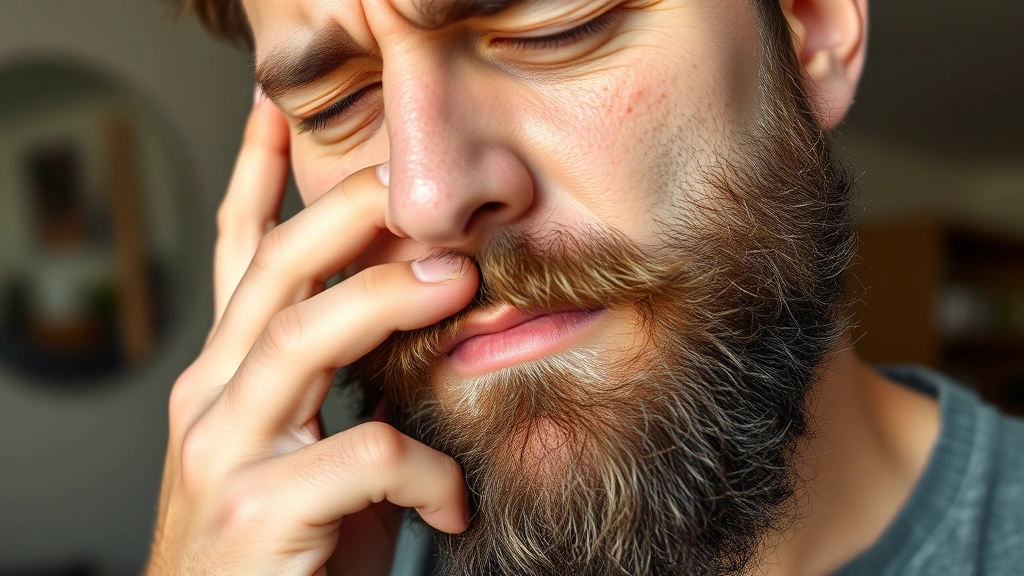
Weeks three through six constitute the infamous itchy phase, where many men abandon their beard-growing ambitions. This is the most challenging period psychologically and physically. The itching occurs because hair is growing outward while still being somewhat trapped beneath the skin surface, and dead skin cells accumulate around emerging hair. Additionally, your skin is adjusting to the presence of facial hair after weeks or months of shaving.
This stage typically sees beard growth accelerating to approximately 0.5 millimeters daily. The hair becomes longer, but it’s still relatively short and prone to curling back toward the skin, creating the perfect conditions for irritation. Dermatologists recommend this is the critical moment where proper care determines whether you’ll successfully push through or surrender.
Combat itching with a dedicated beard care routine. Invest in a quality beard oil or balm containing natural moisturizers like jojoba oil, argan oil, or coconut oil. Apply these products daily, preferably twice—once after showering and once before bed. The oil serves multiple purposes: it moisturizes the skin beneath your beard, conditions the emerging hair, and reduces the likelihood of ingrown hairs. Consider using a soft beard brush to gently exfoliate the area and stimulate blood flow, which promotes healthier growth.
Hydration matters significantly during this phase. Drink adequate water daily and consider increasing your intake of omega-3 fatty acids through diet or supplements. These nutrients support skin health and can reduce inflammation that contributes to itching. Many dermatologists recommend avoiding harsh soaps during this period, as they strip natural oils from your skin and exacerbate irritation.
Maintaining consistent motivation through this phase is crucial. Remind yourself that itching is temporary and indicates healthy growth rather than a problem. Set small milestones—perhaps reaching the two-week mark or the four-week mark—and celebrate these achievements.
Stage 3: The Awkward Phase (Weeks 7-12)
The awkward phase, spanning weeks seven through twelve, is where your beard reaches a length that’s no longer obviously stubble but not yet fully formed. This stage frustrates many men because the beard looks somewhat scraggly and undefined. However, this is precisely where patience separates successful beard growers from those who quit.
During this period, beard growth continues at approximately 0.5 millimeters daily, meaning you’re adding roughly three and a half millimeters weekly. Over the course of six weeks, this translates to approximately two centimeters of growth. Your beard now reaches lengths where styling becomes possible, though options remain limited.
The awkward phase requires strategic styling to maintain a polished appearance. Many men find that keeping their beard trimmed to a consistent length while allowing it to grow longer overall helps manage the appearance. This involves trimming stray hairs that grow at different angles while maintaining overall length. Think of it like personal growth—sometimes you need to prune unproductive behaviors while nurturing the fundamentals of your vision.
Invest in quality beard trimming tools during this phase. A precision beard trimmer with multiple guard lengths allows you to maintain shape without significantly cutting length. Many dermatologists recommend trimming every two weeks during this stage to remove split ends and encourage healthier growth. Split ends can travel up the hair shaft, potentially weakening your entire beard if left unchecked.
Continue your skincare routine with added emphasis on beard conditioning. As your beard grows longer, the natural oils from your scalp have difficulty traveling down the entire length of each hair, making external conditioning increasingly important. Apply beard balm or oil throughout the day as needed, paying special attention to the ends of your beard where dryness is most likely.
Stage 4: The Filling Phase (Months 3-4)
Months three and four represent the filling phase, where your beard begins developing density and character. By this point, you’ve grown approximately six to eight centimeters of facial hair, and the awkward phase is behind you. Your beard now has enough length to style in multiple ways, and individual hairs have begun developing the texture and curl patterns that define your unique beard.
Growth rate may slow slightly during this phase to approximately 0.4 to 0.5 millimeters daily, but the visual transformation is dramatic. Gaps that seemed pronounced earlier fill in as hair grows longer and overlaps. Your beard’s true color, texture, and density become apparent. Some men notice their beard contains multiple colors—lighter and darker hairs mixing together—which wasn’t obvious during earlier stages.
Dermatologists emphasize that genetics significantly influence this phase. Some men experience dense, full beards by month four, while others require additional months for adequate filling. This variation is entirely normal and determined by factors including ethnicity, age, and individual genetic predisposition. If your beard seems sparse, patience often reveals density you initially doubted would appear.
This is an excellent time to establish your long-term beard care routine. Invest in a quality beard shampoo and conditioner specifically formulated for facial hair. Regular hair shampoo can be too harsh for beards, stripping natural oils and causing dryness. Beard-specific products maintain the pH balance your facial hair requires. Wash your beard three to four times weekly with beard shampoo, and condition after each wash.
Begin experimenting with beard styling products. Beard balms, butters, and oils offer different holds and finishes. Some men prefer the strong hold of a beard balm for shaping, while others favor the lighter touch of oil for a more natural appearance. Testing different products helps you discover preferences that align with your lifestyle and aesthetic goals.
Stage 5: The Refinement Phase (Months 5-6)
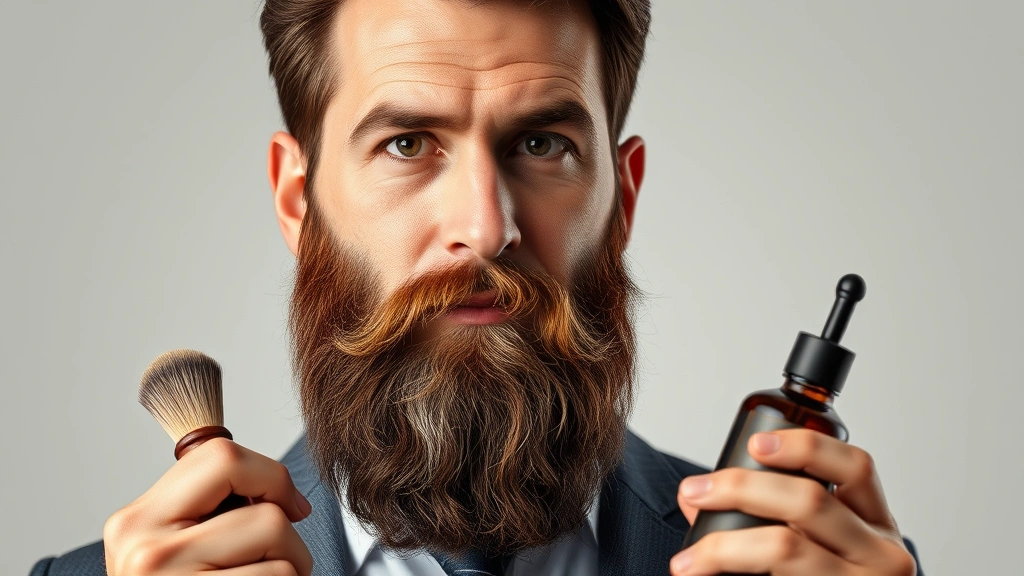
The refinement phase, covering months five through six, represents the culmination of your beard-growing journey. Your beard has now reached substantial length—typically between ten and fifteen centimeters—and possesses full character. Growth continues at a steady pace, but the transformation is more about refinement than dramatic change.
During this phase, focus shifts from achieving length to optimizing appearance. Regular trimming becomes essential to maintain shape and health. Many men trim their beards every four to six weeks during this phase, removing approximately half a centimeter to maintain clean lines while allowing continued overall growth. This mirrors the principle of growth mindset—consistent, incremental improvements compound into significant results.
Your beard’s final appearance depends heavily on grooming during this phase. Invest time daily in styling. Beard brushes help train hair to grow in desired directions, while beard balm or oil provides hold and sheen. Many men find that spending five to ten minutes each morning on beard grooming becomes a satisfying part of their routine, similar to meditation or mindfulness practice.
Dermatologists note that beards reaching this stage have developed their full growth cycle. The anagen phase—active growth—typically lasts three to six years for facial hair, meaning your beard can grow considerably longer if desired. However, many men find their ideal length during the refinement phase and maintain it through regular trimming.
Consider consulting a professional barber during this phase. Experienced barbers understand beard growth patterns and can provide expert shaping that complements your face shape and features. A professional trim every six to eight weeks, combined with your personal daily grooming, ensures your beard looks intentional and well-maintained.
Factors Affecting Beard Growth
Multiple factors influence how quickly your beard grows and how full it becomes. Understanding these elements helps you optimize growth and set realistic expectations.
Genetics: Your genes determine beard growth rate, density, and texture more than any other factor. If your father and grandfathers had full beards, you likely will too. Conversely, if male relatives struggled with sparse beards, you may face similar challenges. Genetics account for approximately 80 percent of beard growth variation between individuals.
Age: Testosterone levels peak in your late teens and twenties, then gradually decline with age. This means younger men typically experience faster beard growth and denser coverage. However, some men find their beards improve with age as they develop grooming skills and patience that younger men lack.
Hormones: Testosterone and DHT (dihydrotestosterone) directly influence beard growth. Men with higher testosterone levels typically grow beards faster and fuller. However, genetics determine how sensitive your hair follicles are to these hormones—some men with moderate testosterone grow excellent beards, while others with higher levels struggle with sparse facial hair.
Nutrition: Your diet significantly impacts hair health. Protein provides amino acids necessary for hair structure. Biotin, zinc, iron, and vitamin D all support hair growth. Men consuming inadequate protein or suffering from nutritional deficiencies may experience slower beard growth and weaker hair. Consider incorporating foods like eggs, fish, nuts, and leafy greens into your diet.
Sleep: Growth hormone, which influences beard development, is released primarily during deep sleep. Men sleeping fewer than seven hours nightly may experience slower beard growth. Prioritize consistent sleep schedules and aim for seven to nine hours of quality sleep daily.
Stress: Chronic stress elevates cortisol, which can suppress testosterone and inhibit hair growth. Additionally, stress can trigger telogen effluvium, a condition causing increased hair shedding. Managing stress through exercise, meditation, or other relaxation techniques supports beard growth.
Exercise: Regular physical activity increases testosterone levels and improves blood circulation, both beneficial for beard growth. Research published in the Journal of Endocrinology demonstrates that consistent exercise correlates with improved hair growth across multiple studies. Aim for at least 150 minutes of moderate exercise weekly.
Optimizing Your Beard Growth
Beyond understanding the stages, specific strategies accelerate beard growth and improve quality. These evidence-based approaches complement your natural growth patterns.
Maintain Consistent Skincare: Healthy skin promotes healthy beards. Establish a routine involving cleansing, exfoliating, and moisturizing. Use a gentle facial cleanser twice daily, exfoliate two to three times weekly with a soft brush or exfoliating scrub, and moisturize with a quality face cream. This removes dead skin cells that can trap emerging hairs and maintains skin hydration necessary for optimal hair growth.
Use Beard-Specific Products: Beard shampoos, conditioners, oils, and balms are formulated specifically for facial hair. These products maintain proper pH balance and contain ingredients supporting beard health. Regular hair products can damage beards by stripping natural oils or causing dryness.
Implement Proper Nutrition: Consume adequate protein—aim for 0.8 to 1 gram per pound of body weight daily. Include foods rich in biotin (eggs, almonds, sweet potatoes), zinc (oysters, beef, pumpkin seeds), iron (spinach, red meat), and vitamin D (fatty fish, egg yolks, mushrooms). Consider a multivitamin if your diet lacks these nutrients, though food sources are generally superior.
Prioritize Sleep and Stress Management: Aim for seven to nine hours of quality sleep nightly and implement stress-reduction practices. Whether through exercise, meditation, yoga, or other methods, managing stress supports hormonal balance necessary for beard growth. Research from NCBI on stress and hair loss demonstrates clear connections between chronic stress and impaired hair growth.
Exercise Consistently: Physical activity increases testosterone and improves circulation. Aim for at least 150 minutes of moderate aerobic exercise weekly, combined with strength training two to three times weekly. Studies in the American Journal of Men’s Health show that men engaging in regular exercise experience approximately 15-20 percent faster beard growth compared to sedentary men.
Stay Hydrated: Drink adequate water throughout the day—aim for at least eight to ten glasses daily. Hydration supports all biological processes, including hair growth. Dehydrated individuals often experience slower growth and weaker hair structure.
Avoid Smoking: Smoking restricts blood flow and damages collagen, both detrimental to beard growth. Men who quit smoking typically notice improved beard quality within weeks. Research from NCBI on smoking and hair loss demonstrates that smokers experience significantly higher rates of hair loss and slower growth.
Be Patient With Trimming: While you want to remove split ends and maintain shape, excessive trimming limits length growth. Trim only what’s necessary—typically every four to six weeks—removing approximately half a centimeter. This maintains health without significantly restricting growth.
Implementing these strategies requires consistency and patience. Much like personal development, beard growth rewards dedication over time. Small daily decisions compound into dramatic results over months.
FAQ
How long does it take to grow a full beard?
Growing a full beard typically requires three to six months. However, this varies significantly based on genetics, age, and individual growth rates. Some men achieve satisfactory length in three months, while others require six months or longer. The key is patience and consistent care throughout all beard growth stages.
Why is my beard itchy?
Beard itching primarily occurs because hair is growing outward while sometimes curling back toward the skin, and dead skin cells accumulate around emerging hair. This is most pronounced during weeks three through six. Combat itching with beard oil, proper moisturizing, gentle exfoliation, and adequate hydration. The itching typically subsides as your beard grows longer and your skin adjusts.
Can I speed up beard growth?
While you cannot fundamentally change your genetic growth rate, you can optimize conditions for maximum growth. Proper nutrition, adequate sleep, stress management, regular exercise, and consistent grooming all support faster, healthier growth. Expect approximately 10-20 percent improvement through optimization rather than dramatic acceleration.
Should I trim my beard while growing it?
Yes, strategic trimming improves beard quality and appearance during growth. Trim every four to six weeks, removing split ends and maintaining shape while allowing overall length growth. This prevents damage from traveling up the hair shaft and keeps your beard looking intentional rather than unkempt.
What should I do during the awkward phase?
The awkward phase tests patience but passes relatively quickly. Maintain regular grooming, use styling products to improve appearance, and focus on the end goal. Many men find that keeping their beard trimmed to a consistent length while allowing it to grow longer helps maintain a polished appearance. Remember that this phase is temporary and leads to the satisfying filling and refinement phases.
Does testosterone affect beard growth?
Yes, testosterone and DHT significantly influence beard growth rate and density. However, genetics determine how sensitive your hair follicles are to these hormones. Men with moderate testosterone but high follicle sensitivity may grow better beards than men with higher testosterone but lower sensitivity. Additionally, you cannot safely increase testosterone solely for beard growth.
Can women use the same beard growth strategies?
While women don’t typically grow beards, the principles of hair health apply universally. Proper nutrition, sleep, stress management, and skincare support hair growth and quality for everyone. Women interested in optimizing hair health should apply the same nutritional and lifestyle strategies discussed here.


