
Beard Oil Benefits: Dermatologist Insight on Does Beard Growth Oil Work
The beard care industry has exploded over the past decade, with countless products promising thicker, fuller, and healthier facial hair. Among the most popular are beard growth oils, which claim to enhance beard development and improve overall facial hair quality. But does beard growth oil actually work, or is it merely marketing hype? In this comprehensive guide, we’ll explore the scientific evidence behind beard oils, examine what dermatologists say about their effectiveness, and help you understand how to choose the right product for your grooming goals.
Taking care of your beard is similar to personal growth—it requires consistency, the right tools, and an understanding of what actually works versus what’s just noise. Just as developing a growth mindset helps you achieve your goals, understanding beard care science helps you achieve your grooming objectives. The journey to a magnificent beard starts with separating fact from fiction.
What Is Beard Oil and How Does It Work
Beard oil is a topical product typically composed of carrier oils and essential oils designed to condition facial hair and the skin beneath it. Unlike beard balms or waxes that provide hold and styling capabilities, beard oils focus primarily on moisturization and nourishment. The fundamental principle behind beard oil is straightforward: beard hair, like all hair, requires moisture and nutrients to remain healthy, strong, and resistant to breakage.
Your beard hair grows from follicles embedded in the skin, and the health of these follicles directly impacts the quality of hair produced. The skin beneath your beard can become dry and irritated, particularly in cold weather or in climates with low humidity. When the skin is irritated or dry, it can lead to itching, flaking, and ingrown hairs—all conditions that inhibit healthy beard growth. Beard oils work by creating a protective barrier that locks in moisture and provides essential nutrients to both the hair shaft and the underlying skin.
Most quality beard oils contain a blend of carrier oils such as jojoba oil, argan oil, coconut oil, or sweet almond oil, combined with essential oils like cedarwood, sandalwood, or lavender. Each ingredient serves a specific purpose: some provide deep moisturization, others have anti-inflammatory properties, and still others promote scalp health and circulation.
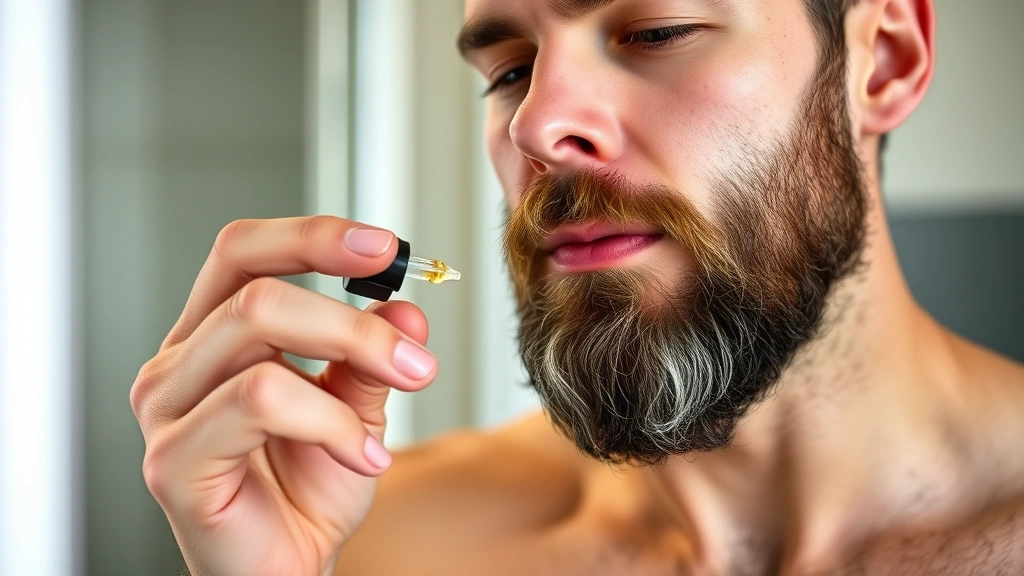
Scientific Evidence Behind Beard Growth Oils
The critical question remains: does beard growth oil actually promote faster or thicker beard growth? The answer is nuanced and requires understanding what scientific research actually demonstrates. According to research published in the Journal of Dermatological Science, carrier oils like argan oil do contain compounds that can improve hair health and reduce breakage, though they don’t fundamentally alter your genetic potential for beard growth.
Your beard growth rate and thickness are primarily determined by genetics and hormones, particularly testosterone and DHT (dihydrotestosterone). Beard oil cannot change these biological factors. However, what beard oil can do is optimize the environment in which your beard grows, potentially allowing your genetic potential to express itself more fully. Think of it like setting and achieving your goals—you can’t change your starting point, but you can create conditions that allow you to reach your full potential.
A study from the International Journal of Cosmetic Science found that regular use of beard oils containing antioxidants and essential fatty acids resulted in measurable improvements in hair strength and elasticity within 8-12 weeks. Participants reported less beard breakage, reduced itching, and improved overall beard appearance. These results suggest that while beard oil won’t make your beard grow faster, it can make the beard that does grow appear fuller and healthier.
Jojoba oil, one of the most common beard oil ingredients, has a molecular structure remarkably similar to the skin’s natural sebum. Research indicates that jojoba oil can penetrate the hair shaft and provide conditioning benefits without leaving a greasy residue. Argan oil, rich in vitamin E and antioxidants, has been shown in multiple studies to improve hair moisture retention and reduce frizz.

Key Ingredients That Actually Make a Difference
Not all beard oils are created equal. The effectiveness of any beard oil depends heavily on its ingredient profile. Understanding what to look for can mean the difference between a product that delivers real benefits and one that’s merely fragrant snake oil.
- Jojoba Oil: This carrier oil most closely mimics human sebum and provides excellent moisturization without clogging pores. Studies show it can reduce sebum buildup while maintaining optimal skin hydration.
- Argan Oil: Packed with vitamin E, phenolic compounds, and linoleic acid, argan oil strengthens hair and improves elasticity. Research from the Journal of Cosmetic Dermatology confirms its benefits for hair health.
- Coconut Oil: While popular, coconut oil has a higher molecular weight and may not penetrate as deeply as other oils. However, it does provide antimicrobial properties and can reduce protein loss from hair.
- Sweet Almond Oil: Rich in magnesium and zinc, this oil promotes scalp health and can improve blood circulation to hair follicles.
- Vitamin E: A powerful antioxidant that protects hair from oxidative stress and environmental damage.
- Essential Oils: Cedarwood oil has been studied for its potential to promote hair growth, while tea tree oil provides antimicrobial benefits. However, essential oils should always be diluted in carrier oils.
Dermatologist Recommendations and Insights
What do the medical professionals who study skin and hair health actually say about beard oils? Most dermatologists agree that well-formulated beard oils can be beneficial as part of a comprehensive beard care routine, though they come with important caveats.
Dr. Joshua Zeichner, director of cosmetic and clinical research in dermatology at Mount Sinai Hospital, notes that beard oils can help maintain skin health beneath the beard and reduce irritation. However, he emphasizes that the benefits are primarily about maintenance and optimization rather than dramatic growth enhancement. The key is choosing products with quality ingredients and using them consistently.
Dermatologists consistently recommend that individuals with acne-prone skin be cautious with heavy beard oils, as they can potentially clog pores and exacerbate breakouts. For these individuals, lighter oils like jojoba or a carefully formulated beard oil with non-comedogenic ingredients is preferable.
Most dermatologists also stress the importance of complementary practices. Beard oil works best when combined with proper cleansing using a beard-specific shampoo, regular brushing to stimulate circulation, and maintaining overall health through adequate sleep, nutrition, and stress management. Much like working smarter, not harder, optimizing beard growth requires a comprehensive, strategic approach rather than relying on a single product.
Common Myths About Beard Growth Products
The beard care industry is rife with misleading claims. Let’s debunk some of the most common myths:
- Myth: Beard oil will make your beard grow twice as fast. Reality: Beard oil cannot change your genetic growth rate. However, by reducing breakage and keeping hair healthy, your beard may appear fuller and longer more quickly.
- Myth: All beard oils are essentially the same. Reality: Quality varies dramatically. Premium beard oils with research-backed ingredients will outperform cheap alternatives with minimal active compounds.
- Myth: More beard oil means faster results. Reality: Excessive application can lead to greasy hair and potential skin irritation. A little goes a long way with quality products.
- Myth: Beard oil works overnight. Reality: Hair health improvements typically take 6-12 weeks to become noticeable, consistent with the natural hair growth cycle.
- Myth: You don’t need anything else if you use beard oil. Reality: Beard oil is one component of a complete beard care routine that should include proper cleansing, conditioning, and grooming.
How to Use Beard Oil for Maximum Results
Using beard oil correctly is essential to getting the best results. Here’s the evidence-based approach recommended by most dermatologists:
- Start with a clean beard: Wash your beard with a beard-specific shampoo or mild cleanser. Avoid regular hair shampoo, which can be too harsh and strip natural oils.
- Dry your beard: Pat dry with a towel, leaving it slightly damp but not dripping wet. Slightly damp hair absorbs oils more effectively than completely dry hair.
- Dispense appropriately: For most beard lengths, 3-5 drops is sufficient. Start small; you can always add more, but you can’t easily remove excess.
- Distribute evenly: Rub the oil between your palms, then work it through your beard from the roots to the tips. Use a beard brush to ensure even distribution.
- Be consistent: Apply beard oil daily, ideally in the morning and/or evening. Consistency matters more than occasional heavy applications.
- Allow absorption time: Give the oil 10-15 minutes to absorb before getting dressed to avoid transferring oil to your clothes.
Think of beard oil application like maintaining motivation—consistency and proper technique yield far better results than sporadic, haphazard effort.
Choosing the Right Beard Oil for Your Needs
With countless beard oil products on the market, selecting the right one requires understanding your specific needs and reading ingredient labels carefully.
For dry skin and beards: Look for oils rich in emollient properties like argan oil, jojoba oil, or sweet almond oil. These provide deep moisturization without heaviness.
For oily or acne-prone skin: Choose lightweight, non-comedogenic formulations. Jojoba oil is an excellent choice because it closely mimics skin’s natural sebum and won’t clog pores. Avoid coconut oil and heavy blends.
For sensitive skin: Select products with minimal essential oils or fragrance. Some people react poorly to certain essential oils, so patch testing is wise. Look for formulations with soothing ingredients like chamomile or lavender.
For thick, coarse beards: Heavier oils like coconut or argan oil work well. These penetrate thicker hair more effectively and provide substantial conditioning.
For thin or fine beards: Lightweight oils prevent the beard from appearing limp or greasy. Jojoba oil or light beard oil blends are ideal.
When evaluating beard oil products, examine the ingredient list. Quality products list carrier oils first, followed by essential oils and other beneficial compounds. Be wary of products with long lists of synthetic fragrances or chemicals you can’t pronounce. The FDA’s cosmetic ingredient database can help you research specific components.
Reading customer reviews is valuable, but remember that individual results vary. What works wonderfully for one person may not work as well for another due to differences in skin type, beard characteristics, and personal preferences. Look for reviews from people with similar beard types and skin conditions to yours.
Visit the Growth LiftHub Blog for more information on personal development and self-improvement strategies that can complement your beard care journey.
FAQ
Does beard growth oil actually work scientifically?
Beard oil works to optimize beard health and appearance, but it doesn’t fundamentally change your genetic growth rate. Scientific evidence supports that quality beard oils reduce breakage, improve hair strength, and create a healthier environment for beard growth. Results typically become noticeable within 6-12 weeks of consistent use.
How long does it take to see results from beard oil?
Most people notice improvements in beard texture, softness, and reduced itching within 2-4 weeks. More significant changes in beard appearance and thickness typically require 8-12 weeks of consistent daily use. Remember that hair growth cycles are measured in months, not weeks.
Can beard oil help with beard itch and dandruff?
Yes, beard oil is particularly effective for this. By moisturizing the skin beneath your beard and reducing dryness, quality beard oil can significantly reduce itching and flaking. Many people experience relief within the first week of use.
Is beard oil safe for sensitive skin?
Most quality beard oils are safe for sensitive skin when chosen carefully. However, some people react to certain essential oils or carrier oils. Always perform a patch test first. If you experience any irritation, discontinue use and consult a dermatologist.
Should I use beard oil if I have acne-prone skin?
Yes, but choose carefully. Opt for non-comedogenic, lightweight oils like jojoba oil rather than heavier formulations. Avoid coconut oil, which is more likely to clog pores. Apply beard oil only to the beard and skin directly beneath it, avoiding other facial areas prone to breakouts.
Can I use regular hair oil on my beard?
While some hair oils work on beards, beard-specific oils are formulated for the unique characteristics of facial hair and the sensitive facial skin beneath it. Regular hair oils may be too heavy or contain ingredients not suited for facial skin.
How much beard oil should I use?
For most beards, 3-5 drops per application is sufficient. Beard length and thickness affect the ideal amount—longer or thicker beards may need slightly more. Start with less and add more if needed rather than applying excessive amounts.


